Reviews
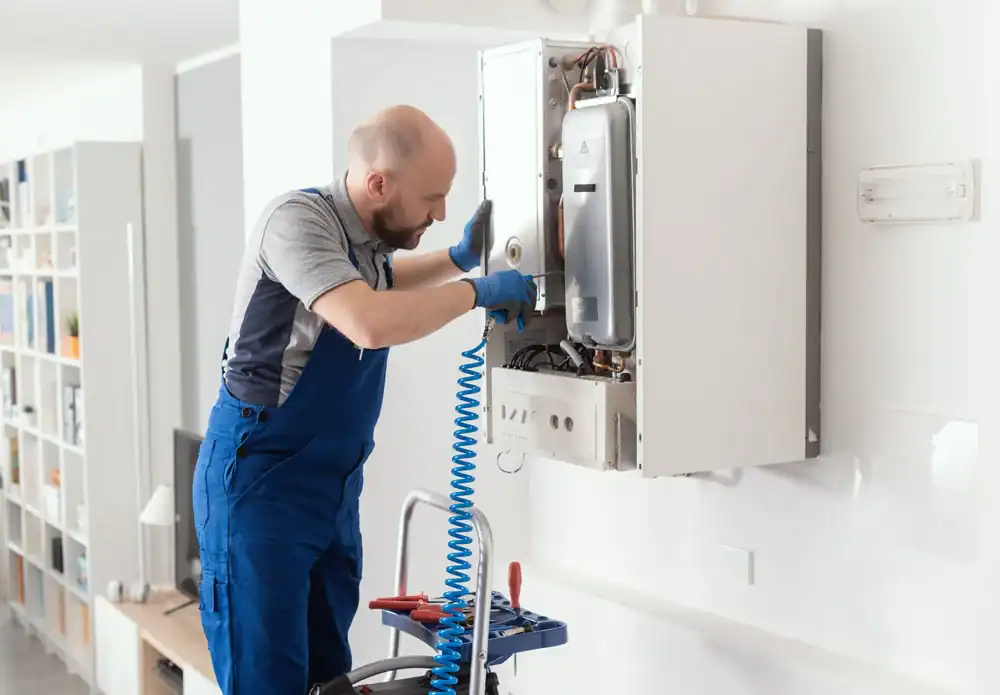
You stop waking up to a freezing house. Your energy bills drop because the system isn’t fighting itself to produce heat. You’re not layering sweaters indoors or worrying whether the pipes will freeze overnight.
A working boiler means consistent warmth in every room, not just the ones closest to the unit. It means you can stop refreshing your phone for emergency plumber availability at 2 a.m. It means your family stays comfortable through the coldest stretches of a New Jersey winter without the stress of wondering when the heat will cut out again.
When your boiler runs efficiently, you’re also extending its lifespan and avoiding the bigger, more expensive failures that happen when small problems go ignored. You get reliability. You get peace of mind. You get to stop thinking about your heating system entirely.
We’ve been handling heating emergencies across Sea Bright and Monmouth County long enough to know what breaks, when it breaks, and how to fix it right the first time. We’re licensed, insured, and available around the clock because boiler problems don’t wait for business hours.
Sea Bright homes deal with coastal weather, older housing stock, and the kind of cold snaps that test every heating system. We’ve seen it all. Leaking boilers, error codes that make no sense, systems that fire up and shut down every ten minutes.
You’re not getting a sales pitch or an upsell. You’re getting a technician who knows what they’re looking at, explains what’s wrong in plain language, and gives you upfront pricing before any work starts.

You call or contact us, and we get someone to your home as fast as possible. If it’s an emergency, we’re available 24/7. No waiting until Monday morning.
When we arrive, we run a full diagnostic to figure out what’s actually wrong. That means checking your boiler’s pressure, inspecting for leaks, testing the thermostat, and looking at error codes if your system is throwing them. We don’t guess. We test.
Once we know the issue, we explain it to you in terms that make sense. Not technical jargon. Not scare tactics. Just the facts: what’s broken, what it takes to fix it, and what it costs. You get upfront pricing before we touch anything.
If you approve the work, we handle the repair on the spot whenever possible. We carry common parts and tools for most boiler issues, so there’s a good chance we’re fixing it the same day. After the repair, we test the system to make sure it’s running properly and efficiently before we leave.
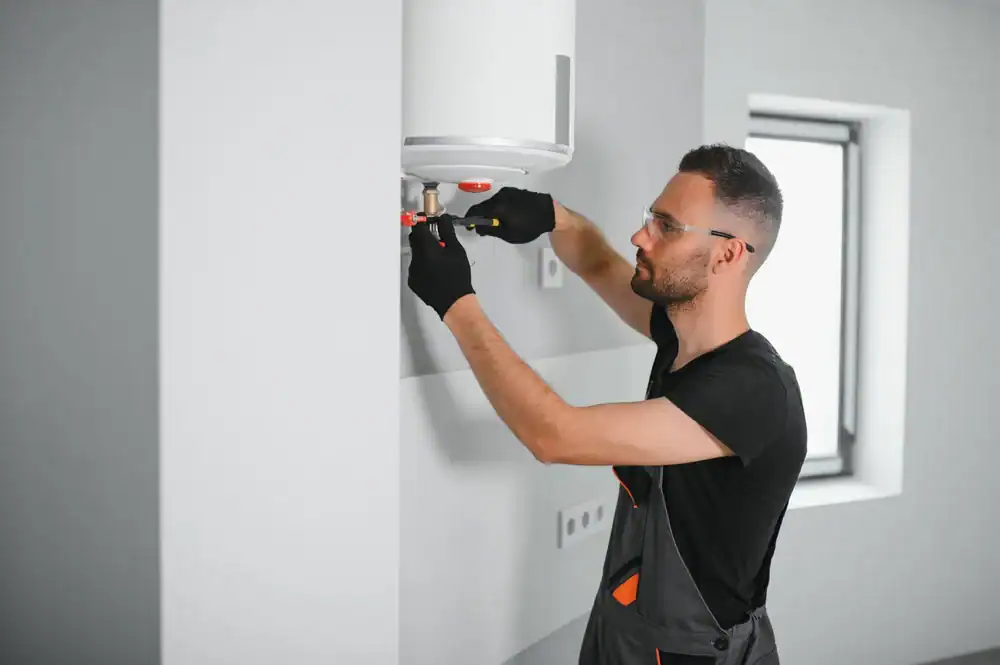
Ready to get started?
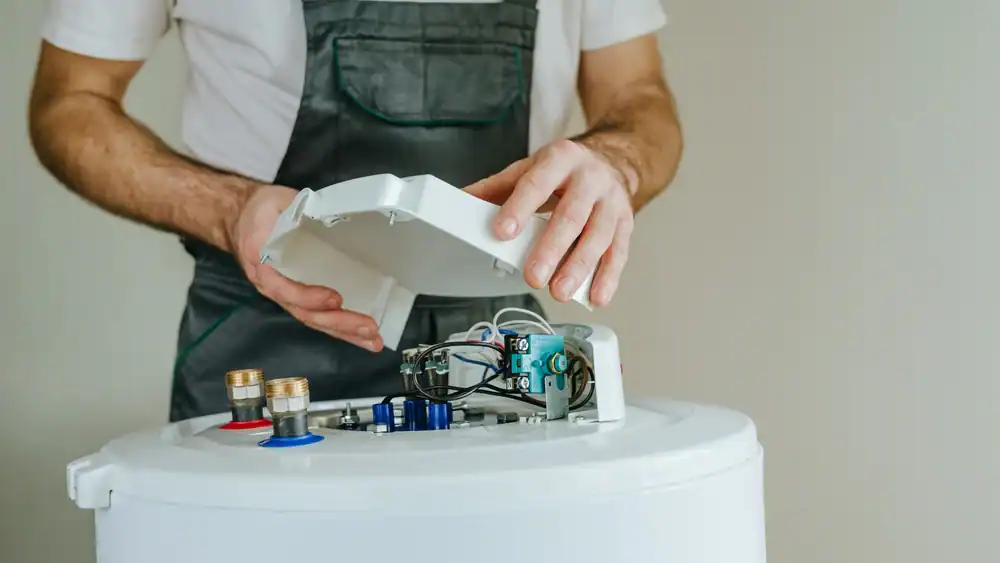
You get a full system diagnostic, not just a quick look at the obvious problem. We check pressure levels, inspect for water leaks, test ignition systems, and examine the heat exchanger for cracks or corrosion. If your boiler is leaking water, we trace it to the source—whether that’s a valve, a seal, or a crack in the tank itself.
We handle everything from simple thermostat issues to complex component failures. Circulator pumps, pressure relief valves, expansion tanks, gas valves, pilot lights—we repair or replace what’s needed. If your system needs a part, we source quality components that last, not the cheapest option that’ll fail again in six months.
In Sea Bright, where many homes were built decades ago and heating systems have been running hard through countless winters, we also look at the bigger picture. Is your boiler oversized for your home? Is it working harder than it should because of poor maintenance? We’ll tell you if a repair makes sense or if you’re throwing money at a system that’s near the end of its life. That’s not a sales tactic. That’s honesty.
We also offer maintenance plans to keep your boiler running efficiently year-round. Regular tune-ups catch small issues before they become expensive emergencies, and a well-maintained boiler can save you hundreds on heating costs every winter.
Most boiler repairs in New Jersey fall between $200 and $900, depending on what’s broken and whether it’s an emergency call. Standard repairs during business hours average around $450. If you’re calling at midnight because your heat just went out, expect to pay an additional $200 to $300 for emergency service.
Simple fixes like a faulty thermostat or a tripped safety switch cost less. Replacing a circulator pump, a pressure relief valve, or a gas valve costs more because of the parts and labor involved. If your boiler is leaking water and we need to replace a heat exchanger or a major component, you’re looking at the higher end of that range.
We give you upfront pricing before we start any work. No surprises, no hidden fees. If the repair cost is approaching what a new boiler would cost and your system is already 15 or 20 years old, we’ll tell you that too. You deserve to make an informed decision, not get locked into a repair that doesn’t make financial sense.
Most boiler repairs take between one and three hours, depending on the issue. If it’s something straightforward like replacing a thermostat or resetting a pressure valve, we’re usually done in under an hour. More involved repairs, like replacing a circulator pump or a gas valve, can take two to three hours.
If we need to order a part that we don’t have on the truck, that adds time. We carry the most common components for boiler repairs, but older systems or less common brands sometimes require special-order parts. In those cases, we’ll let you know the timeline upfront and do everything we can to get the part fast.
Emergency repairs in the middle of winter get priority. We’re not making you wait days for heat when it’s freezing outside. If we can’t complete the repair immediately because of a part issue, we’ll do everything possible to get your system running temporarily until we can finish the job properly.
If your boiler is less than 10 years old and the repair costs less than a third of what a new boiler would cost, repairing usually makes sense. If your boiler is 15 years or older, repairs start to become less cost-effective, especially if you’re dealing with major component failures.
Here’s a practical way to think about it: if the repair costs $800 and your boiler is 18 years old, you’re likely looking at more repairs in the near future. Boilers typically last 15 to 20 years, and once they start having frequent issues, it’s often a sign that other parts are wearing out too. At that point, you’re better off investing in a new, energy-efficient system that’ll save you money on heating costs and give you reliable heat for the next 15 years.
We’ll never push you toward a replacement if a repair makes sense. But we’ll also be honest if we think you’re pouring money into a system that’s on its last legs. You’ll get a straight answer based on what we see, not what makes us the most money.
A boiler leaking water usually means a problem with a seal, a valve, or the tank itself. The most common causes are a faulty pressure relief valve, a broken seal on a pump or valve, or corrosion in the heat exchanger. If the leak is coming from around a valve or a pipe fitting, it’s often a seal that’s worn out and needs replacing.
If the leak is coming from the tank itself, that’s more serious. Corrosion inside the heat exchanger can cause cracks, and once the tank is compromised, you’re usually looking at a replacement rather than a repair. That’s not something you can patch or seal long-term.
Pressure issues can also cause leaks. If your boiler’s pressure is too high, it can force water out through the pressure relief valve or through weak points in the system. We check the pressure gauge, inspect all the connections, and trace the leak to its source. Once we know where it’s coming from and why, we can tell you whether it’s a quick fix or a bigger problem. Most leaks are fixable, but it depends on what’s causing them.
Yes. We’re available around the clock for boiler emergencies because we know heating failures don’t happen on a convenient schedule. If your boiler quits at 11 p.m. on a Saturday in January, you’re not waiting until Monday morning to get heat back.
Emergency service costs more than a standard repair call—usually an additional $200 to $300—but you’re paying for immediate availability and fast response. We prioritize emergency calls, especially during cold snaps when losing heat isn’t just uncomfortable, it’s dangerous.
When you call, you’ll talk to a real person, not a voicemail system. We’ll ask a few questions to understand what’s happening, and then we’ll get a technician to your home as quickly as possible. We carry the tools and parts needed for most common boiler issues, so there’s a strong chance we’re fixing the problem that same night. You’re not getting a temporary patch. You’re getting a real repair.
Once a year is the standard recommendation, ideally in the fall before you start relying on it for heat. Annual maintenance catches small issues before they turn into expensive repairs or complete system failures in the middle of winter.
During a maintenance visit, we clean the system, check all the components, test the pressure, inspect for leaks, and make sure everything is firing and shutting down properly. We also look at efficiency—if your boiler is working harder than it should, that’s costing you money every month on your energy bill.
Regular maintenance extends the life of your boiler. A well-maintained system can last 20 years. A neglected one might only make it 12 or 15 before major components start failing. The cost of an annual tune-up is a fraction of what you’d pay for an emergency repair or an early replacement, and it keeps your system running safely and efficiently all winter long.