Reviews
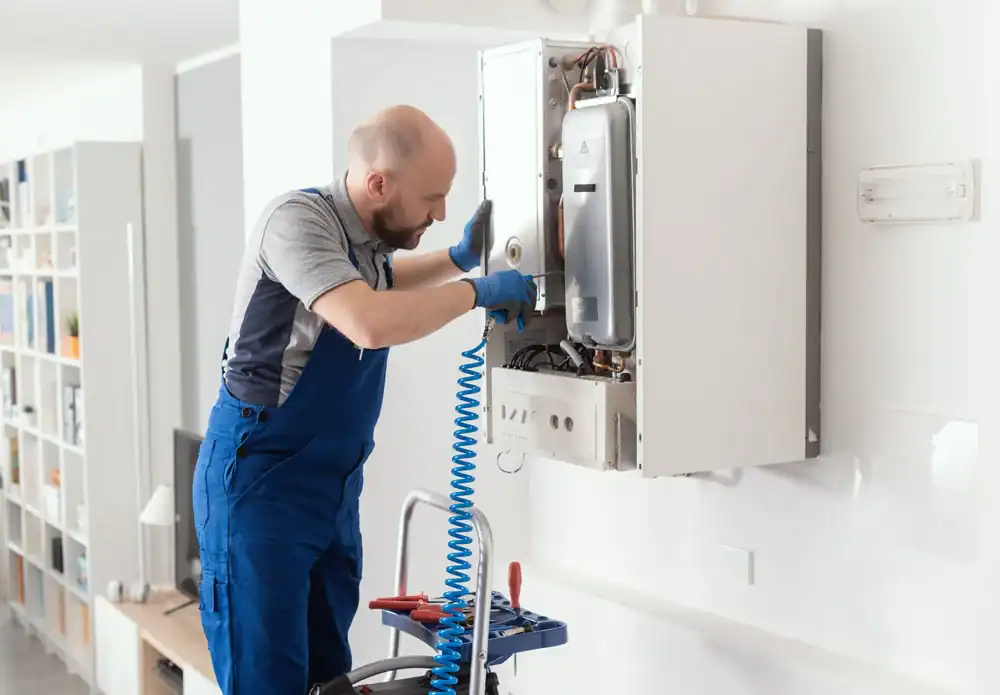
You’re not calling about a boiler because you care about boilers. You’re calling because it’s 28 degrees outside, your house feels like a freezer, and you need heat now.
When your system’s running the way it should, you’re not thinking about it. Your mornings aren’t spent checking the thermostat or wondering if the pilot light’s out again. You’re not layering up indoors or worrying about pipes freezing while you’re at work.
A working boiler means consistent heat in every room, lower energy bills because the system isn’t fighting itself, and no 2 a.m. panic when you hear strange noises from the basement. It also means your family stays comfortable through January cold snaps and nor’easters without you losing sleep over whether the system will hold up. That’s what a proper boiler repair gets you—not just a fix, but reliability you can forget about.
AME Plumbing Heating and Cooling is based in Monmouth County, and we’ve worked on hundreds of boilers across Point Pleasant Boro. We know the housing stock here—older homes with original cast iron radiators, newer builds with high-efficiency systems, and everything in between.
We’re licensed, insured, and we don’t hide our pricing. You’ll know what the job costs before we start, and we don’t tack on surprise fees after the fact. Our techs have seen every kind of boiler problem this area throws at us, from frozen condensate lines during coastal winter storms to pressure valve failures in aging systems.
We’re not the cheapest option, and that’s intentional. You’re paying for technicians who show up on time, carry the right parts, and fix it correctly the first time so you’re not calling someone else next week.

You call or submit a request online. We ask a few questions about what’s happening—no heat, strange noises, leaking water, error codes—so we know what to bring.
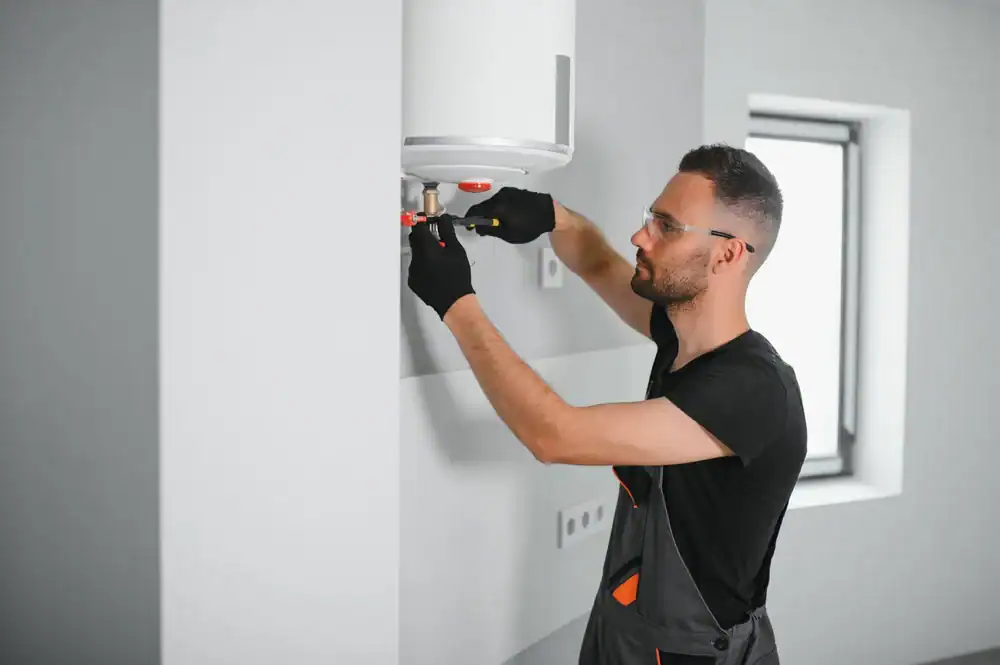
We schedule a time that works for you, usually same-day if it’s an emergency. Our tech shows up in a marked vehicle with diagnostic tools and common parts already on the truck. They’ll inspect your boiler, test the components, and explain what’s wrong in plain terms. No jargon, no upselling.
You’ll get an upfront price for the repair. If you approve it, we do the work right then. If it’s a bigger job or requires ordering a part, we’ll walk you through timing and options. Once the repair’s done, we test the system to make sure it’s heating properly and safely. You’ll get a clear invoice and an explanation of what we did. If you have questions later, you can call us directly.
Ready to get started?
Boiler repairs cover a wide range of issues, and what you need depends on what’s failing. Common problems we handle in Point Pleasant Boro include no heat or inconsistent heating, which usually points to thermostat issues, circulator pump failures, or airlocks in the system. If your boiler’s leaking water, that’s often a pressure valve, heat exchanger crack, or corroded pipe connection.
Strange noises—banging, whistling, or gurgling—typically mean sediment buildup, trapped air, or a failing pump. If you’re seeing error codes or the system keeps shutting off, that’s usually a sensor issue, ignition problem, or safety lockout. Pilot light problems are common in older gas boilers and can stem from a dirty thermocouple or gas valve issue.
We also handle pressure drops, which affect heat distribution throughout your home, and frozen condensate lines, a frequent issue during Point Pleasant’s coldest stretches when temps drop into the low 20s. Because many homes here have boilers over 15 years old, we’re used to working with aging systems that need component replacements or efficiency upgrades. Every repair includes a system check to catch other potential problems before they leave you without heat.
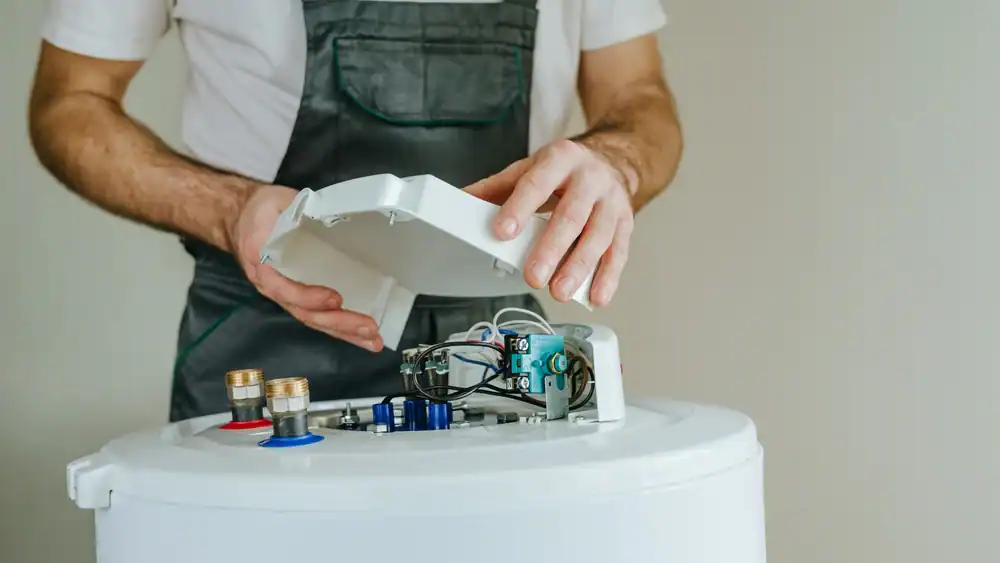
Boiler repair costs depend on what’s broken, how long it takes to fix, and whether we need to order parts. A simple fix like replacing a thermocouple or resetting a safety switch might run a few hundred dollars. More involved repairs—like replacing a circulator pump, pressure valve, or control board—can range from $400 to $1,200 depending on the part and labor.
If your boiler’s leaking water from a cracked heat exchanger, that’s a bigger issue. Heat exchangers are expensive, and in many cases, if your system is over 15 years old, it makes more financial sense to replace the boiler than repair it. We’ll walk you through that decision with real numbers, not scare tactics.
We give you the price before we start the work. No hidden fees, no surprises when we hand you the invoice. If it’s an emergency call outside business hours, there’s an additional trip charge, but we’ll tell you that upfront when you call.
The most common issue we see is no heat, which can stem from several causes. Thermostat problems are frequent—either the thermostat itself is faulty or it’s not communicating with the boiler. Pilot light or ignition failures are also common, especially in older systems or after a power outage.
Low water pressure is another big one. Boilers need a certain pressure level to operate safely, and if it drops too low, the system shuts down. That’s often caused by a leak somewhere in the system or a faulty pressure relief valve. Circulator pump failures prevent hot water from moving through your radiators or baseboard heaters, leaving you with a running boiler but no heat in the house.
Airlocks in the system, frozen condensate lines during cold snaps, and clogged filters or vents can also shut your boiler down. In Point Pleasant Boro, we see a lot of frozen exterior pipes on high-efficiency boilers during January and February when temps stay below freezing for days. Sediment buildup is common in older systems and causes banging noises, inefficiency, and eventual component failure if not addressed.
Most boiler repairs take between one and three hours, depending on what’s wrong and whether we have the part on the truck. Simple fixes like resetting a safety lockout, replacing a thermocouple, or bleeding air from the system can be done in under an hour.
More involved repairs—swapping out a circulator pump, replacing a pressure relief valve, or installing a new control board—usually take two to three hours. If we need to order a part, we’ll give you a timeline for when it’ll arrive and schedule a follow-up visit. We try to keep common parts stocked so we can finish most jobs in one trip.
If your system has multiple issues or we uncover a secondary problem during the repair, we’ll let you know before we continue. You’ll never come home to find we did extra work without asking. Emergency repairs during extreme weather get priority scheduling because we know you can’t wait three days when it’s 23 degrees outside and your heat’s out.
If your boiler is under 10 years old and the repair cost is less than a third of a new system, repairing usually makes sense. If it’s over 15 years old and you’re looking at a major repair—heat exchanger, multiple component failures, or recurring issues—replacement is often the smarter move financially.
Here’s why: older boilers are less efficient, which means higher energy bills every month. A new high-efficiency boiler can cut your heating costs by 20-30% and runs more reliably. If you’re repairing the same boiler every year or two, those costs add up quickly and you’re still left with an aging system that’ll need more work.
We’ll give you honest numbers for both options. If a repair buys you another five solid years, we’ll tell you. If you’re throwing money at a system that’s on its last legs, we’ll tell you that too. We’re not here to sell you a new boiler if a $600 repair solves your problem. But we’re also not going to let you spend $2,000 fixing a 20-year-old system that’ll fail again next winter.
Yes. We offer 24/7 emergency boiler repair because heating failures don’t wait for business hours. If your boiler goes out at 10 p.m. on a Saturday during a winter storm, you can call us and we’ll get someone out to you.
Emergency calls come with an additional trip charge since we’re pulling a technician off-hours, but we’re upfront about that cost when you call. For many people, especially families with young kids or elderly residents, going without heat overnight isn’t an option. We get that.
Our emergency response time depends on call volume and weather conditions, but we prioritize no-heat calls during extreme cold. Point Pleasant Boro winters can be brutal, and frozen pipes or unsafe indoor temps aren’t something you can ignore until Monday morning. When we say 24/7, we mean it—you’ll reach a real person, not a voicemail, and we’ll get you back online as fast as possible.
Annual maintenance is the single best way to avoid emergency repairs. A yearly boiler service includes inspecting and cleaning the heat exchanger, checking the ignition system, testing safety controls, and flushing sediment from the system. We also check for leaks, test water pressure, inspect the venting system, and make sure the circulator pump is working properly.
Most breakdowns happen because small issues go unnoticed until they cause a failure. A dirty flame sensor might cause intermittent shutdowns now, but left alone, it’ll fail completely in the middle of January. A slow leak might not seem urgent, but it’s dropping your system pressure and forcing your boiler to work harder, which shortens its lifespan.
Regular maintenance also keeps your system efficient. Sediment buildup, dirty burners, and clogged vents make your boiler use more fuel to produce the same amount of heat. That costs you money every month. We recommend scheduling maintenance in the fall before heating season starts, so if we find something that needs attention, you’re not dealing with it during a cold snap when you actually need the heat.