Reviews
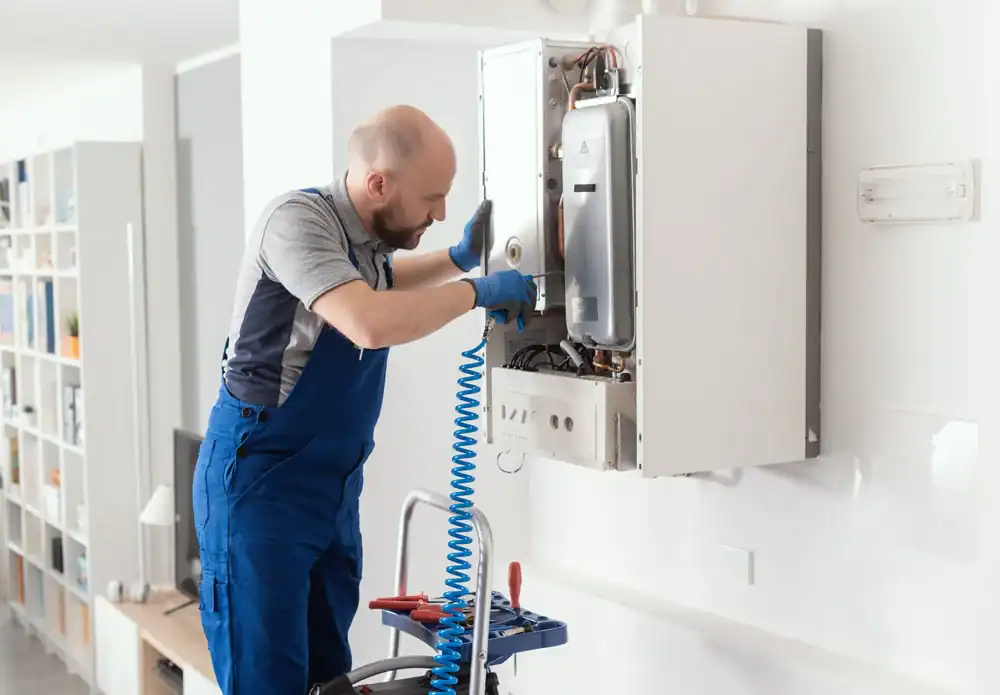
You shouldn’t have to bundle up inside your own home. When your boiler stops working in the middle of a Jersey winter, every hour without heat feels longer than the last.
A working boiler means consistent warmth in every room. No more cold spots in the hallway or waking up to a freezing house. Your thermostat actually does what it’s supposed to do.
You also stop worrying about whether the problem will come back next week. A proper repair handles the root cause, not just the symptom. That means fewer emergency calls, lower energy bills, and a system that runs quietly in the background like it should.
When your boiler works right, you forget it’s even there. That’s the goal.
We operate throughout Monmouth and Ocean County with fully licensed and insured technicians. We’re local, which means we understand how coastal humidity and older home construction affect heating systems in this area.
Ocean has a mix of older homes with cast iron boilers and newer builds with high-efficiency units. We work on both. Our team has seen every type of boiler issue that comes with living near the shore, from corrosion caused by salt air to pressure problems in multi-story homes.
We don’t send salespeople to your door. You get a technician who can actually diagnose and fix the problem on the spot. Upfront pricing means no surprises when the work is done.

First, we listen to what’s happening. When did the heat stop working? Are you hearing strange noises? Is water leaking anywhere? Those details help us diagnose faster.
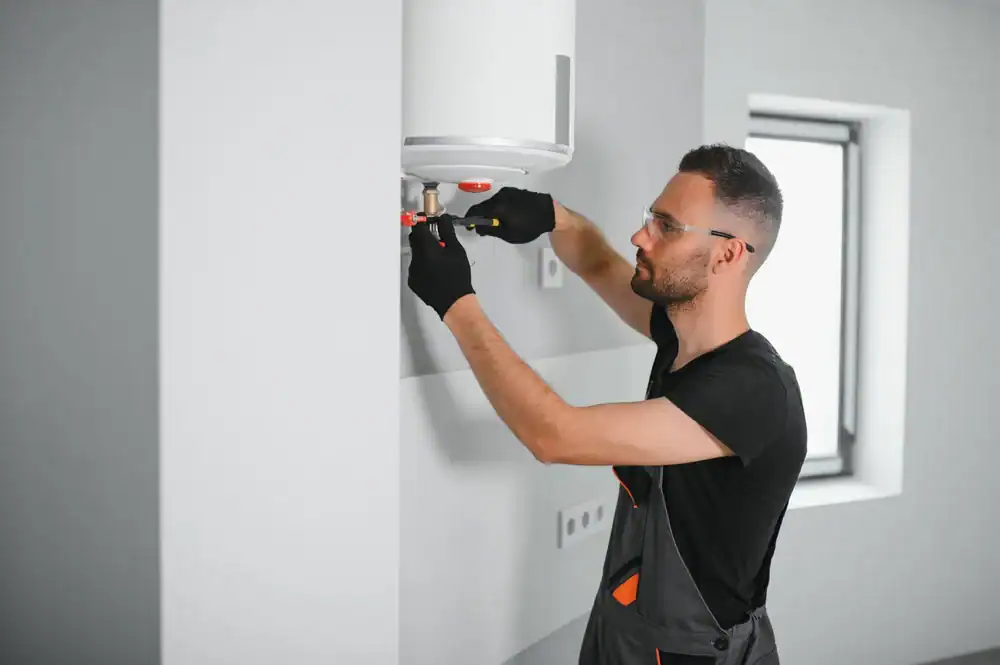
Then we inspect the boiler itself. We check the pressure gauge, examine the heat exchanger, test the circulator pump, and look at the expansion tank. We’re checking for leaks, corrosion, faulty valves, or electrical issues. Most problems show themselves pretty quickly when you know what to look for.
Once we find the issue, we explain what’s wrong in plain language. No jargon. We tell you what needs to be fixed, why it matters, and what it costs before we do anything. If it’s a simple fix, we handle it right there. If we need a part, we let you know how long it’ll take.
After the repair, we test the system to make sure heat is flowing properly to all your radiators or baseboards. We also check that your thermostat is communicating correctly with the boiler. You shouldn’t have to call us back next week for the same problem.
Ready to get started?
Leaking water is one of the most common calls we get. It usually means a valve is failing, the pressure relief valve is stuck, or there’s corrosion in the heat exchanger. Small leaks turn into big problems fast, especially in Ocean where humidity accelerates rust.
No heat at all typically points to a faulty circulator pump, a tripped safety switch, or a thermostat issue. Sometimes it’s as simple as air trapped in the lines. Other times it’s a more serious component failure that needs replacement.
Strange noises like banging, whistling, or gurgling usually mean there’s air in the system, sediment buildup in the tank, or a pump that’s on its way out. These aren’t things you should ignore. They’re warning signs that something needs attention before you’re left without heat entirely.
Ocean’s coastal location means boilers here deal with more moisture and salt air than systems further inland. That’s why regular maintenance matters. Catching small issues early prevents expensive emergency repairs in January when you can’t afford to wait three days for a part.
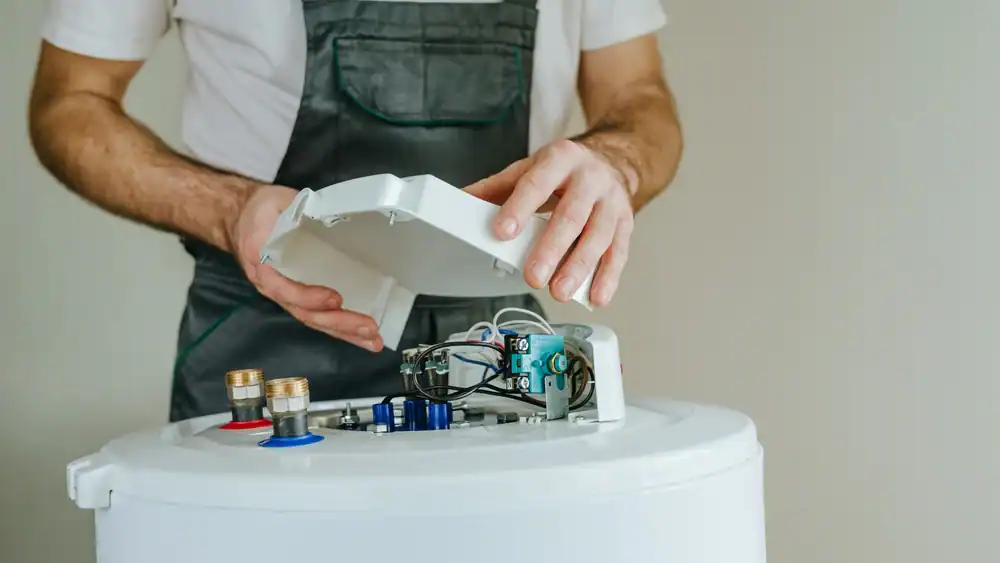
Most boiler repairs in Ocean fall between $300 and $1,200 depending on what’s broken. A simple fix like replacing a circulator pump or pressure relief valve sits on the lower end. Replacing a heat exchanger or control board costs more.
The real cost depends on the part that failed and how long the repair takes. We give you the price upfront before starting any work. No hidden fees or surprise charges when we’re done.
Emergency repairs outside normal business hours cost more because you’re paying for immediate availability. But if your heat is out and it’s 20 degrees outside, waiting until Monday isn’t really an option. We’re available 24/7 for situations like that.
If your boiler is under 10 years old and the repair costs less than a third of a new system, repair usually makes sense. If it’s over 15 years old and you’re looking at a major component failure, replacement might be smarter long-term.
Age matters, but so does repair history. If you’ve had three or four repairs in the last two years, you’re throwing money at a system that’s telling you it’s done. Newer high-efficiency boilers also cut your energy bills, which offsets some of the replacement cost over time.
We’ll be straight with you about whether a repair is worth it. If your boiler is on its last leg, we’ll tell you. We’re not going to sell you a repair that only buys you six months.
Water leaking from your boiler usually means a valve has failed, the pressure is too high, or there’s corrosion somewhere in the system. The pressure relief valve is designed to release water if pressure gets too high, so a small amount of leaking there can be normal. But if it’s constant, the valve is probably stuck or faulty.
Leaks around pipe connections or the pump often mean a seal has worn out. These are straightforward fixes if caught early. Leaks from the tank itself are more serious and usually mean the heat exchanger has corroded through. That’s a major repair or replacement situation.
Don’t ignore even small leaks. Water damage adds up fast, and a small drip today can become a flood tomorrow. Plus, losing water means losing pressure, which means your boiler won’t heat properly even if it’s still running.
Most boiler repairs take between one and three hours once we’re on site. Simple fixes like replacing a valve, clearing an airlock, or swapping a circulator pump are usually done in under two hours.
More complex repairs like replacing a control board or fixing multiple issues take longer. If we need to order a part that’s not on the truck, that adds time. We keep common parts in stock, but older boilers sometimes need special-order components.
Emergency repairs get prioritized, especially in winter. If your heat is completely out, we move fast. Non-emergency service calls get scheduled based on availability, but we do our best to get to you same-day or next-day.
Yes. We’re available 24/7 for heating emergencies. If your boiler stops working in the middle of the night or on a weekend, you can call us. We understand that losing heat in winter isn’t something that can wait until Monday morning.
Emergency service costs more than regular appointments because you’re paying for immediate availability and after-hours work. But when it’s freezing outside and your family needs heat, the extra cost is worth it.
We prioritize emergency calls based on severity. No heat in winter gets handled faster than a minor issue that can wait. We’ll give you an honest timeframe when you call so you know when to expect us.
A service call includes diagnosis, labor, and any minor adjustments needed to get your system running. We inspect the boiler, identify what’s wrong, and explain the issue in plain terms. If the fix is simple and we have the part on the truck, we handle it right there.
If you need a replacement part, we give you a price for the part and labor before ordering anything. You decide whether to move forward. We don’t do work without your approval.
After the repair, we test the system to make sure heat is flowing properly throughout your home. We also check pressure levels, thermostat settings, and safety controls. The goal is to leave your boiler working correctly so you’re not calling us back next week.