Reviews
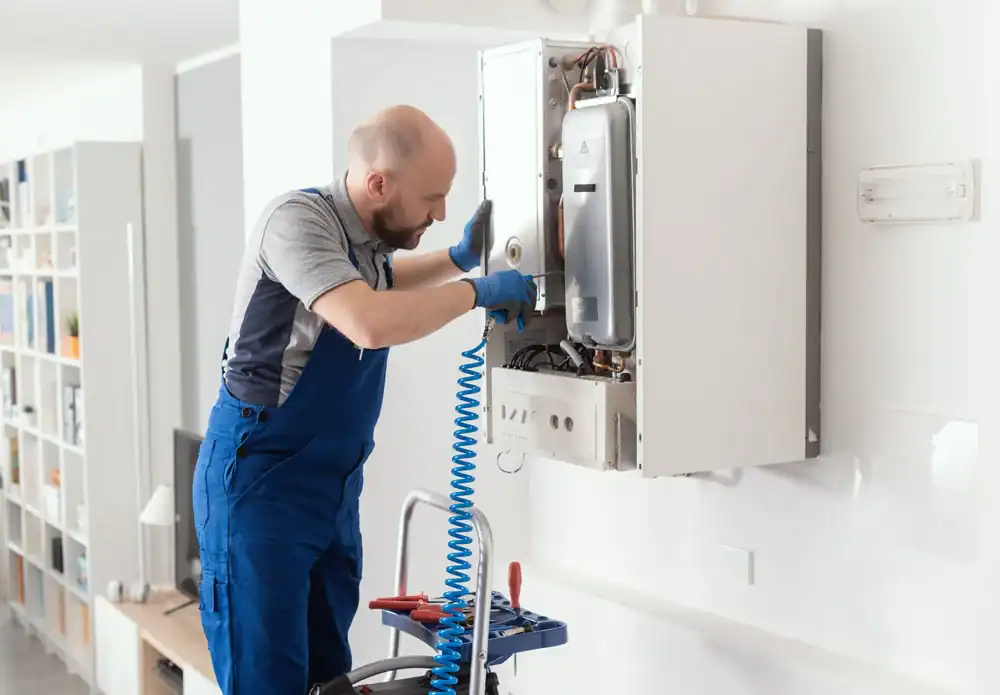
You’re not looking for a band-aid fix. You need your boiler working reliably through the coldest months without breaking down again next week or racking up energy bills because it’s running inefficiently.
That means diagnosing the actual problem, not just the symptom. A banging noise isn’t the issue—it’s trapped air or mineral buildup causing it. A leak isn’t bad luck—it’s a corroded pipe or faulty pressure valve that’s been ignored too long.
When your boiler’s repaired correctly, you get consistent heat in every room. Your energy bills stop climbing. You’re not lying awake wondering if the system will make it through winter. And you’re not calling another plumber in two weeks because the first one missed something.
We fix boilers so they run quietly, efficiently, and predictably. That’s what reliable heating actually looks like.
AME Plumbing Heating and Cooling has been serving Monmouth County since 2014. We’re a family-owned company, which means when you call, you’re talking to people who live and work in the same area you do—not a call center three states away.
Our technicians are licensed and insured. We show up on time, explain what’s wrong in plain language, and give you upfront pricing before any work starts. No surprises on the bill.
Oakhurst winters are brutal. Frozen condensate pipes, pressure drops, and system failures happen when temperatures plummet and your boiler’s working overtime. We’ve seen it all, and we know how to fix it fast. Whether it’s 2 p.m. or 2 a.m., we’re available because heating emergencies don’t wait for business hours.

First, we listen. You tell us what’s happening—no heat, strange noises, leaking water, whatever the issue is. We ask a few questions to understand the situation, then schedule a time that works for you. If it’s an emergency, we come out immediately.
When we arrive, we run a full diagnostic. We’re checking pressure levels, inspecting the heat exchanger, testing the thermostat, looking for leaks, and listening for anything unusual. We find the root cause, not just the obvious symptom.
Then we explain what’s wrong and what it’ll take to fix it. You get a clear price before we touch anything. If it’s a quick repair, we handle it on the spot. If it’s more involved, we walk you through your options—including whether repair or replacement makes more sense for your situation and budget.
Once the work’s done, we test the system to make sure everything’s running correctly. We clean up. And we give you straightforward advice on how to keep your boiler running efficiently so you’re not dealing with this again in a month.
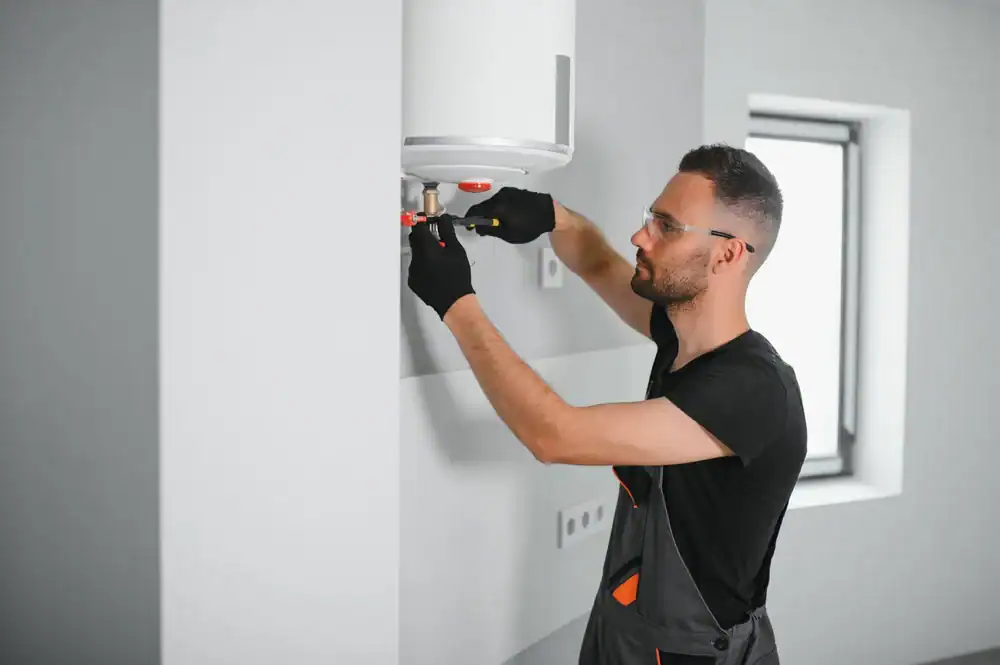
Ready to get started?
We handle everything from minor fixes to major overhauls. Leaking pipes, faulty pressure relief valves, broken thermostats, circulator pump failures, ignition problems, and frozen condensate lines. If it’s keeping your boiler from heating your home, we fix it.
In Monmouth County, boilers work harder than in milder climates. The freeze-thaw cycles we get here are tough on systems, especially older ones. Condensate pipes freeze when temps drop below 32°F. Pressure fluctuates. Components wear out faster. That’s why regular maintenance matters, but when something breaks, you need someone who knows how these systems fail in this specific climate.
We also help you decide if repair makes sense or if you’re better off replacing the unit. If your boiler’s 15-20 years old, constantly breaking down, and costing more to heat your home each year, replacement might actually save you money. We’ll give you the honest answer, not just the one that makes us more money.
You also get post-service guidance. We’ll tell you what to watch for, how often to schedule maintenance, and what you can do to extend the life of your system. Most breakdowns are preventable if you catch the warning signs early.
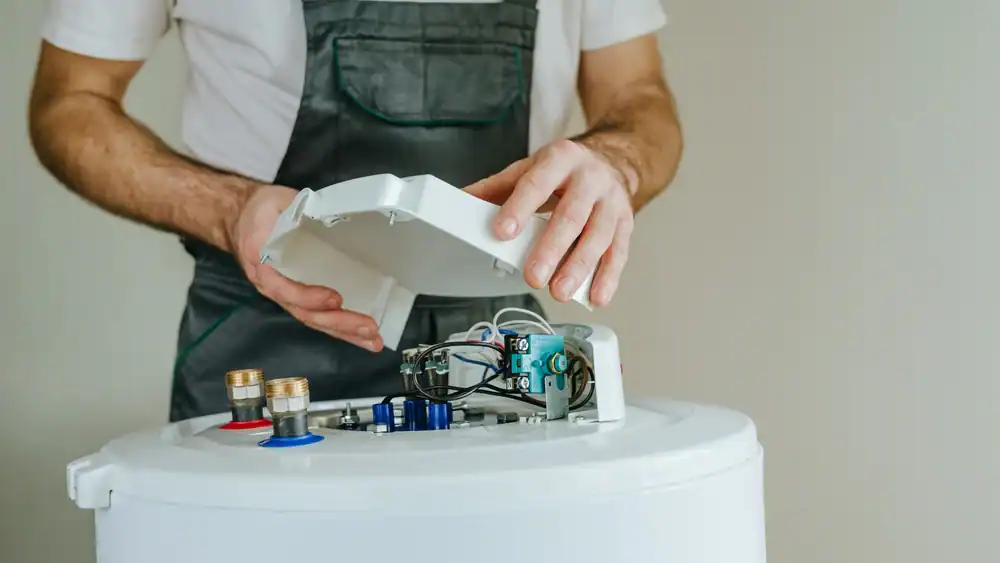
Age is the biggest factor. If your boiler’s over 15 years old and you’re calling for repairs more than once a year, replacement usually makes more financial sense. Older systems are less efficient, which means higher heating bills, and parts get harder to find.
Repair costs matter too. If you’re looking at a repair that’s more than half the cost of a new unit, and your boiler’s already past its prime, you’re throwing money at a system that’s going to fail again soon. That’s not a smart investment.
Efficiency is the other consideration. Newer boilers can be 90-95% efficient compared to 70-80% for older models. That difference shows up on your energy bill every single month. Sometimes the upfront cost of replacement pays for itself in energy savings within a few years, especially if your current system is working harder than it should to keep your home warm.
Leaks usually come from one of three places: corroded pipes, a faulty pressure relief valve, or a damaged seal. Corrosion happens over time, especially in older systems where metal components break down. If you see rust or moisture around pipe connections, that’s your culprit.
Pressure relief valves are designed to release water when pressure gets too high. If yours is leaking, it could mean the valve itself is broken, or your boiler’s pressure is actually too high—which is a bigger problem. You’ll need someone to test the system and figure out which one it is.
Seals and gaskets wear out. They dry up, crack, and stop doing their job. This is common in boilers that haven’t been maintained regularly. A leaking seal is usually a straightforward fix, but if water’s been leaking for a while, you might have secondary damage to deal with. The key is catching it early before a small leak turns into a flooded basement.
Banging noises—called kettling—happen when mineral deposits build up on the heat exchanger. Water gets trapped under the buildup, boils, and creates steam bubbles that collapse loudly. It sounds alarming, and it is. Kettling makes your boiler work harder, shortens its lifespan, and drives up energy costs.
Whistling usually means trapped air in the system or a blockage somewhere in the pipes. Air pockets prevent water from circulating properly, which means some rooms stay cold while others overheat. Bleeding the radiators can help, but if the noise keeps coming back, there’s a bigger issue with how the system’s pressurized.
Gurgling sounds point to low water pressure or a circulation problem. Your boiler needs consistent water flow to heat efficiently. When that flow gets interrupted, you hear it. These noises aren’t just annoying—they’re warning signs. Ignoring them leads to bigger, more expensive failures down the line.
Simple repairs—like replacing a thermostat, bleeding radiators, or fixing a minor leak—usually take one to two hours. We can handle those on the first visit, and you’ll have heat back the same day.
More complex issues take longer. If we’re replacing a circulator pump, repairing the heat exchanger, or dealing with a frozen condensate pipe, you’re looking at three to five hours depending on access and how extensive the damage is. We’ll give you a realistic timeline upfront so you know what to expect.
Emergency repairs in the middle of winter sometimes take longer because we’re prioritizing getting your heat back on, even if it means a temporary fix followed by a more permanent solution later. Our goal is to restore your heating as quickly as possible, then schedule any follow-up work that’s needed. You won’t be left in the cold while we wait for parts or try to make everything perfect in one visit.
Yes. Boiler emergencies don’t happen on a schedule, and we know that. When your heat goes out at midnight in January, you can’t wait until Monday morning. We offer around-the-clock emergency service because that’s when you actually need help.
Emergency calls get priority response. We’re not making you wait 24 hours while your pipes freeze and your family’s bundled up in blankets. Depending on where you are in Oakhurst and what else is happening that night, we’re typically on-site within a couple of hours.
Emergency rates apply for after-hours calls, but we’re upfront about pricing before we come out. You’ll know what it costs, and you can decide if you want us there tonight or if it can wait until morning. Most people choose immediate service when it’s their heating system, and we’re ready to handle it either way.
Simple fixes like thermostat replacements or pressure adjustments run $150 to $400. Mid-level repairs—circulator pumps, valve replacements, or fixing leaks—typically cost $400 to $900 depending on parts and labor. Major repairs involving the heat exchanger or control board can run $1,000 to $2,500.
The actual cost depends on what’s broken, how accessible it is, and whether we’re dealing with an older system where parts are harder to source. We give you an exact price before starting work, so there’s no guessing or surprise charges when we’re done.
If you’re looking at a repair over $1,500 and your boiler’s already 15+ years old, we’ll have a conversation about whether replacement makes more sense. Sometimes it does, sometimes it doesn’t. We’re not here to upsell you—we’re here to give you the information you need to make the right call for your home and budget. We also offer financing options if the cost is a concern and you need the work done now.