Reviews
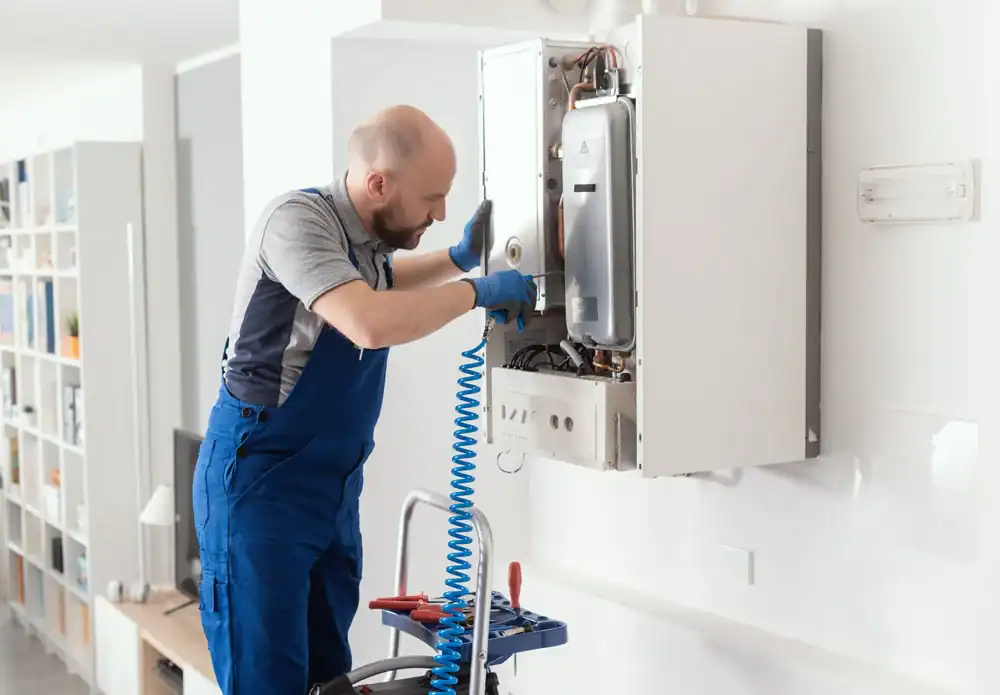
Your boiler quits at the worst time. Middle of the night. Coldest week of January. Frozen pipes already forming in the basement. You need someone who picks up the phone and knows what they’re doing.
That’s what you get here. A licensed plumber who’s seen every boiler problem Middletown throws at us—leaking water around the base, pilot lights that won’t stay lit, radiators stone cold even when the system’s running. We diagnose it fast, explain what’s broken in plain terms, and give you an upfront price before we touch anything.
No waiting three days for a callback. No surprise charges when the job’s done. You get your heat back, your family stays comfortable, and you know exactly what you paid for. That’s how heating repair should work.
AME Plumbing Heating and Cooling is a locally owned company serving Monmouth County. We’re licensed, insured, and we’ve built our reputation on showing up when we say we will and doing the work right the first time.
Middletown winters are brutal. The humid summers and freezing temps put serious stress on heating systems, and when your boiler fails, you need someone local who understands how these systems hold up in New Jersey weather. We work on all major brands—Lennox, Carrier, Trane—and we stock the parts that fail most often so we’re not making you wait days for a circulator pump or control board.
You’re not getting a national chain that doesn’t know your neighborhood. You’re getting a Monmouth County team that treats your home like it matters.

You call 732-217-7551. We answer—even at 2 a.m. We ask a few questions about what’s happening with your boiler so we know what to bring. Then we give you a realistic arrival window and stick to it.
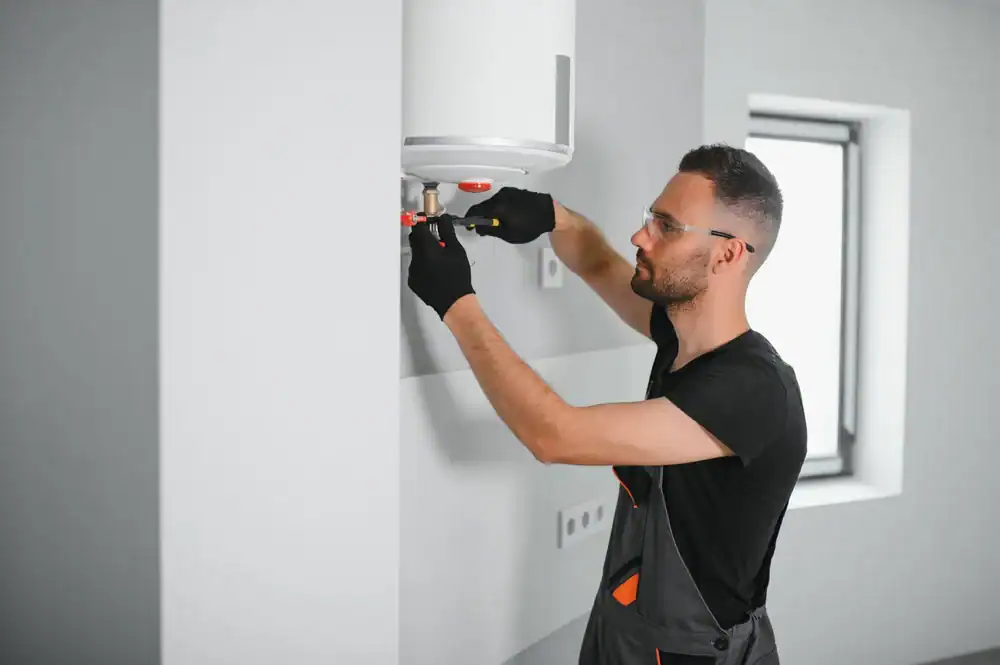
When we show up, we run a full diagnostic. We’re checking the pilot light, testing the igniter, inspecting the heat exchanger for cracks, looking at the circulator pump, and making sure your condensate line isn’t frozen. We find the problem, explain what’s wrong in terms that make sense, and tell you what it’ll cost to fix. No work starts until you approve the price.
Once you’re good with it, we make the repair using quality parts that last. We test the system to make sure it’s heating properly and safely. Before we leave, we walk you through what we did and answer any questions. If something feels off later, you call us back. That’s the process. Straightforward, no games.
Ready to get started?
Boiler repair in Middletown isn’t just about getting your heat back on. It’s about making sure the system runs safely and efficiently so you’re not burning money on high energy bills or risking a carbon monoxide leak.
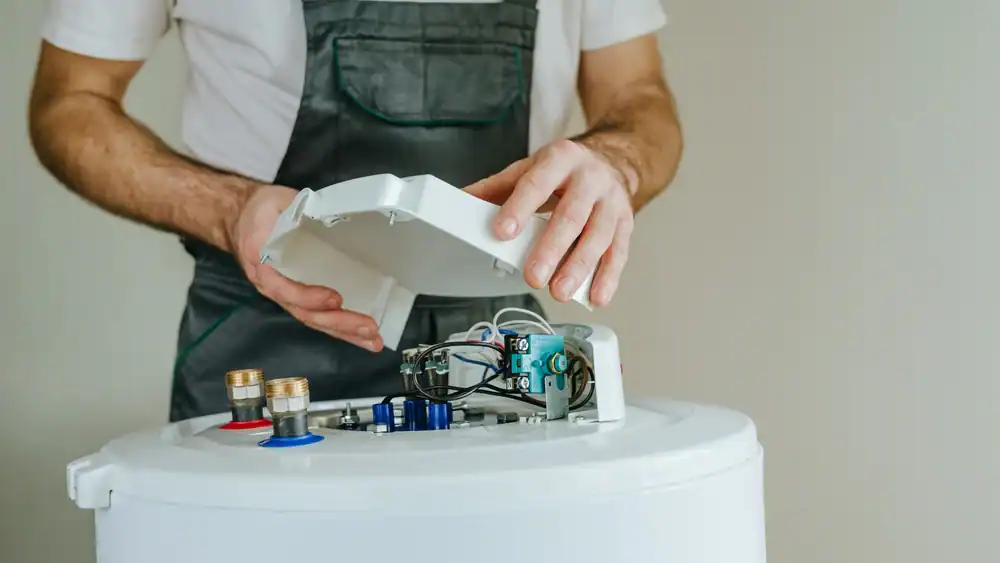
When we service your boiler, we’re looking at the whole system. That means checking for leaks around pipes and valves, testing the pressure relief valve, inspecting the flue for blockages, and making sure combustion is clean. A yellow or flickering flame means incomplete combustion—that’s dangerous and needs immediate attention. We also check your thermostat and zone controls if you’ve got them, because Middletown homes often use zoning to manage heat in larger layouts.
If your boiler’s older than 15 years, we’ll be honest about whether a repair makes sense or if you’re throwing money at a system that’s going to fail again in six months. Most repairs cost between $150 and $800 depending on the part, but if you’re looking at $1,000+ and the unit’s near the end of its life, replacement might be smarter. We’ll give you options and let you decide. And if you qualify for NJ Clean Energy rebates or federal tax credits, we’ll point you in that direction too.
Most boiler repairs in Middletown run between $150 and $800, depending on what’s broken. A simple fix like replacing a faulty thermocouple or resetting a tripped safety switch is on the lower end. More involved repairs—like replacing a circulator pump, control board, or gas valve—can push past $1,000.
Here’s the thing: we give you the price before we start. You’ll know what the repair costs, and you’ll know if there are cheaper or more comprehensive options. If your boiler’s old and the repair is expensive, we’ll tell you whether it makes more sense to replace the unit instead of sinking money into something that’s going to fail again soon.
We also offer financing if the cost is more than you want to pay upfront. And if you’re military or a first responder, you get 10% off. No hidden fees, no surprises when we hand you the invoice.
Frozen condensate pipes are the biggest culprit in New Jersey winters. When that pipe freezes, your boiler shuts down as a safety measure. It’s fixable, but it needs to be thawed carefully and sometimes insulated better to prevent it from happening again.
The other common failures are igniters that wear out, circulator pumps that stop moving water through the system, and pressure issues caused by leaks or faulty expansion tanks. Older boilers also struggle with corroded heat exchangers, which can crack and leak. If you’re seeing water pooling around the base of your boiler, that’s usually a sign of a serious problem that needs immediate attention.
Pilot lights that won’t stay lit or burn yellow instead of blue are another red flag. That can mean a dirty burner, a bad thermocouple, or worse—a ventilation problem that’s letting carbon monoxide build up. Don’t mess around with that. Call someone who knows what they’re doing.
If your boiler is less than 10 years old and the repair is under $500, fixing it usually makes sense. If it’s over 15 years old and you’re looking at a repair that costs more than half of what a new unit would cost, replacement is probably the smarter move.
Here’s why: older boilers are less efficient. They cost more to run every month, and they’re more likely to break down again. A new high-efficiency boiler can cut your heating bills significantly, especially with energy costs climbing. Plus, if you replace it now, you might qualify for rebates through the NJ Clean Energy Program—up to $1,500—and federal tax credits up to $600.
We’ll walk you through the math. If replacing makes sense, we’ll explain your options. If the repair buys you a few more good years, we’ll tell you that too. We’re not here to sell you something you don’t need. We’re here to give you the information so you can make the right call for your situation.
Yes. You can call 732-217-7551 any time—middle of the night, weekend, holiday—and we’ll answer. If your heat’s out and it’s 20 degrees outside, that’s an emergency. We treat it like one.
We keep common parts in stock so we’re not making you wait days for a replacement circulator pump or igniter to get shipped. Most emergency calls get handled the same day, and we give you a realistic arrival window so you’re not sitting around wondering when we’ll show up.
Emergency rates apply for after-hours calls, and we’ll let you know what that is upfront. But if your boiler’s down in the middle of winter and your pipes are at risk of freezing, waiting until Monday morning isn’t an option. We get that, and we’re set up to handle it.
If you see water pooling around the base of your boiler, you’ve got a leak. It could be coming from a valve, a pump seal, a corroded pipe, or a cracked heat exchanger. Don’t ignore it. Even a small leak can cause serious damage to your home and make your boiler unsafe to run.
First, check your boiler’s pressure gauge. If it’s dropping, that confirms a leak somewhere in the system. Look for wet spots on pipes, valves, and connections. If the leak is coming from the heat exchanger itself, that’s a major problem—heat exchangers can’t be patched, and replacement usually isn’t worth it on an older unit.
Turn off your boiler if the leak is active and call us. We’ll track down where it’s coming from, tell you what needs to be fixed, and get it handled. Leaking boilers aren’t something you wait on. The longer it leaks, the worse the damage gets.
A boiler heats water and sends it through pipes to radiators or baseboard heaters. A furnace heats air and blows it through ducts. They’re completely different systems, even though people sometimes use the terms interchangeably.
Boilers are common in older Middletown homes, especially ones built before forced-air systems became standard. They’re quieter than furnaces, they don’t blow dust around, and they provide even, consistent heat. But when they break, the repairs are different. You’re dealing with water pressure, pumps, and valves instead of blowers and ductwork.
If you’re not sure what you have, look at how your home gets heat. If you’ve got radiators or baseboard heaters, you’ve got a boiler. If you’ve got vents in the floor or ceiling, that’s a furnace. Either way, we work on both. Just tell us what’s going on and we’ll take it from there.