Reviews
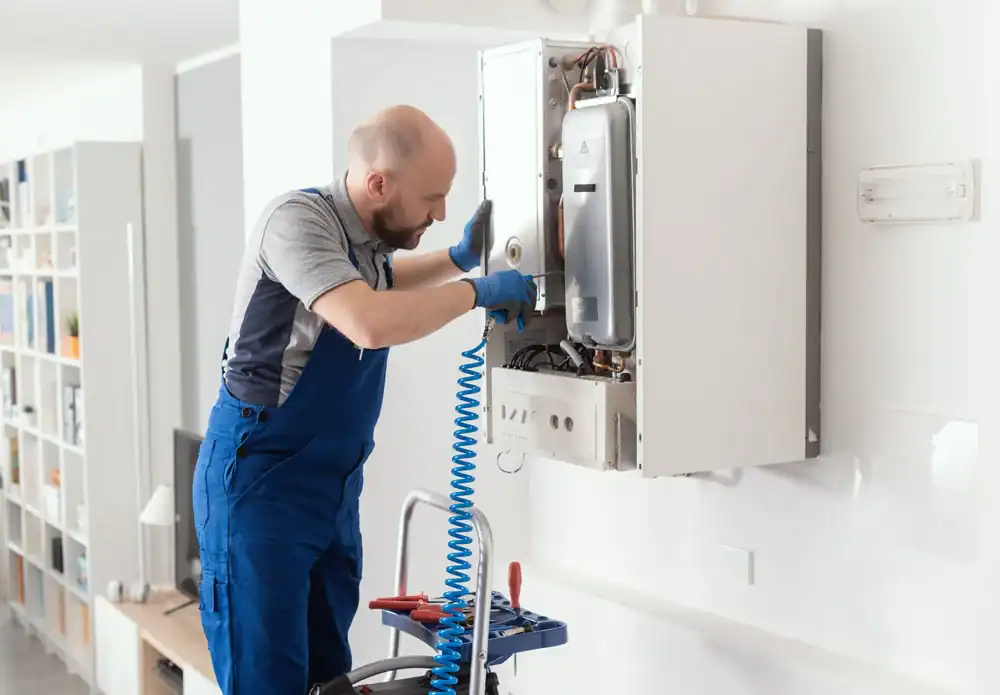
You wake up warm. Your energy bills stop climbing. Your family doesn’t huddle around space heaters wondering when the heat will kick back on.
That’s what a properly functioning boiler does. It runs quietly in the background, keeps every room at the temperature you set, and doesn’t surprise you with breakdowns on the coldest night of the year.
When your boiler starts making strange noises, leaking water, or cycling on and off too quickly, those are early warnings. Catching them now means avoiding the midnight emergency call when temperatures drop into the teens. It also means your heating system lasts longer and costs less to run month after month.
Most boiler problems in Marlboro homes start small. A minor leak. Inconsistent pressure. Rooms that won’t heat evenly. Left alone, these turn into complete system failures that cost thousands to fix. Addressed early by someone who knows what they’re looking at, you’re talking about a few hundred dollars and a couple hours of work.
AME Plumbing Heating and Cooling operates out of Monmouth County. Our technicians are licensed, insured, and familiar with the heating systems common in Marlboro homes—older cast iron boilers, newer high-efficiency models, and everything in between.
We don’t dispatch someone who’s never seen your type of system before. Our team has worked on boilers throughout Monmouth and Ocean Counties long enough to diagnose problems quickly and fix them right the first time.
You get upfront pricing before any work starts. No hidden fees, no surprise charges after the job’s done. If it’s 2 a.m. and your heat just quit, we’re available. If it’s a weekday afternoon and you want to schedule preventive maintenance, we’ll work around your schedule.

First, you describe what’s happening with your boiler. No heat, strange sounds, water pooling underneath—whatever you’re seeing. We’ll ask a few questions to understand the urgency and give you a realistic timeframe for when we can get there.
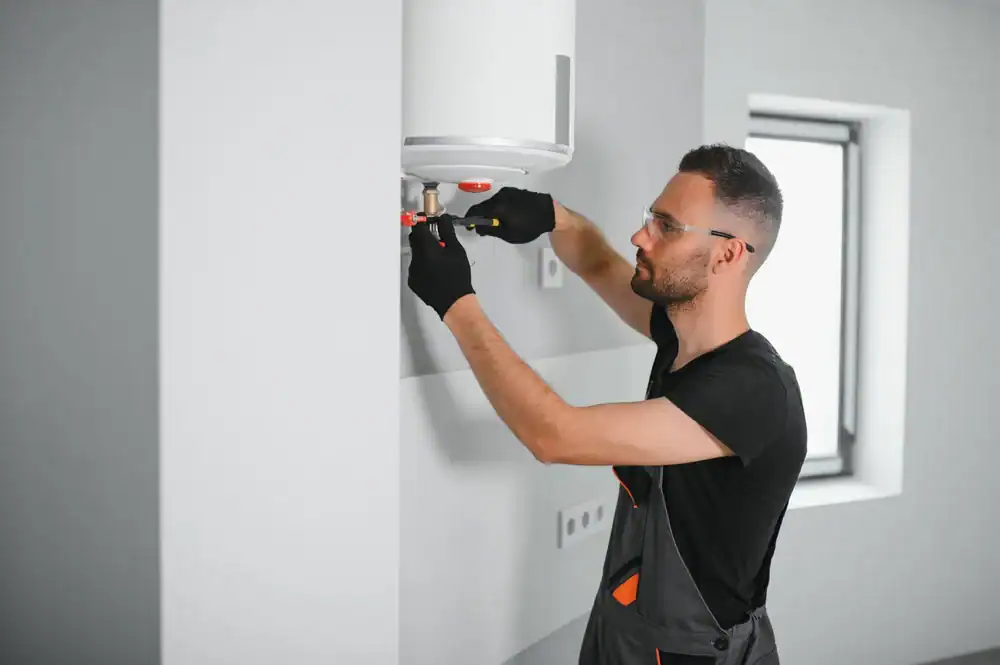
When our technician arrives, they’ll inspect your system to identify the problem. That includes checking pressure levels, examining the heat exchanger, testing the thermostat connection, and looking for leaks or worn components. You’ll get a clear explanation of what’s wrong and what it’ll take to fix it.
Before any repair work begins, you’ll see the cost in writing. If it’s a minor fix, we’ll handle it on the spot. If you’re looking at a major component replacement or a system that’s beyond economical repair, we’ll walk through your options so you can make an informed decision.
Once the repair is complete, we test the system to make sure it’s heating properly and operating safely. We clean up our work area, answer any questions you have about maintenance or warning signs to watch for, and make sure you’re comfortable with how everything’s running before we leave.
Ready to get started?
Our boiler repair service covers everything from diagnosing why your system won’t fire up to replacing failed components like circulators, pressure relief valves, and expansion tanks. If your boiler is leaking water, we’ll locate the source and determine whether it’s a simple gasket replacement or something more involved.
Marlboro’s winters put real stress on heating systems. When temperatures drop below freezing for days at a time, boilers that haven’t been maintained start showing their age. We see a lot of pressure problems, thermostat failures, and pilot light issues during cold snaps—all fixable if caught early.
Preventive maintenance is part of what we offer too. An annual boiler inspection catches small problems before they become expensive emergencies. We’ll check your system’s efficiency, clean components that affect performance, and make sure everything meets New Jersey’s safety codes. That $200 service call can save you from a $5,000 midnight repair when your system fails in January.
If your boiler is over 15 years old and needs frequent repairs, we’ll have an honest conversation about whether fixing it again makes financial sense or if replacement is the smarter move. We’re not here to sell you something you don’t need, but we will tell you when you’re throwing money at a system that’s reached the end of its useful life.
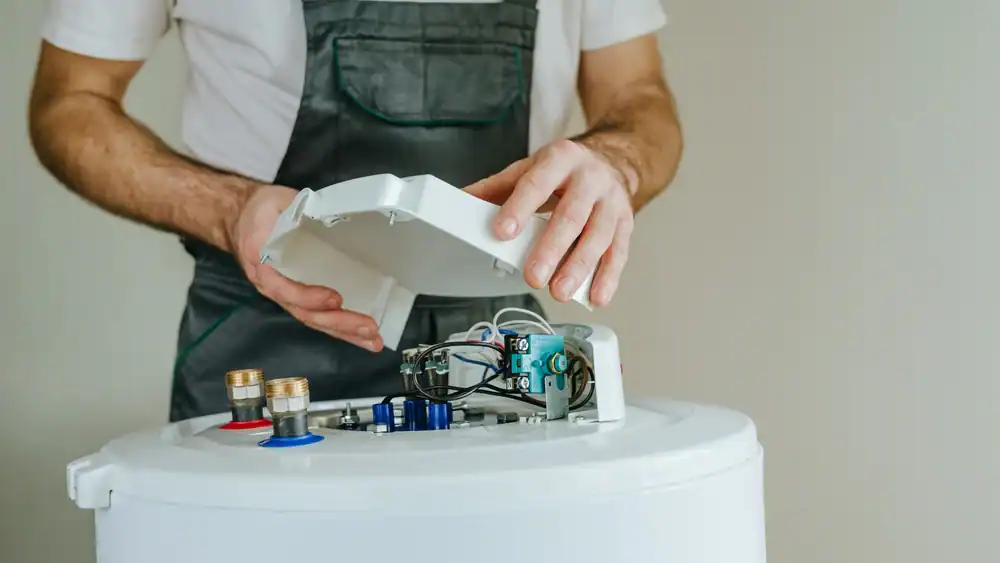
Most boiler repairs in Marlboro run between $150 and $800, depending on what’s broken. A thermostat replacement or pressure valve fix sits on the lower end. A circulator pump or heat exchanger repair costs more.
If your boiler needs a major component like a new burner assembly or control board, you could be looking at over $1,000. That’s when age matters—if your system is 15 or 20 years old, putting $1,500 into repairs might not make sense when a new high-efficiency boiler costs $4,000 to $6,000 installed and will last another 15 years.
We give you the price before starting work. No surprises, no inflated emergency rates. If it’s a middle-of-the-night call, you’ll know what that costs upfront too.
No heat is the obvious one, but most boilers give you warning signs before they quit completely. Strange noises—banging, whistling, or gurgling—usually mean there’s air in the system, a failing pump, or sediment buildup.
If some rooms heat fine while others stay cold, that’s a circulation problem. Could be a stuck zone valve or a weak circulator. If your boiler keeps shutting off and restarting, that’s called short cycling, and it’s often caused by a bad thermostat, low water pressure, or a clogged filter.
Water pooling around the base of your boiler means you’ve got a leak. Sometimes it’s just a loose fitting. Other times it’s a corroded pipe or a failing pressure relief valve. Either way, it needs attention before it turns into a bigger problem or causes water damage to your basement.
Simple repairs take an hour or two. Replacing a thermostat, adjusting pressure, or fixing a minor leak usually gets done in one visit. More involved repairs—like replacing a circulator pump or zone valve—might take three to four hours.
If we need to order a part that’s not on the truck, you’re looking at a return visit once it arrives. We’ll do what we can to get your heat running in the meantime, even if it’s a temporary fix until the right part comes in.
Emergency calls in the middle of winter get priority. If your heat’s out and it’s 20 degrees outside, we’re not making you wait two days. We’ll get someone there as fast as we can, usually within a few hours.
If your boiler is under 10 years old and the repair costs less than a third of what a new system would cost, repair usually makes sense. If it’s over 15 years old and you’re facing a major repair, replacement is worth considering.
Older boilers are less efficient. If yours is running at 70% efficiency and your heating bills keep climbing, a new high-efficiency model could cut your energy costs by 20% to 30%. That savings adds up over time.
Frequent repairs are another sign. If you’re calling for service twice a year and putting $500 to $1,000 into an aging system annually, you’re better off investing that money in a new boiler that won’t need constant attention. We’ll walk you through the math so you can see what makes more financial sense for your situation.
Yes. We’re available 24/7 for heating emergencies. If your boiler quits at 3 a.m. on a Saturday in January, you can call us and get a technician dispatched.
Emergency calls cost more than scheduled service—that’s standard across the industry because you’re paying for immediate availability and after-hours labor. We’ll tell you what the emergency rate is when you call so there’s no confusion.
Most emergency calls involve no heat, major leaks, or gas odors near the boiler. If you smell gas, leave the house immediately and call your gas company first, then call us. We’ll coordinate with them to make sure everything’s safe before we start repairs.
Once a year, ideally in the fall before heating season starts. An annual inspection catches problems while they’re still small and keeps your system running efficiently all winter.
During a maintenance visit, we’ll check water pressure, test safety controls, inspect the heat exchanger for cracks, clean the burner assembly, and make sure all electrical connections are solid. We’ll also look for early signs of corrosion or wear that could turn into failures later.
Regular maintenance extends your boiler’s lifespan and reduces the chance of a breakdown during the coldest weeks of winter. It also keeps your system running at peak efficiency, which lowers your heating costs. Most manufacturers require annual maintenance to keep warranties valid, so skipping it can cost you coverage if something major fails.