Reviews
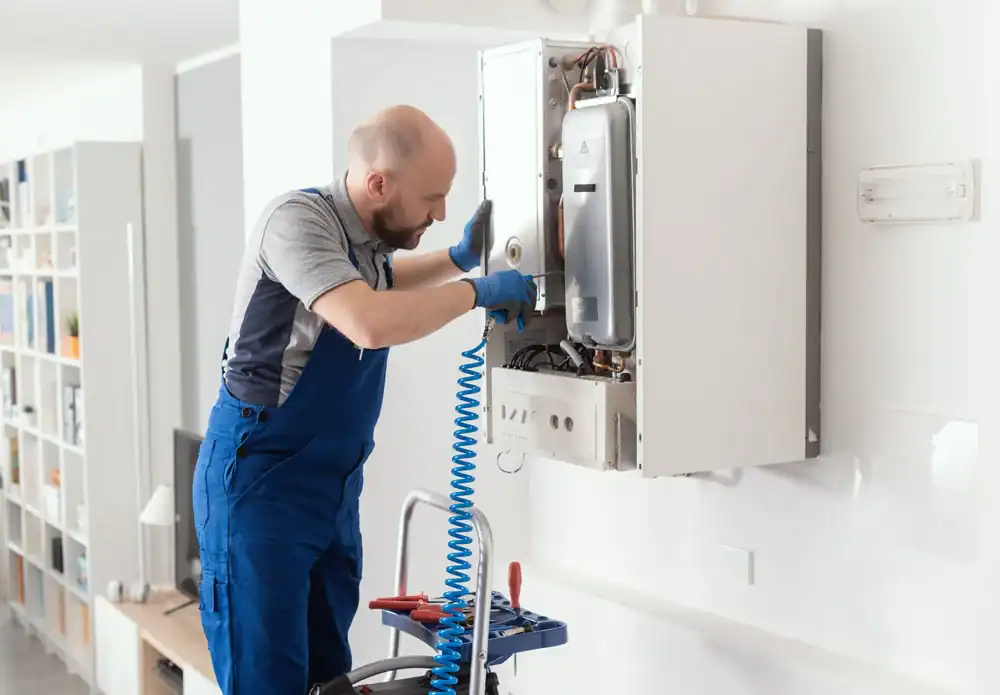
You stop waking up to a freezing house. No more layering blankets at night or worrying about frozen pipes while you’re scrambling to find someone who’ll actually show up.
When your boiler’s running right, your mornings are warm, your water’s hot, and you’re not burning money on a system that’s working twice as hard to do half the job. You get consistent heat in every room, lower energy bills, and the confidence that comes from knowing a licensed plumber who understands coastal conditions looked at your system and fixed it correctly.
That’s what boiler service should do. Not just patch the problem until next month, but actually solve it so you can stop thinking about your heating and get back to your life.
AME Plumbing Heating and Cooling is a family-owned company based right here in Monmouth County. We’ve spent over a decade working on boilers in homes from Main Street to the beach blocks, so we know what salt air and coastal humidity do to heating systems.
Our technicians are licensed and insured, which means you’re protected and the work gets done to code. We’re not a national chain that sends whoever’s available. You get experienced local plumbers who live in the area and understand how homes here are built.
We’re available 24/7 for emergencies because boilers don’t wait for business hours. When your heat goes out in January, you need someone who answers the phone and shows up ready to fix it.

First, you call or contact us and we schedule a time that works for you. If it’s an emergency and your boiler is leaking water or you have no heat, we come out the same day.
When we arrive, our technician runs a full diagnostic to figure out what’s actually wrong. Not just the obvious symptom, but the root cause. We check your pressure, inspect the heat exchanger, test the thermostat, and look for any signs of wear or damage that coastal conditions tend to cause.
Then we explain what we found in plain language. No jargon, no upselling. We give you your options with upfront pricing so you can make an informed decision. Most of the time, we have the parts on our trucks and finish the repair that same visit.
After the repair, we test the system to make sure everything’s running safely and efficiently. You get heat back, and we make sure you understand what was fixed and how to prevent the same issue down the road.
Ready to get started?
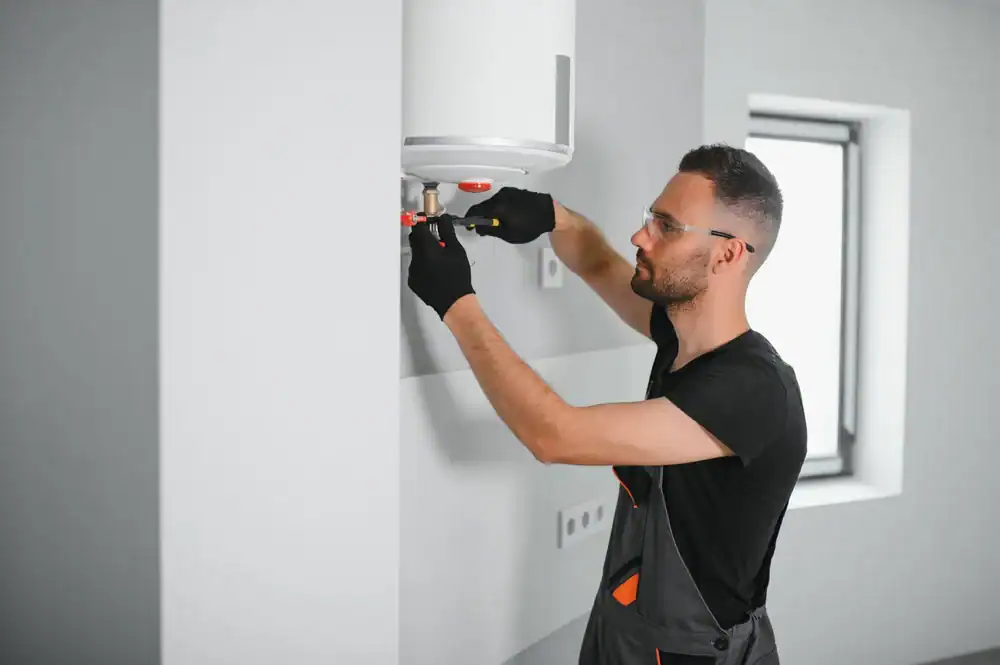
You get a licensed technician who shows up on time and knows how to work on your specific boiler type, whether it’s a newer high-efficiency model or an older cast iron unit in one of Manasquan’s historic homes near the river.
We handle everything from minor fixes like faulty thermostats and pressure issues to major problems like cracked heat exchangers, leaking pipes, and complete system failures. If your boiler is making strange noises, not heating evenly, or cycling on and off constantly, we diagnose the real problem instead of guessing.
Living by the coast means your boiler works harder. Salt air corrodes components faster, humidity affects electrical connections, and temperature swings between beach breezes and winter freezes put extra stress on your system. Our technicians account for all of that when they inspect and repair your heating.
You also get transparent pricing before any work starts, so there are no surprise charges when the job’s done. And if you’re military or a first responder, we offer a 10% discount because we believe in taking care of the people who take care of this community.
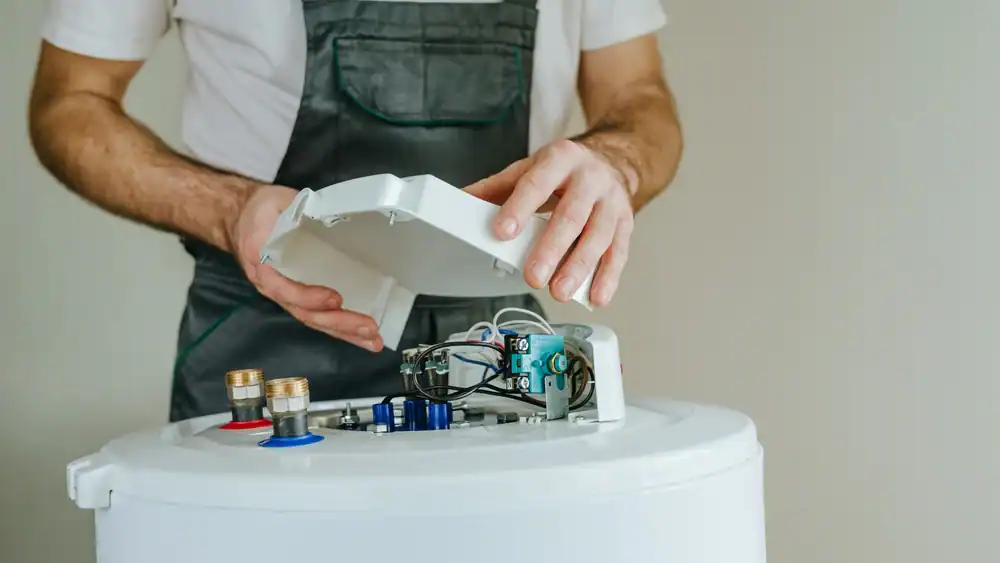
Most boiler repairs in New Jersey run between $89 and $1,500, with the average landing around $450. The actual cost depends on what’s broken and how hard it is to fix.
A simple thermostat replacement or pressure adjustment might cost under $200. But if you need a new circulator pump, gas valve, or heat exchanger, you’re looking at more. We give you upfront pricing after we diagnose the issue, so you know exactly what you’re paying before we start the work.
Here’s a good rule: if the repair costs more than half of what a new boiler would cost, and your system is over 15 years old, replacement usually makes more financial sense. We’ll walk you through both options honestly so you can decide what’s right for your home and budget.
The most common issue we see is low water pressure, which causes the boiler to shut down as a safety measure. This can happen from a small leak you haven’t noticed yet or a faulty pressure relief valve.
Thermostat problems are another big one. If your thermostat isn’t communicating with the boiler correctly, your system won’t know when to turn on. Sometimes it’s as simple as dead batteries or a tripped breaker, but other times the wiring or the thermostat itself needs replacing.
Ignition failures, clogged filters, and broken pumps round out the top causes. In coastal areas like Manasquan, we also see corrosion from salt air affecting pipes and connections faster than you’d see inland. Regular maintenance catches most of these issues before they leave you without heat, but when something does break, it usually shows up as either no heat at all or heat that’s inconsistent from room to room.
If your boiler is under 10 years old and the repair costs less than half of a replacement, fixing it usually makes sense. But if you’re looking at a $3,500 repair on a 20-year-old system, you’re better off replacing it.
Age matters more than most people realize. Boilers typically last 15 to 20 years, and once they hit that range, repairs become more frequent and parts get harder to find. You also lose efficiency as the system ages, which means you’re paying more every month to heat your home.
New high-efficiency boilers can cut your heating bills by 40% or more, which means the system essentially pays for itself over time. We’ll never push you toward a replacement if a repair makes more sense, but we will give you the honest math so you can make the right call for your situation. And if replacement is the way to go, we handle the entire installation from permits to cleanup.
Yes. We’re available 24/7 for heating emergencies, which means if your boiler fails at 2 a.m. on a Saturday in January, you can call us and we’ll come out.
We know that losing heat in winter isn’t just uncomfortable, it’s dangerous. Frozen pipes can burst and cause thousands in water damage. Elderly family members and young kids are especially vulnerable to cold temperatures. That’s why we keep our emergency line open around the clock and stock common parts on our trucks so we can complete most repairs the same day.
Emergency service does come with a premium compared to scheduled appointments, but we’re upfront about pricing before we start any work. And honestly, most people find that the cost is worth it when the alternative is spending the night in a freezing house or paying for a hotel while they wait for a regular appointment.
The most obvious sign is water pooling around the base of your boiler or dripping from pipes and connections. Even a small puddle means something’s wrong and needs attention before it gets worse.
You might also notice your boiler losing pressure more frequently than usual, which shows up on the pressure gauge. If you’re constantly having to add water to keep the system running, there’s a leak somewhere even if you can’t see it yet. Sometimes leaks hide behind walls or under floors, and the only clue is that pressure drop.
Other signs include rust or corrosion on the boiler itself, damp spots on nearby walls or ceilings, or a sudden spike in your water bill. If you see or suspect a leak, shut off the water supply to the boiler and call us right away. A small leak today can become a major flood tomorrow, especially with the temperature swings and humidity we get near the coast.
You should have your boiler inspected and serviced once a year, ideally in the fall before you start relying on it daily. Annual maintenance catches small problems before they turn into expensive breakdowns in the middle of winter.
During a service visit, we clean the system, check all the safety controls, test the pressure, inspect for leaks, and make sure everything’s running efficiently. This kind of preventive care extends the life of your boiler and keeps your energy bills lower because the system doesn’t have to work as hard.
In Manasquan, where salt air and coastal humidity accelerate wear and tear, annual service is even more important. Corrosion happens faster here than it does inland, and catching it early can save you from a major repair or premature replacement. Think of it like changing the oil in your car—skip it long enough and you’ll pay for it later.