Reviews
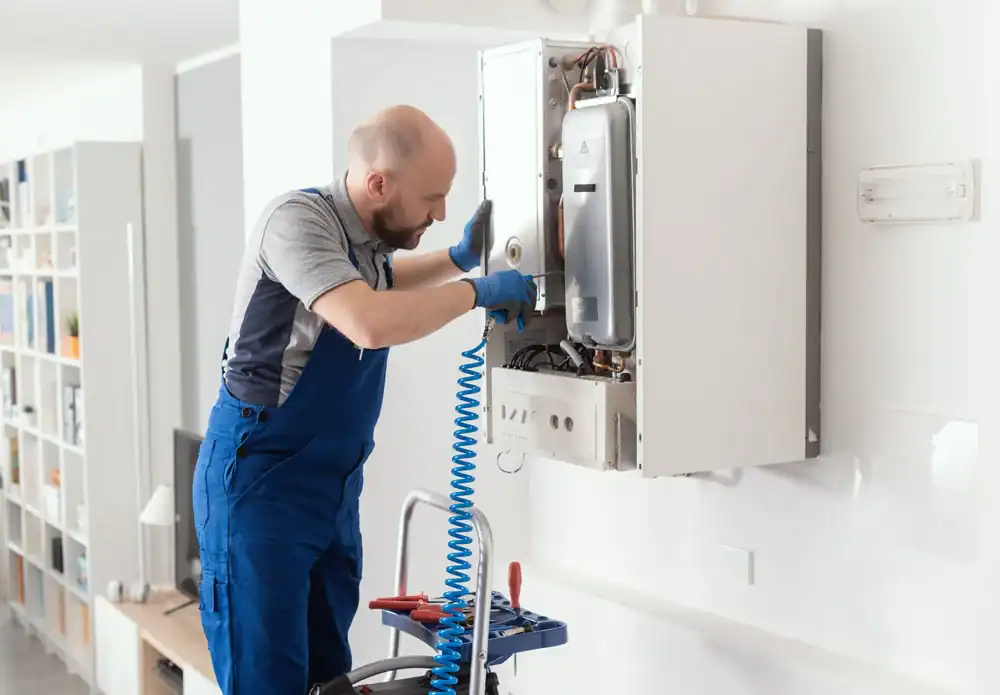
Your boiler quits at the worst possible time. It’s 2 a.m., the temperature’s dropping, and you’re trying to figure out if that banging noise means you’re about to have a bigger problem on your hands.
Here’s what happens when you call us. You get someone who answers the phone—not a voicemail. You get a licensed plumber who shows up when they say they will, diagnoses the actual problem, and tells you exactly what it costs before any work starts. No hidden fees waiting for you at the end.
Then your heat comes back on. Your family stops shivering. And you’re not wondering if this repair will last through the winter or fail again next week.
That’s the difference between emergency boiler service that actually helps and the kind that leaves you waiting in the cold. With natural gas bills up 16% this year and a colder winter expected across New Jersey, your boiler needs to work when you need it most.
AME Plumbing Heating and Cooling is a locally owned company based right here in Monmouth County. We’re licensed, insured, and we’ve seen every boiler problem you can imagine—and plenty you probably haven’t.
We know Lincroft homes. Many properties in this area have older boiler systems that need someone who understands how they work, not just someone reading a manual for the first time. Our technicians have handled everything from pilot light issues to full system failures during winter storms.
You’re not getting a national chain that treats your home like a number. You’re getting a local team that knows what it’s like when heating costs are climbing and you can’t afford to waste money on repairs that don’t last.

First, you call us and talk to a real person. We ask what’s going on with your boiler—no heat, strange noises, leaking water, whatever the issue is. If it’s an emergency, we prioritize getting someone to your home fast.
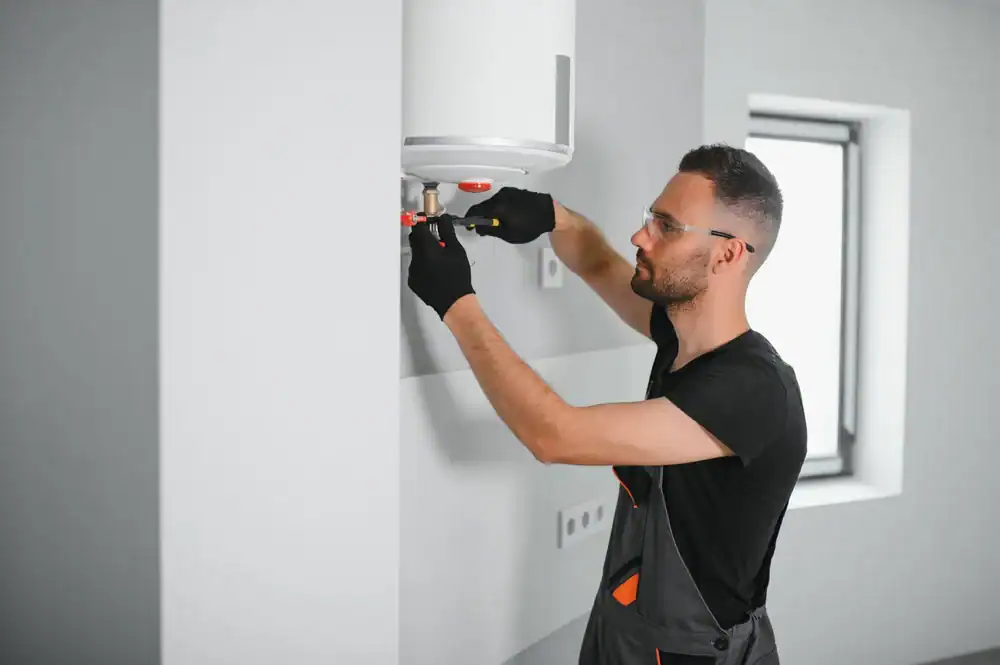
When our technician arrives, they run a full diagnostic. That means checking your pressure, inspecting the heat exchanger, testing the pilot light or ignition system, and looking for leaks or corrosion. We’re not guessing. We’re finding the actual problem.
Then we explain what’s wrong in plain language. You’ll know what needs to be fixed, why it needs to be fixed, and what it costs before we touch anything. If you have options—repair vs replace, different parts, whatever makes sense—we walk through those with you.
Once you approve the work, we fix it. We test the system to make sure it’s running properly, show you it’s working, and answer any questions you have. You get upfront pricing, no surprises, and your heat back on.
Ready to get started?
Boilers fail in predictable ways, especially during New Jersey winters. You might have no heat at all because your pilot light went out or your ignition system failed. You might hear banging, whistling, or gurgling noises that tell you something’s wrong with water flow or pressure. Maybe your boiler turns on but doesn’t heat your home evenly, or it’s leaking water onto your basement floor.
We handle all of it. Pressure problems, thermostat issues, circulator pump failures, zone valve replacements, and leaking pipes. If your boiler is short cycling—turning on and off constantly—that’s usually a pressure issue or a failing part that’s driving up your energy bills.
Here in Monmouth County, we’re seeing more emergency calls this winter because heating costs are up and people are running their systems harder to stay comfortable. That puts extra stress on older boilers. The good news is most problems are fixable if you catch them early. The longer you wait, the more expensive it gets.
We also offer preventive maintenance to keep your boiler running efficiently and avoid breakdowns during the coldest weeks. Regular service catches small issues before they turn into expensive emergencies at 3 a.m.
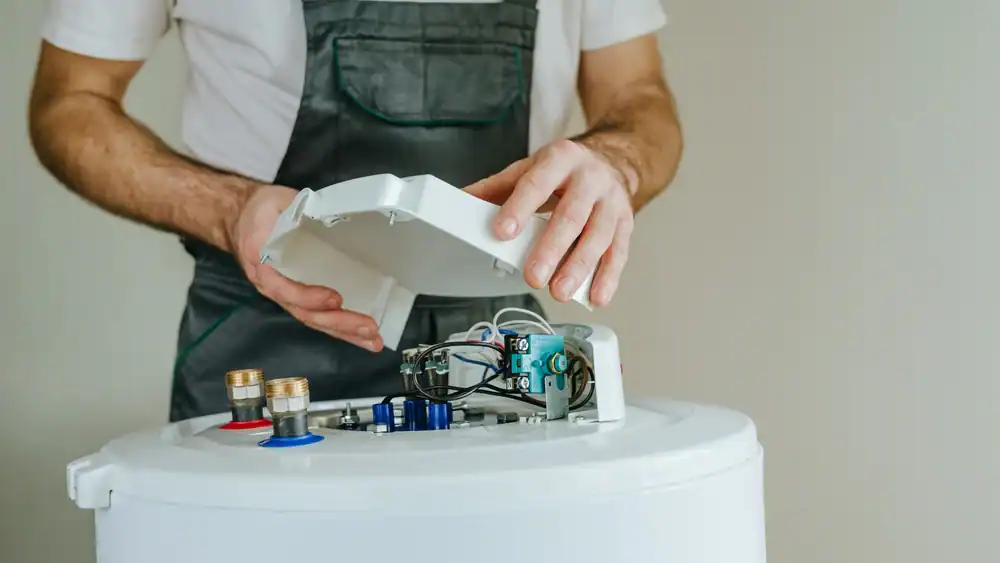
Most boiler repairs in New Jersey run between $150 and $800, depending on what’s broken. Simple fixes like relighting a pilot light or replacing a thermostat are on the lower end. Bigger jobs like replacing a circulator pump, zone valve, or pressure relief valve cost more.
If a major component like the heat exchanger is failing, you’re looking at over $1,000—and at that point, we’ll have an honest conversation about whether repair or replacement makes more sense for your situation. We give you upfront pricing before we start any work, so you know exactly what you’re paying.
The real cost isn’t just the repair itself. It’s what happens if you don’t fix it. A small leak can turn into water damage. A pressure issue can cause a complete system failure. And with gas bills up 16% this year, an inefficient boiler is costing you more every month.
The most common issue we see is pilot light or ignition failure. If your pilot light keeps going out, it’s usually a faulty thermocouple or a draft issue. Newer boilers with electronic ignition can have sensor problems that prevent startup.
Low pressure is another big one. Boilers need proper water pressure to function, and if pressure drops too low, the system shuts down as a safety measure. That can happen because of a leak, a faulty pressure relief valve, or air in the lines.
You’ll also see circulator pump failures, especially in older systems. The pump moves hot water through your radiators or baseboard heaters, and when it fails, you get no heat even though the boiler is running. Thermostat issues, frozen pipes, and blocked vents round out the most frequent service calls we get in Lincroft during winter.
If your boiler is under 10 years old and the repair costs less than a third of what a new boiler would cost, repair usually makes sense. If it’s over 15 years old, breaking down frequently, or needs a major component replaced, replacement is often the smarter move.
Here’s why. Older boilers are less efficient, which means you’re paying more to heat your home every month. With energy costs up significantly this year, an inefficient boiler is draining your budget. Newer systems are more reliable, heat more evenly, and can lower your monthly bills enough to offset the upfront investment over time.
We’re not going to push you toward a replacement if a repair will get you through the winter. But we will give you the information you need to make the right call for your home and your budget. If replacement makes sense, we offer financing options to make it manageable.
Banging noises—sometimes called “kettling”—usually mean sediment has built up on your heat exchanger. When water gets trapped under that sediment, it overheats and creates steam bubbles that collapse loudly. It sounds worse than it is, but it does mean your boiler is working harder than it should and losing efficiency.
Whistling or high-pitched sounds often point to air trapped in the system or a problem with water flow. It could be a partially closed valve, a blockage in the pipes, or a failing pump. Sometimes it’s as simple as bleeding the radiators to release trapped air.
Gurgling sounds are similar—they usually mean air in the lines or low water pressure. These noises are your boiler telling you something’s not right. Ignoring them won’t make them go away, and the underlying problem will get worse. We can diagnose the exact cause and fix it before it turns into a bigger issue.
Yes. Boilers don’t wait for business hours to break down, and neither do we. If your heat goes out at 2 a.m. on a Sunday, you can call us and get help.
Emergency service means we prioritize your call and get a licensed technician to your home as quickly as possible. We carry common parts on our trucks, so many repairs can be completed the same visit without waiting for parts to arrive. You’re not sitting in the cold for days hoping someone shows up.
We also offer upfront pricing even on emergency calls. You’ll know what the repair costs before we start, so there are no surprises on your bill. And if you’re military or a first responder, you get 10% off. We’re available 24/7 because we know how critical heat is during a New Jersey winter—especially this year with colder temperatures expected and energy costs at record highs.
Regular maintenance is the best way to avoid emergency repairs. That means having a licensed technician inspect and service your boiler at least once a year, ideally before winter starts. During a maintenance visit, we check pressure levels, test safety controls, inspect the heat exchanger for cracks or corrosion, clean components, and make sure everything is running efficiently.
We also bleed radiators to remove trapped air, check for leaks, and test the thermostat to ensure it’s communicating properly with your boiler. Small issues like a worn-out seal or a sensor that’s starting to fail get caught early, before they cause a breakdown in the middle of January.
Beyond professional maintenance, you can keep an eye on your pressure gauge. If it’s consistently low or fluctuating, that’s a sign something’s wrong. Listen for unusual noises. Check for leaks around the boiler and pipes. And if your energy bills suddenly spike without explanation, your boiler might be losing efficiency. Catching problems early saves you money and keeps your home warm when you need it most.