Reviews
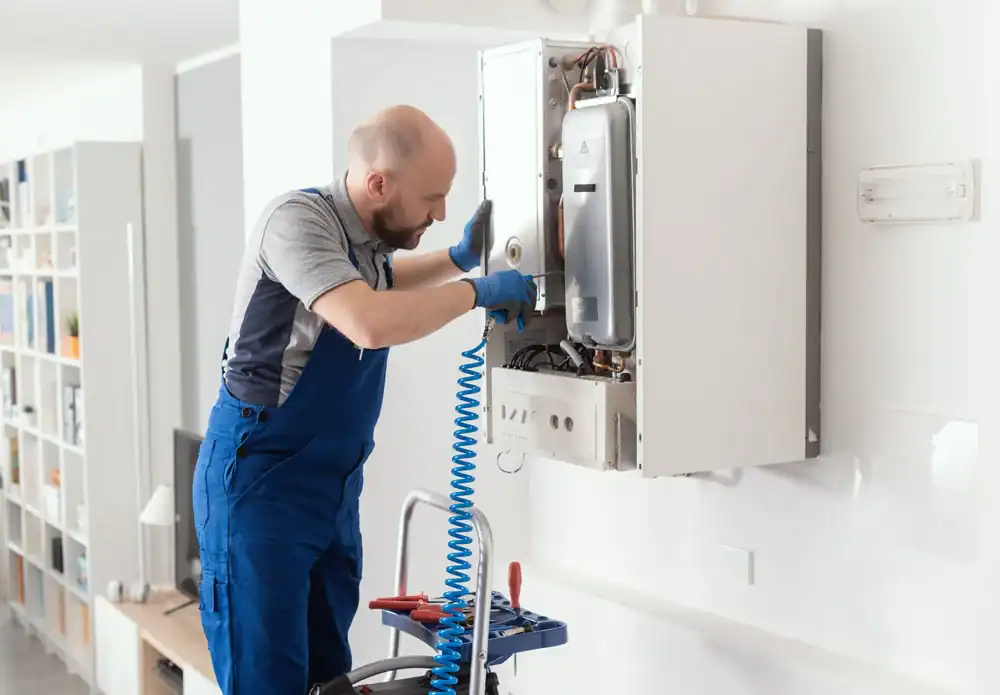
You’re not looking for a lecture on BTUs or a sales pitch on a new system when your house is freezing. You need your boiler working again so your family stays warm and your pipes don’t freeze.
That’s what this comes down to. Fast diagnosis of what’s actually wrong. Honest assessment of whether it’s a repair or replacement situation. And transparent pricing before any work starts so you’re not hit with surprise charges when the job’s done.
We stock common parts on our trucks because most boiler issues in Lake Como homes fall into predictable categories—leaking water around the base, pressure problems, pilot light failures, or strange banging noises that mean something’s about to give out. When we can fix it same-day, we do. When your system’s 15+ years old and repair costs are pushing half the price of replacement, we’ll tell you that too.
Your heating bill’s already climbing this winter—natural gas up about 1%, electricity up 5% compared to last year. The last thing you need is an inefficient boiler burning money or an emergency repair at $150/hour plus trip fees because you waited too long.
We operate right here in Monmouth County. We’re licensed and insured to work on boilers throughout New Jersey, which matters more than you might think when you’re dealing with gas lines and heating systems that can become safety hazards if someone cuts corners.
Our techs have seen what Lake Como winters do to aging boiler systems. We know which brands hold up and which ones start failing after 10 years. We know the difference between a $200 fix and a $1,700 repair that’s just buying you another year of problems.
We’re available 24/7 for emergencies because boilers don’t break on your schedule. You’ll get upfront pricing before we start work, and we’re not interested in selling you things you don’t need. If your system has another 5 good years and just needs a repair, that’s what we’ll recommend.

First, we actually answer the phone. You tell us what’s happening—no heat, leaking water, weird noises, whatever the issue is. If it’s an emergency, we prioritize getting someone to you fast.
When we arrive, we run a full diagnostic on your system. We’re checking pressure levels, inspecting the heat exchanger, testing the thermostat connection, looking for leaks, and listening for sounds that indicate specific mechanical failures. Most boiler problems have clear causes once you know what to look for.
Then we explain what we found in plain terms. If it’s a failing circulator pump, we tell you what that part does and why it matters. If you’ve got a cracked heat exchanger, we explain why that’s a safety issue and not something you patch up. We give you the repair cost, or if replacement makes more sense, we explain why and what that would run.
You decide what happens next. If you want the repair done, we do it right then if we have the parts. If you need time to think about a replacement, that’s fine too. No pressure, no games. Just clear information so you can make the call that makes sense for your situation and your budget.
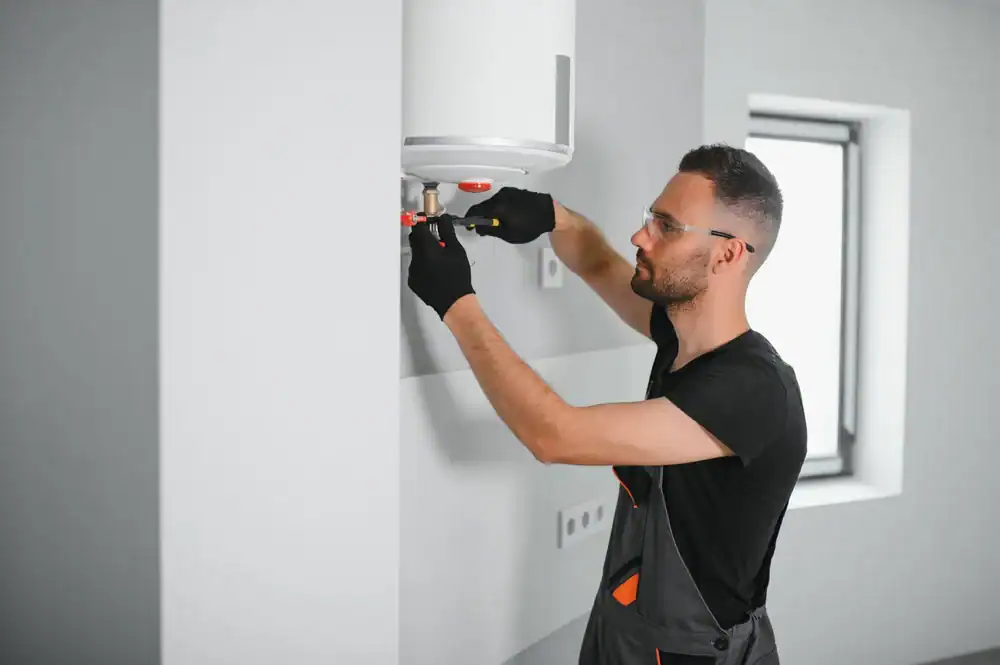
Ready to get started?
We handle the full scope of boiler issues Lake Como homeowners deal with. Leaking water around the base, which usually means a pressure valve problem or a crack in the tank. No heat situations caused by pilot light failures, thermostat issues, or circulation problems. Strange noises like banging or whistling that indicate sediment buildup or pressure irregularities.
We work on gas boilers, oil boilers, and electric systems. We service steam boilers with radiators and hot water boilers with baseboard heating. If your system’s showing uneven heating in different rooms, cycling on and off too quickly, or displaying error codes you don’t understand, we diagnose and fix those issues too.
For Lake Como specifically, we see a lot of older systems that are hitting that 15-year mark where efficiency drops and repairs become more frequent. With heating costs up nearly 8-9% this winter and average bills running close to $1,000, an inefficient boiler isn’t just unreliable—it’s expensive. We can assess whether a high-efficiency replacement with a 95-98% AFUE rating makes financial sense, especially with federal tax credits covering 30% of costs up to $600 and NJ Clean Energy rebates adding another $1,500.
We also offer preventive maintenance plans because regular tune-ups catch small problems before they become middle-of-the-night emergencies. Most breakdowns are preventable if someone’s actually checking your system annually.
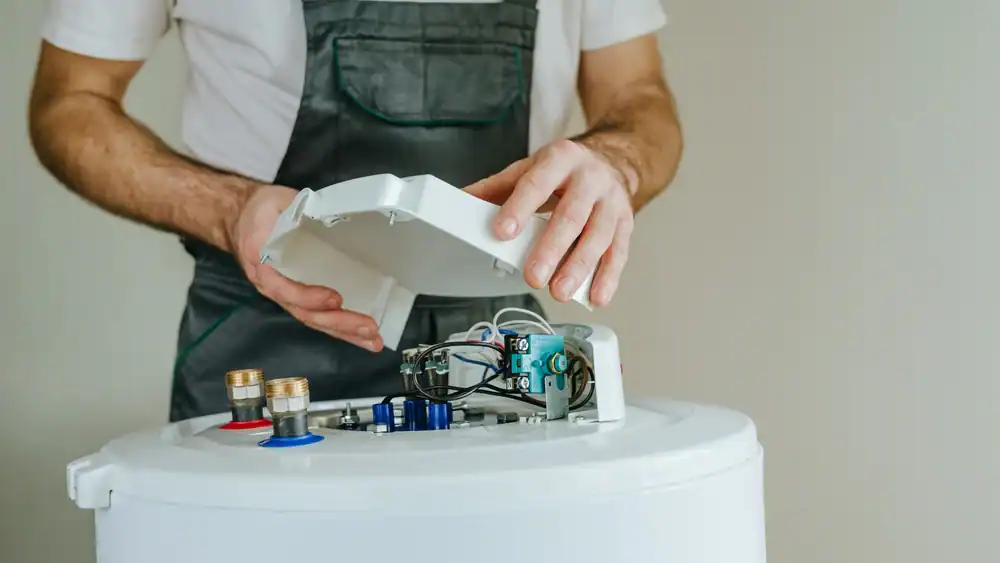
Boiler repairs in this area typically run between $200 and $1,700 depending on what’s broken and whether it’s an emergency call. Simple fixes like replacing a thermostat or pressure relief valve fall on the lower end. More complex repairs like replacing a circulator pump, fixing a zone valve, or addressing a failing heat exchanger cost more.
Emergency rates average around $150 per hour plus a trip fee that can run $100-$350, which is why we give you upfront pricing before starting work. You’ll know the total cost, not just an hourly rate that keeps climbing.
If your boiler’s over 15 years old and the repair quote is hitting $850 or more, replacement often makes more financial sense. A general rule: multiply your boiler’s age by the repair cost. If that number exceeds $5,000, you’re better off replacing it. A 12-year-old boiler needing a $500 repair? That’s $6,000, which suggests replacement. We’ll walk through that math with you so you can make an informed decision.
If your boiler’s under 10 years old and the repair costs less than half of what a new system would run, repair usually makes sense. If it’s over 15 years old, replacement is almost always the better move even if the current repair seems manageable.
Here’s why: older boilers lose efficiency, which means higher heating bills every month. They also start needing more frequent repairs, so you’re paying $400 here, $600 there, and suddenly you’ve spent $3,000 over two years keeping an old system limping along. New high-efficiency boilers with 95-98% AFUE ratings can cut your heating costs significantly, and with federal tax credits and NJ rebates, you’re looking at $2,100+ in savings on the installation.
We’re not trying to sell you a new boiler if your current one has good years left. But we’re also not going to let you dump money into a system that’s going to fail again in six months. We’ll assess your specific situation—age of the unit, repair history, efficiency rating, and current condition—and give you an honest recommendation.
Leaking water is probably the most common call we get, usually caused by pressure valve failures or corrosion in older tanks. If you see water pooling around the base of your boiler, that needs immediate attention before it causes water damage or a complete system failure.
No heat situations are next, especially during cold snaps when systems are running constantly. These are typically caused by pilot light issues, thermostat malfunctions, low water pressure, or circulation pump failures. Sometimes it’s a simple fix like bleeding the radiators or resetting the system. Other times it’s a component that’s worn out and needs replacement.
Strange noises—banging, whistling, or gurgling—usually indicate sediment buildup in the tank, air in the lines, or pressure problems. These aren’t things you ignore because they often get worse and lead to bigger failures. Lake Como’s water quality can contribute to sediment buildup over time, which is why regular maintenance matters. Catching these issues early means cheaper fixes and fewer emergency calls when it’s 15 degrees outside.
Yes, we’re available 24/7 for heating emergencies. When your boiler quits in the middle of a January night and your house is getting colder by the hour, you can’t wait until Monday morning for someone to call you back.
We prioritize emergency calls and stock common parts on our trucks so we can handle most repairs on the spot. That means same-day service in most cases, not a diagnosis visit followed by “we’ll have to order parts and come back next week.”
Emergency rates are higher than standard service calls—that’s industry standard—but we’re upfront about pricing before we start work. You’ll know what the call-out fee is, what the hourly rate is, and what the repair itself will cost. No surprises when we hand you the bill. If your situation can safely wait until regular business hours, we’ll tell you that too. We’re not interested in charging emergency rates for things that aren’t actually emergencies.
Most repairs take between one and three hours once we’ve diagnosed the problem. Simple fixes like replacing a thermostat, pressure relief valve, or igniter are usually done in under an hour. More involved repairs like replacing a circulator pump, fixing zone valves, or addressing expansion tank issues take longer.
If we need to order a specific part that’s not on our truck, we’ll tell you upfront and give you a timeline for when we can return to complete the work. We try to minimize that by stocking the most common failure parts for the boiler brands we see most often in Monmouth County homes.
The diagnostic itself usually takes 30-45 minutes because we’re checking multiple potential failure points. We’re not guessing and replacing parts until something works. We test the system methodically to identify the actual problem, then fix that specific issue. That approach saves you money and gets your heat back on faster than trial-and-error repairs.
Annual maintenance is the baseline. A tech should inspect your boiler every year before heating season starts, checking for worn parts, testing safety controls, cleaning components, and making sure everything’s operating at proper pressure and temperature levels.
That annual check typically includes inspecting the heat exchanger for cracks, testing the pressure relief valve, checking the flue for blockages, lubricating the circulator pump, bleeding air from the system, and verifying that your thermostat is communicating properly with the boiler. These aren’t things most homeowners can or should do themselves because they involve safety systems and gas connections.
Between professional maintenance visits, you should keep an eye on a few things: unusual noises that develop, any water leaking around the unit, rooms that aren’t heating evenly, or your system cycling on and off more frequently than normal. Those are early warning signs that something’s starting to fail. Catching them early means a $300 repair instead of a $1,500 emergency fix or a complete system replacement. With heating costs climbing this winter, the last thing you need is an inefficient or failing boiler driving your bills even higher.