
Reviews
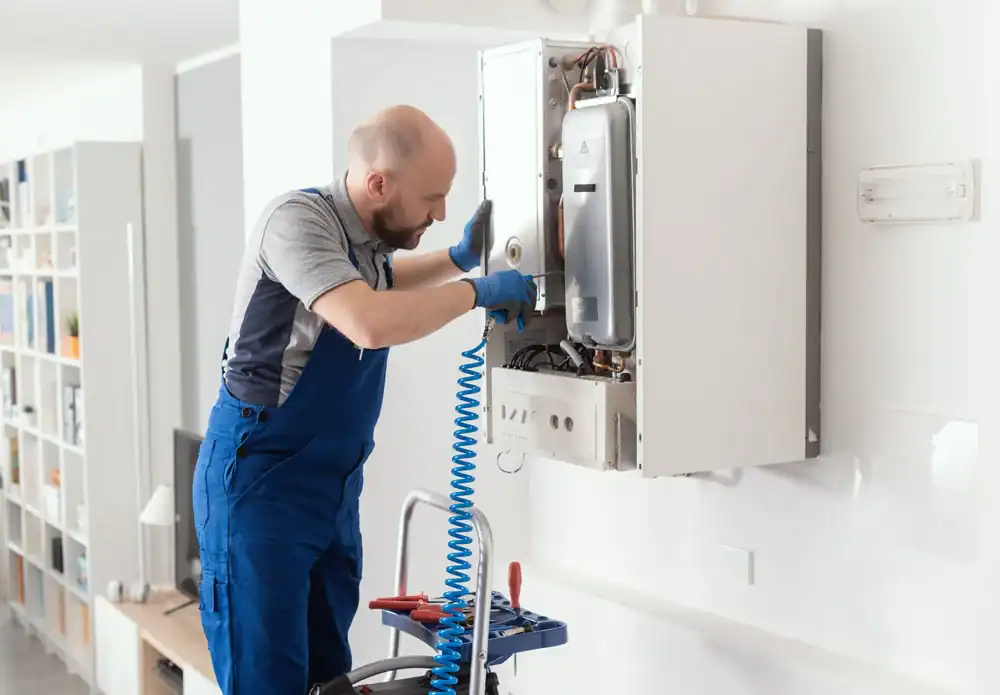
You wake up, the house is warm, and you’re not wondering if today’s the day your boiler finally gives out. That’s what happens when your heating system actually works the way it should.
When your boiler’s running right, you’re not hearing banging pipes at 2 a.m. or watching your energy bills climb every month. You’re not calling around for emergency service or worrying about frozen pipes when temperatures drop to 27°F in January.
You get consistent heat in every room. Your hot water works when you need it. Your system runs quietly in the background, and you can focus on literally anything else. That’s the difference between a boiler that’s limping along and one that’s been properly repaired by someone who knows what they’re doing.
We’ve been handling boiler repairs and heating service across Monmouth County for years. We’re licensed, insured, and based right here in the area, so we know exactly what Keyport winters do to heating systems.
Your boiler isn’t just another job to us. We’ve seen what happens when homeowners in older housing stock—median build year around 1960—try to stretch a failing system through one more winter. It doesn’t end well.
We show up with the tools, the parts, and the experience to diagnose the problem correctly the first time. No guessing. No upselling. Just straight answers and solid work that keeps your heat running when you need it most.

You call or contact us, and we get details about what’s happening with your boiler. No heat? Leaking water? Strange noises? We ask the right questions so we know what to bring.
We schedule a time that works for you—same day if it’s an emergency. When we arrive, we run a full diagnostic to pinpoint the issue. Could be a faulty circulator pump, a cracked heat exchanger, low water pressure, or a dozen other things. We find it.
Before we touch anything, you get an upfront price. No hidden fees, no surprises after the work’s done. If you approve, we make the repair right then using quality parts that last. We test the system to make sure everything’s working properly, then walk you through what we did and what to watch for going forward. You’re back to having reliable heat, and you know exactly what you paid for.
Ready to get started?
We handle the full range of boiler problems Keyport homeowners deal with. Leaking water from your boiler? We track down the source—whether it’s a valve, a seal, or a crack in the tank—and fix it properly. No heat coming through? We diagnose issues with your ignition system, thermostat, circulator pump, or pressure levels.
Strange noises like banging, whistling, or gurgling usually mean trapped air, sediment buildup, or pump problems. We clear it out and get your system running quietly again. If your pilot light keeps going out or you’re seeing error codes, we troubleshoot the controls and safety mechanisms.
Keyport’s housing stock averages over 60 years old, which means a lot of boilers are working overtime in homes that weren’t built with modern insulation standards. That puts extra strain on your heating system. We also check for frozen condensate pipes during winter—a common issue when temps drop below freezing—and make sure your boiler’s running efficiently so you’re not burning money on wasted energy. Everything we do is backed by proper licensing and insurance, and we only use parts that meet New Jersey codes.
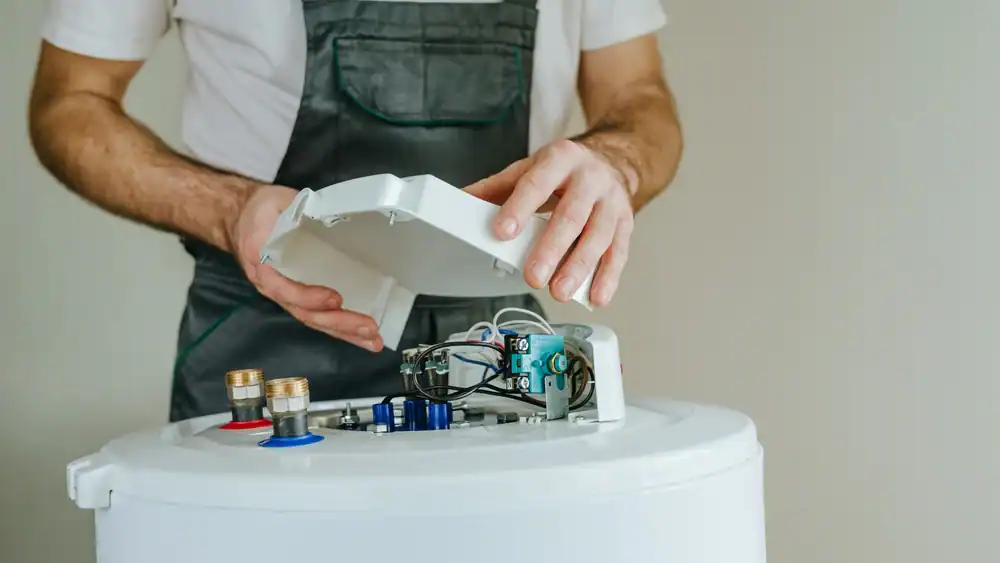
Most boiler repairs in New Jersey run between $200 and $600, depending on what’s broken. Simple fixes like replacing a valve or bleeding air from the system sit on the lower end. More involved repairs—like a failing circulator pump or pressure relief valve—cost more.
If you’re looking at a cracked heat exchanger, that’s a bigger job. Those repairs can hit $2,000 to $3,500 because of the labor and parts involved. At that point, you’re often better off considering a replacement, especially if your boiler’s over 15 years old.
We give you the price before we start any work. You’ll know exactly what the repair costs and whether it makes sense to fix or replace. No surprise bills after we’re done.
No heat is the obvious one, but there are earlier warning signs that save you from a complete breakdown. If some rooms are warm and others aren’t, that usually points to circulation problems or air in the lines.
Leaking water around your boiler means something’s failing—could be a valve, a seal, or a crack. Don’t ignore it. Water damage adds up fast, and a small leak can turn into a flood. Strange noises like banging, whistling, or gurgling tell you there’s air trapped in the system, sediment buildup, or a pump that’s struggling.
If your energy bills are climbing but your usage hasn’t changed, your boiler’s losing efficiency. That happens when components wear out or the system’s working harder than it should. A sulfur smell or visible soot means incomplete combustion, which is a safety issue. And if your pilot light keeps going out or you’re seeing error codes, the controls or safety mechanisms need attention. Catch these early, and you avoid the middle-of-winter emergency call.
Most boiler repairs take between one and three hours, start to finish. If it’s something straightforward—like replacing a valve, resetting the system, or bleeding air from the lines—we’re usually done in an hour or less.
More complex issues take longer. A circulator pump replacement or a full pressure valve swap might take two to three hours because there’s more involved in the repair. If we’re dealing with multiple problems or need to order a specific part, we’ll let you know upfront.
Emergency repairs sometimes take a bit longer because we’re diagnosing the problem on the spot, but we move fast. The goal is to get your heat back on as quickly as possible without cutting corners. You’ll know the timeline before we start, and we keep you updated if anything changes.
If your boiler’s under 10 years old and the repair costs less than a third of a new system, fixing it usually makes sense. You’ll get several more years out of it, and the repair pays for itself in avoided replacement costs.
Once your boiler hits 15 years or older, the math changes. Older systems are less efficient, so you’re paying more to heat your home every month. If the repair bill is climbing into the thousands—especially for something like a heat exchanger—you’re often better off replacing the whole unit. A new boiler runs more efficiently, lowers your energy bills, and comes with a warranty.
Frequent repairs are another red flag. If you’re calling for service every year or dealing with multiple breakdowns, that’s your boiler telling you it’s done. We’ll walk you through the numbers honestly so you can make the call that makes sense for your situation and your budget.
Yes. We’re available 24/7 for heating emergencies because we know boilers don’t wait for business hours to quit. When it’s 27°F outside in January and your heat goes out, that’s not something you can put off until Monday.
Emergency service means we prioritize your call and get someone to your home as fast as possible. We carry common parts on our trucks so we can make most repairs on the spot without waiting for an order to come in.
You’ll still get upfront pricing, even on emergency calls. We’re not here to take advantage of a bad situation. We’re here to get your heat back on and make sure your home is safe and comfortable. If you’re dealing with no heat, a major leak, or anything that’s putting your property or family at risk, call us. We’ll be there.
Maintenance is what you do to prevent problems. Repair is what you do after something breaks. Regular boiler maintenance—usually once a year before winter—catches small issues before they turn into expensive emergencies.
During maintenance, we inspect all the components, clean out sediment, check the pressure and controls, test the safety mechanisms, and make sure everything’s running efficiently. It’s like an oil change for your heating system. Costs around $150 to $300 depending on what’s involved, and it extends the life of your boiler by years.
Repair happens when something’s already broken. Maybe your boiler’s leaking, not producing heat, or making noises it shouldn’t. Repairs cost more because we’re fixing a failure, not preventing one. If you skip maintenance, you’re rolling the dice on whether your boiler makes it through winter without a breakdown. Most people who stay on top of annual maintenance avoid the majority of mid-season repair calls. It’s the smarter play financially and practically.