Reviews
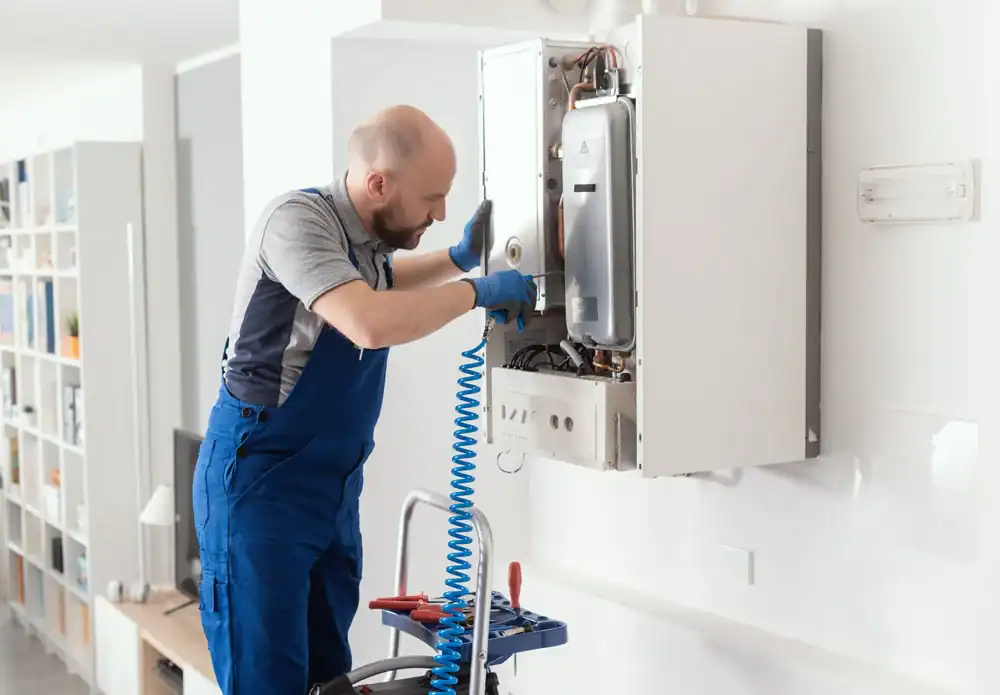
You’re not losing sleep wondering if the heat will kick on tonight. Your energy bills stop creeping up every month because your boiler’s running efficiently instead of working twice as hard to do half the job. No more cold mornings waiting for rooms to warm up.
When your boiler’s leaking water, making strange noises, or just quit altogether, you need someone who can diagnose the actual problem without upselling you on a replacement you don’t need yet. Most boiler issues in Keansburg homes are fixable—low pressure, faulty valves, circulation problems, or thermostat issues. You just need a plumber who knows the difference between a $300 repair and a $6,000 replacement.
Your house stays warm all winter. Your system lasts longer because someone’s actually maintaining it. And when something does go wrong, you’ve got a number to call that picks up—day or night.
We’ve been handling heating repair and plumbing work across Monmouth County for years. We’re licensed, insured, and local—not a call center routing you to whoever’s available. You’re getting the same techs who’ve worked on boilers in Keansburg through every winter freeze and coastal storm.
We know what breaks in this area. Older homes with cast iron boilers that need specific parts. Newer systems that fail because they weren’t installed right the first time. Pressure issues caused by hard water. Leaks that start small and turn into bigger problems if you wait.
You’ll get upfront pricing before any work starts. No hidden fees, no surprises when the bill comes. If you’re military or a first responder, you get 10% off. If it’s an emergency, we’re available 24/7—because a broken boiler in January isn’t something you can put off until Monday.

You call or message us with the issue. We ask a few questions—what’s happening, how old the system is, any warning signs you noticed before it quit. Then we schedule a time that works for you, usually same-day if it’s urgent.
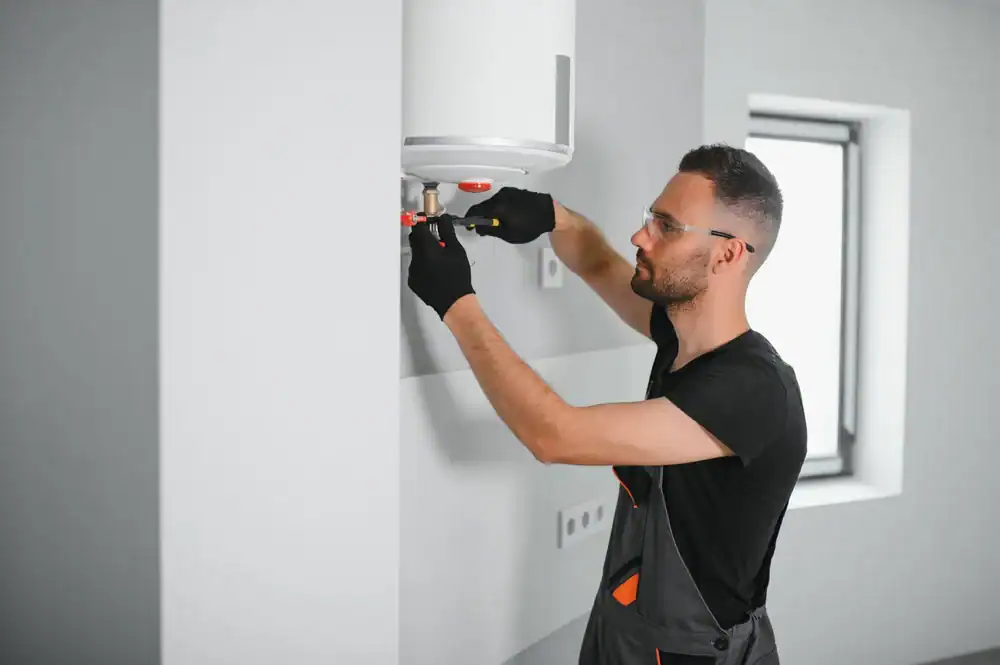
Our tech shows up on time with the tools and parts most boiler repairs need. They’ll run a full diagnostic—checking pressure, testing the thermostat, inspecting the heat exchanger, looking for leaks or blockages. You’ll get a clear explanation of what’s wrong and what it’ll cost to fix. No jargon, no pressure.
If it’s a straightforward repair, we handle it that day. If it’s something bigger or you need a part ordered, we’ll give you a timeline and keep you updated. Once the work’s done, we test the system to make sure it’s heating properly and efficiently. You’ll also get a rundown on what to watch for and when to schedule your next maintenance so this doesn’t happen again.
Ready to get started?
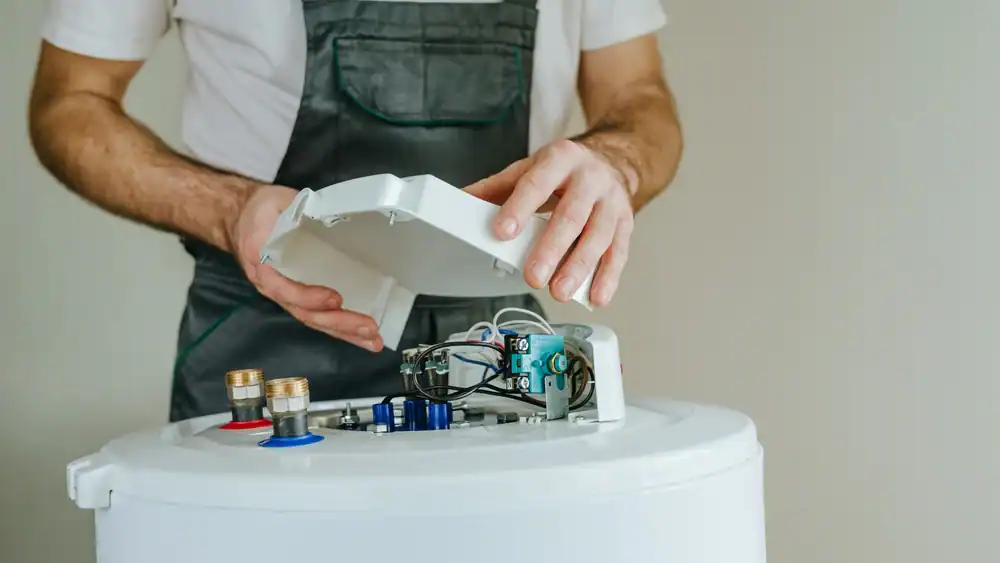
Every boiler repair starts with a full system inspection. We’re checking water pressure, looking at your relief valve, testing ignition, inspecting the heat exchanger for cracks, and making sure your thermostat is communicating with the boiler. If there’s a leak, we’re finding the source—not just patching the symptom.
Keansburg’s proximity to the water means salt air and humidity can accelerate corrosion on boiler components. We see this all the time in coastal areas. If your boiler’s older or hasn’t been maintained regularly, small issues turn into expensive ones fast. That’s why we also look at venting, check for carbon monoxide risks, and make sure everything’s up to New Jersey code.
You’re also getting honest advice. If your boiler’s 20 years old and needs a $2,000 repair, we’ll tell you whether that makes sense or if you’re better off replacing it. If it’s got another five years in it with regular maintenance, we’ll tell you that too. Our job is to keep your heat on and your costs down—not to sell you something you don’t need yet.
If your boiler is under 15 years old and the repair costs less than half of a new system, fixing it usually makes sense. Most boilers are built to last 15 to 20 years with proper maintenance. After that, parts start failing more often and efficiency drops.
Look at what’s breaking. A faulty circulator pump or pressure valve? That’s a repair. A cracked heat exchanger or major corrosion? That’s usually a replacement. If you’re calling for repairs multiple times a season or your energy bills keep climbing even though you’re not using more heat, it might be time to upgrade.
We’ll walk you through the math. You’ll see the cost of the repair, the age of your system, and what a new high-efficiency boiler would cost with rebates and financing. Then you decide. No pressure, no upselling—just the information you need to make the right call for your home and budget.
Most boiler leaks come from pressure problems, corrosion, or a failing seal. If the pressure’s too high, your relief valve opens to release water—that’s actually a safety feature, but it means something else is wrong. Low pressure can cause leaks at pipe joints because the system’s not sealed properly.
Corrosion is common in older boilers, especially in coastal areas like Keansburg where salt air speeds up the process. If the tank itself is corroded through, you’re looking at a replacement. But if it’s a valve, a pump seal, or a pipe fitting, that’s fixable.
The tricky part is that a small leak can hide for a while before you notice it. By then, you might have water damage, mold growth, or rust spreading to other components. If you see any moisture around your boiler, puddling on the floor, or dripping from pipes, call us right away. Catching it early saves you money and prevents bigger problems down the line.
Once a year, ideally in the fall before you’re running it daily. Annual maintenance catches small problems before they turn into expensive emergency repairs in the middle of winter. A tune-up includes cleaning, inspecting all the components, testing safety controls, and making sure your system is running efficiently.
Regular maintenance also keeps your warranty valid. Most manufacturers require proof of annual service, and if you skip it, they won’t cover parts that fail. Beyond that, a well-maintained boiler uses less energy, which means lower heating bills every month.
If your boiler is older than 10 years or you’ve had repairs in the past, you might want to check it twice a year—once before winter and once mid-season. It’s a small cost compared to a breakdown when it’s 20 degrees outside and you’re waiting days for an emergency repair. Maintenance keeps your heat reliable and your system lasting as long as it’s supposed to.
Yes. We’re available 24/7 for heating emergencies. If your boiler quits in the middle of the night or on a weekend, you’re not waiting until Monday. A house without heat in winter isn’t just uncomfortable—it’s a safety issue, especially if you have kids, elderly family members, or pets.
When you call, you’ll talk to someone who can help right away, not a voicemail or answering service. We’ll ask what’s happening, give you some immediate troubleshooting steps if it’s safe to try, and get a tech out to you as fast as possible. Most emergency calls in Keansburg are handled within a few hours.
Emergency service does cost more than a regular appointment—that’s standard across the industry. But we’re upfront about pricing before we come out, and we’re not tacking on hidden fees once we’re there. You’ll know what it costs, and you’ll get your heat back on. That’s the priority.
A repair fixes something that’s broken or not working right. A tune-up is preventive—it’s maintenance to keep everything running smoothly and catch issues before they cause a breakdown. Think of it like the difference between fixing a flat tire and rotating your tires so they last longer.
During a tune-up, we’re cleaning components, checking for wear, testing safety controls, inspecting for leaks, and making sure your boiler is operating at peak efficiency. If we find something that needs attention—a part that’s wearing out, pressure that’s off, or a valve that’s starting to fail—we’ll let you know before it becomes an emergency.
A repair happens when something’s already wrong. Your heat’s not working, there’s a leak, or the system’s making noises it shouldn’t. We diagnose the problem, fix it, and get your boiler back online. Both are important, but tune-ups save you money in the long run because you’re avoiding the bigger, more expensive repairs that happen when small problems go unnoticed.
Yes. We service gas boilers, oil boilers, electric boilers, and combination systems. Whether you’ve got a newer high-efficiency condensing boiler or an older cast iron system that’s been in your house for decades, we’ve worked on it. Different systems have different common issues, and knowing what to look for makes the repair faster and more reliable.
Older homes in Keansburg often have cast iron boilers that are built like tanks but need specific parts and expertise. Newer systems are more efficient but have more sensors and controls that can fail. Oil boilers need different maintenance than gas. We carry the tools and parts for all of them, so we’re not making multiple trips or ordering things that delay your repair.
If your system is really old or obscure and parts are hard to find, we’ll tell you upfront. Sometimes it makes more sense to upgrade than to keep repairing something that’s going to fail again in six months. But if it’s fixable and worth fixing, we’ll get it done right the first time.