Reviews
You wake up to a freezing house in January. The boiler won’t start, or it’s leaking water all over your basement floor. Your kids are cold, you’re late for work, and you need someone who can fix this now—not tomorrow, not in three days.
That’s the reality of a boiler breakdown in Howell. With winter temperatures regularly dropping into the teens and twenties, losing heat isn’t just uncomfortable—it’s urgent. Frozen pipes can burst within hours. Your family’s safety depends on getting a qualified heating technician to your home fast.
When your boiler fails, you need a licensed plumber who knows gas systems, can diagnose the problem quickly, and carries the parts to fix it right the first time. You need transparent pricing before any work starts. You need someone who shows up when they say they will and doesn’t leave until your heat is working again.
That’s what proper boiler repair looks like. No runaround, no surprises on the bill, no waiting days for parts. Just your heating system running safely and efficiently so you can stop worrying about your family being cold.
We’ve been fixing boilers and heating systems throughout Monmouth County for years. We’re not a national chain that sends whoever’s available—we’re local technicians who understand how New Jersey winters test your heating system and what typically goes wrong with boilers in homes built in the 1980s and 1990s.
Our team is fully licensed and insured for both plumbing and HVAC work in New Jersey. That matters when you’re dealing with gas lines, pressure systems, and carbon monoxide risks. We carry the diagnostic equipment to find problems fast and stock common parts on our trucks so we can complete most repairs the same day.
We serve Howell, Freehold, Marlboro, and surrounding areas with 24/7 emergency service. When you call, you get upfront pricing, clear explanations of what’s wrong, and honest advice about whether repair or replacement makes more sense for your situation and budget.

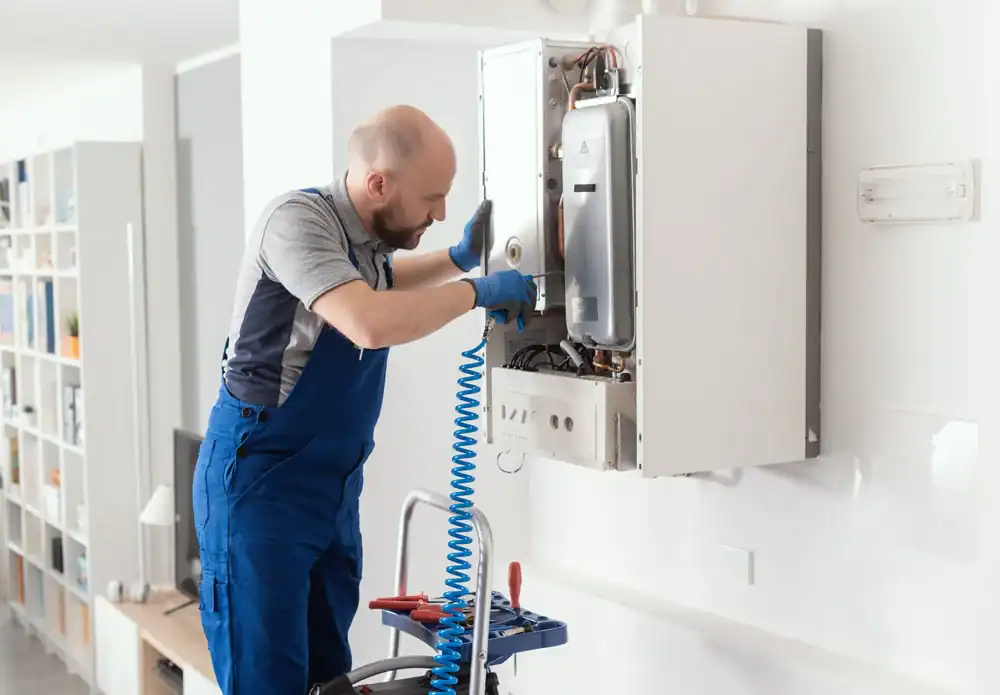
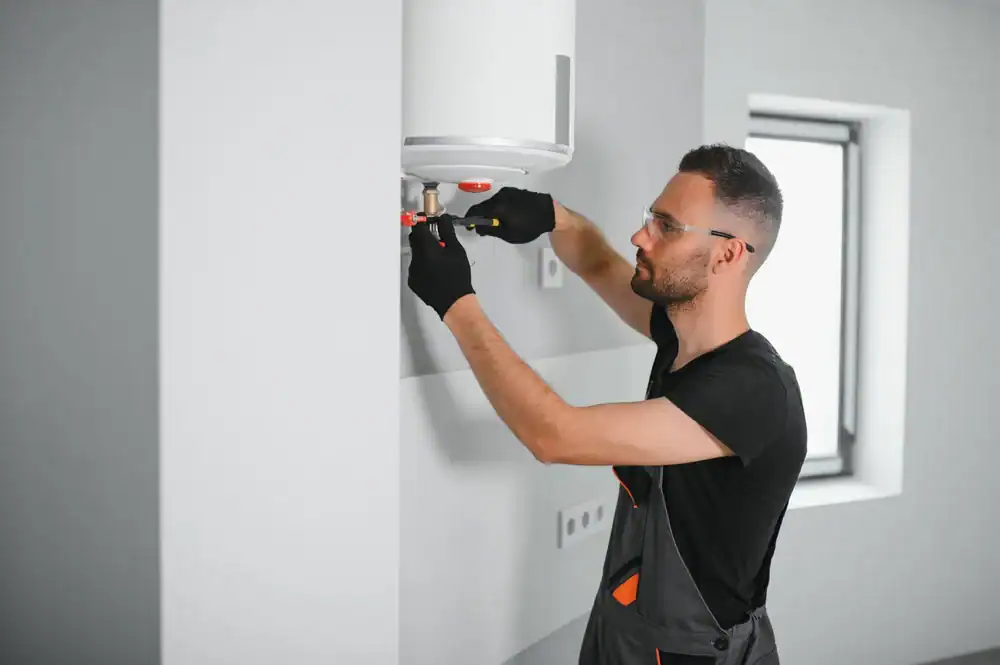
You call or contact us online, and we schedule a technician to come out—same day for emergencies. When we arrive, we start with a full system diagnostic to identify exactly what’s causing your boiler to malfunction. We check the thermostat, inspect the pilot light or ignition system, test pressure levels, examine the heat exchanger, and look for leaks or corrosion.
Once we pinpoint the problem, we explain what’s wrong in plain language. No technical jargon, no overselling. We give you a clear price for the repair before we start any work. If your boiler is old and facing expensive repairs, we’ll tell you honestly whether replacement would be smarter long-term.
Most boiler repairs get completed during that first visit. We fix the issue, test the system thoroughly to make sure it’s heating properly and safely, and walk you through what we did. You’ll know exactly what was wrong, what we fixed, and how to prevent similar problems down the road.
If you need a new boiler instead of repair, we’ll go over your options for gas, oil, or high-efficiency systems that fit your home’s size and your budget. We handle the full installation, haul away your old unit, and make sure everything meets local codes.
Ready to get started?
We repair all boiler types—gas, oil, and electric systems, plus both steam and hot water configurations. Common repairs include fixing pilot lights that won’t stay lit, replacing faulty thermostats, repairing leaking pressure relief valves, clearing blocked vents, fixing circulation pumps, and addressing strange noises like banging or whistling.
In Howell and throughout Monmouth County, we see a lot of boilers installed in the 1980s and 1990s when most of these neighborhoods were built. Older systems often need zone valve replacements, expansion tank repairs, or thermocouple fixes. We also handle more serious issues like cracked heat exchangers, which can pose carbon monoxide risks and usually mean it’s time for replacement.
If your boiler is leaking water, that could mean anything from a simple pressure valve issue to a corroded tank. We’ll diagnose the exact cause and let you know whether it’s a quick fix or a sign of bigger problems. Same goes for boilers that won’t start—could be the thermostat, the ignition system, a tripped safety switch, or low water pressure.
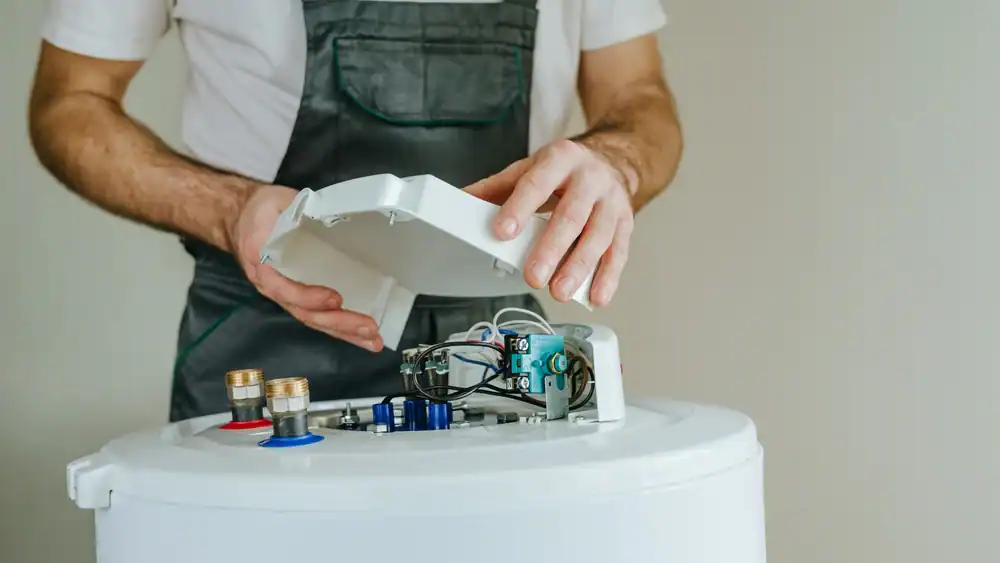
We also offer preventive maintenance to catch small problems before they become expensive emergencies. Regular boiler service includes cleaning, safety inspections, efficiency testing, and adjusting settings to keep your system running smoothly through winter. Most boilers last 15 to 20 years with proper maintenance, but skip the annual checkups and you’re looking at more frequent breakdowns and higher energy bills.
Boiler repair costs in Howell typically range from $200 to $600 for common fixes like replacing a thermostat, fixing a pilot light, or repairing a leaking valve. More complex repairs like replacing a circulation pump or zone valves can run $400 to $1,200 depending on the parts and labor involved.
Emergency service calls outside normal business hours may include an additional trip fee, but you’ll know the total cost upfront before any work begins. We don’t believe in surprise charges or hidden fees—you get a clear price and decide whether to move forward.
If your boiler needs a major repair like a heat exchanger replacement, that can cost $1,500 or more. At that point, replacing the entire system often makes more financial sense, especially if your boiler is over 15 years old. A new high-efficiency boiler might cost $4,000 to $7,000 installed, but it’ll save you 20% to 30% on heating bills and give you reliable heat for the next two decades.
Most boiler repairs take one to three hours once our technician arrives and diagnoses the problem. Simple fixes like relighting a pilot, replacing a thermostat, or adjusting pressure settings can be done in under an hour. More involved repairs like replacing a circulation pump, fixing a leaking valve, or clearing a blocked vent typically take two to three hours.
If we need to order a specific part that’s not on the truck, we’ll get it as quickly as possible—usually within a day or two. For emergency situations where you have no heat, we’ll do everything we can to get your system running temporarily while we wait for parts, or we’ll bring in space heaters to keep your home safe.
The diagnostic process itself usually takes 30 to 45 minutes. We need to test multiple components, check pressure levels, inspect for leaks, and sometimes run the system through a full heating cycle to see where it’s failing. Rushing the diagnosis means missing problems, so we take the time to get it right.
If your boiler is under 10 years old and the repair costs less than a third of what replacement would cost, repairing usually makes sense. If it’s over 15 years old and facing a major repair that costs $1,500 or more, replacement is often the smarter financial move.
Here’s why: boilers typically last 15 to 20 years. Once yours hits that age range, you’re on borrowed time. Even if you fix today’s problem, another expensive issue could pop up next month or next winter. You end up spending thousands on repairs for a system that’s near the end of its lifespan anyway.
New high-efficiency boilers also cost significantly less to operate. If your current system is 20 years old, a modern replacement could cut your heating bills by 20% to 30%. Over the boiler’s lifetime, those energy savings add up to thousands of dollars. Plus, you get the peace of mind that comes with a new system under warranty, and you’re not worrying about breakdowns every winter. We’ll walk you through the math for your specific situation so you can make the decision that makes the most sense for your home and budget.
Call for immediate boiler repair if you smell gas or rotten eggs near your system—that’s a gas leak and you need to leave your home and call your gas company right away. Other urgent signs include no heat when temperatures are below freezing, water leaking from the boiler or pooling underneath it, strange loud banging or whistling noises, or the system constantly shutting off and restarting.
Yellow or flickering pilot light flames instead of steady blue flames can indicate incomplete combustion and potential carbon monoxide issues. If your carbon monoxide detector goes off, get everyone out of the house immediately and call 911, then call us to inspect your heating system before you return.
Less urgent but still important signs include rooms that won’t heat evenly, your energy bills suddenly spiking without explanation, the boiler taking longer to heat your home, or visible rust and corrosion on the tank or pipes. These problems won’t leave you without heat today, but they’ll get worse and more expensive if you ignore them. Catching issues early during a routine service call is always cheaper than waiting until something fails completely in the middle of a January cold snap.
Yes, we provide 24/7 emergency boiler repair throughout Howell and Monmouth County. Heating emergencies don’t wait for business hours, and we don’t either. If your boiler fails at 2 a.m. on a Sunday in the middle of winter, you can call us and get a licensed technician to your home.
Emergency calls do include a trip fee for after-hours service, but you’ll know that cost upfront when you call. Once we’re there, the diagnostic and repair pricing works the same as regular hours—you get a clear quote before we start the work, and we don’t add hidden charges.
We stock our trucks with the most common boiler parts so we can complete most emergency repairs the same visit. Our goal is to restore your heat as quickly as possible, especially when you have kids, elderly family members, or anyone else who can’t safely stay in a freezing house. We understand that losing heat in New Jersey winter isn’t just an inconvenience—it’s a safety issue that needs immediate attention.
You should have your boiler professionally serviced once a year, ideally in early fall before you start using it regularly for winter heating. Annual maintenance catches small problems before they turn into expensive repairs or leave you without heat in January.
During a maintenance visit, we clean the system, inspect all components for wear or corrosion, test safety controls, check and adjust pressure levels, examine the heat exchanger for cracks, test the thermostat, and make sure the venting system is clear. We also measure combustion efficiency to make sure your boiler isn’t wasting energy and driving up your heating bills.
Regular maintenance extends your boiler’s lifespan significantly. Systems that get annual service typically last 18 to 20 years, while neglected boilers often fail around 12 to 15 years. That’s thousands of dollars in replacement costs you can delay just by investing in yearly checkups. Plus, most boiler manufacturers require proof of annual maintenance to keep warranties valid, so skipping service could void your coverage if something major goes wrong.