
Reviews
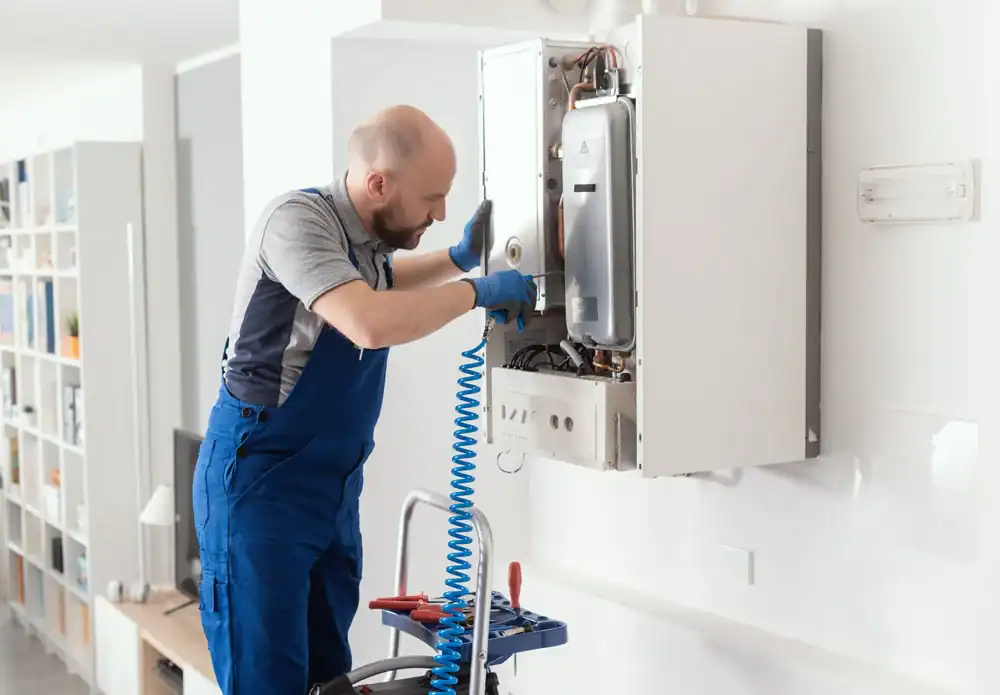
You’re not losing sleep wondering if the heat will kick on tonight. Your energy bills stop climbing every month because your boiler’s running efficiently instead of working twice as hard to do half the job.
No more cold spots in the house. No more strange banging noises at 2 a.m. No more worrying whether this is the winter your system finally gives out.
When your boiler’s properly maintained and repaired by someone who knows what they’re doing, you get consistent heat throughout your home. You get lower monthly costs. You get years added back to your equipment’s lifespan. And you get to stop thinking about your heating system entirely—which is exactly how it should be.
That’s what matters when you’re dealing with Highlands winters. Not just a quick fix, but reliable warmth you can count on.
We’ve been serving Monmouth County since 2014. We’re locally owned, fully licensed and insured, and we’ve handled hundreds of boiler repairs in Highlands—from old homes built before the 1940s to newer construction along the shore.
We know what coastal humidity does to heating systems. We know how salt air affects metal components. And we know that when your boiler goes out during a January cold snap, you need someone who answers the phone and shows up when they say they will.
Our technicians carry the licenses and insurance you’d expect. What sets us apart is that we explain what’s wrong in plain language, give you upfront pricing before we start, and don’t push replacements when a repair will do the job. We’ve built our reputation in this county by doing right by people—not by upselling them.

You call or contact us, and we schedule a time that works for you. If it’s an emergency and your heat’s out completely, we prioritize getting someone to your home the same day.
When our technician arrives, they’ll diagnose the problem. That means checking for common issues—leaks, pressure problems, ignition failures, strange noises, or error codes. We’ll explain what’s wrong in terms that make sense, not technical jargon meant to confuse you.
Then we give you a clear price for the repair before any work starts. No surprises. No hidden fees. If we find something that needs immediate attention for safety reasons, we’ll tell you. If it’s something that can wait, we’ll tell you that too.
Once you approve the work, we fix it. We test the system to make sure it’s heating properly and running efficiently. We clean up. And we make sure you understand what we did and what to watch for going forward. If you have questions three weeks later, you can call us.
Ready to get started?
We handle the full range of boiler problems. Leaking water around the unit. Low pressure that’s keeping your system from heating properly. Strange noises—banging, whistling, gurgling—that tell you something’s not right inside. Pilot lights that won’t stay lit. Error codes you can’t decode.
We also deal with frozen condensate pipes, which happens more than you’d think during Highlands winters when temperatures drop and wind comes off the water. Ignition problems. Thermostat issues. Circulator pump failures. Radiators that won’t heat evenly.
For older homes in Highlands—and there are plenty built in the 1940s or earlier—we’re familiar with the quirks of aging systems. We know when a repair makes sense and when you’re better off replacing. That’s a conversation we’ll have honestly, because your money matters and so does your time.
We also offer preventive maintenance if you want to avoid emergency calls in the first place. Regular tune-ups catch small problems before they become expensive ones. That’s especially important in a coastal town like Highlands where humidity and salt air accelerate wear on mechanical systems.
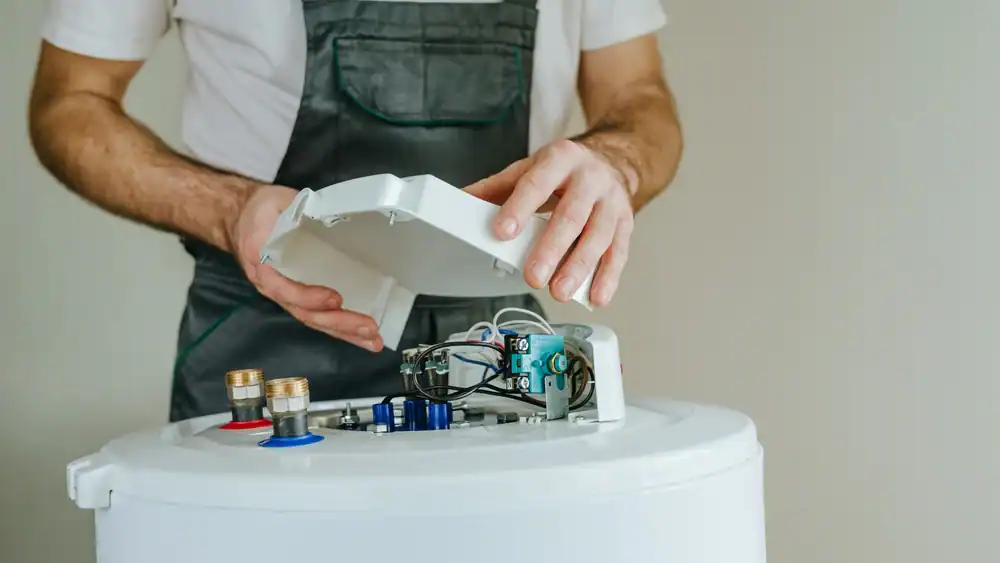
If your boiler’s less than 15 years old and the repair costs less than half of what a new unit would run, repair usually makes sense. That’s the general rule most plumbers follow, and it’s a fair one.
But age isn’t everything. If you’re calling for repairs multiple times a year, your energy bills keep climbing, or you’re dealing with a major component failure like a cracked heat exchanger, replacement might be the smarter move. A new boiler will run more efficiently, which means lower monthly costs and fewer headaches.
We’ll walk you through the math when we’re at your house. We’ll show you what the repair costs, what a replacement would cost, and what you can expect either way. Then you decide. We’re not going to push you toward the bigger sale if a repair will give you another five solid years.
Leaks usually come from one of a few places. Pressure that’s too high can force water out through the pressure relief valve—that’s the safety mechanism doing its job. Corrosion can eat through pipes or the tank itself, especially in older systems. Faulty seals around pumps or valves can start dripping over time.
Sometimes it’s as simple as a loose connection that needs tightening. Other times it’s a sign that a component has reached the end of its life and needs replacing. Either way, you don’t want to ignore it. Water leaking onto your basement floor can cause mold, damage your foundation, or ruin anything stored nearby.
When we diagnose a leak, we trace it back to the source. We’ll tell you whether it’s a quick fix or something more involved. And if it’s a symptom of a bigger problem—like a system that’s been running at the wrong pressure for years—we’ll explain what’s happening and why it matters.
Banging noises—sometimes called “kettling”—usually mean sediment has built up at the bottom of your heat exchanger. When water gets trapped under that sediment layer and overheats, it boils and creates steam bubbles that collapse loudly. It sounds worse than it is, but it does mean your system’s working harder than it should and losing efficiency.
Whistling or high-pitched sounds often point to air trapped in the system or a valve that’s partially closed and restricting flow. Sometimes it’s a pump that’s starting to fail. Gurgling typically means water’s not circulating properly, which could be air in the lines or low pressure.
These noises are your boiler telling you something’s wrong. Ignoring them won’t make them go away—it’ll just let the underlying problem get worse. We can usually fix the issue in one visit once we identify where the noise is coming from and what’s causing it.
Yes. We offer 24/7 emergency service throughout Monmouth County, including Highlands. If your heat goes out in the middle of the night or on a weekend, you can reach us.
We prioritize emergency calls because we know what it’s like when your boiler quits during a cold snap. You’re not just uncomfortable—you’re worried about pipes freezing, your family staying warm, and how much this is going to cost. We get someone to your house as quickly as we can, diagnose the problem, and get your heat back on.
Emergency service does come with a premium compared to scheduled appointments, but we’re upfront about that pricing before we come out. And we’re not going to show up, tell you it’s a disaster, and pressure you into unnecessary work. We fix what needs fixing so you have heat again. That’s the point.
Once a year is the standard recommendation, ideally in the fall before you start relying on it daily. Annual maintenance catches small issues before they become big ones—things like worn seals, minor leaks, sediment buildup, or components that are starting to fail.
During a maintenance visit, a technician will clean the system, check all the safety controls, test the pressure, inspect for leaks, and make sure everything’s running efficiently. It’s not glamorous work, but it’s the difference between a boiler that lasts 20 years and one that dies at 12.
For homes in Highlands, regular maintenance matters even more because of the coastal environment. Salt air and humidity are tough on metal components. A yearly tune-up helps you stay ahead of corrosion and keeps your system running at peak efficiency, which saves you money on energy costs all winter long.
It depends entirely on what’s wrong. A simple fix like replacing a faulty valve or tightening a loose connection might run a few hundred dollars. A more involved repair—like replacing a circulator pump, fixing a significant leak, or addressing a control board failure—can cost significantly more.
We give you an upfront price before we start any work. No surprises, no “well, now that we’re in here” upsells. You’ll know what it costs, and you can decide whether to move forward. If we find something unexpected once we open things up, we stop and talk to you before proceeding.
We also offer financing options if you need them, plus discounts for military personnel and first responders. And if you’re weighing repair versus replacement, we’ll walk you through both options honestly so you can make the call that makes sense for your situation and your budget.