
Reviews
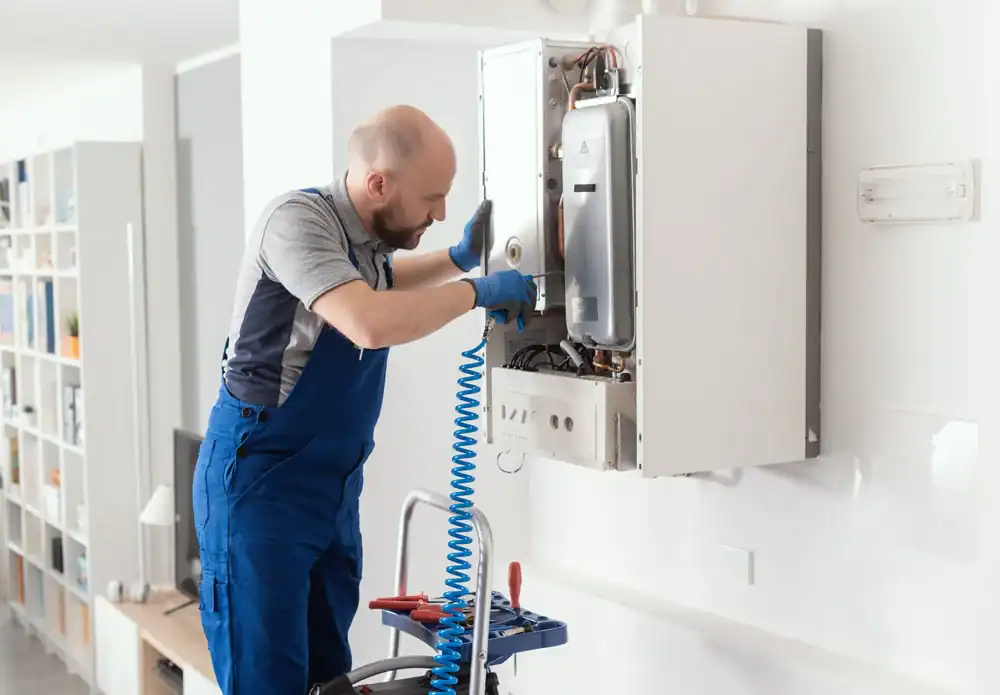
Your mornings start warm. Your kids aren’t bundled up at the breakfast table. You’re not watching your breath fog up inside your own house.
A working boiler means your energy bills stay predictable instead of spiking because the system’s struggling. It means you’re not scrambling to find space heaters or worrying whether the pipes are going to freeze overnight.
You get your routine back. No more waiting around for callbacks or wondering if the fix will actually hold. Just consistent heat when you need it, and one less thing stealing your attention during an already busy week.
We work in Monmouth County, where most homes were built in the 1950s and boilers have seen decades of hard winters. We know what breaks, what lasts, and what you’re dealing with when the heat cuts out at 2 a.m.
Our team is licensed and insured, and we show up with the tools and parts to actually finish the job. No guessing, no return trips for things we should’ve brought the first time.
We’re local. We’re available 24/7. And we don’t make you wait three days for a callback when your house is 50 degrees.

You call or text, and we pick up. You tell us what’s going on—no heat, strange noises, leaking water, whatever it is—and we schedule a time that works for you. If it’s an emergency, we come now.
When we arrive, we diagnose the problem first. We don’t start tearing things apart or running up the bill before we know what’s actually wrong. Once we find the issue, we explain it in plain terms and give you upfront pricing before we do anything.
Then we fix it. We test the system to make sure it’s heating properly and check for any other issues that could cause problems down the road. You get a working boiler, a clear invoice, and no surprises.
If it’s something that can wait, we’ll tell you. If it can’t, we’ll tell you that too.
Ready to get started?
We handle everything from minor fixes to full system diagnostics. That includes leaking pipes, faulty pressure valves, circulator pump issues, thermostat problems, and pilot light failures. If your radiators aren’t heating evenly, we bleed them and check the distribution. If there’s a gas smell or the system’s making banging noises, we treat it like the urgent issue it is.
In Cliffwood Beach, where 91.9% of homes are owner-occupied and most were built before 1960, boiler problems aren’t rare. Older systems need more attention, and they don’t give you much warning before they quit. We’ve worked on enough of them to know what fails first and how to keep them running longer.
You also get transparent pricing with no hidden fees, and we offer 0% financing if the repair cost is more than you planned for this month. Military personnel and first responders get 10% off, because that’s just how it should be.
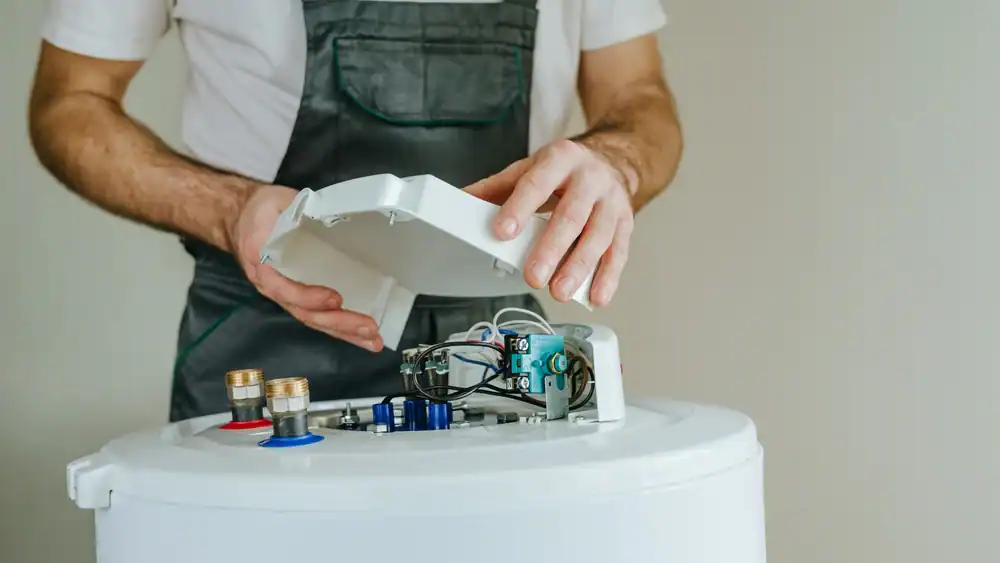
It depends on what’s broken. A simple fix like a faulty thermostat or pilot light relight might run a couple hundred dollars. A circulator pump replacement or pressure valve repair could be in the $400 to $800 range. If the heat exchanger is cracked or the system needs major component replacement, you’re looking at more—but at that point, we’ll talk through whether repair or replacement makes more sense for your situation.
We give you upfront pricing before we start the work. No surprises, no inflated invoices after the fact. If your repair ends up costing more than expected to get your home comfortable again, we offer 0% financing so you’re not stuck choosing between heat and your budget.
The real cost isn’t just the repair—it’s what happens if you wait. A small leak turns into water damage. A struggling boiler runs up your energy bill. Catching it early almost always costs less.
If you smell gas, that’s an emergency. Leave the house and call us immediately. Same goes if you smell something burning that isn’t dust burning off at the start of the season—that could mean electrical issues or overheating.
No heat or inconsistent heat is another red flag, especially if some rooms are warm and others aren’t. That usually points to circulation problems, air in the lines, or a failing pump. Strange noises—banging, whistling, gurgling—mean something’s not flowing right, and it’s going to get worse if you ignore it.
Leaking water around the boiler isn’t normal. It could be a pressure issue, a cracked pipe, or a compromised seal. Even small leaks can cause big problems if they’re not addressed. If your energy bills suddenly jump without explanation, your boiler’s probably working harder than it should to keep up, which means something’s wrong.
Yes. We’re available 24/7, including weekends and holidays. If your heat goes out in the middle of the night or on Christmas morning, we’ll come out and fix it.
Emergency calls get priority because we know what it’s like when your house is freezing and you’ve got kids, elderly family members, or just a long day ahead of you. We don’t make you wait until Monday or tell you to call back during business hours.
When you call for emergency boiler service, we bring the tools and common parts we’ll likely need so we can finish the repair in one trip. We’re not showing up just to diagnose and reschedule—we’re showing up to get your heat back on. And yes, we still give you upfront pricing, even in an emergency. You’ll know what it costs before we start.
Most repairs take one to three hours, depending on what’s wrong. A thermostat swap or pilot light fix might be done in under an hour. A pump replacement or valve repair usually takes two to three hours, including testing to make sure everything’s working right.
If we need to order a part that’s not on the truck, we’ll let you know upfront and get it as fast as possible. We keep common parts in stock specifically so we’re not making you wait days for something that should’ve been handled the same day.
Complex issues—like a cracked heat exchanger or a full system diagnostic on an older unit—might take longer, and we’ll walk you through what’s involved before we start. The goal is always to get it done right the first time, not fast and sloppy. But we also know you don’t want us there all day, so we work efficiently and clean up when we’re done.
Yes. We work on gas boilers, oil boilers, and older cast iron systems that have been running since the ’50s and ’60s. A lot of homes in Cliffwood Beach still have these older units, and while they’re built to last, they eventually need repairs or part replacements.
Older boilers can be tricky because parts aren’t always easy to find, but we’ve been doing this long enough to know where to source them and how to work with systems that aren’t standard anymore. If your boiler is old but still functional, we’ll fix it and keep it running as long as it makes sense to do so.
That said, if your system is on its last legs and costing you more in repairs and energy bills than it’s worth, we’ll tell you. We’re not going to string you along with bandaid fixes when replacement is the smarter move. But if it’s fixable and worth fixing, we’ll make it happen.
A maintenance visit includes a full system inspection, cleaning, and testing to catch problems before they turn into breakdowns. We check the pressure, inspect the heat exchanger for cracks, test the thermostat and controls, and make sure the circulator pump is working properly.
We also bleed the radiators if needed, check for leaks, and clean out any sediment or buildup that’s affecting performance. If something’s starting to wear out—like a valve or seal—we’ll point it out and let you know whether it needs attention now or if it can wait.
Regular maintenance keeps your boiler running efficiently, which lowers your energy bills and extends the life of the system. It also means you’re way less likely to wake up to no heat in the middle of January. Most boiler breakdowns happen because of small issues that were ignored, and a yearly checkup catches those before they become expensive emergencies.