Reviews
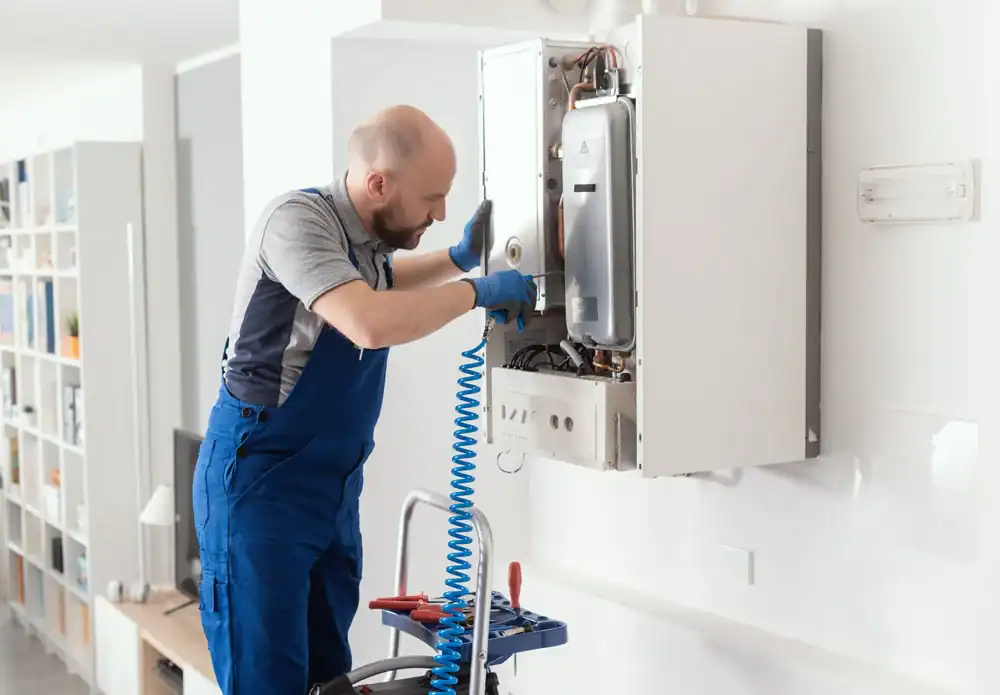
You’re not looking for a band-aid fix that fails again in two weeks. You need your boiler working through January storms and those brutal Atlantic winds that hit Bradley Beach harder than most towns realize.
When your system’s leaking water, making knocking sounds, or just refusing to heat, you’re dealing with more than an inconvenience. You’re racing the clock before pipes freeze or your family spends the night somewhere else.
We handle the full scope: pressure issues, ignition failures, circulator pump problems, thermostat malfunctions, and leaks that show up at the worst possible time. The job’s done when your home’s warm again and you understand exactly what happened and why.
Most boiler problems in Bradley Beach come down to three things: age, lack of maintenance, or coastal air wearing down components faster than you’d expect. We fix what’s broken, explain what’s next, and give you options that actually make sense for your situation.
AME Plumbing Heating and Cooling operates throughout Monmouth County, and we’ve worked on enough Bradley Beach homes to know what you’re dealing with. Older housing stock, salty coastal air, systems that were installed decades ago and pushed way past their reasonable lifespan.
We’re licensed, insured, and we don’t disappear after the check clears. Our techs carry the tools and parts that actually matter for boiler service, not just the basics.
You’ll get upfront pricing before work starts, no surprise charges when we’re done, and straight answers about whether your system needs a repair or if you’re looking at replacement. We’re not here to upsell you into something you don’t need, but we’re also not going to patch a failing system just to get called back next month.

You call or reach out online, and we schedule a time that works for you. If it’s an emergency and you have no heat, we move faster.
Our tech shows up and runs a full diagnostic on your boiler. That means checking pressure levels, inspecting the heat exchanger, testing the circulator pump, looking for leaks, and making sure your thermostat’s actually communicating with the system. We’re not guessing.
Once we know what’s wrong, we walk you through it. You’ll get a clear explanation of the problem, what it takes to fix it, and what it costs. No jargon, no runaround.
If you approve the work, we handle it right there in most cases. We carry common parts for Bradley Beach boiler systems because we know what fails most often. If it’s something unusual, we’ll get the part and come back fast.
Before we leave, we test everything to make sure your heat’s working the way it should. You’ll know what we did, why we did it, and what to watch for going forward.
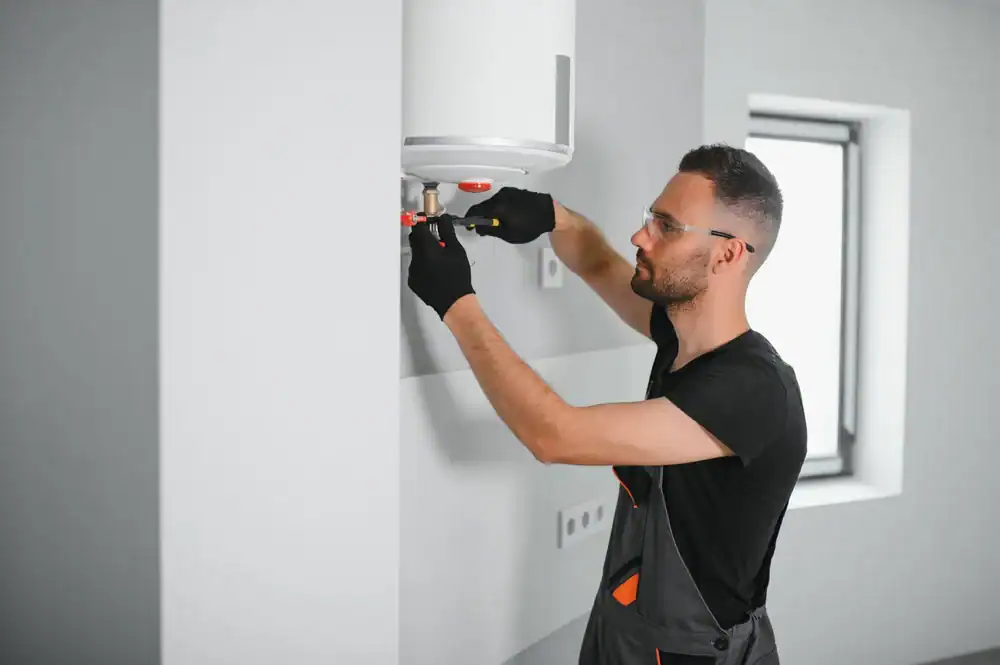
Ready to get started?
Boiler repair covers the stuff that stops your system from heating your home. Leaking water from valves or the tank itself. Pressure dropping too low or spiking too high. Ignition problems where the burner won’t fire. Circulator pumps that quit moving hot water through your radiators or baseboard heat.
We also handle the less obvious stuff: thermostats that aren’t calibrated right, air trapped in the lines, and expansion tanks that have failed. In Bradley Beach, we see a lot of corrosion issues because of the coastal environment. Salt air accelerates wear on metal components, so what might last 15 years inland can fail in 10 here.
If your boiler’s making noise—banging, whistling, gurgling—that’s usually sediment buildup, a failing pump, or air in the system. All fixable, but all things that get worse if you ignore them.
Annual maintenance is the other half of keeping your system alive. A tune-up before winter means cleaning the heat exchanger, checking the flue, testing safety controls, and making sure your system’s running efficiently. Most breakdowns happen in December and January because systems that were barely holding on finally give out under the load. You can avoid that.
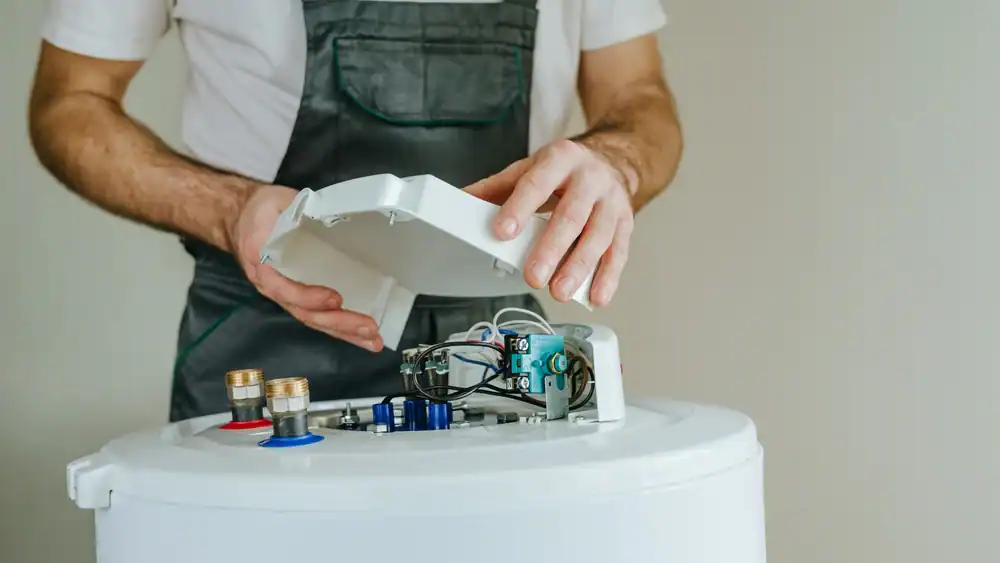
It depends entirely on what’s broken. A simple fix like replacing a pressure relief valve or bleeding air from the lines might run a few hundred dollars. A circulator pump replacement is more. If your heat exchanger is cracked or your boiler’s leaking from the tank itself, you’re often looking at replacement instead of repair.
We give you the price before we start the work, so there’s no confusion later. If the repair costs more than half what a new system would cost, we’ll tell you that too. Some boilers are worth fixing. Some aren’t.
What drives cost up is usually labor, parts availability, and whether we’re dealing with an older system that requires custom or hard-to-find components. Newer boilers are easier and cheaper to repair because parts are standardized and stocked locally.
Leaking water is number one. It’s usually a valve, a seal, or corrosion in the tank or pipes. Coastal air accelerates rust, especially if your boiler’s in a damp basement.
Low pressure is another big one. Your boiler needs a specific pressure range to push hot water through your heating system. If it drops too low, you lose heat. That’s often caused by leaks, a faulty pressure relief valve, or an expansion tank that’s waterlogged.
No heat at all usually means an ignition problem, a tripped safety control, or a dead circulator pump. Sometimes it’s as simple as a thermostat issue or a blown fuse. Other times it’s a failed igniter or gas valve.
Strange noises—banging, kettling, gurgling—typically point to sediment buildup, air in the lines, or a pump that’s on its way out. These aren’t emergencies yet, but they will be if you wait.
Most repairs are done the same day, often within a couple of hours. If we’re replacing a circulator pump, a valve, or a thermostat, that’s pretty straightforward.
If we need to order a part, it might take a day or two depending on what it is and whether it’s in stock locally. For older or less common boiler models, parts can take longer. We’ll let you know upfront if that’s the case.
Emergency repairs—like when you have no heat in the middle of winter—get priority. We’ll do what it takes to get you heat again, even if that means a temporary fix while we wait for the right part to arrive.
The diagnostic itself usually takes 30 to 45 minutes. We’re checking the whole system, not just the obvious problem, because sometimes what looks like a pump failure is actually a pressure issue or a clogged line.
If your boiler’s under 10 years old and the repair is straightforward, fix it. If it’s over 15 years old and you’re looking at a major repair, replacement usually makes more sense.
Here’s why: older boilers are less efficient, so you’re already paying more to heat your home than you would with a newer system. If you sink $1,500 into repairing a 20-year-old boiler, you might get another two or three years out of it—or it might fail again next winter. A new boiler comes with a warranty, lower energy bills, and fewer repair calls.
We’ll give you both options and the real numbers so you can decide. If the repair buys you several more years and fits your budget, that’s a valid choice. If you’re just delaying the inevitable and throwing money at a system that’s done, we’ll tell you that too.
Cracked heat exchangers, leaking tanks, and repeated failures are usually signs it’s time to replace. Everything else is case by case.
Yes. If your heat’s out and it’s 20 degrees outside, that’s an emergency. We offer 24/7 service for situations like that.
Emergency calls get prioritized, especially during cold snaps when everyone’s system is working overtime. We’ll get someone to your home as fast as we can, diagnose the problem, and get your heat back on.
If it’s something we can fix on the spot, we do it. If we need a part and it’s the middle of the night, we’ll do whatever we can to get you temporary heat and come back to finish the job properly.
Emergency service does cost more than a regular appointment because of the after-hours response, but you’re paying for speed and availability when you need it most. We’re upfront about pricing even in emergencies—you’ll know what it costs before we start.
Once a year, ideally in the fall before you start using your heat regularly. That gives us time to catch small problems before they turn into no-heat emergencies in January.
Annual maintenance includes cleaning the heat exchanger, inspecting the burner and ignition system, testing safety controls, checking for leaks, verifying pressure levels, and making sure the flue is venting properly. We also look at the circulator pump, expansion tank, and any valves that could cause problems.
Regular maintenance extends the life of your boiler and keeps it running efficiently. A dirty or neglected system works harder, costs more to operate, and fails sooner. Most manufacturers require annual maintenance to keep the warranty valid, so skipping it can cost you in more ways than one.
If you’re in Bradley Beach and your boiler’s older or you’ve had issues before, maintenance isn’t optional. Coastal conditions are harder on heating systems, and catching corrosion or wear early saves you from bigger repairs later.