
Reviews
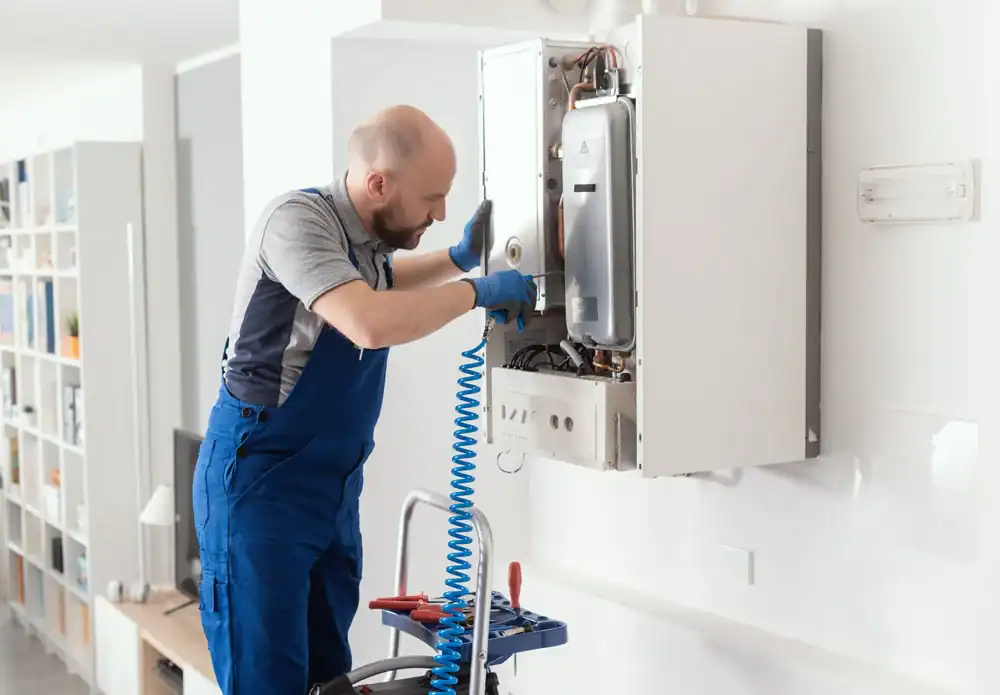
You’re not just getting a patch job. You’re getting a boiler that heats every room evenly, runs quieter, and doesn’t wake you up at 2 a.m. with banging pipes or cold bedrooms.
Your energy bills drop because the system isn’t working twice as hard to do half the job. No more wondering if it’ll make it through January. No more space heaters in the hallway or blankets on the couch.
A properly repaired boiler means consistent heat when you need it, fewer emergency calls during the coldest weeks, and one less thing to worry about when the forecast drops below freezing. That’s what you’re paying for.
We’re based right here in Monmouth County. We’re licensed, insured, and we’ve spent over a decade working on boilers in homes just like yours—older systems, coastal salt air, basements that flood, pipes that freeze.
We know what breaks in Belford. We know what lasts. And we know the difference between a repair that buys you a few months and one that buys you a few years.
You’re not getting a national franchise or a guy in a van with no local history. You’re getting a family-owned company that’s been doing this work in your area long enough to have a reputation worth protecting.

You call or text. We pick up. If it’s an emergency, we’re on the way—24/7, even weekends. If it’s a scheduled repair, we show up on time and let you know if we’re running late.
First thing we do is listen. What’s going on? When did it start? Any weird sounds, leaks, or cold spots? Then we run a full diagnostic on your boiler—pressure, burner, circulator pump, thermostat, safety controls, the works.
Once we know what’s wrong, we explain it in plain terms. No jargon. No upselling. Just what’s broken, what it’ll cost to fix, and how long it’ll take. You decide if you want to move forward. If you do, we handle the repair right there and test everything before we leave.
You get upfront pricing, no surprises on the bill, and a system that’s actually working when we’re done.
Ready to get started?
We handle everything from minor fixes to full component replacements. That includes boiler leaking water from valves or fittings, pilot light issues, ignition failures, and pressure problems that leave some rooms cold while others overheat.
If your circulator pump is shot or your heat exchanger is cracked, we’ll tell you. If it’s something simpler—like a clogged filter or bad thermostat—we’ll tell you that too. Belford’s coastal location means salt air eats through metal faster than inland towns, so we check for corrosion even if that’s not what you called about.
We also handle frozen condensate pipes, which are common here during cold snaps, and burner issues that cause your boiler to cycle on and off or fail to ignite. Every repair includes a safety check and a system test to make sure it’s heating properly and not leaking gas or carbon monoxide.
You’re covered whether it’s a quick fix or a bigger job. And if your system is too old or too far gone, we’ll walk you through your options without the pressure.
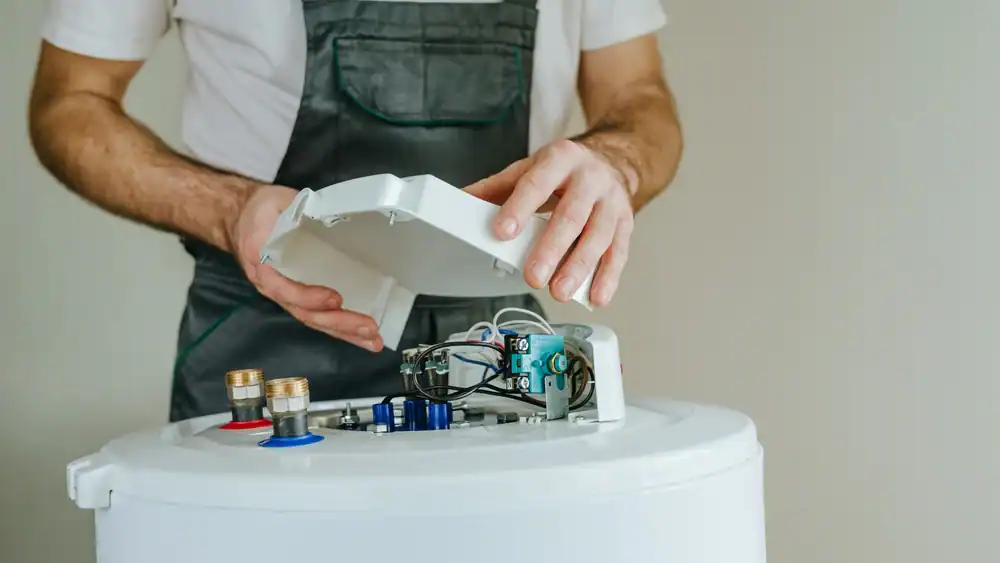
Most boiler repairs in Belford run between $200 and $800 depending on what’s broken. A simple fix like a faulty thermostat or pressure valve replacement is on the lower end. Bigger jobs—like a bad circulator pump, ignition control, or heat exchanger—can push past $1,000.
We give you the price before we start. No hidden fees, no surprise charges after the fact. If your boiler is over 20 years old and the repair costs more than half of a replacement, we’ll be straight with you about whether it makes sense to keep fixing it.
Emergency calls outside business hours may include a trip fee, but you’ll know that upfront when you call. And if the repair is covered under a manufacturer or labor warranty, we’ll let you know before you pay for something you don’t have to.
If your boiler is under 15 years old and the repair is under $500, fixing it usually makes sense. If it’s over 20 years old, needs frequent repairs, or the fix costs more than half of a new system, replacement is often the smarter move.
Other signs it’s time to replace: your energy bills keep climbing even though you’re not using more heat, some rooms never get warm no matter what you do, or you’re hearing loud banging and kettling noises that won’t go away. Those usually mean the heat exchanger or internal components are worn out.
We’ll walk you through the math. If a $1,200 repair buys you two more years on a 25-year-old boiler, that’s $600 a year. A new high-efficiency system might cost $5,000 but last 15 to 20 years and cut your heating bills by 20%. We’re not here to sell you either way—we’re here to give you the information so you can decide what makes sense for your situation.
Most boiler leaks come from pressure problems, corrosion, or a bad seal. If the pressure is too high, water escapes through the pressure relief valve—that’s a safety feature, not a defect. If the pressure is too low, air gets in and causes other issues.
Corrosion is common in older boilers, especially in Belford where salt air accelerates rust on pipes and fittings. A small pinhole leak in a pipe or valve can drip for weeks before you notice it. Pump seals and gaskets also wear out over time and start leaking around connections.
If you see water pooling under your boiler, don’t ignore it. Even a small leak can damage your floors, promote mold, or lead to a bigger failure. We’ll find the source, fix the leak, and check your pressure and safety controls to make sure it doesn’t happen again. Most leaks are fixable without replacing the whole system.
Yes. We’re available 24/7 for heating emergencies. If your boiler goes out in the middle of the night or on a weekend and your house is getting cold, call us. We’ll get someone out as fast as we can.
Emergency service includes no heat situations, gas leaks, water leaks that are actively flooding, and any safety issue like a carbon monoxide alarm going off. We prioritize calls where people are without heat in freezing temperatures, especially if there are kids or elderly family members in the house.
Response time depends on where we are and how many calls are ahead of you, but we’re local to Monmouth County and we’re usually faster than the big franchise companies. You’ll talk to a real person when you call, not a call center three states away.
Once a year, ideally in the fall before you start using it regularly. Annual maintenance catches small problems before they become expensive repairs and keeps your boiler running efficiently.
During a maintenance visit, we clean the burner and heat exchanger, check the ignition system, test safety controls, inspect for leaks or corrosion, and measure combustion efficiency. We also bleed the radiators if you have a hot water system and check the circulator pump and pressure levels.
Skipping maintenance doesn’t mean your boiler will fail immediately, but it does mean you’re more likely to have a breakdown in January when you need heat the most. A well-maintained boiler lasts longer, costs less to run, and gives you fewer headaches. Most people spend $150 to $250 a year on maintenance and avoid way bigger bills down the road.
Banging usually means trapped air in the system or something called “kettling,” which happens when limescale builds up on the heat exchanger and causes water to boil and steam. Whistling often points to a stuck valve, restricted airflow, or pressure that’s too high.
If you hear banging when the boiler first fires up, that’s likely air in the lines. Bleeding the radiators or purging the system usually fixes it. If the banging is constant or gets louder over time, that’s kettling, and it means your heat exchanger needs cleaning or replacing.
Whistling is less common but usually means something is partially blocked or a valve isn’t opening all the way. Both issues are fixable, but they won’t go away on their own. Ignoring them can lead to bigger damage and higher repair costs. We’ll diagnose the noise, explain what’s causing it, and fix it so your boiler runs quietly again.