Reviews
You’re not just paying for a repair. You’re paying to stop worrying every time the temperature drops.
A working boiler means your family stays warm through those brutal Atlantic Highlands nights when the wind comes off the water. It means your pipes aren’t at risk of freezing. It means you’re not layering sweaters indoors or dealing with emergency hotel stays because your house is uninhabitable.
When your heating system runs the way it should, your energy bills stay predictable. You’re not burning extra fuel trying to compensate for a system that’s limping along. You sleep better knowing you won’t wake up to a freezing house at 3 a.m.
That’s what a proper boiler repair does. It gives you back control over your comfort and your budget.
We’re a family-owned company based right here in Monmouth County. We’re licensed, insured, and we’ve spent over a decade learning exactly how heating systems fail in this area.
Atlantic Highlands homes deal with coastal humidity, aging infrastructure, and heating systems that run hard for months at a time. We’ve seen what breaks, what lasts, and what’s worth repairing versus replacing. That experience matters when you’re standing in a cold house trying to figure out your next move.
We don’t upsell. We don’t disappear after the estimate. We show up when we say we will, we explain what’s actually wrong, and we give you options that make sense for your situation and your budget.

You call or message us, and we get someone to your property fast. If it’s an emergency, we’re available 24/7 because boiler breakdowns don’t wait for business hours.
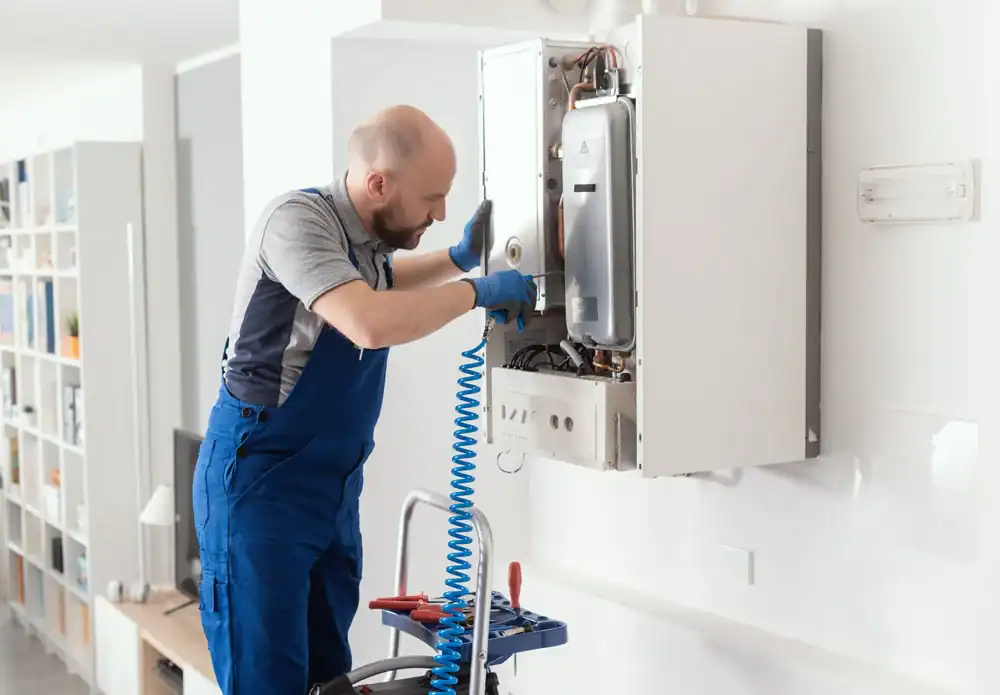
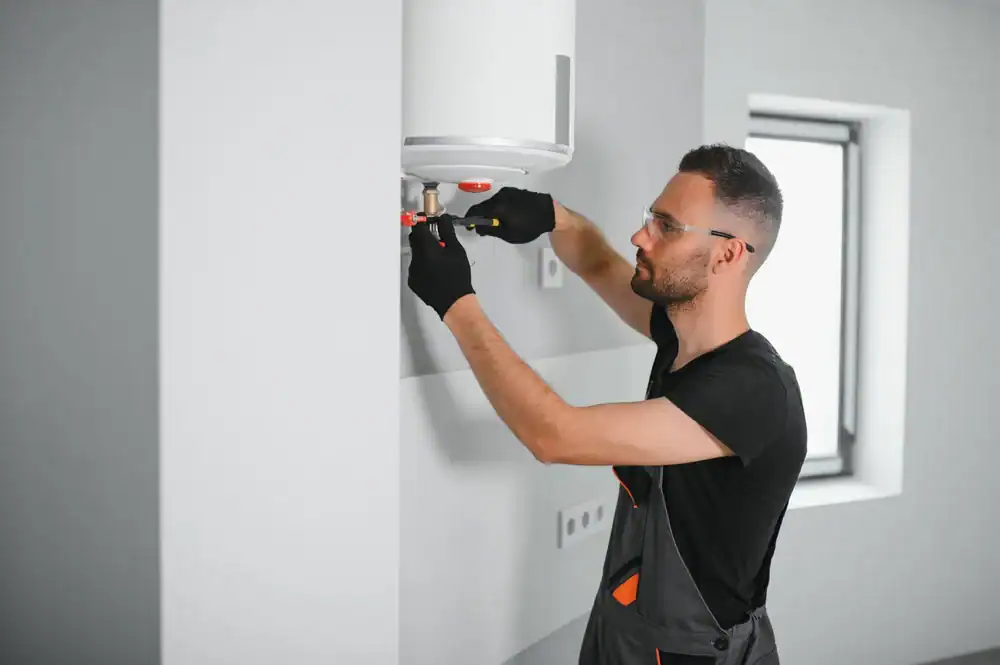
When we arrive, we run a full diagnostic. That means checking your pressure levels, inspecting the heat exchanger, testing the thermostat, looking for leaks, and listening for anything unusual. We’re not guessing. We’re identifying the actual problem.
Once we know what’s wrong, we walk you through it. You’ll get an upfront price before any work starts. No surprise charges, no hidden fees. If the repair cost is pushing close to half the price of a new system, we’ll tell you that too. Sometimes a replacement makes more financial sense, and we’re not going to string you along if that’s the case.
After you approve the work, we fix it. Most standard boiler repairs get done the same day. We test everything before we leave to make sure your heat is back and stable.
Ready to get started?
Boiler repair covers a lot of ground depending on what’s failing. We handle everything from pilot light issues and pressure problems to leaking pipes and strange noises that mean something’s about to give out.
In Atlantic Highlands, we see a lot of corrosion-related failures because of the coastal air. Salt and moisture accelerate wear on metal components, especially in older systems. We also deal with sediment buildup in homes with hard water, which clogs lines and reduces efficiency.
If your boiler is leaking water, that’s usually a valve issue, a crack in the heat exchanger, or a blown seal. If it’s making banging or whistling sounds, you’re likely dealing with trapped air, low water pressure, or limescale on the heat exchanger. If your heat is uneven or nonexistent, the problem could be your thermostat, your circulator pump, or a blockage in your system.
We fix gas boilers, oil boilers, electric systems, combi units, and conventional setups. We also service all major brands. If it heats your home and it’s broken, we can repair it.
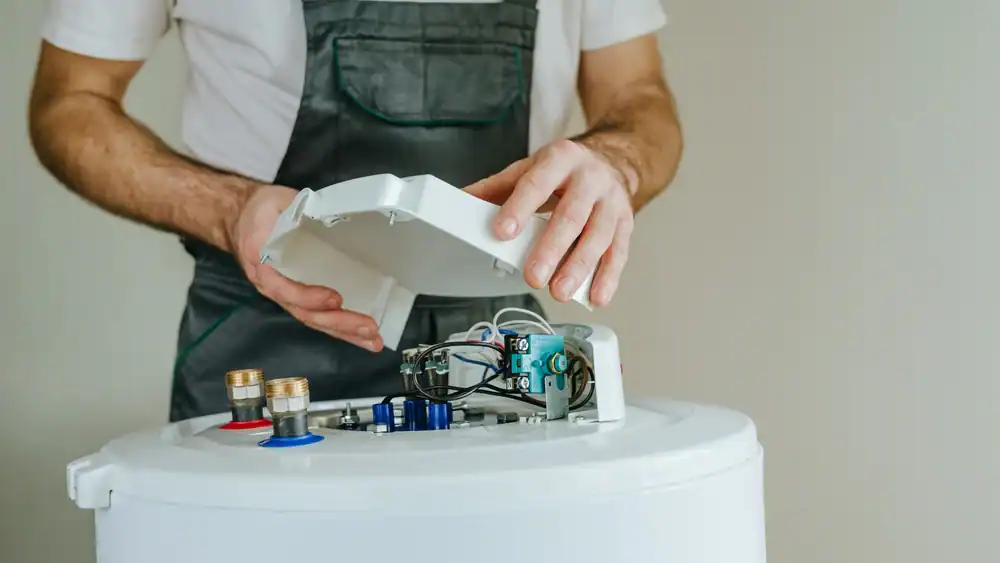
Most boiler repairs in this area run between $150 and $800, depending on what’s broken. A simple fix like a faulty thermostat or a pilot light relight is on the lower end. Replacing a circulator pump, a pressure valve, or a control board costs more.
If the issue involves your heat exchanger or requires major component replacement, you’re looking at $1,000 or more. At that point, we’ll also give you the numbers on what a new boiler would cost so you can make an informed decision. If the repair is more than half the cost of replacement and your system is over 15 years old, replacement usually makes more sense.
We give you the price upfront. You’ll know what it costs before we start, and that price won’t change unless we find something else wrong and you approve the additional work.
If your boiler is under 10 years old and the repair cost is reasonable, fixing it almost always makes sense. If it’s over 15 years old, breaking down frequently, or the repair cost is steep, replacement is worth considering.
Other signs you’re better off replacing: your energy bills keep climbing even though your usage hasn’t changed, you’re calling for repairs multiple times a year, or your system can’t keep up with demand even after a fix. Older boilers also run less efficiently, which means you’re spending more on fuel than you would with a modern high-efficiency unit.
We’ll walk you through the math. If a $1,200 repair buys you another two years but a $4,000 replacement buys you 15 years and cuts your heating costs by 20%, that’s a conversation worth having. We’re not here to push you one way or the other. We just want you to know what makes sense.
Boilers fail in winter because that’s when they’re working the hardest. Your system runs longer cycles, fires up more frequently, and deals with more stress than it does the rest of the year. That’s when weak points give out.
The most common winter failures we see are frozen condensate pipes, low pressure from small leaks that finally matter, and pilot lights that go out because of drafts or dirty sensors. We also see a lot of circulation pump failures because they’ve been running nonstop and finally burn out.
In Atlantic Highlands, cold snaps can cause pipes to freeze if your boiler isn’t maintaining consistent heat. That leads to blockages and pressure drops. Regular maintenance before winter hits helps catch these issues early, but even well-maintained systems can fail when they’re pushed hard for weeks on end.
Yes. We’re available 24/7 for heating emergencies because we know a broken boiler in January isn’t something you can wait until Monday to fix.
When you call us for emergency service, we prioritize getting someone to your property as quickly as possible. Most of the time, that means same-day service, even on nights and weekends. We carry common parts on our trucks so we can handle a lot of repairs on the spot without waiting for an order.
Emergency calls do come with a higher service rate because of the after-hours availability, but we’re upfront about that cost when you call. If your situation isn’t truly urgent and can wait until the next business day, we’ll tell you that too. We’re not going to charge you emergency rates if it’s not an emergency.
Most standard boiler repairs take between one and three hours once we’re on-site. That includes diagnosing the problem, getting your approval, making the repair, and testing the system to make sure everything’s working.
Simple fixes like relighting a pilot, bleeding air from the system, or replacing a thermostat can be done in under an hour. More involved repairs like swapping out a circulator pump, replacing a pressure relief valve, or fixing a leak take longer.
If we need to order a part, that changes the timeline. We’ll let you know upfront if that’s the case and give you an estimate for when we can return to finish the job. In the meantime, we’ll do what we can to get you temporary heat if possible, or at least make sure your system is safe until we can complete the repair.
You can’t prevent every breakdown, but regular maintenance cuts your risk significantly. Annual inspections catch small problems before they turn into expensive failures or leave you without heat in the middle of winter.
During a maintenance visit, we clean components, check for leaks, test pressure levels, inspect the heat exchanger, and make sure all safety controls are working. We also look for signs of wear that suggest a part might fail soon so you can replace it on your schedule instead of during an emergency.
Homes in Atlantic Highlands benefit from maintenance before winter starts, usually in late fall. That’s when we can address anything that might not survive a hard heating season. Regular service also keeps your system running efficiently, which lowers your fuel costs and extends the life of your boiler. Most of our maintenance customers see fewer breakdowns and lower energy bills compared to systems that only get attention when something goes wrong.