Reviews
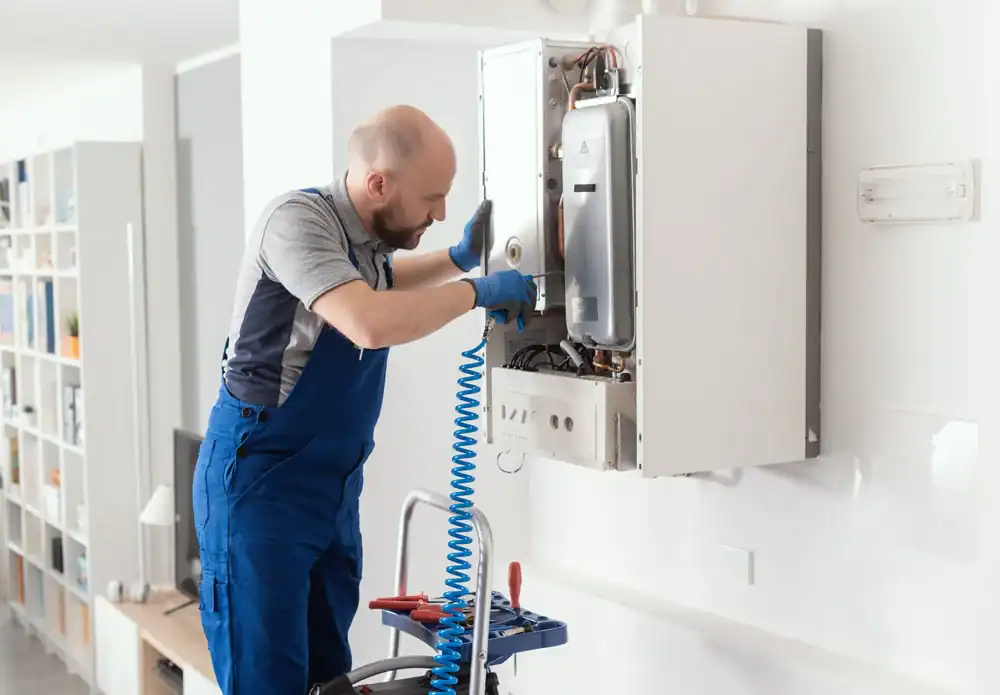
When your boiler stops working on a freezing January night in Allentown, you don’t need theories or estimates. You need heat restored now.
That’s what you get. A licensed technician who shows up fast, diagnoses the actual problem, and fixes it right the first time. No guessing. No upselling you on a replacement when a repair will do the job.
You’ll know the cost before work starts. You’ll get a repair that lasts through the rest of winter and beyond. And if it’s 2 a.m. on a Sunday, you’ll still get someone on the phone who can help.
Most boiler repairs in Allentown get handled same-day during heating season. That means your family isn’t bundling up indoors while you wait days for a callback. It means your pipes stay protected and your home stays livable.
We’ve been handling boiler service and plumbing in Monmouth County for years. We’re based here, licensed in New Jersey, and we know what breaks down in homes around Allentown.
Older boilers. High-efficiency systems that throw error codes. Leaking pressure relief valves in the middle of a cold snap. We’ve seen it all, and we’ve fixed it all.
You won’t get a runaround when you call. You’ll talk to someone who understands what’s happening and can get a technician to your door fast. We’re available 24/7 because boiler failures don’t wait for business hours, especially when Allentown temperatures drop into the teens and your heating system decides it’s done.

First, we answer the phone. If it’s an emergency, we prioritize getting someone to your home as quickly as possible, often the same day.
When our technician arrives, they’ll assess your boiler to figure out what’s actually wrong. Is it a faulty circulator pump? A pressure issue? A leak that’s causing the system to shut down? You’ll get a clear explanation of the problem in plain language, not technical jargon you have to Google later.
Before any work starts, you’ll see the price. No hidden fees. No surprise charges when the job’s done. If you approve, the repair happens on the spot in most cases.
Once the boiler’s running again, our technician will test the system to make sure everything’s working safely. They’ll check for leaks, verify proper pressure, and confirm that heat is flowing to your home. You’ll also get straightforward advice on whether your system needs maintenance or if there are other issues to watch.
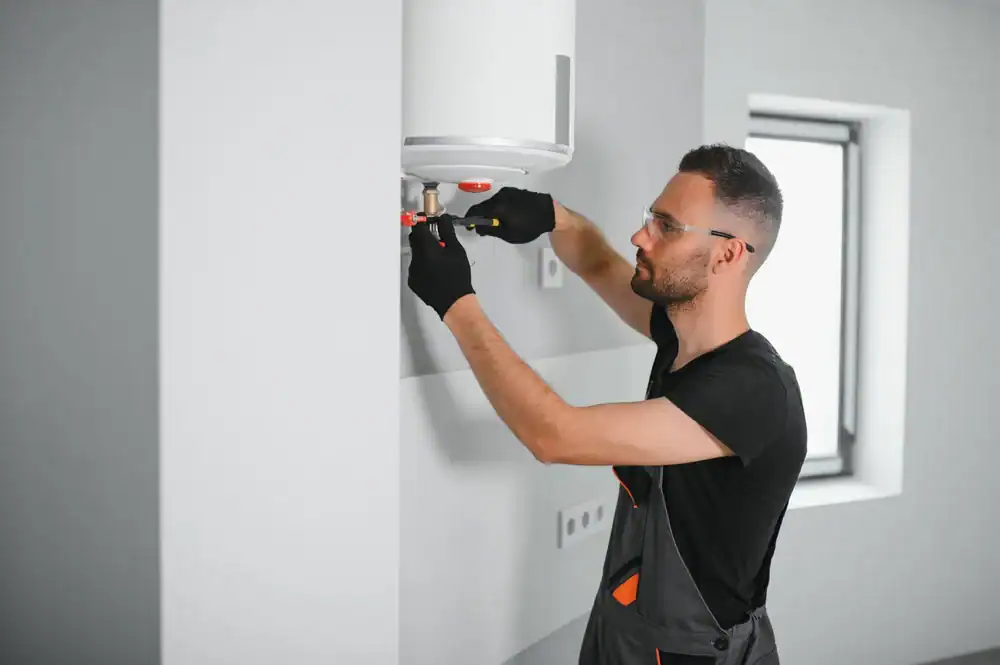
Ready to get started?
Every boiler repair starts with a full system diagnostic. That means checking pressure levels, inspecting the heat exchanger, testing safety controls, and identifying why your boiler isn’t heating your home.
If your boiler is leaking water, we’ll find the source—whether it’s a corroded pipe, a failing pressure relief valve, or a crack in the heat exchanger. Leaks aren’t something you wait on. They can cause serious damage to your home and indicate your boiler’s integrity is compromised.
In Allentown, we’re dealing with heating systems that run hard from November through March. That’s over 5,600 heating degree days on average, which means your boiler is working constantly. Wear and tear adds up. Parts fail. And when they do, you need someone who can source the right components and install them correctly.
We also handle boiler service and maintenance if you want to avoid emergency breakdowns in the first place. Regular maintenance catches small problems before they turn into expensive failures during the coldest weeks of winter. With natural gas heating costs up 23% this year and a colder La Niña winter expected, keeping your boiler running efficiently isn’t just about comfort—it’s about controlling your heating bills.
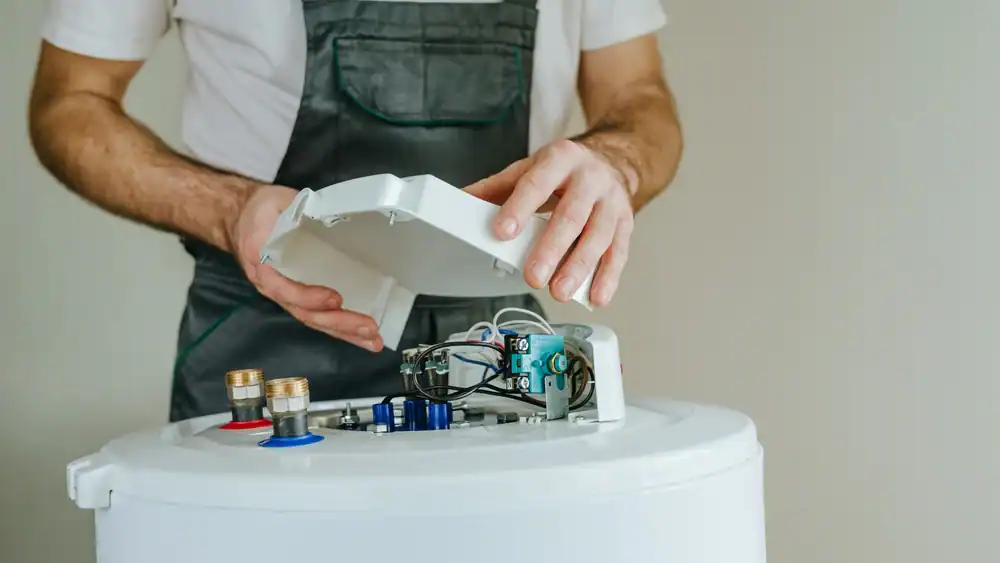
Boiler repair costs depend on what’s broken. A simple fix like replacing a circulator pump or a pressure relief valve typically costs a few hundred dollars. More complex repairs—like fixing a cracked heat exchanger or replacing a control board—can run higher.
You’ll get an upfront price before any work starts. That’s not standard everywhere, but it should be. You shouldn’t have to guess what you’re paying or get hit with surprise charges after we leave.
Emergency repairs during off-hours may carry a premium, but you’ll know that cost ahead of time too. And if you’re military or a first responder, you’ll get 10% off. If the repair is extensive and you need financing, that’s available as well.
No heat is the obvious one. But there are warning signs before your boiler quits entirely.
Strange noises—banging, whistling, or gurgling—usually mean there’s air in the system, a failing pump, or sediment buildup. If your boiler is making sounds it didn’t make last winter, don’t ignore it. Pressure problems are another red flag. If the pressure gauge is reading too high or too low, or if you’re constantly adding water to the system, something’s wrong.
Leaking water around the boiler is serious. It could be a small valve issue, or it could mean the tank itself is failing. Either way, it needs attention fast. And if you’re smelling sulfur or rotten eggs, that’s a gas leak. Get out of the house and call for emergency service immediately.
Inconsistent heating—some rooms warm, others freezing—can point to circulation issues or a boiler that’s struggling to keep up. Cold New Jersey winters expose these problems fast.
Most boiler problems can be repaired. A failing pump, a bad valve, a broken thermostat—these are all fixable without replacing the entire system.
But there are situations where replacement makes more sense. If your boiler is over 20 years old and needs a major repair, you’re often better off upgrading to a newer, more efficient model. Older boilers are less efficient, harder to find parts for, and more likely to fail again soon.
A cracked heat exchanger usually means replacement. That’s the heart of the boiler, and it’s not economical to fix. Same goes for a boiler that’s severely corroded or leaking from the tank itself. If your energy bills have been climbing and your boiler is running constantly just to keep your home barely warm, a new high-efficiency system will pay for itself over time.
We’ll tell you honestly whether repair or replacement is the smarter move. You won’t get pushed into a new boiler if a repair will give you several more years of reliable heat.
Yes. 24/7, including weekends and holidays.
Boiler failures don’t wait for convenient times. They happen at night, on Sundays, during the coldest stretch of January when you need heat the most. That’s exactly when you need a plumber and heating contractor who actually picks up the phone and sends someone out.
Emergency service means we prioritize your call and get a technician to your home as fast as possible. In many cases, that’s the same day—even during peak heating season when everyone’s system is working overtime.
When you call, you’ll talk to a real person who understands the urgency. They’ll walk you through what to do while you wait if needed, like checking your thermostat settings or making sure your boiler’s power switch didn’t get flipped off accidentally. Then one of our licensed technicians will show up, diagnose the issue, and get your heat back on.
Most boiler repairs take a few hours once our technician is on-site. Simple fixes—like replacing a valve or resetting a control—can be done in under an hour.
More involved repairs, like replacing a circulator pump or a control board, might take two to three hours depending on the boiler model and how accessible the parts are. If a part needs to be ordered, we’ll stabilize your system if possible and return once the component arrives.
The diagnostic itself usually takes 30 to 45 minutes. That’s when we’re figuring out what’s wrong, testing components, and checking safety systems. Once we know the problem and you approve the repair, the actual work moves quickly.
You won’t be left waiting days for a callback or stuck in a queue behind a dozen other customers. During heating season in Allentown, we know every hour without heat matters. We move fast, but we don’t cut corners.
Yes. Regular boiler maintenance catches problems before they become emergencies.
A boiler service includes cleaning components, testing safety controls, checking for leaks, inspecting the heat exchanger, and making sure the system is running at peak efficiency. It’s not glamorous, but it’s how you avoid a breakdown at 3 a.m. in the middle of a cold snap.
Boilers in Allentown work hard. With over 5,600 heating degree days annually, your system runs for months straight. That kind of use creates wear. Sediment builds up. Seals dry out. Parts that were fine last year start to fail.
Annual maintenance also keeps your energy bills lower. A boiler that’s running efficiently uses less fuel to heat your home. With natural gas prices up significantly this winter and a colder-than-usual season expected thanks to La Niña, that efficiency matters more than ever. Most manufacturers also require regular maintenance to keep warranties valid, so skipping service can cost you coverage if something major breaks.