Reviews

You set your thermostat to 72, but your house is stuck at 80. Your energy bills keep climbing. Your system runs constantly but never quite catches up. Sound familiar?
Living this close to the ocean means your air conditioner faces challenges that inland systems never see. Salt air corrodes condenser coils faster. Humidity makes your system work overtime. And when temperatures hit the 90s in July, a struggling AC isn’t just uncomfortable—it’s expensive.
When your system is installed correctly and maintained by people who understand coastal conditions, you get consistent cooling without the constant repairs. Your home stays comfortable even during heat waves. Your energy bills stop creeping up every summer. And you’re not wondering if this is the year your system finally gives out.
That’s what proper AC installation and regular maintenance actually do. They give you one less thing to worry about when summer hits.
We’ve spent years working on HVAC systems throughout Monmouth County. We’re not a national chain with rotating technicians. We’re local, licensed, and we’ve seen what happens to air conditioners in West Long Branch when they’re not maintained properly.
The coastal environment here isn’t kind to HVAC equipment. We know which components fail first when exposed to salt air. We know how to size systems correctly for homes that need to handle both cooling and dehumidification. And we know the difference between a quick fix and a repair that actually lasts.
When you call, you talk to someone who can help you—not a call center. Our technicians show up on time, explain what’s happening with your system in plain language, and give you upfront pricing before any work starts.

First, we listen. You tell us what’s going on—whether your AC isn’t cooling, your energy bills are too high, or you’re ready for a new system. We ask the right questions to understand what’s actually happening, not just what the symptoms are.
If it’s a repair, we diagnose the problem and explain what we found. You get clear options and upfront pricing before we touch anything. No surprises, no pressure. If it’s an installation, we look at your home’s size, your ductwork, and your cooling needs to recommend the right system—not the most expensive one.
During installation, we handle everything from removing your old unit to testing the new system under load. We check refrigerant levels, airflow, and thermostat calibration. For repairs, we fix the problem and check the rest of your system to catch anything else that might fail soon.
After we’re done, we walk you through what we did and answer any questions. If you’re getting a new system, we show you how to use it efficiently. And if you ever have an issue, we’re available 24/7 for emergencies.

Ready to get started?
Our AC installation service covers everything from helping you choose the right size system to hauling away your old unit. We handle the electrical work, the refrigerant lines, the condensate drainage, and the thermostat setup. You’re not coordinating multiple contractors or wondering if something was missed.
For AC repair, we diagnose the actual problem—not just the obvious symptom. If your system isn’t cooling, we check refrigerant levels, compressor function, airflow, and electrical connections. We look for underlying issues that could cause another breakdown next month.
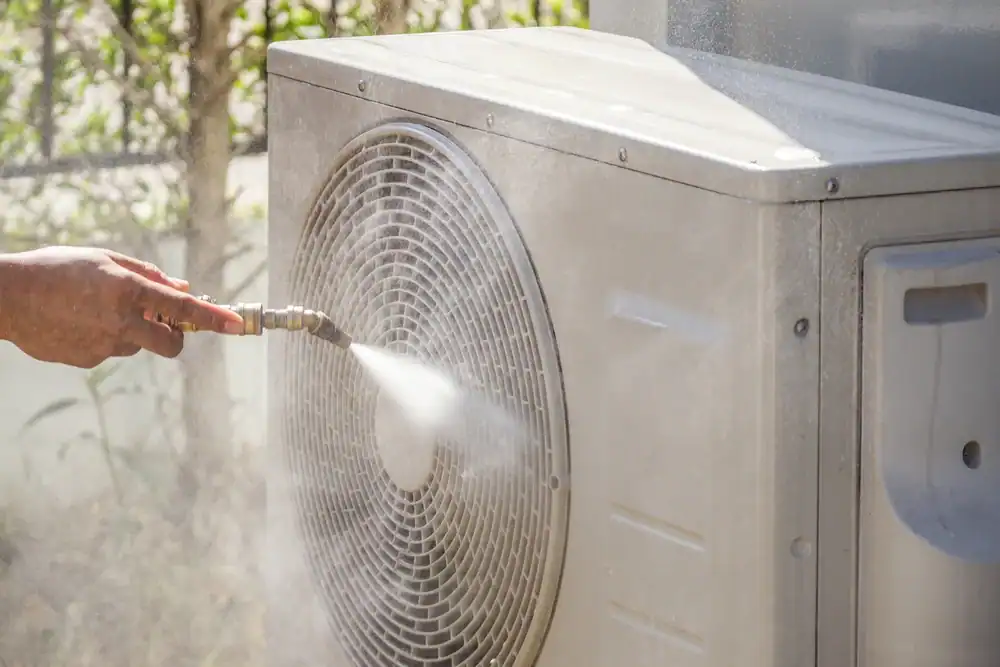
AC maintenance is where most coastal homeowners save money long-term. We clean your condenser coils to remove salt buildup. We check for early signs of corrosion. We test your system’s efficiency and catch small problems before they turn into expensive emergency repairs in the middle of summer.
West Long Branch’s location means your AC system needs attention twice a year—not just once. Spring tune-ups prepare your system for summer heat. Fall checkups catch damage from months of heavy use. Skipping maintenance here costs more than it does inland, because salt air accelerates wear on every component.

Most central air systems last 12 to 15 years in coastal areas like West Long Branch, but that assumes regular maintenance. Without it, you’re looking at closer to 8 to 10 years before major components start failing.
Salt air is the main culprit. It attaches to your condenser coils and metal components, causing corrosion that wouldn’t happen as quickly inland. Even high-quality units degrade faster when they’re this close to the ocean.
If your system is over 10 years old and needs a major repair—like a compressor or condenser replacement—it’s often smarter to replace the whole unit. Putting $2,000 into a system that might only last another two years doesn’t make financial sense. We’ll tell you honestly when repair costs don’t justify the remaining lifespan.
If your home only cools down to the low 80s when it’s 95 degrees outside, your system is likely undersized, low on refrigerant, or dealing with airflow problems. Sometimes it’s all three.
Undersized systems run constantly but never catch up because they don’t have enough cooling capacity for your square footage. This is common in older homes where someone installed the cheapest unit instead of the right-sized one. Low refrigerant means your system can’t absorb enough heat from inside your home. And blocked airflow—from dirty coils, clogged filters, or ductwork issues—prevents cool air from reaching your rooms efficiently.
We can measure your home’s cooling load and check your system’s actual output to pinpoint the problem. Sometimes it’s a simple fix like cleaning coils or adding refrigerant. Other times, you need a properly sized replacement to actually stay comfortable during New Jersey summers.
Twice a year. Once in late spring before summer heat arrives, and once in fall after you’ve run your system hard for months. Coastal homes need more frequent maintenance than inland properties because salt air accelerates corrosion and buildup.
During a tune-up, we clean your condenser coils to remove salt residue, check refrigerant levels, test electrical connections, and inspect for early signs of rust or component wear. We also clean or replace filters and make sure your condensate drain isn’t clogged—humidity here makes drainage problems more common.
Skipping maintenance doesn’t just shorten your system’s lifespan. It makes your AC work harder, which drives up your energy bills and increases the chance of a breakdown during the hottest part of summer. A mid-July failure in West Long Branch means you’re competing with every other shore town for emergency service, and you’re paying premium rates for it.
It depends on your home’s square footage, insulation, window placement, and how much humidity your system needs to handle. There’s no one-size-fits-all answer, and bigger isn’t always better.
An oversized system cools your home quickly but shuts off before it removes enough humidity. You end up cold but clammy. An undersized system runs constantly, struggles during heat waves, and wears out faster from overwork. Both scenarios waste energy and money.
We calculate your actual cooling load based on your home’s specific characteristics. That includes things like ceiling height, how much sun hits your windows, and whether your attic insulation is doing its job. Then we recommend a system that matches your needs—not the most expensive option or the cheapest one, but the one that’ll keep you comfortable without running up your electric bill.
Yes. We’re available 24/7 for AC emergencies, because we know system failures don’t wait for business hours. When your air conditioner quits during a heat wave, you need someone who can actually get to you—not a call center that schedules you three days out.
Being local means we understand the urgency. We’ve seen what happens when elderly family members or young kids are stuck in a house that’s climbing past 85 degrees. We’ve seen how fast a small refrigerant leak can turn into a complete system failure if it’s not caught early.
Emergency calls get priority response. We diagnose the problem, explain your options, and give you upfront pricing even for after-hours service. Sometimes we can get you cooling again the same day. Other times, if a major component failed, we’ll at least tell you honestly what you’re dealing with and what it’ll take to fix it. No runaround, no inflated emergency pricing just because you called on a weekend.
Repair makes sense when your system is under 10 years old and the fix costs less than half of what a new system would run. Replacement makes sense when your system is older, needs frequent repairs, or a major component like the compressor has failed.
Here’s the math that matters: if your AC is 12 years old and needs a $1,800 repair, you’re putting serious money into a system that’s already near the end of its expected lifespan for coastal conditions. You might get another two or three years out of it, or it might need another expensive repair next summer. A new system costs more upfront but comes with a warranty, better efficiency, and 12 to 15 years of reliable cooling ahead of you.
We’ll walk you through the actual costs and expected lifespan for both options. Sometimes repair is the smart move. Sometimes it’s just delaying the inevitable. We’re not here to sell you a new system if your current one has good years left—but we’re also not going to let you throw money at a unit that’s already on borrowed time.