Reviews

You’re not looking for the cheapest fix. You want your house comfortable when it’s 90 degrees outside, and you don’t want to deal with the same problem again next month.
That’s what you get with proper AC installation and repair. A system that cools your home evenly, handles the humidity without leaving everything damp, and doesn’t spike your electric bill every time you turn it on. When your air conditioner is installed right and maintained correctly, you’re not constantly adjusting the thermostat or calling for emergency repairs in July.
Living near the coast means your AC works harder than systems inland. Salt air gets into everything—your condenser coils, your outdoor unit, all the metal components that keep your system running. Without the right protection and regular maintenance, you’re looking at breakdowns years earlier than you should be. That’s not a scare tactic. That’s just what happens when coastal conditions meet standard installation.
You deserve an air conditioning system that works when you need it, costs less to run, and doesn’t leave you sweating through another weekend waiting for someone to show up.
We’ve been handling air conditioner installation and repair throughout Monmouth County for years. We’re licensed, insured, and we actually understand what living near the water does to your HVAC system.
Spring Lake Heights isn’t like central New Jersey. The salt air, the humidity, the way homes are built here—it all matters when you’re installing or repairing an AC system. We’ve seen what happens when someone treats a coastal home like it’s anywhere else. The system fails early, efficiency drops, and you’re stuck paying for repairs that shouldn’t have been necessary.
We’re not the biggest company you’ll find. We’re local, we show up when we say we will, and we give you upfront pricing before we start any work. No surprises, no pressure, just straight answers about what your system needs and what it’ll cost.

First, we show up on time. Sounds basic, but you’d be surprised how many companies can’t manage that consistently.
We start with a thorough inspection of your system—not a quick glance, an actual diagnostic. If it’s a repair, we figure out what’s wrong and what caused it. If it’s an installation, we look at your home’s layout, your existing ductwork, and what size system you actually need (not what makes us the most money).
Then we walk you through what we found. You get a detailed explanation of the problem or the installation plan, upfront pricing with no hidden fees, and honest answers about your options. Most repairs get done the same day because we stock common parts on our trucks.
For installations, we handle the permits, we use anti-corrosion coatings on coastal systems, and we make sure everything is sized correctly for your home. Oversized systems cool fast but leave your house humid. Undersized systems run constantly and never quite get the job done. We install what actually fits your space.
After the work is done, we test everything, clean up completely, and show you how to maintain your system between service calls. If something goes wrong, we’re available 24/7 for emergencies.

Ready to get started?
Our air conditioner installation covers everything from load calculations and equipment selection to permit handling and coastal-specific protection treatments. You’re not just getting a unit installed—you’re getting a system designed for Spring Lake Heights conditions. That means anti-corrosion coatings on exposed components, proper drainage for humidity control, and sizing that accounts for how coastal homes heat and cool differently than inland properties.
AC repair starts with accurate diagnosis. We don’t guess, and we don’t replace parts hoping it fixes the problem. We find what’s actually wrong, explain what caused it, and fix it right the first time. Common repairs include refrigerant leaks, compressor issues, electrical problems, and drainage clogs—all things that happen faster in coastal environments if your system wasn’t protected properly from the start.
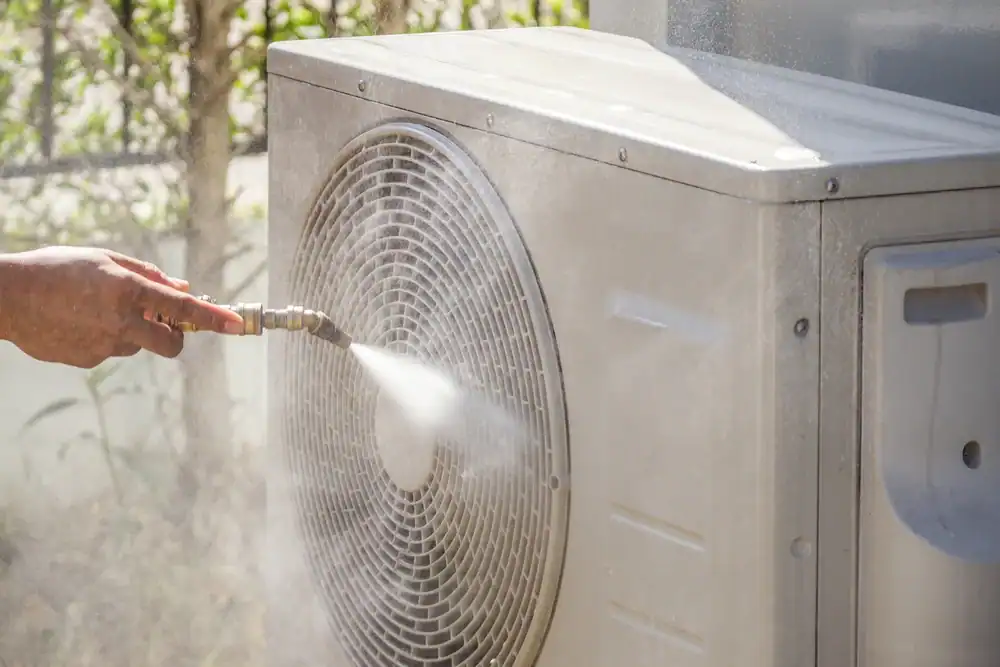
Maintenance and tune-ups keep your system running efficiently between seasons. We check refrigerant levels, clean coils that salt air has corroded, test electrical connections, and catch small problems before they become expensive emergencies. Regular maintenance on a coastal system isn’t optional—it’s the difference between 7 years and 12 years of system life.
Emergency service means we actually answer the phone and show up. Most calls get a response within a few hours, even on weekends and holidays. When your AC quits in the middle of summer, you shouldn’t have to wait three days for someone to look at it.

Installation costs typically range from $3,500 to $7,500 for most Spring Lake Heights homes, but that number moves based on system size, efficiency rating, and whether your ductwork needs modification. A 1,200 square foot home needs a different system than a 3,000 square foot Victorian, and coastal installations cost slightly more because of the anti-corrosion treatments your system needs to survive salt air.
Higher efficiency systems cost more upfront but save you money every month on your electric bill. The difference between a 14 SEER system and an 18 SEER system might be $1,500 at installation, but the 18 SEER unit could save you $30-50 monthly on cooling costs. Over ten years, that’s real money.
We give you exact pricing before we start any work. No ballpark estimates, no “it depends,” just a detailed breakdown of what you’re paying for and why. We also offer 0% financing options if you’d rather spread the cost out instead of paying everything upfront.
Salt air destroys air conditioning systems faster than anything else. The salt particles in coastal air attach to your condenser coils and metal components, causing corrosion that reduces efficiency and shortens equipment life. A system that might last 12-15 years inland often fails in 7-10 years near the shore without proper protection.
The corrosion happens gradually. Your system doesn’t just stop working one day—it slowly loses efficiency, works harder to cool your home, and costs more to run every month. By the time you notice the problem, the damage is usually extensive enough that you’re looking at major repairs or full replacement.
Anti-corrosion coatings create a protective barrier on exposed components, slowing salt penetration and extending your system’s life. Combined with regular maintenance that includes coil cleaning and inspection of vulnerable parts, you can get closer to that 12-15 year lifespan even in Spring Lake Heights. It’s not complicated—it just requires someone who knows what coastal systems need and actually does the work.
Most repairs get completed the same day if you call during business hours. We stock common parts on our trucks—capacitors, contactors, thermostats, and other components that fail regularly—so we’re not making multiple trips or ordering parts while you wait in a hot house.
Emergency calls get prioritized, and we typically arrive within a few hours even on weekends and holidays. We’re available 24/7 because AC systems have a habit of quitting on the hottest days of summer, and waiting until Monday isn’t realistic when it’s 90 degrees inside your house.
Some repairs take longer. If your compressor failed or you need a major component that we don’t carry on the truck, we’ll get the part ordered immediately and keep you updated on timing. But the majority of AC breakdowns—refrigerant leaks, electrical issues, drainage problems, failed capacitors—get fixed the same day we diagnose them.
System size depends on your home’s square footage, insulation quality, window placement, ceiling height, and how many people live there. A proper load calculation takes all of that into account—it’s not just square footage times a standard number.
Oversized systems are actually a problem, especially in humid coastal areas. A system that’s too big cools your house quickly but shuts off before removing enough moisture from the air. You end up with a home that feels cold and damp instead of comfortable. Undersized systems run constantly, never quite reach your target temperature, and wear out faster from overwork.
Most Spring Lake Heights homes need between 2 and 4 tons of cooling capacity, but that’s a rough range. We do the actual calculation before recommending a system size because installing the wrong size costs you money and comfort for the entire life of the system. It’s one of those things that seems minor but makes a huge difference in how your home feels and what you pay in energy costs.
Twice a year minimum—once before cooling season starts and once before heating season if you have a heat pump. Coastal systems need more frequent attention than inland systems because salt air accelerates wear on every component.
Spring maintenance catches problems before summer heat arrives. We check refrigerant levels, clean coils that have collected salt residue over the winter, test electrical connections, and make sure your system is ready to handle months of daily use. Finding a small refrigerant leak in April is a lot cheaper and less stressful than discovering it in July when your AC stops working.
Fall maintenance prepares your system for winter, especially if you’re using it for heat. Even if you’re not, a fall checkup removes debris, checks for corrosion damage from summer operation, and ensures everything is protected before the system sits unused for months. Systems that sit idle with salt damage tend to have problems when you start them up again.
You can stretch maintenance intervals longer if you live inland. Near the coast, twice yearly service is the difference between a system that lasts and one that fails early.
Yes, we’re available 24/7 for AC emergencies. When your system quits in the middle of summer, you shouldn’t have to wait until Monday morning or sit through a weekend in a hot house.
Emergency calls get prioritized in our schedule. We typically arrive within a few hours, even on weekends and holidays. Our trucks carry the most common repair parts, so there’s a good chance we’ll fix the problem the same day instead of diagnosing it and scheduling a follow-up visit.
Emergency service does cost more than scheduled repairs—that’s standard across the industry because you’re paying for immediate availability and after-hours work. But we’re upfront about pricing before we start, and we don’t inflate the cost of parts or add hidden fees. You pay for the emergency response and the actual repair work, nothing else.
If your AC stops working and it’s not an emergency—maybe it’s spring or fall and you can wait a day or two—regular service calls cost less. But when you need cooling immediately, we’re available and we’ll get your system running again as quickly as possible.