Reviews

Your AC goes out on the hottest day of summer. That’s not bad luck—it’s physics. Systems work hardest when temperatures spike above 90 degrees, and in Ramtown, that happens more than two weeks every year.
You don’t need a sales pitch. You need someone who picks up the phone, shows up when they say they will, and fixes the problem without turning a repair into a replacement upsell.
Most calls get same-day service. The technician who arrives has seen your exact problem before—warm air blowing, system cycling on and off, strange noises, refrigerant leaks. They’ll diagnose it, explain what’s wrong in plain language, and give you an upfront price before any work starts. No surprises when the bill comes.
If your system is beyond repair, you’ll get an honest assessment. Not a scare tactic. Not a commission-driven recommendation. Just the facts about what makes sense for your home and your budget.
We serve Monmouth County, including Ramtown and the surrounding coastal communities. Every technician on our team is licensed and insured, and we’ve handled everything from quick fixes to full system replacements in homes just like yours.
Ramtown sits close enough to the coast that humidity and salt air affect how your AC performs. Systems here work harder than they do inland. That means more wear on components, more potential for corrosion, and more need for regular maintenance.
We’ve been doing this long enough to know what fails first in this climate. And we stock the parts that break most often, so repairs don’t turn into multi-day ordeals waiting on an order.

You call or submit a request online. If it’s an emergency—no cooling during a heat wave, strange smells, electrical issues—we prioritize it for same-day service.
A technician arrives in a marked vehicle with the tools and common parts already on board. They’ll assess your system, run diagnostics, and identify the problem. Before any work begins, you’ll get a clear explanation of what’s wrong and what it’ll cost to fix.
If you approve the estimate, the repair happens on the spot in most cases. If it’s a bigger job or requires ordering a part, you’ll know the timeline upfront. No guessing.
For installations, the process starts with an assessment of your home’s size, layout, insulation, and ductwork. The goal is to match the system to your actual cooling load—not just sell you the biggest unit. Oversized systems short-cycle, waste energy, and don’t control humidity well. Undersized systems run constantly and never quite keep up.
Once the right equipment is selected, installation typically takes one to two days depending on whether ductwork modifications are needed. We remove the old system, install the new one, and test everything to make sure it’s running efficiently before we leave.

Ready to get started?
Emergency AC repair covers the urgent stuff—system failures during extreme heat, refrigerant leaks, electrical problems, compressor issues. If your house is getting dangerously hot or something’s clearly wrong, that’s what same-day service is for.
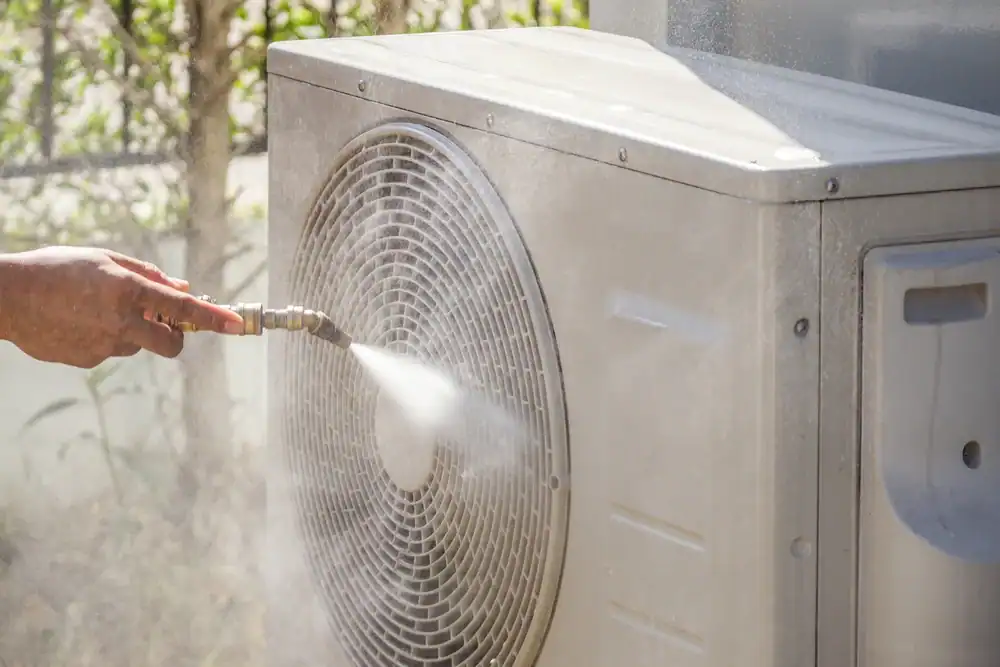
Routine AC maintenance includes filter changes, coil cleaning, refrigerant level checks, and inspecting electrical connections. Coastal air carries salt and moisture that accelerate corrosion on outdoor units. Regular cleaning extends the life of your equipment and catches small problems before they become expensive ones.
AC installation and replacement starts with load calculations to size the system correctly for your home. That includes evaluating your existing ductwork, insulation, and airflow. In Ramtown’s humid climate, proper sizing matters more than in drier areas—undersized systems can’t dehumidify effectively, and oversized ones cycle too quickly to remove moisture.
Ductless mini-split installation is an option if you’re adding cooling to a space without existing ductwork, like a garage conversion or addition. These systems also work well in older homes where adding ducts isn’t practical.
Indoor air quality services address filtration, humidity control, and ventilation. Coastal humidity promotes mold growth if your system isn’t managing moisture properly. Upgrading filtration or adding a dehumidifier can make a noticeable difference in comfort and air quality.

AC installation costs vary based on system size, efficiency rating, and whether your existing ductwork needs modifications. A straightforward replacement of a similar-sized unit typically runs less than a complete system upgrade with duct repairs.
For a standard central air system in a typical Ramtown home, expect to invest anywhere from a few thousand dollars for a basic model to significantly more for high-efficiency equipment with advanced features. Ductless mini-split systems have a different cost structure—they’re often less expensive to install if you’re cooling a single room or addition, but costs increase as you add more indoor units.
The upfront price includes removing your old system, installing the new equipment, testing everything, and making sure it’s running efficiently. If your ductwork has leaks or your insulation is inadequate, addressing those issues adds to the cost but also improves performance and lowers your energy bills long-term. You’ll get a detailed written estimate before any work starts, so there’s no confusion about what you’re paying for.
Warm air from your vents usually means one of a few things. The most common cause is low refrigerant, which happens when there’s a leak somewhere in the system. Refrigerant doesn’t get “used up”—if it’s low, something’s leaking.
Another possibility is a dirty or frozen evaporator coil. When airflow gets restricted—usually from a clogged filter or blocked return vents—the coil can’t absorb heat properly. Ice builds up, and suddenly you’re getting warm air even though the system is running.
Thermostat issues can also cause this. If it’s set to “fan only” instead of “cool,” or if the temperature setting is off, the blower will run but the compressor won’t kick on. Electrical problems, failed capacitors, or a bad compressor can prevent the outdoor unit from running even when the indoor fan is working fine.
In Ramtown’s humid climate, dirty coils are especially common because salt air and coastal moisture create buildup faster than in drier areas. We can diagnose the exact cause, but if your system is blowing warm air, don’t wait—it’s not going to fix itself, and running it can cause additional damage.
Once a year, ideally in spring before cooling season starts. That gives you time to address any problems before you actually need the system running every day.
Coastal conditions make regular maintenance more important here than in other areas. Salt air accelerates corrosion on outdoor units, and higher humidity means your system works harder to remove moisture from the air. Coils get dirty faster, drain lines clog more often, and electrical connections corrode if they’re not checked regularly.
During a maintenance visit, we clean the coils, check refrigerant levels, inspect electrical connections, test the capacitors, and make sure the condensate drain is clear. We’ll also check your air filter and let you know if it needs replacing. If something’s starting to wear out—like a capacitor that’s testing weak or a fan motor that’s drawing too much current—you’ll know before it fails completely.
Skipping maintenance doesn’t seem like a big deal until your system quits on the hottest day of summer. Regular service catches those problems early when they’re cheaper and easier to fix.
If your system is less than ten years old and the repair cost is reasonable, fixing it usually makes sense. If it’s older than fifteen years and needs a major repair—like a compressor or coil replacement—you’re often better off replacing the whole system.
Here’s the math that matters: multiply the system’s age by the repair cost. If that number is more than $5,000, replacement is usually the smarter move. A ten-year-old system needing a $600 repair? That’s $6,000—right on the line. A fifteen-year-old system needing the same repair? That’s $9,000—replace it.
Frequent breakdowns are another sign. If you’re calling for repairs multiple times per season, or if your energy bills keep climbing even though you’re not using the system more, that’s your AC telling you it’s done.
Efficiency matters too. Systems older than ten years use significantly more energy than newer models. The money you save on utility bills can offset a chunk of the replacement cost over time. And if your current system uses R-22 refrigerant—which is being phased out—repairs are getting more expensive as the refrigerant becomes harder to source.
You’ll get an honest recommendation based on your specific situation, not a sales quota. Sometimes repair makes sense. Sometimes it doesn’t. You’ll know which one applies to your system.
Yes. Emergency service is available when your system fails during extreme heat, if there’s a refrigerant leak, or if you’re dealing with electrical issues that could be dangerous.
Most emergency calls get same-day service, especially during heat waves when losing your AC isn’t just uncomfortable—it’s a safety issue. Elderly residents, young children, and anyone with health conditions are at risk when indoor temperatures climb too high.
Emergency service costs more than scheduled appointments because it means pulling a technician off other jobs or bringing someone in outside normal hours. But if your house is 90 degrees inside and climbing, waiting until next week isn’t an option.
When you call, you’ll talk to a real person who can assess whether your situation qualifies as an emergency or if it can wait for a regular appointment. A system that’s not cooling well is frustrating, but it’s different from a complete failure during a heat advisory. Both get handled—the timeline just depends on severity.
If you’re not sure whether your situation is urgent, call anyway. We’d rather answer questions and help you make the right decision than have you suffer through a dangerous situation because you weren’t sure if it counted as an emergency.
The right size depends on your home’s square footage, insulation quality, window placement, ceiling height, and how much heat your home gains during the day. There’s no universal “square footage equals tonnage” formula that works for every house.
An AC that’s too small will run constantly and never quite keep up on hot days. One that’s too large will cool the space quickly but shut off before it removes enough humidity. In Ramtown’s coastal climate, humidity control matters as much as temperature. An oversized system leaves you with a cold, clammy house.
Proper sizing requires a load calculation—basically a detailed assessment of how much cooling your home actually needs. That includes measuring your home, evaluating insulation, checking ductwork for leaks, and accounting for factors like sun exposure and how many people typically occupy the space.
Most homes in this area need somewhere between two and five tons of cooling capacity, but that’s a wide range. A 1,500-square-foot ranch with good insulation and newer windows might need a three-ton unit. A 1,500-square-foot two-story with poor insulation and old windows might need four tons.
During an installation consultation, we’ll do the math and recommend the right size for your specific home. It’s not about selling you the biggest unit—it’s about matching the equipment to your actual cooling load so it runs efficiently and keeps you comfortable.