Reviews

Your home stays cool without that clammy, damp feeling that makes shore houses uncomfortable in July. The humidity drops to where it should be—below 50%—so you’re not dealing with mold concerns or that sticky air that never quite feels right.
Your energy bills stop climbing every summer because the system isn’t oversized and short-cycling. It runs long enough to pull moisture out, then shuts off. That’s how dehumidification actually works in Monmouth County’s wet, heavy air.
And when something does go wrong—because eventually, something always does—you’re not waiting three days in 84-degree heat for someone to show up. You get same-day service from people who know exactly what salt air does to condenser coils and electrical connections. That’s the difference between a system that lasts 8 years and one that makes it to 18.
We operate exclusively in Monmouth County. That’s not a limitation—it’s a focus. Every system we install accounts for salt exposure, high humidity, and the temperature swings you get living a mile from the ocean.
We’re licensed and insured in New Jersey, and we’ve been handling AC installations and emergency repairs in Point Pleasant Boro long enough to know which equipment holds up and which fails early. You’re not getting a sales pitch from someone who learned about coastal HVAC last month.
Our pricing is upfront. No hidden fees, no surprises after the work is done. And if you’re military or a first responder, you get 10% off—because that matters here.

You call or submit a request online. We ask a few questions about what’s happening—whether your system isn’t cooling, whether it’s running constantly, whether you’re seeing water where there shouldn’t be any. That tells us what we’re likely dealing with before we arrive.
We schedule a time that works for you, and we show up when we say we will. If it’s an emergency—your AC quit in the middle of a heat wave—we’re available 24/7. One of our licensed technicians inspects the system, identifies the issue, and explains what’s wrong in plain terms. No jargon, no upselling.
You get a price before any work starts. If it’s a repair, we handle it on the spot whenever possible. If it’s time for a replacement, we walk you through your options based on your home’s size, your budget, and what actually makes sense for a coastal property. Then we install it correctly—sealed ducts, proper refrigerant charge, equipment rated for salt air exposure. You’re not getting a standard inland setup that’ll corrode in five years.

Ready to get started?
AC installation in Point Pleasant Boro means more than dropping in a new unit. You’re getting equipment with coatings and materials designed to resist salt corrosion. We size the system correctly so it runs long enough to dehumidify—not just cool. Oversized units are cheaper upfront and expensive forever after.
AC repair covers everything from refrigerant leaks to failed compressors to electrical issues caused by salt buildup on connections. We also handle the less obvious problems—like a system that’s technically running but leaving your house cold and damp because it’s not sized right or maintained properly.
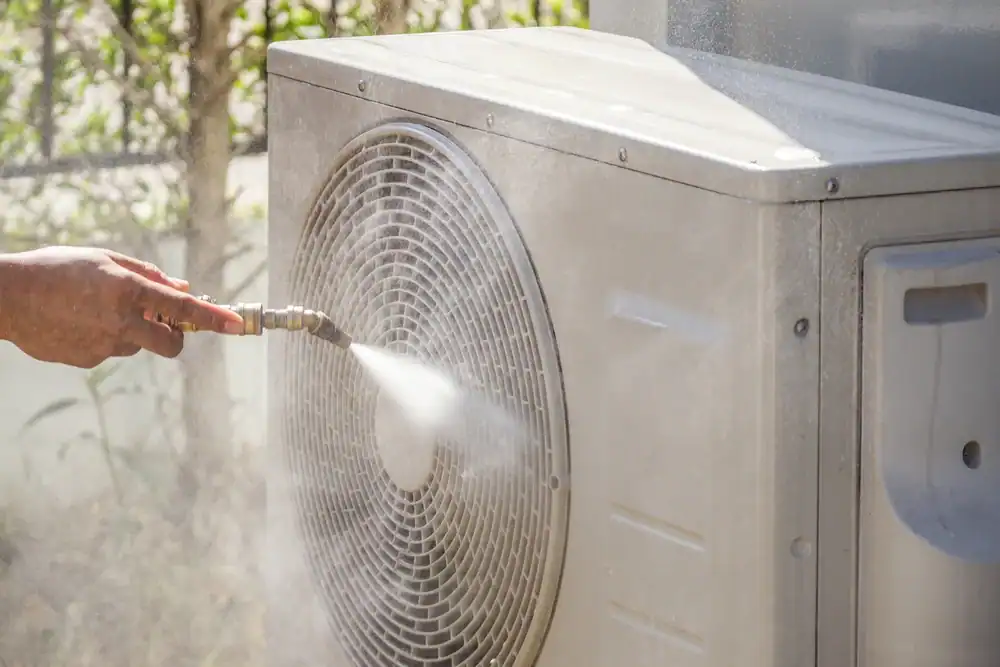
AC maintenance here isn’t optional. You’re a mile from the ocean. Salt particles settle on your condenser coils every day. If you’re not getting that system cleaned and inspected at least once a year—ideally twice—you’re shortening its lifespan by years. We check refrigerant levels, clean coils, inspect electrical components, and catch small problems before they become expensive failures in July. That’s what keeps a coastal system running for 15+ years instead of 8.

Installation costs vary based on system size, efficiency rating, and whether you need ductwork modifications. A standard central AC replacement for a typical Point Pleasant home usually falls between $4,500 and $8,000. Higher-efficiency units or larger homes cost more.
The price also depends on whether you’re installing a salt-resistant system—which you should be if you’re within a few miles of the ocean. Standard units corrode faster here, so paying a bit more upfront for coastal-rated equipment saves you thousands in premature replacements.
We provide upfront pricing after assessing your home. No hidden fees, no surprises after the work is done. And we offer financing options if you need to spread out the cost.
Your system is probably oversized. When an AC is too powerful for the space, it cools the air quickly and shuts off before it has time to pull moisture out. That’s why your house feels cold but clammy—the temperature drops, but the humidity stays high.
In Monmouth County, humidity control matters as much as cooling. Summer air here is heavy and wet. Your AC needs to run long enough to dehumidify, not just blast cold air for ten minutes and quit. Proper sizing fixes this, but it requires someone who understands coastal climate loads—not just square footage.
If your system is already installed and oversized, a repair isn’t going to solve it. You’re looking at a replacement with correctly sized equipment. That’s the only way to get comfortable indoor air in a shore town.
At least once a year. Twice is better if you’re serious about extending your system’s lifespan. Salt air accelerates wear on outdoor components—condenser coils, cabinet panels, electrical connections. If those aren’t cleaned and inspected regularly, you’re looking at premature failure.
Most inland homes can get away with annual maintenance. Coastal homes can’t. The environment is harder on equipment. A system that would last 15 years in central New Jersey might only make it 8 to 10 here without increased maintenance frequency.
We recommend scheduling a tune-up in spring before cooling season starts. That’s when we catch refrigerant leaks, dirty coils, and failing parts before they leave you without AC in July. If you want a second check in fall, that’s even better—but spring is non-negotiable.
Coastal systems use specialized coatings and corrosion-resistant materials on components exposed to salt air. Standard units aren’t built for that. Salt particles settle on condenser coils and metal surfaces, causing rust and corrosion that degrades performance and shortens lifespan.
A coastal-rated system might have a coated coil, rust-resistant fasteners, and sealed electrical connections. It costs a bit more upfront, but it lasts significantly longer in Point Pleasant’s environment. We’re talking 10+ extra years of service life compared to a standard unit that starts failing after five.
If you’re within a few miles of the ocean, this isn’t optional. It’s the difference between replacing your AC every 8 years and getting 18 out of it. The math makes sense when you’re not paying for a second replacement a decade early.
Yes. We’re available 24/7 for emergency AC service. If your system fails during a summer heat wave, you’re not waiting until Monday. You call, we respond, and we get your cooling back up as quickly as possible.
Emergency repairs cost more than scheduled service—that’s standard across the industry—but you’re paying for immediate availability when you actually need it. Most emergency calls involve refrigerant leaks, compressor failures, or electrical issues. We carry common parts and handle many repairs on the spot.
If it’s something that requires ordering a part or if the system is beyond repair, we’ll let you know immediately. You won’t be left guessing or waiting days for an answer while your house heats up. We assess, explain, and give you options right away.
A standard AC system in coastal New Jersey typically lasts 8 to 12 years. A properly maintained, salt-resistant system can make it 15 to 18 years. The difference comes down to equipment quality and how often you’re servicing it.
Salt air is corrosive. If you’re not cleaning condenser coils regularly and you’re running a standard inland unit, expect the lower end of that range. Corroded coils reduce efficiency, refrigerant leaks develop faster, and electrical connections fail earlier.
If you want your system to last, you need coastal-rated equipment and consistent maintenance—at least once a year, ideally twice. That’s what gets you to 15+ years instead of replacing the unit at 10. It’s not complicated, but it does require understanding what the environment does to HVAC equipment here.