Reviews

You’re not sweating through July wondering if today’s the day your system finally quits. You’re not dealing with one room that’s freezing while the rest of your house feels like a sauna. And you’re definitely not getting hit with a $900 repair bill because nobody caught the problem early.
When your AC system runs the way it should, your energy bills stay predictable. Your home stays comfortable without cranking the thermostat down to 65 just to feel something. You sleep through the night instead of waking up sticky at 3 a.m.
That’s what proper installation and regular maintenance actually give you. Not just cold air—but reliability. The kind where you forget your AC even exists because it just works.
Most systems last 10 to 15 years if they’re installed right and maintained regularly. But if the install was rushed or the unit’s undersized for your space, you’re looking at breakdowns, high bills, and an early replacement. Getting it right the first time matters more than most people realize.
We handle AC installation, repair, and maintenance for homeowners and businesses across Interlaken and Monmouth County. Every technician on our team is licensed and insured. No subcontractors. No runarounds.
Interlaken sits between two sections of Deal Lake, and the summers here aren’t just warm—they’re sticky, sweltering, and unforgiving if your cooling system isn’t up to the job. We’ve worked in enough homes around here to know what systems hold up and which ones don’t.
You’ll get upfront pricing before any work starts. If something needs fixing, we’ll tell you what it is, what it costs, and what happens if you wait. No pressure. No upselling. Just honest information so you can make the call that makes sense for your home and your budget.

If you’re calling for a repair, we’ll ask a few questions to get a sense of what’s going on—strange noises, weak airflow, system not turning on. Then we schedule a time that works for you. Most repairs get handled same-day if you call early enough.
When we show up, we run diagnostics to figure out what’s actually wrong. Could be a refrigerant leak, a failing compressor, or something as simple as a clogged filter. Once we know, we’ll walk you through the issue, explain your options, and give you a price before we touch anything. If it’s a quick fix, we’ll knock it out right there. If it’s bigger, we’ll talk through whether repair or replacement makes more sense.
For installations, we start with a load calculation to make sure the system’s sized correctly for your home. Too small and it’ll run nonstop. Too big and it’ll short-cycle and waste energy. After that, we handle the full install—usually takes 8 to 14 hours depending on the setup. We pull permits, follow code, and test everything before we leave.
You’re not waiting weeks. You’re not guessing what it’ll cost. And you’re not stuck with a system that barely works because someone rushed the job.

Ready to get started?
We install central air systems, ductless mini-splits, and high-efficiency units that qualify for federal tax credits up to $2,000 and rebates up to $8,000. If you’re replacing an old system, we’ll help you figure out what makes sense based on your home’s layout, your budget, and how long you plan to stay there.
Repairs cover everything from refrigerant leaks and compressor failures to electrical issues and airflow problems. Most repairs run between $175 and $950 depending on the part and the labor involved. If your system’s older and the repair costs more than half of a new unit, we’ll tell you. Sometimes fixing it just doesn’t make financial sense.
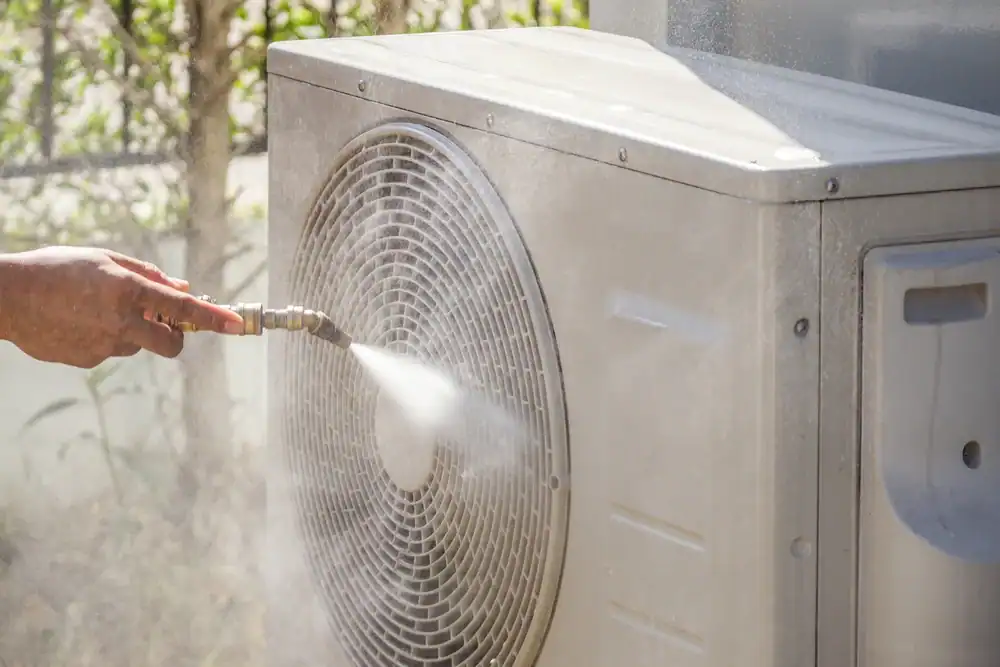
AC maintenance includes cleaning coils, checking refrigerant levels, inspecting electrical connections, and testing system performance. Catching small issues early keeps you from dealing with expensive emergency repairs in the middle of summer. We also offer 24/7 emergency service because AC breakdowns don’t wait for business hours.
Interlaken’s summer heat isn’t getting any easier to deal with. Cooling degree days are up 12% compared to a few years ago, which means your system’s working harder and longer than it used to. Regular tune-ups help it keep up without burning out early.

Central air installation typically runs between $4,200 and $9,500 depending on the size of your home, the efficiency rating of the unit, and whether you need ductwork modifications. A 2,000-square-foot home usually needs a 3-ton to 4-ton system. If you’re going with a high-efficiency model—20 SEER or higher—you’re looking at the higher end of that range, but you’ll also qualify for federal tax credits and rebates that can bring the cost down significantly.
Ductless mini-split systems are another option if you don’t have existing ductwork or you’re only cooling part of the house. Those usually cost less to install and give you more control over individual room temperatures. The upfront price depends on how many indoor units you need.
We’ll give you an exact number after we assess your home. No ballpark guesses. Just a clear price based on what your space actually needs.
Refrigerant leaks are near the top of the list. If your system’s low on refrigerant, it won’t cool properly and it’ll run constantly trying to keep up. That drives up your electric bill and puts extra strain on the compressor, which is one of the most expensive parts to replace.
Dirty coils are another big one. When the evaporator or condenser coils get caked with dust and debris, airflow drops and efficiency tanks. You’ll notice weak cooling and higher energy costs. A lot of homeowners skip annual maintenance, and that’s usually where this problem starts.
Electrical issues—failed capacitors, worn contactors, tripped breakers—are common too, especially in older systems. If your AC won’t turn on or it’s short-cycling, there’s a good chance it’s electrical. We carry most of the common parts on the truck, so if it’s something straightforward, we can fix it same-day without ordering anything.
Once a year, ideally in the spring before the heat kicks in. Maintenance appointments usually take about an hour. We’ll clean the coils, check refrigerant levels, inspect electrical connections, test the thermostat, and make sure everything’s running the way it should.
Skipping maintenance doesn’t seem like a big deal until your system breaks down in July and you’re waiting two days for a repair appointment. Regular tune-ups catch the small stuff—loose wiring, low refrigerant, dirty filters—before it turns into a full system failure.
Most manufacturers also require annual maintenance to keep the warranty valid. If something major goes wrong and you haven’t kept up with service, you could be on the hook for the full repair cost even if the unit’s still under warranty. It’s worth the $150 to $200 a year just for that peace of mind.
If your system’s under 10 years old and the repair costs less than half the price of a new unit, fixing it usually makes sense. If it’s over 15 years old and you’re looking at a major repair—compressor, condenser, evaporator coil—replacement is probably the smarter move.
Here’s the math that matters: older systems run at 10 to 13 SEER. Newer high-efficiency models hit 20 SEER or higher. That difference shows up on your electric bill every month. If you’re spending $200 a month to cool your home with an old system, a new one could cut that by 30% or more.
There’s also the reliability factor. If you’ve had two or three repairs in the last couple years, you’re throwing money at a system that’s on its way out. At some point, it makes more sense to invest in something that’ll last another 10 to 15 years instead of babying a unit that’s already past its prime.
Yes. We’re available 24/7 for emergency repairs. If your system goes out in the middle of a heat wave, you’re not waiting until Monday morning. Call us and we’ll get someone out as fast as we can.
Emergency calls do come with a premium compared to scheduled service, but you’re paying for availability and speed. Most emergency repairs get handled the same day, and if we need to order a part, we’ll at least get your system limping along until we can finish the job properly.
We’ve seen enough AC emergencies to know they’re never convenient. Compressors fail on weekends. Refrigerant leaks happen at night. Electrical issues pop up right before a holiday. That’s why we keep trucks stocked and technicians on call. You shouldn’t have to sweat through two days just because your system picked a bad time to quit.
It depends on your home’s square footage, insulation, window placement, and how much sun exposure you get. A proper load calculation factors in all of that. Most homes in the 1,500 to 2,000-square-foot range need a 2.5-ton to 3.5-ton system. Bigger homes or homes with poor insulation might need a 4-ton or 5-ton unit.
Oversizing is just as bad as undersizing. If your system’s too big, it’ll cool the house fast but shut off before it removes enough humidity. You’ll end up with a cold, clammy house that never feels comfortable. If it’s too small, it’ll run nonstop and still struggle to keep up on the hottest days.
We don’t guess. We run the numbers, measure the space, and size the system correctly. That’s how you get consistent cooling, lower energy bills, and a system that lasts as long as it’s supposed to.