Reviews

Your AC running nonstop but your house still feels like 80 degrees? That’s what happens when systems aren’t sized right for the humidity we deal with here. Salt air eats through outdoor units faster than most people realize, and older homes weren’t built with the ductwork to handle modern cooling loads.
You need a system that can actually keep up. Not just on mild days, but during August heat waves when everyone else’s unit is struggling too. That means proper sizing, quality installation, and equipment that won’t corrode in two seasons.
When your AC works the way it should, you’re not constantly adjusting the thermostat or wondering why your electric bill doubled. You’re comfortable. Your system runs efficiently. And you’re not paying for emergency repairs every summer because someone cut corners on the install.
We work throughout Monmouth County, and we’ve seen what coastal conditions do to cooling systems. The salt air, the humidity swings, the electrical issues in older homes—we know what breaks and why.
Our technicians are licensed and insured. We show up when we say we will, give you a written estimate before we start, and we don’t disappear after the install. If something goes wrong, we’re available 24/7, not just during business hours.
You’re not getting a national chain that subcontracts the work. You’re getting local professionals who understand that your AC failing in July isn’t just an inconvenience—it’s a problem that needs solving today.

First, we look at your current system and your space. If it’s a repair, we diagnose the actual problem—not just the symptom. If it’s an install, we calculate the right size unit for your square footage and your ductwork capacity. Undersized systems run constantly. Oversized ones cycle too much and don’t remove humidity. Both cost you money.
You get a written estimate that breaks down labor, equipment, and any extra work like electrical upgrades or duct modifications. No surprises. No “we found something else” after we’ve already started. If your home was built before 1990, there’s a good chance you’ll need some electrical work to handle a modern AC system safely.
Once you approve the estimate, we schedule the install or repair. Most installations take a day. Repairs depend on the issue and whether we need to order parts. After we’re done, we test the system, walk you through the controls, and make sure it’s actually cooling before we leave.

Ready to get started?
AC installation means we handle everything—equipment, electrical connections, refrigerant lines, ductwork modifications if needed, and disposal of your old unit. We work with high-efficiency systems that meet the new SEER2 standards, which matter more here than in other states because New Jersey’s electricity rates are higher than the national average.
Repairs cover anything from refrigerant leaks and compressor failures to faulty thermostats and frozen coils. We carry common parts so most repairs get done the same day. If we need to order something, we’ll let you know upfront how long it’ll take.
Maintenance includes filter replacement, coil cleaning, refrigerant level checks, and inspections of electrical connections and ductwork. Regular tune-ups catch small problems before they become expensive ones. In coastal areas, that means checking for corrosion and salt buildup that can kill a unit years early.
Emergency service is available 24/7 because AC failures don’t wait for convenient times. If your system quits during a heat wave, you’re not waiting until Monday. We answer our phones, and we don’t charge you extra just because it’s after hours.

Installation costs depend on the size of your home, the efficiency rating of the unit, and whether you need electrical or ductwork upgrades. Most residential installs in Monmouth County range from $3,500 to $7,500 for a complete system. Higher-efficiency units cost more upfront but save you 20-40% on cooling costs, which adds up fast when you’re running AC from May through September.
Older homes often need additional work. If your electrical panel can’t handle the load, you’ll need an upgrade. If your ducts are undersized or leaking, sealing or replacing them can cut your energy waste by 20%. We include all of that in the written estimate so you know the total cost before we start.
Financing is available if you’d rather spread the cost out. We also offer $100 off new installations, and military or first responders get an additional 10% off.
Most air conditioners last 12-15 years, but coastal conditions can shorten that if the unit isn’t maintained. Salt air corrodes the outdoor condenser coils and metal components faster than it would inland. If you’re not rinsing off the unit or scheduling regular maintenance, you might see performance drop after 8-10 years.
High humidity also makes your system work harder, which means more wear on the compressor and fan motor. Units that run constantly during summer months accumulate more operating hours in a season than systems in drier climates do in two.
Regular maintenance extends the lifespan. That means annual tune-ups, coil cleaning, and checking refrigerant levels. If you’re proactive about it, you can get closer to 15 years. If you ignore it, you’ll be replacing the system sooner and paying higher electric bills in the meantime.
Size depends on square footage, insulation quality, ceiling height, window placement, and ductwork capacity. A 1,500-square-foot home typically needs a 2.5 to 3-ton unit, but that’s just a starting point. Homes with poor insulation or a lot of south-facing windows need more cooling capacity. Homes with good insulation and shade need less.
Contractors who don’t do the math often install oversized units because they assume bigger is better. It’s not. Oversized systems cool the air too quickly without removing enough humidity, so your house feels clammy even when the thermostat says 72. They also cycle on and off more frequently, which wears out components faster.
We calculate the load properly using Manual J standards, which account for all the variables. That way, you get a system that actually matches your home’s needs instead of one that’s guessed at. It costs the same to install the right size as it does to install the wrong one, but the right one will perform better and last longer.
If your system runs nonstop but can’t keep up, the problem is usually one of three things: low refrigerant, a dirty condenser coil, or an undersized unit. Low refrigerant means there’s a leak somewhere, and the system can’t absorb enough heat to cool your house. Dirty coils can’t release heat efficiently, so the system works harder without actually cooling better.
An undersized unit just doesn’t have the capacity to handle your home’s cooling load, especially during heat waves when outdoor temperatures hit the high 80s or 90s. If the system was installed without proper load calculations, this is a common result. You’re paying to run the AC constantly, but it’s never enough.
Ductwork leaks also cause this. If 20-30% of your cooled air is escaping into your attic or crawl space before it reaches your rooms, the system can’t keep up no matter how hard it tries. We check refrigerant levels, inspect coils, and test ductwork to find the actual cause. Sometimes it’s a simple fix. Sometimes it means you need a bigger unit or duct repairs.
If the repair costs more than half the price of a new system, replacement usually makes more sense. If your unit is over 10 years old and needs a major repair like a compressor or condenser replacement, you’re better off installing a new high-efficiency system that’ll save you money on energy costs.
Minor repairs like replacing a capacitor, fixing a refrigerant leak, or swapping out a fan motor are worth doing if the system is relatively new and well-maintained. But if you’re calling for repairs every season, you’re throwing money at a system that’s on its way out.
New systems are also significantly more efficient than units installed before 2015. The efficiency standards changed, and modern units use 30-40% less electricity to produce the same cooling. If your current system has a SEER rating below 13, upgrading will cut your cooling costs enough that the new unit starts paying for itself within a few years. We’ll give you an honest assessment of whether repair or replacement makes more sense for your situation.
Once a year, ideally in spring before cooling season starts. Maintenance catches small problems before they turn into breakdowns during the hottest weeks of summer. We check refrigerant levels, clean the coils, inspect electrical connections, test the thermostat, and replace the filter.
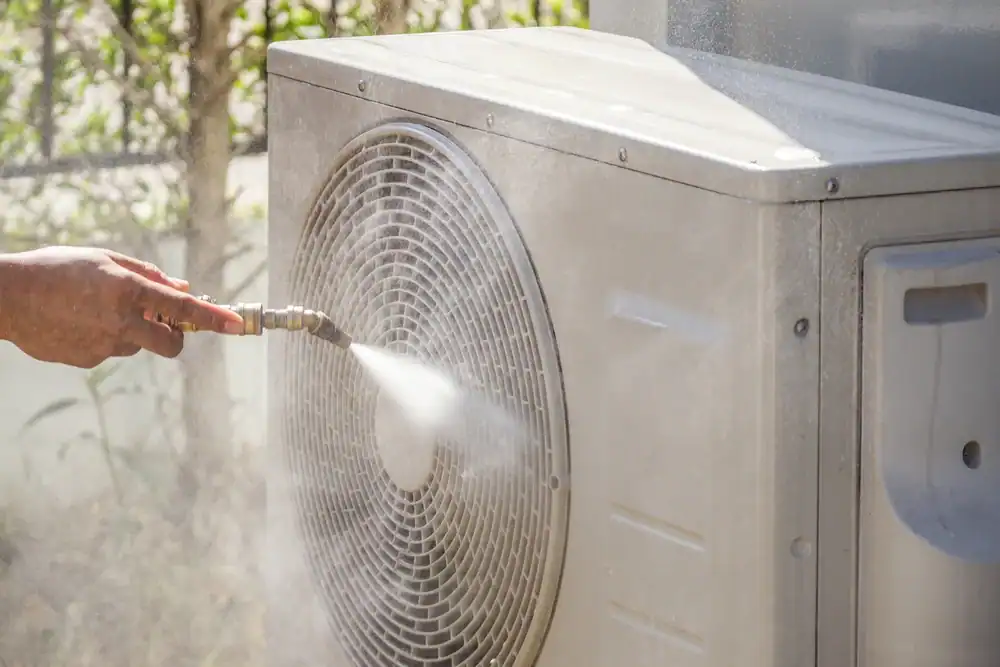
In coastal areas, maintenance matters more because salt air accelerates corrosion and buildup on the outdoor unit. If you’re within a few miles of the ocean, rinsing off the condenser unit a few times during summer helps, but professional cleaning gets into places you can’t reach with a hose.
Regular maintenance also keeps your system running efficiently. Dirty filters and coils make the system work harder, which increases your electric bill by 5-15%. A $150 tune-up can save you $200+ per year in energy costs, and it extends the lifespan of your equipment. Most system failures happen because of neglected maintenance, not because the equipment just wore out on its own.