Reviews

Your air conditioner doesn’t care that it’s 95 degrees outside. It just quits. And when it does, you’re stuck choosing between sweating it out or calling someone you’re not sure you can trust.
Here’s what matters: fast response, honest diagnosis, and a fix that actually lasts. No runaround about “needing a whole new system” when a repair will do. No disappearing after we cash your check.
You get same-day service when your AC goes down. You get upfront pricing before any work starts. And you get technicians who’ve been doing this long enough to know the difference between a quick fix and a real solution. If your system’s on its last leg, you’ll know exactly why and what your options are—including what it’ll cost to replace it versus limping through another summer.
AME Plumbing Heating and Cooling is based right here in Monmouth County. Every technician on our team is licensed and insured, and we’re available 24/7 because AC emergencies don’t wait for business hours.
Deal summers are getting hotter. New Jersey’s cooling degree days keep climbing, which means your air conditioner is working harder than it used to. That’s why regular maintenance matters, and why you need someone local who understands how coastal humidity affects your system.
We’re not the biggest name you’ll find. But we’re the ones who show up when we say we will, charge what we quoted, and stand behind the work with a satisfaction guarantee.

You call or contact us online, and we schedule a time that works for you. If it’s an emergency, we’re coming out the same day.
Our technician shows up on time, diagnoses the problem, and walks you through what’s wrong in plain language. No jargon. No upselling. Just the facts: what needs fixing, what it costs, and how long it’ll take.
If it’s a repair, we handle it right there—most jobs get done the same visit. If you need a new system, we’ll measure your space, talk through your options, and give you a written estimate with zero pressure. Once you’re ready to move forward, we schedule the install at your convenience, pull the permits, and complete the job to code.
After the work’s done, we test everything, show you how to use your new system or thermostat, and make sure you’re comfortable before we leave. Then we follow up to make sure everything’s still running the way it should.

Ready to get started?
When we install a new air conditioner, you’re getting a system that’s properly sized for your home—not oversized to inflate the price or undersized to save a few bucks. We calculate the load based on your square footage, insulation, ductwork, and how many windows face south. Then we install it to manufacturer specs and local code, test airflow at every register, and make sure your thermostat is calibrated correctly.
For repairs, we diagnose the actual problem instead of throwing parts at it. Refrigerant leak? We find it and fix it. Compressor failing? We’ll tell you if it’s worth repairing or if you’re better off replacing the unit. Frozen coil? We figure out why—because it’s usually airflow, not refrigerant.
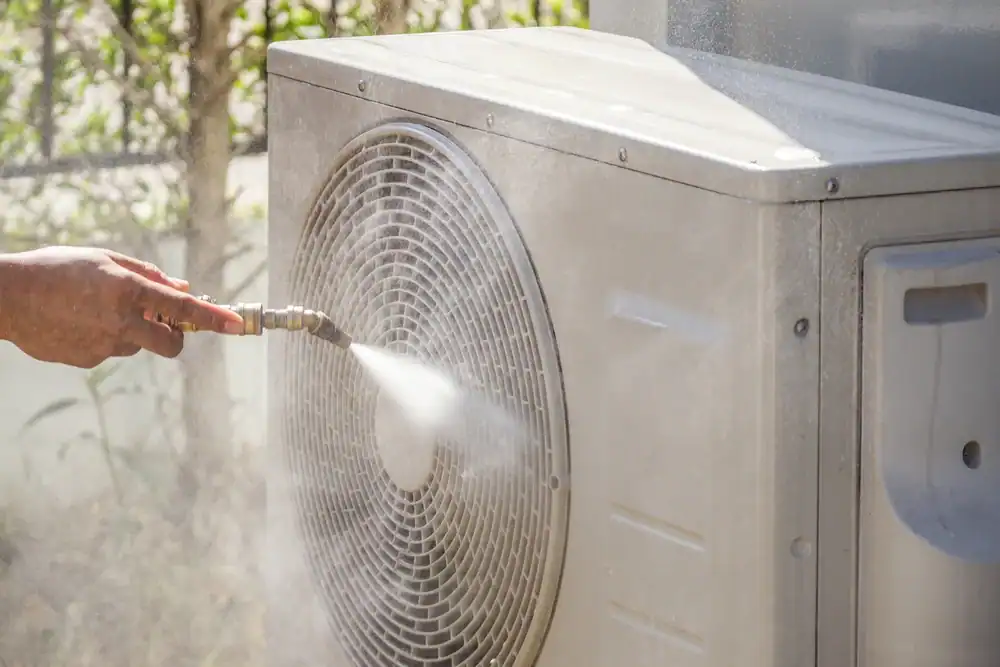
AC tune-ups include cleaning the coils, checking refrigerant levels, testing electrical connections, inspecting the drain line, and replacing your filter. It’s the difference between a system that dies in July and one that runs efficiently all summer. And if something’s about to fail, we catch it before it does.
Deal’s electricity rates have jumped nearly 40% in the last five years. A high-efficiency system costs more upfront, but it can cut your cooling costs by 20% or more depending on how well your home is insulated. We’ll walk you through the math so you can decide what makes sense for your budget.

For most homes in Deal, you’re looking at somewhere between $4,000 and $12,000 for a full AC installation. That’s a wide range because the final cost depends on the size of your home, the efficiency rating of the system you choose, and whether your ductwork needs any repairs or modifications.
A 1,500-square-foot home with good insulation and existing ducts in decent shape will cost less than a 3,000-square-foot home that needs new ductwork or a zoned system. Higher-efficiency units—the ones with SEER ratings above 16—cost more upfront but save you money every month on your electric bill, especially with New Jersey’s rising energy rates.
We give you a written estimate after we measure your space and inspect your ductwork. No surprises, no hidden fees. And if you need financing, we offer 0% options to make it easier to budget.
If your system is less than 10 years old and the repair costs less than half the price of a new unit, fixing it usually makes sense. If it’s older than 15 years, breaks down frequently, or the repair bill is climbing into the thousands, replacement is often the smarter move.
Here’s why: older systems use more electricity, even when they’re working fine. A 20-year-old AC might cost you $200+ per month to run in the summer, while a new high-efficiency model could cut that by $40 to $60. Over five years, that’s real money.
We’ll never push you toward a replacement if a repair will get you through a few more seasons. But we will tell you honestly where your system stands and what you’re likely to spend either way. Then you decide.
First, check your thermostat. Make sure it’s set to “cool” and the temperature is lower than the current room temp. Then check your circuit breaker—sometimes a tripped breaker is all it is.
If those both look fine, check your air filter. A clogged filter can cause your system to freeze up or shut down completely. If the filter’s packed with dust, replace it and give the system an hour to reset.
Still not working? That’s when you call us. We offer same-day emergency service because we know you can’t wait three days in a Deal summer. Our technicians carry most common parts on the truck, so there’s a good chance we’ll have you back up and running the same day. And if it’s something more serious, we’ll walk you through your options right there—no need for a second visit just to get a quote.
Once a year, ideally in the spring before cooling season starts. That gives us time to catch small problems before they turn into expensive breakdowns in July.
During a maintenance visit, we’re cleaning your coils, checking refrigerant levels, testing electrical connections, inspecting your condensate drain, and making sure airflow is where it should be. We’re also looking for signs of wear—like a compressor that’s starting to struggle or a capacitor that’s about to fail.
Most AC breakdowns happen on the hottest days of summer because that’s when your system is under the most stress. A tune-up reduces that risk significantly. It also keeps your system running efficiently, which matters when you’re paying nearly 17 cents per kilowatt-hour and rates keep climbing. Skipping maintenance might save you $100 now, but it’ll cost you a lot more when your system dies in August and you’re paying emergency rates for a weekend repair.
Yes. We’re available 24/7 for emergency AC service because we know your air conditioner doesn’t wait for convenient hours to break down.
When you call us with an emergency, we prioritize getting someone out to you the same day—often within a few hours. Our technicians carry common parts and diagnostic tools on every truck, so most repairs get handled on the spot without waiting for parts to be ordered.
Emergency service does cost more than a scheduled appointment, but we’re upfront about that before we come out. You’ll know exactly what the service call costs and what the repair will run before we start any work. No surprises when you’re already dealing with a broken AC in the middle of summer.
The difference is how much electricity they use to produce the same amount of cooling. A standard system might have a SEER rating around 13 or 14. A high-efficiency system is usually 16 or higher—sometimes up to 20 or more.
That difference adds up fast in Deal. If you’re running your AC from June through September, a high-efficiency system can save you $30 to $60 per month compared to an older, less efficient unit. Over the 15 to 20-year lifespan of the system, that’s thousands of dollars in energy savings.
High-efficiency systems also tend to run quieter, remove humidity better, and maintain more consistent temperatures throughout your home. The upfront cost is higher—usually $1,500 to $3,000 more than a standard system—but the payback comes through lower electric bills and fewer repairs. We’ll run the numbers with you so you can see exactly how long it takes to break even based on your home’s size and how much you typically use your AC.