Reviews

You’re dealing with salt air that eats through condenser coils. Humidity that makes your AC work twice as hard. And summers where a broken system isn’t just uncomfortable—it’s unbearable.
Here’s what changes when your air conditioner actually works the way it should. Your home stays cool without that sticky, damp feeling that comes with high humidity. Your energy bills stop climbing because the system isn’t running nonstop trying to catch up. You’re not lying awake at 2 a.m. wondering if the unit will make it through another summer.
When we install or repair an AC system in Belmar, we account for what the coast does to equipment. That means protective coatings on outdoor units, proper sizing so your system can handle moisture removal, and components built to last longer than eight years. You get a system designed for where you live, not just what’s cheapest to install.
We work throughout Monmouth County, and we’ve seen what happens when HVAC companies treat Belmar homes like they’re 20 miles inland. It doesn’t work.
We’re licensed and insured to handle residential and commercial HVAC work in New Jersey. Our team knows that AC systems near the ocean face different challenges—corrosion from salt air, constant humidity, and the wear that comes from units running harder than they should. We size systems correctly, recommend equipment that holds up in coastal conditions, and show up when you call.
You’ll get upfront pricing before we start any work. No surprise charges, no hidden fees. If it’s an emergency, we’re available 24/7 because AC failures don’t wait for business hours.

When you call for AC installation or repair, we start with an assessment of what you actually need. That means looking at your home’s size, insulation, and how humidity affects your comfort. We’re checking ductwork, airflow, and whether your current system is even the right size for the space.
If you need a new system, we’ll walk through options that make sense for coastal homes—higher SEER ratings for efficiency, humidity control features, and equipment with protective coatings that handle salt air better. You’ll see the cost breakdown before we do anything.
Installation typically happens in a day, depending on the system type. We’re pulling permits, making sure everything meets New Jersey codes, and testing the system before we leave. For repairs, we diagnose the problem, explain what’s failing and why, then fix it with parts that last.
After installation, we’ll show you how the system works and what maintenance looks like. You’re not guessing when to change filters or schedule tune-ups. You know exactly what keeps the system running efficiently.

Ready to get started?
AC installation in Belmar means more than dropping in a new unit. You’re getting load calculations to size the system correctly, ductwork inspection to catch leaks that waste energy, and refrigerant line installation that won’t fail in two years. We install programmable thermostats, test airflow in every room, and make sure humidity levels stay in the 30-45% range where they should be.
For repairs, we’re diagnosing the actual problem—not just replacing parts until something works. Common issues here include refrigerant leaks from corrosion, compressor failure from overwork, and clogged drain lines from humidity. We fix what’s broken and tell you what’s likely to fail next so you can plan ahead.
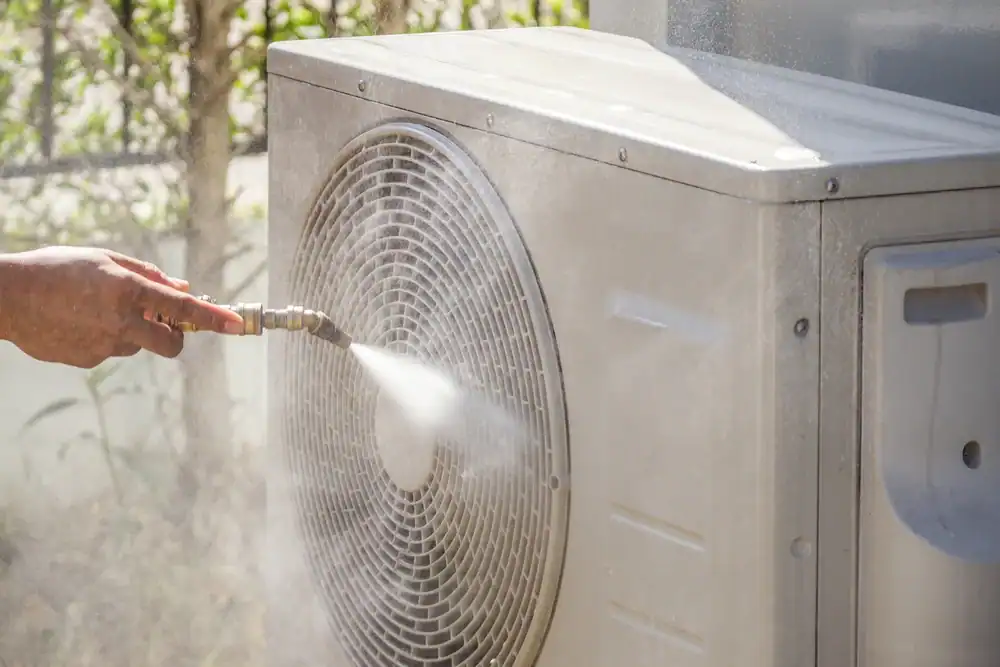
Maintenance keeps systems running longer in coastal areas where the average lifespan drops to 8-12 years instead of 15. That includes washing salt and debris off outdoor coils, checking refrigerant levels, and catching small problems before they turn into expensive failures. Most Belmar homes need this done in spring before the heat hits.
Emergency service means we’re available nights and weekends when your AC quits during a heatwave. You’re not waiting three days in 85-degree heat with 80% humidity. We show up, diagnose the issue, and get you cool again.

Most complete AC installations in Belmar run between $10,000 and $20,000, with the average around $14,000. That’s for a full system replacement including equipment, labor, permits, and disposal of the old unit.
Here’s what affects that price. Larger homes need bigger systems with higher capacity, which costs more. If your ductwork needs repair or replacement, that adds to the total. Higher efficiency systems with better SEER ratings cost more upfront but lower your energy bills long-term. And if you’re adding humidity control or upgrading to a ductless system, expect the price to climb.
Coastal homes sometimes need additional corrosion protection or specialized equipment, which can add to the cost. But skipping those features means you’ll replace the system sooner. We give you upfront pricing that breaks down exactly what you’re paying for, and we offer 0% financing to make it manageable. Equipment costs are also rising 20-30% due to new EPA refrigerant regulations, so waiting doesn’t save you money.
Belmar’s humidity regularly hits 70-80% in summer, and your AC has to remove both heat and moisture from the air. That’s double duty, and most systems aren’t sized or equipped to handle it efficiently.
When humidity is high, your AC runs longer trying to pull moisture out of the air. That constant operation wears down components faster and drives up energy costs. If your system is undersized or wasn’t designed for coastal humidity, it’ll cool the air but leave it feeling damp and sticky. That’s when you get mold growth, musty smells, and that uncomfortable feeling even when the temperature is technically fine.
The fix involves proper system sizing, adding dehumidification features, and making sure your AC can cycle correctly instead of running nonstop. We also check that drain lines aren’t clogged—when moisture can’t drain properly, it backs up into your system and home. A spring tune-up catches these issues before summer humidity peaks.
Salt particles from ocean breezes settle on your outdoor condenser unit and corrode the coils and fins. That corrosion reduces efficiency, causes refrigerant leaks, and shortens your system’s lifespan significantly.
Inland AC systems last 15-20 years with proper maintenance. In coastal areas like Belmar, that drops to 8-12 years because of salt exposure. The corrosion starts small—pitting on the coils—but it spreads. Eventually, you’re looking at refrigerant leaks, compressor failure, or a complete system breakdown.
You can slow this down. Protective coatings on outdoor units help, and regular maintenance that includes washing salt and debris off the coils makes a difference. Some homeowners install barriers to block direct salt spray, though that affects airflow if not done correctly. When we install AC systems near the coast, we recommend equipment with better corrosion resistance and set up a maintenance schedule that accounts for salt exposure. It costs less to protect the system than replace it early.
An AC tune-up covers everything that keeps your system running efficiently and catches problems before they cause breakdowns. We’re checking refrigerant levels, cleaning condenser coils, inspecting electrical connections, testing the thermostat, and making sure airflow is correct throughout your home.
For coastal homes, we’re also washing salt and debris off the outdoor unit, checking for early signs of corrosion, and inspecting drain lines that clog faster in high humidity. We test the compressor and fan motor, look for refrigerant leaks, and replace filters if needed. You’ll know if any parts are wearing out so you can plan for repairs instead of getting surprised by a breakdown.
Most Belmar homeowners schedule tune-ups in spring before summer heat arrives. Systems sitting unused for months need inspection to run safely and efficiently. A tune-up typically takes an hour or two, and it extends your system’s lifespan while lowering energy costs. We also offer maintenance plans that include regular tune-ups and priority emergency service.
If your AC is under 8 years old and the repair costs less than half of a new system, repair usually makes sense. If it’s over 12 years old, breaking down frequently, or the repair costs more than $3,000-$4,000, replacement is typically the better investment.
Here’s the math. A major repair like a compressor replacement can run $2,000-$3,000. If your system is already 10 years old and struggling with coastal corrosion, you’re likely looking at more repairs soon. You’re also running an inefficient system that costs more to operate every month. A new system with a higher SEER rating can cut your cooling costs by 20-30%.
Age matters more in coastal areas because salt air shortens system lifespan. A 10-year-old AC in Belmar has likely taken more wear than a 15-year-old system inland. We’ll assess your current system’s condition, explain what repairs would cost versus replacement, and let you decide. If you’re facing repeated repairs or your energy bills keep climbing, replacement usually pays for itself faster than you’d think.
Yes, we provide 24/7 emergency AC repair throughout Belmar and Monmouth County. When your system fails during a heatwave or in the middle of the night, you’re not waiting until Monday morning for help.
Emergency service means we diagnose the problem and fix it as quickly as possible. Common emergency calls include complete system failures, refrigerant leaks, compressor issues, and electrical problems that shut the unit down. We carry common parts and equipment to handle most repairs on the spot.
You’ll still get upfront pricing before we start work, even in an emergency. We’re not taking advantage of a bad situation—we’re fixing the problem and getting your home comfortable again. If it’s a temporary fix to get you through the night and a bigger repair is needed, we’ll explain that clearly. Emergency service costs more than scheduled repairs because of the immediate response, but you’re not stuck in 85-degree heat with 80% humidity waiting for an appointment.