
Reviews
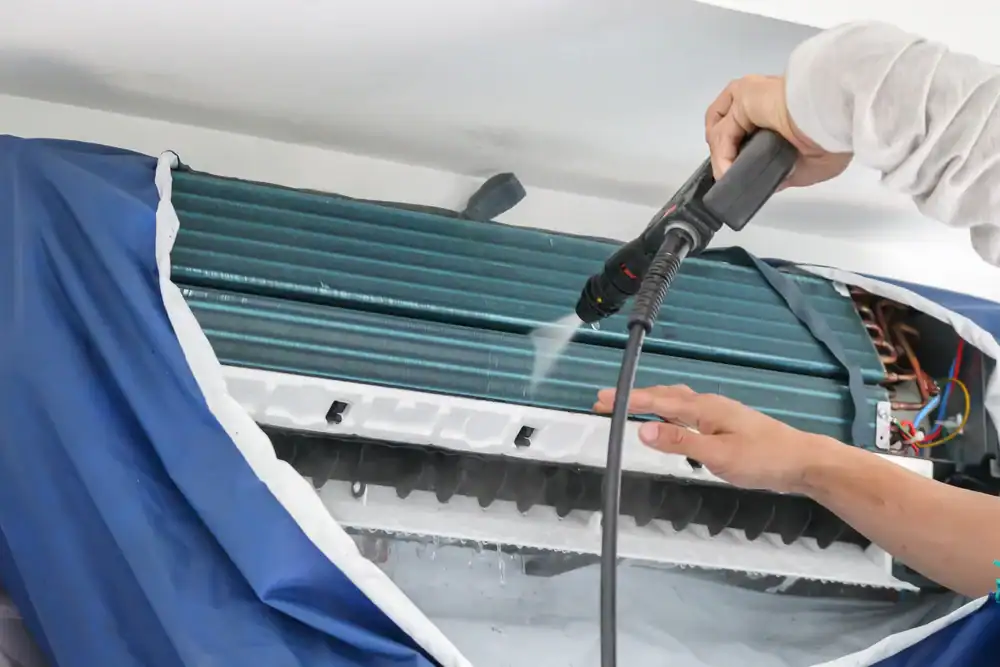
Your AC works harder near the shore. Salt air, constant humidity, and those stretches where it doesn’t shut off for days—it all adds up. Without regular attention, efficiency drops fast. You’re paying more to cool less, and the system’s wearing out years before it should.
A well-maintained air conditioner uses 15% less energy than one that’s been ignored. That’s real money back in your pocket every month. It also means you’re not replacing the whole system at year 10 when it could’ve lasted 15 or more.
The biggest win? You’re not dealing with a breakdown in July when every HVAC company in Monmouth County is booked solid. Regular tune-ups catch the small stuff before it becomes expensive, inconvenient, or both. Your home stays comfortable. Your bills stay predictable. Your system keeps running.
We’ve been keeping homes comfortable across Monmouth County for years. We’re licensed, insured, and we actually live and work in the same communities we serve. That means we know what coastal systems go through, and we know what breaks first when maintenance gets skipped.
You won’t get pressured into services you don’t need. We give you upfront pricing, explain what’s going on in plain terms, and let you decide. If it’s urgent, we offer same-day service. If it can wait, we’ll tell you that too.
West Belmar homeowners deal with unique challenges—older homes, salty air, high humidity. We’ve seen it all, and we know how to keep your system running through it.
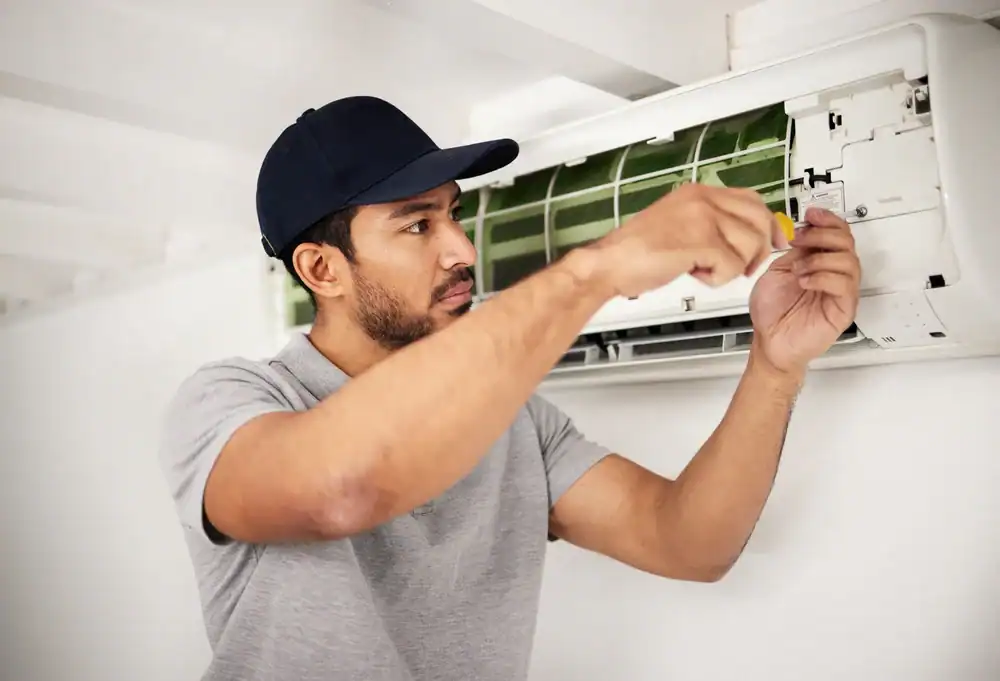
We start with a full system inspection. That means checking refrigerant levels, testing electrical connections, inspecting the condenser and evaporator coils, and making sure airflow is where it should be. If something’s wearing out or running inefficient, you’ll know before it fails.
Next, we clean what needs cleaning. Dirty coils and clogged filters make your system work harder and cool less. We clear debris from the outdoor unit, clean or replace filters, and make sure nothing’s restricting airflow. It’s basic stuff, but it makes a huge difference in how the system performs.
Finally, we test everything. We run the system through a full cycle to confirm it’s cooling properly, cycling correctly, and not pulling more energy than it should. If we spot anything that needs attention—worn belts, loose wiring, low refrigerant—we’ll walk you through it and give you options. No surprises, no pressure. Just honest feedback so you can make the call.

Ready to get started?
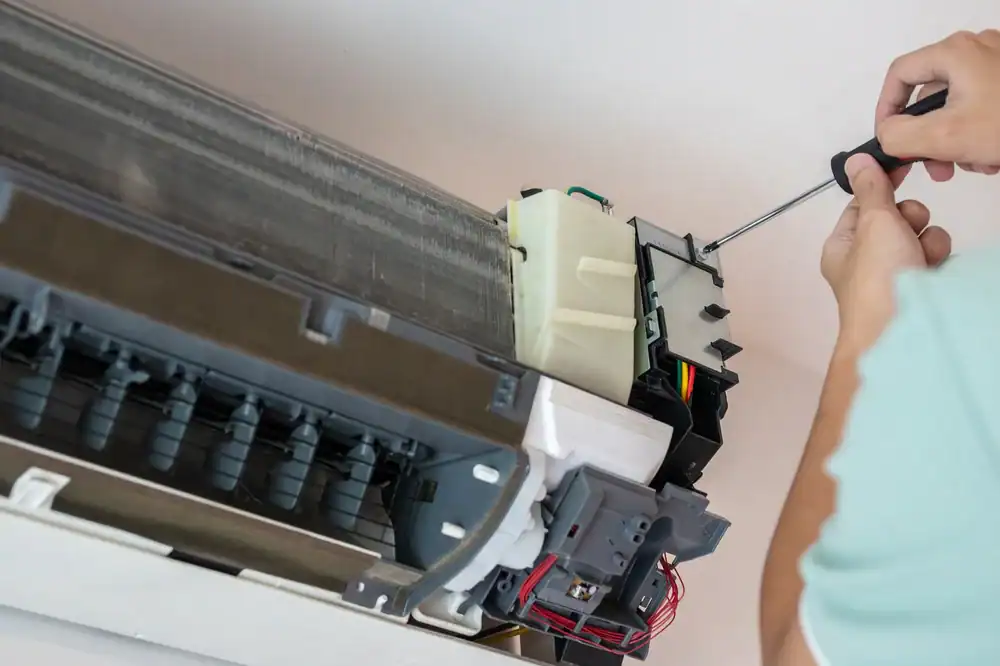
Our maintenance visit includes a 21-point inspection covering every part of your cooling system. We check refrigerant levels and look for leaks. We test the thermostat to make sure it’s reading accurately and cycling properly. We inspect all electrical components, tighten connections, and look for signs of wear or corrosion—especially important near the coast where salt accelerates breakdown.
We clean both the indoor and outdoor coils, because dirty coils are one of the fastest ways to kill efficiency. We clear the condensate drain to prevent clogs and water damage. We check the blower motor, inspect ductwork for leaks, and measure airflow to confirm your system is moving the right amount of air through your home.
In West Belmar, we also pay close attention to how coastal conditions affect your equipment. Systems near the water face more moisture, more salt exposure, and more strain during peak season. We’ve worked on enough shoreline homes to know what fails first and what to watch for. If your system’s struggling with humidity or running longer than it should, we’ll spot it and explain what’s happening.

Once a year is the standard recommendation, and spring is the best time to do it. You want your system checked and cleaned before you’re relying on it daily through June, July, and August.
If your system is older—say, 10 years or more—or if you’re right on the water where salt air accelerates wear, twice a year isn’t overkill. A spring tune-up gets you ready for summer. A fall check after the heavy season can catch anything that wore out during peak use.
Skipping maintenance doesn’t just risk a breakdown. It quietly costs you more every month in higher energy bills, and it shortens the lifespan of the equipment. One emergency repair in the middle of summer usually costs more than years of regular tune-ups.
We’ll explain what’s going on, why it matters, and what your options are. If it’s something small we can handle on the spot—like replacing a filter or tightening a connection—we’ll ask if you want us to take care of it.
If it’s bigger, we’ll give you a clear price before doing any work. No surprise charges, no pressure. Some things are urgent and need immediate attention to avoid a breakdown. Other things can wait. We’ll tell you which is which so you can make the call.
Our goal is to give you enough information to decide what makes sense for your home and your budget. If you want to think it over or get a second opinion, that’s fine. We’re not here to push—we’re here to help you avoid bigger problems down the road.
It won’t prevent every possible failure, but it catches most of them before they happen. The majority of AC breakdowns come from things that show warning signs—low refrigerant, dirty coils, worn belts, failing capacitors, clogged drains.
During a maintenance visit, we’re specifically looking for those early signs. A capacitor that’s starting to go can be replaced for a couple hundred dollars during a tune-up. If it fails in July, you’re without AC until we can get there, and you’re paying emergency rates.
Over half of all repair calls could’ve been avoided with regular maintenance. That’s not a sales line—that’s what the data shows. Systems that get annual attention run more efficiently, last longer, and break down far less often than systems that only get looked at when something’s already wrong.
A standard maintenance visit typically runs between $100 and $200, depending on the type of system and what’s included. That covers the full inspection, cleaning, and testing. If we find something that needs repair, that’s a separate cost, and we’ll give you the price before doing the work.
Compare that to an emergency repair, which often starts around $800 and can easily hit $2,000 depending on what failed. Or compare it to replacing a system years early because it wasn’t maintained—that’s $5,000 to $10,000 you didn’t need to spend yet.
We give upfront pricing, so you’ll know the cost before we start. No hidden fees, no surprises when the bill comes. And if you’re on a maintenance plan, the per-visit cost is usually lower, plus you get priority scheduling if something does go wrong.
Salt air is the biggest factor. It’s corrosive, and it accelerates wear on outdoor units—especially the condenser coils and any metal components. Systems near the water also deal with higher humidity levels, which means they run longer and work harder to dehumidify your home, not just cool it.
That constant demand during summer puts more strain on the compressor, the blower motor, and the electrical components. Parts that might last 15 years inland can wear out in 10 near the shore. Coils get dirty faster. Corrosion shows up sooner.
If you’re in West Belmar, regular maintenance isn’t just about efficiency—it’s about protecting your investment from an environment that’s tougher on equipment. Catching corrosion early, keeping coils clean, and making sure refrigerant levels stay where they should be makes a real difference in how long your system lasts.
Yes, if we have availability. During spring and early summer, we can usually get to you same-day or next-day. Once we hit peak season in July and August, scheduling gets tighter, but we do our best to accommodate urgent requests.
If your AC is already struggling or making strange noises, don’t wait. The earlier you call, the better your chances of getting a quick appointment. And if it’s an emergency—like your system’s completely down in the middle of a heatwave—we offer 24/7 emergency service.
For routine maintenance, booking in April or May gives you the most flexibility. Your system gets serviced before you need it most, and you’re not competing with everyone else who waited until their AC stopped working.