Reviews
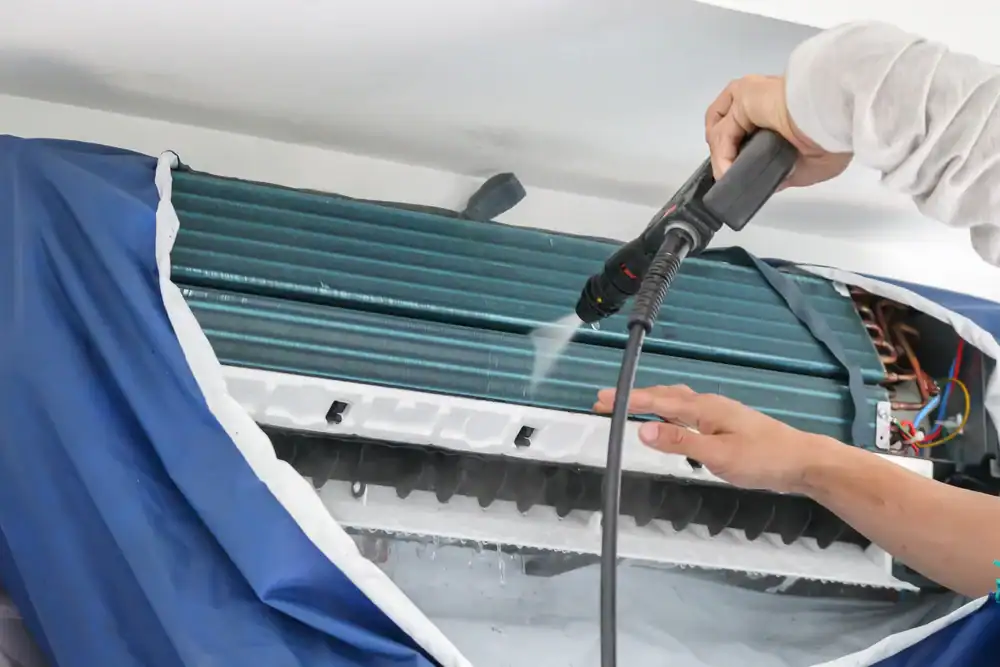
Your energy bill drops because a clean system doesn’t work as hard. You’re not dealing with a dead AC unit at 9 PM on a Saturday in July. Your equipment lasts years longer than it would otherwise.
That’s what happens when dirt, debris, and worn parts get handled before they become problems. Heating and cooling already eat up half your energy costs in a typical home. An unmaintained system makes that worse every month.
Wanamassa’s coastal humidity puts extra stress on air conditioning equipment. Salt air corrodes components faster. Moisture promotes mold growth inside ductwork. Your system has to work harder to pull humidity out of the air, not just cool it down.
Regular hvac system inspection catches these issues early. You’re not replacing a compressor in August. You’re not calling for emergency service when everyone else is too. You’re just comfortable, and your system keeps running.
AME Plumbing Heating and Cooling is locally owned and based right here in Monmouth County. We’re licensed, insured, and we know what coastal conditions do to HVAC equipment because we see it every day.
You get upfront pricing before any work starts. No surprises, no hidden fees. If something needs attention during an ac inspection, we’ll tell you what it is, why it matters, and what it costs to fix.
We’re available 24/7 for emergencies because systems don’t wait for business hours to fail. But the goal is that you don’t need emergency service in the first place. That’s what maintenance is for.
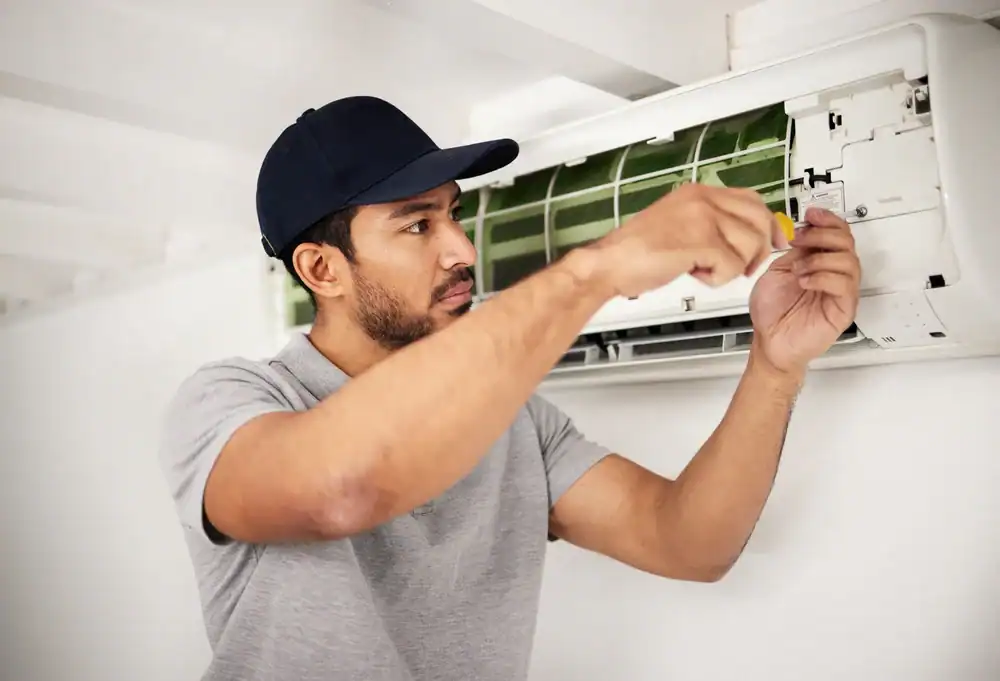
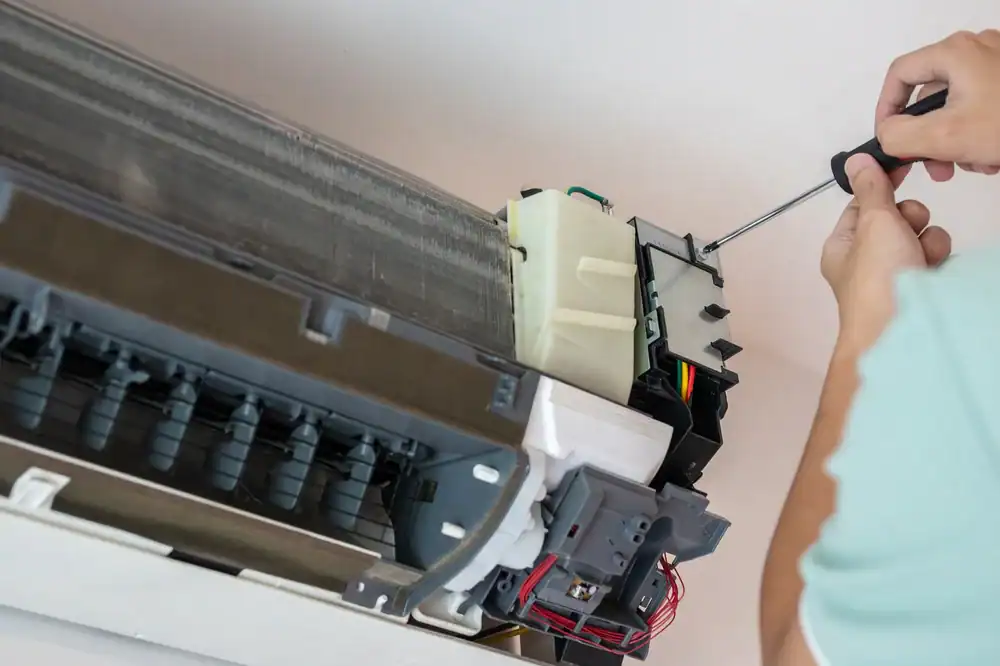
We start with a full hvac system inspection. That means checking refrigerant levels, testing electrical connections, inspecting the condensate drain, and looking at the condition of your coils and filters.
Dirty coils get cleaned. Worn belts get replaced. Loose connections get tightened. If your air filter is clogged, that gets swapped out too.
We test airflow and measure temperature differentials to make sure your system is actually cooling efficiently. If something’s off, you’ll know what it is and what needs to happen next.
The whole process takes about an hour for a standard residential system. You get a clear summary of what we found, what we did, and whether anything needs attention down the road. No jargon, no upselling, just the facts about your equipment.

Ready to get started?
A complete ac tune-up covers the components that affect performance and longevity. That includes cleaning your evaporator and condenser coils, checking and adjusting refrigerant levels, inspecting electrical components and connections, testing your thermostat calibration, and clearing your condensate drain line.
In Wanamassa, salt air and humidity mean your outdoor unit takes more abuse than systems inland. Coils corrode faster. Electrical connections degrade quicker. We pay extra attention to those areas because that’s where coastal systems fail first.
You also get a performance assessment. We’re measuring how efficiently your system is running right now compared to how it should run. If your energy bills have been creeping up, this tells you why.
Most homeowners in Wanamassa run their AC from May through September, sometimes longer. That’s a lot of hours on your equipment. Regular hvac cleaning service keeps it running efficiently instead of limping through summer and dying in August when you need it most.

Once a year, ideally in spring before cooling season starts. That gives you time to address any issues before you’re relying on your system daily.
If you’re running your AC heavily or you have an older system, twice a year makes sense. Some homeowners do a spring tune-up before summer and a fall check before heating season.
Wanamassa’s coastal location means your outdoor unit is exposed to salt air year-round. That accelerates wear on coils and electrical components. Annual maintenance catches that deterioration early, before it turns into a breakdown or an expensive repair.
We’ll explain what’s wrong, why it matters, and what it costs to fix. You decide whether to handle it now or later.
Some issues need immediate attention because they’ll cause a breakdown or safety hazard. Others can wait but should be on your radar for the near future. We’ll be clear about which category your situation falls into.
You’ll get pricing upfront before any repair work starts. If it’s something minor that can be handled during the maintenance visit, we’ll let you know. If it requires parts or additional labor, you’ll have a written estimate and the choice to move forward or not.
Yes, because a clean, well-maintained system uses less energy to do the same job. Dirty coils make your compressor work harder. Low refrigerant means longer run times. Clogged filters restrict airflow and reduce efficiency.
Heating and cooling represent up to half of your total energy costs in a typical home. Even a 10-15% improvement in efficiency shows up on your bill every month during cooling season.
In Wanamassa, where you’re running your AC for several months straight, those savings add up. You’re also avoiding the spike in energy use that happens when a struggling system has to run constantly just to keep up with demand.
Yes, we’re available 24/7 for emergency service. If your system fails on a weekend or in the middle of the night, you can reach us.
That said, most emergency calls are for problems that could have been caught during routine maintenance. A refrigerant leak, a failing capacitor, a clogged drain line—these don’t happen suddenly. They develop over time.
Regular air conditioner service is about avoiding those 2 AM calls in the first place. But if something does go wrong, we’re here. You’ll get the same upfront pricing and licensed technicians whether it’s a scheduled maintenance visit or an emergency repair.
Salt air and humidity create conditions that accelerate wear on HVAC equipment. Coils corrode faster. Electrical connections degrade quicker. Moisture promotes mold and mildew growth inside your system.
Your AC also has to work harder in coastal areas because it’s removing humidity from the air, not just cooling it. That means longer run times and more stress on components like your compressor and blower motor.
During maintenance, we pay extra attention to the outdoor unit because that’s where salt air does the most damage. We check for corrosion on coils and connections, make sure drainage is working properly to handle the extra moisture, and verify that your system is actually dehumidifying effectively. These aren’t always priorities for inland systems, but they matter here.
Yes, New Jersey offers several programs. Energy Star property tax credits cover up to 30% of installation costs for qualifying systems. PSE&G’s HVAC programs can provide up to $1,050 in instant savings.
Energy Star-certified equipment typically saves 10-30% on energy bills annually compared to older systems. If your current system is more than 10-15 years old, the efficiency gains from upgrading can be significant.
We can walk you through what’s available and whether your situation makes sense for an upgrade versus continued maintenance on your existing system. Sometimes maintenance is the right call. Sometimes replacement saves you more in the long run. It depends on your equipment’s age, condition, and how much you’re spending to keep it running.