
Reviews
You’re not calling for maintenance because everything’s perfect. You’re calling because your energy bill jumped, your house isn’t cooling like it used to, or you’re worried about making it through another Jersey summer without a breakdown.
Regular AC maintenance cuts your cooling costs by up to 30%. That’s real money back in your pocket every month from June through September. Clean coils and fresh filters mean your system doesn’t work as hard, and you’re not throwing cash at inefficiency.
Here’s what actually changes: your AC turns on and cools the house without struggling. You’re not adjusting the thermostat every hour hoping for better results. When your neighbors are scrambling for emergency service during a heatwave, your system just works. That’s the difference between hoping your AC holds up and knowing it will.
We’re based in Monmouth County and we’ve been maintaining AC systems in Wall for years. Our techs are licensed, insured, and they know what coastal air does to HVAC equipment. Salt exposure, humidity, sand—it all affects how your system runs.
You get upfront pricing before any work starts. No hidden fees, no surprise charges after the job’s done. We’re available 24/7 because AC emergencies don’t wait for business hours, and we know how fast things can go wrong in summer heat.
We’re not the biggest name you’ll find. We’re the local team that shows up, does the work right, and charges you exactly what we said we would.
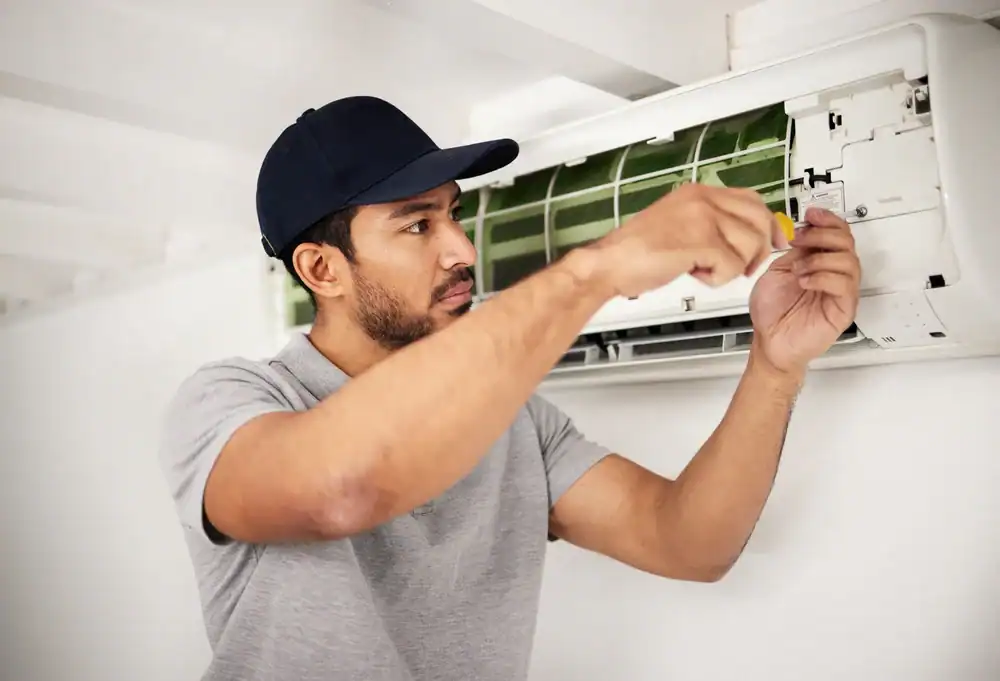
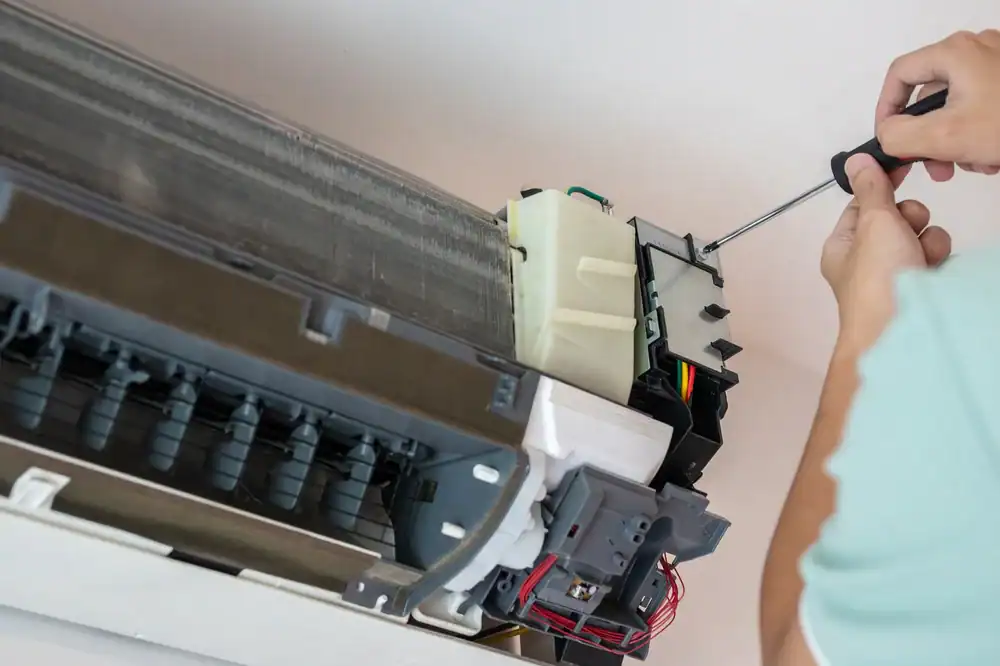
First, we inspect your entire system—indoor and outdoor units. We’re checking refrigerant levels, testing electrical connections, and looking for wear on belts and motors. If something’s about to fail, we catch it now instead of during a 95-degree afternoon in July.
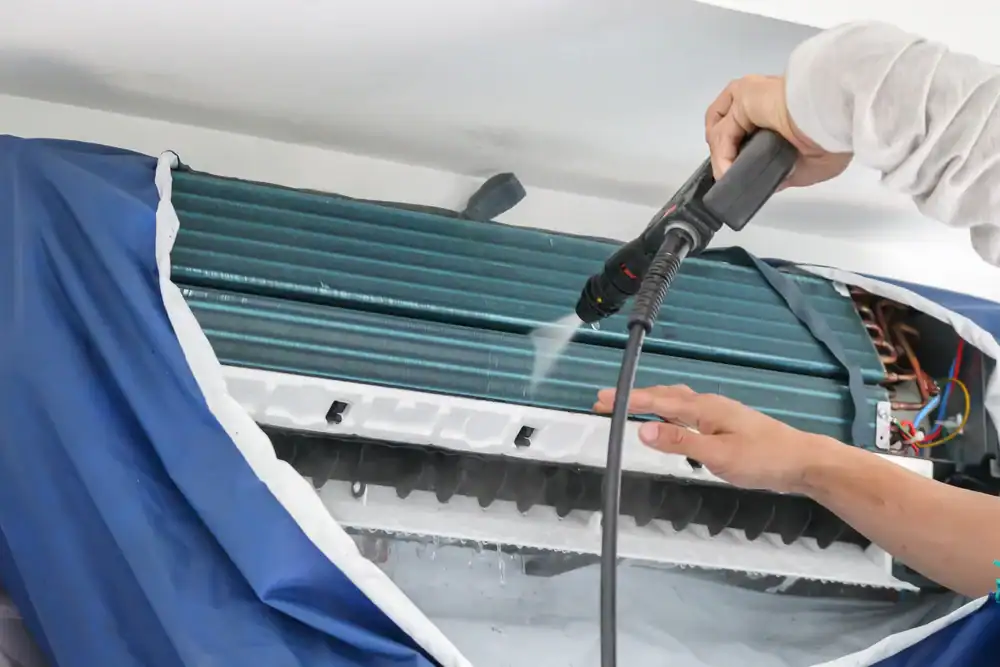
Next comes cleaning. We clean or replace your air filter, clear debris from your condenser coils, and make sure airflow isn’t restricted. Dirty coils make your system work harder and cost you more. In Wall, with ocean air blowing in, coils collect salt and grime faster than inland areas. We handle that.
Then we calibrate your thermostat and test system performance. You’ll know your AC is cooling efficiently and your energy isn’t getting wasted. We walk you through what we found, what we fixed, and what to watch for. If repairs are needed, you get a clear price before we do anything. Most tune-ups take about an hour, and you’re set for the season.

Ready to get started?
Your tune-up covers a full system inspection—both indoor air handler and outdoor condenser unit. We check refrigerant levels because low refrigerant means poor cooling and higher bills. We test electrical components, tighten connections, and inspect your condensate drain to prevent water damage.
Filter replacement or cleaning is standard. In Wall, with pollen from the pines and salt from the shore, filters clog faster. A clean filter improves your air quality and keeps your system from overworking. We also clean condenser coils, which is critical near the coast where salt buildup reduces efficiency.
We lubricate moving parts, check your thermostat calibration, and test your system’s startup and shutdown cycles. If you’re close to the ocean, we’ll inspect for corrosion on metal components. Coastal homes deal with this more than properties further inland, and catching it early saves you from expensive part replacements. You’re not just getting a quick look—you’re getting a thorough service that addresses what actually goes wrong in this area.

Once a year, ideally in spring before temperatures spike. April or May is the sweet spot—you’re ahead of the summer rush, and techs aren’t booked solid yet.
If you wait until June, you’re competing with everyone else who just realized their AC isn’t cooling. By then, you might wait days for an appointment. Spring maintenance catches problems early, so you’re not dealing with a breakdown when you actually need your system.
If you have an older unit—anything over 10 years—or if you’re near the coast where salt air accelerates wear, twice a year isn’t overkill. Fall maintenance before you switch to heat can prevent issues too. But at minimum, get it done every spring. That one appointment can save you from an emergency call that costs three times as much.
Most standard tune-ups run between $100 and $200, depending on your system size and what’s included. You’re paying for the inspection, cleaning, filter replacement, and any minor adjustments needed to keep things running efficiently.
If we find something that needs repair—like a refrigerant leak or a failing capacitor—that’s a separate cost, and we’ll give you the price before doing the work. You’re never surprised by charges you didn’t approve. Some companies upsell unnecessary repairs during maintenance visits. We don’t. If it doesn’t need fixing, we won’t tell you it does.
Compare that to an emergency service call in July when your AC dies. Emergency rates are higher, parts might cost more because you need them now, and you’re stuck without cooling while you wait. Maintenance is cheaper than repairs, and repairs are cheaper than replacement. Spending $150 now beats spending $500 later.
You can handle some basics—changing your filter every month during summer, keeping debris away from your outdoor unit, and making sure vents aren’t blocked. Those things help, and you should do them.
But a real tune-up requires checking refrigerant levels, testing electrical components, and inspecting parts you can’t easily access. Refrigerant handling requires certification. Electrical work can be dangerous if you don’t know what you’re doing. And if you miss a small problem—a loose connection, a slow refrigerant leak—it turns into a bigger, more expensive problem later.
Professional maintenance also comes with accountability. If something goes wrong after we service your system, we fix it. If you DIY and something fails, you’re paying for the repair and the service call. For the cost of a tune-up, it’s worth having a licensed tech do it right and catch what you’d miss.
Because “still cooling” doesn’t mean “cooling efficiently.” Your system might be working twice as hard to cool your house to the same temperature, and you’re paying for that extra effort on your energy bill every month.
Dirty coils, low refrigerant, and clogged filters force your AC to run longer cycles. That means more wear on the compressor, higher electric bills, and a shorter lifespan for your unit. You might not notice the difference day to day, but over a season, you’re spending 20-30% more than you should be.
Maintenance also prevents sudden failures. Small issues—a loose belt, a minor refrigerant leak, a capacitor starting to fail—don’t stop your system immediately. They just make it work harder until something gives out. Catching those problems during a tune-up means fixing them on your schedule, not during a heatwave when you have no other choice. You’re not maintaining it because it’s broken. You’re maintaining it so it doesn’t break.
Your system keeps running—until it doesn’t. Skipping maintenance doesn’t cause immediate failure, but it stacks the odds against you. Dust builds up on coils, filters get clogged, and refrigerant levels drop slowly. Each of those makes your AC work harder and less efficiently.
Over time, that extra strain wears out components faster. Your compressor runs hotter, your blower motor works harder, and parts that should last 15 years start failing at 10. When something finally breaks, the repair is more expensive because the failure caused damage to other parts. A $150 capacitor replacement becomes an $800 compressor repair because the failing capacitor overworked the compressor.
You’ll also pay more to cool your house. A neglected system uses 20-30% more energy than a maintained one. If you’re spending $200 a month on cooling in summer, that’s an extra $40-60 per month you didn’t need to spend. Over a season, skipping a $150 tune-up costs you more in wasted energy than the maintenance would have. And that’s before anything actually breaks.
Yes, and we know what to look for. Coastal properties deal with salt air, which accelerates corrosion on metal components—coils, fins, electrical connections, and housing. If your property is close to the shore, your AC faces more wear than systems a few miles inland.
During maintenance, we inspect for salt buildup and corrosion. We clean condenser coils more thoroughly because salt and sand stick to them and block airflow. We check electrical connections for corrosion, which can cause system failures if left unchecked. If needed, we can apply corrosion-resistant coatings to extend the life of your outdoor unit.
We’ve worked on systems in West Belmar, Allenwood, and along Route 35 where ocean air is constant. We’re not learning about coastal HVAC challenges on your dime—we’ve been handling them for years. If your unit is near the water, it needs more attention than standard maintenance. We make sure it gets it.