Reviews
You’re not just checking a box when you schedule AC maintenance. You’re preventing a breakdown during the next heat wave when temperatures hit 90 and humidity climbs past 65%.
A well-maintained system uses 15-30% less electricity. That’s real money back in your pocket every month during cooling season. It also means your equipment lasts longer and your manufacturer’s warranty stays valid.
Most emergency repairs happen because small issues went unnoticed. A refrigerant leak, a clogged drain line, a worn belt. Annual maintenance catches these before they turn into expensive problems or leave you sweating through a weekend waiting for parts.
We’ve served Monmouth County since 2014. We’re a family-owned company, fully licensed and insured, with technicians who show up on time and respect your home.
Upper Freehold homeowners deal with humid summers that push HVAC systems hard. We understand what that does to equipment over time. Our team knows the local climate, the common issues, and how to keep your system running without the runaround.
You’ll get upfront pricing before any work starts. No surprises, no hidden fees. Just honest service from people who’ve built a reputation on doing the job right.
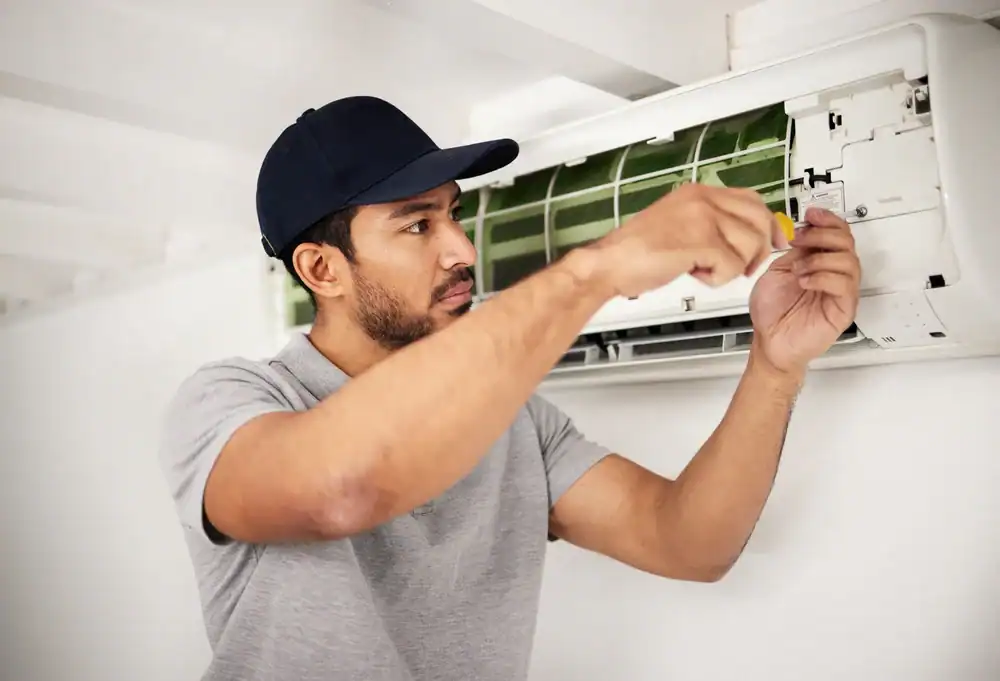
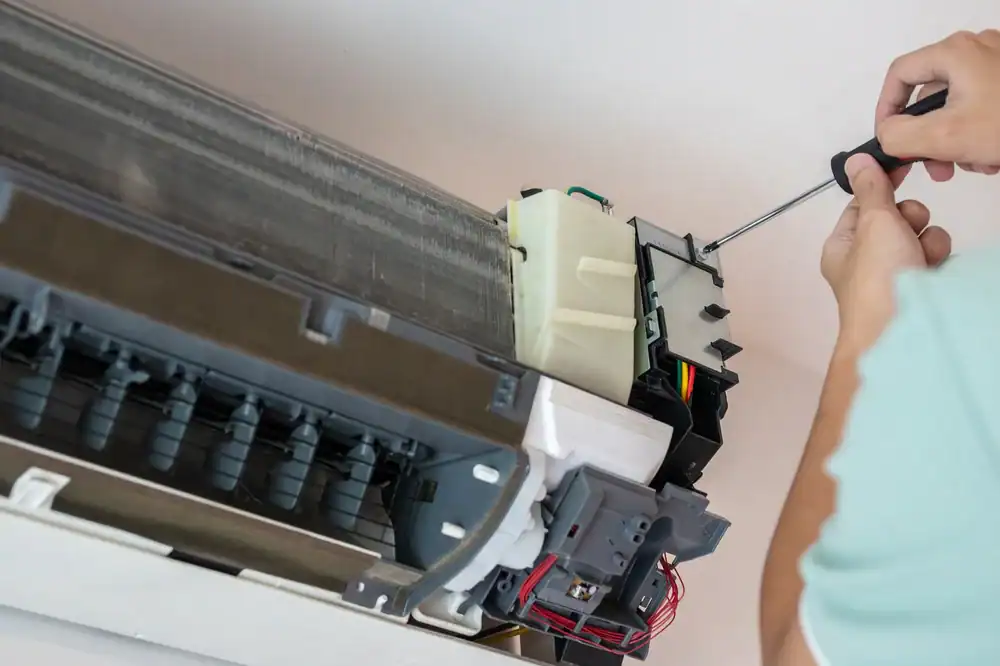
First, we inspect your entire system. That includes checking refrigerant levels, testing electrical connections, and examining the condenser and evaporator coils. If something’s wearing out or running inefficiently, you’ll know before it fails.
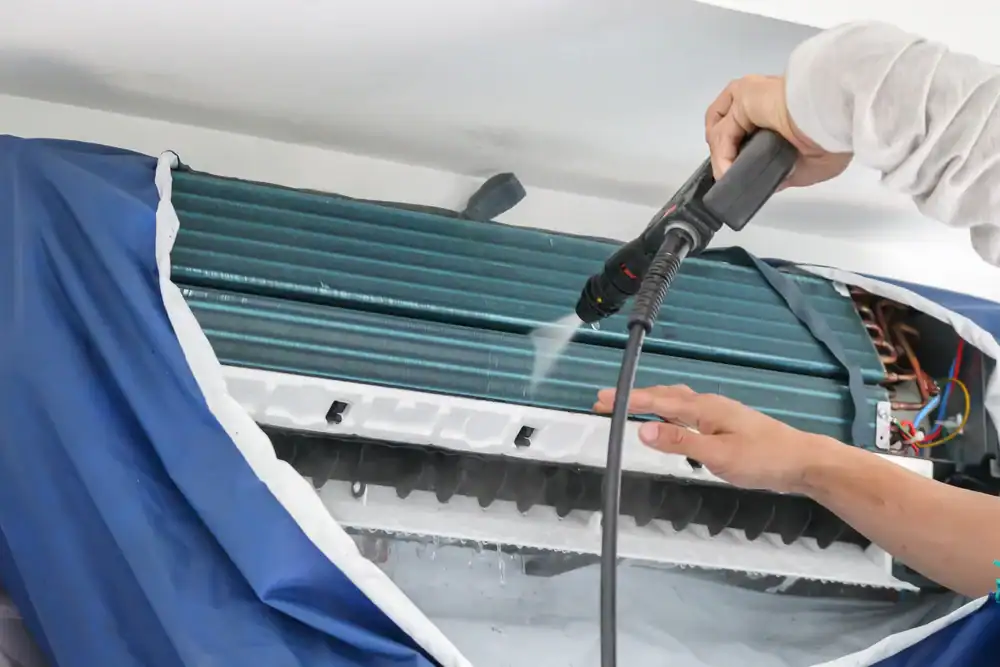
Next comes cleaning. We clear debris from the outdoor unit, clean or replace your air filter, and flush the condensate drain line. Clogged drains are one of the most common causes of water damage and system shutdowns in humid climates like ours.
Then we test performance. We measure airflow, check thermostat calibration, and make sure your system is cooling efficiently. If adjustments are needed, we handle them on the spot. You’ll know exactly how your AC is running before we leave.

Ready to get started?
Every AC maintenance visit covers a full system evaluation. We check refrigerant levels, inspect electrical components, clean coils, test capacitors, and lubricate moving parts. You’re getting a complete tune-up, not a quick look-over.
In Upper Freehold, high humidity means your AC works harder to remove moisture from the air. That puts extra strain on your system and makes drain line maintenance critical. We clear blockages and treat lines to prevent algae buildup that causes backups during peak season.
We also verify your system is meeting manufacturer specs for efficiency. If your unit is using more energy than it should, we’ll tell you why and what it’ll take to fix it. Most issues are minor when caught early—worn belts, dirty coils, low refrigerant. Left alone, they become expensive.

Once a year is the standard recommendation, ideally in spring before cooling season starts. That timing gives you a chance to address any issues before you’re relying on your AC daily.
If your system is older or runs heavily during summer, twice a year makes sense. Some homeowners add a fall check after the cooling season ends, especially if they use a heat pump that runs year-round.
Annual maintenance is also what most manufacturers require to keep your warranty valid. Miss it, and you could be paying out of pocket for a repair that would’ve been covered. One visit a year protects your investment and keeps your system running efficiently when you need it most.
Your system will work harder and cost more to run. Dirty coils and clogged filters restrict airflow, forcing your AC to run longer cycles to reach the same temperature. That means higher electric bills and more wear on components.
You’re also more likely to face a breakdown during a heat wave. Small problems like refrigerant leaks or failing capacitors don’t fix themselves—they get worse. When your AC quits on a 90-degree day, you’re looking at emergency service rates and possibly a multi-day wait for parts.
Skipping maintenance can also void your manufacturer’s warranty. If a major component fails and you can’t show proof of annual professional service, you’ll pay for the replacement yourself. A $150 tune-up is a lot cheaper than a $1,500 compressor.
Most AC tune-ups run between $120 and $250 depending on the type of system and what’s included. A basic inspection and cleaning costs less than a comprehensive service that includes refrigerant checks, electrical testing, and drain line treatment.
That’s a fraction of what you’ll pay for an emergency repair. A failed capacitor runs $150-$400. A refrigerant leak can cost $500-$1,500 to locate and fix. A compressor replacement can hit $2,000 or more. Annual maintenance catches these issues early when they’re cheap to address.
You’re also saving on energy costs. A well-maintained system uses 15-30% less electricity, which adds up over a cooling season. For most Upper Freehold homeowners, that’s $100-$150 back in your pocket each year. Maintenance pays for itself.
You can handle basic tasks like changing filters and clearing debris from around your outdoor unit. Those help, and you should do them regularly. But a real tune-up requires specialized tools and training.
Checking refrigerant levels, testing electrical components, and cleaning evaporator coils aren’t DIY jobs. Refrigerant handling requires EPA certification. Electrical work on HVAC systems can be dangerous if you don’t know what you’re doing. And without the right equipment, you can’t accurately measure airflow or system performance.
Professional maintenance also keeps your warranty valid. Manufacturers require documented annual service by a licensed technician. If you skip it and file a claim, they can deny coverage. One service call a year protects your investment and catches problems you wouldn’t see on your own.
An inspection is a visual check and basic testing to see if your system is working. A tune-up includes that inspection plus cleaning, adjustments, and preventive maintenance to optimize performance.
During a tune-up, we’re not just looking—we’re cleaning coils, tightening electrical connections, lubricating moving parts, checking refrigerant levels, calibrating thermostats, and testing system efficiency. If something needs a minor adjustment, we handle it on the spot.
An inspection tells you how your system is running. A tune-up makes sure it keeps running well. For annual maintenance, you want the full tune-up. It’s the difference between checking your car’s oil and actually changing it.
Yes. We provide 24/7 emergency service for urgent HVAC issues. If your AC fails during a heat wave or you’re dealing with a refrigerant leak or electrical problem, we’ll get someone to you as quickly as possible.
Emergency calls get priority scheduling. We know that losing your AC in July isn’t just uncomfortable—it’s a health risk, especially for young children, elderly family members, or anyone with respiratory issues. We respond fast and bring the parts and tools needed to handle most repairs on the first visit.
That said, emergency service costs more than scheduled maintenance. The best way to avoid a breakdown is regular tune-ups that catch problems early. But when you need us in a pinch, we’re available around the clock.