
Reviews
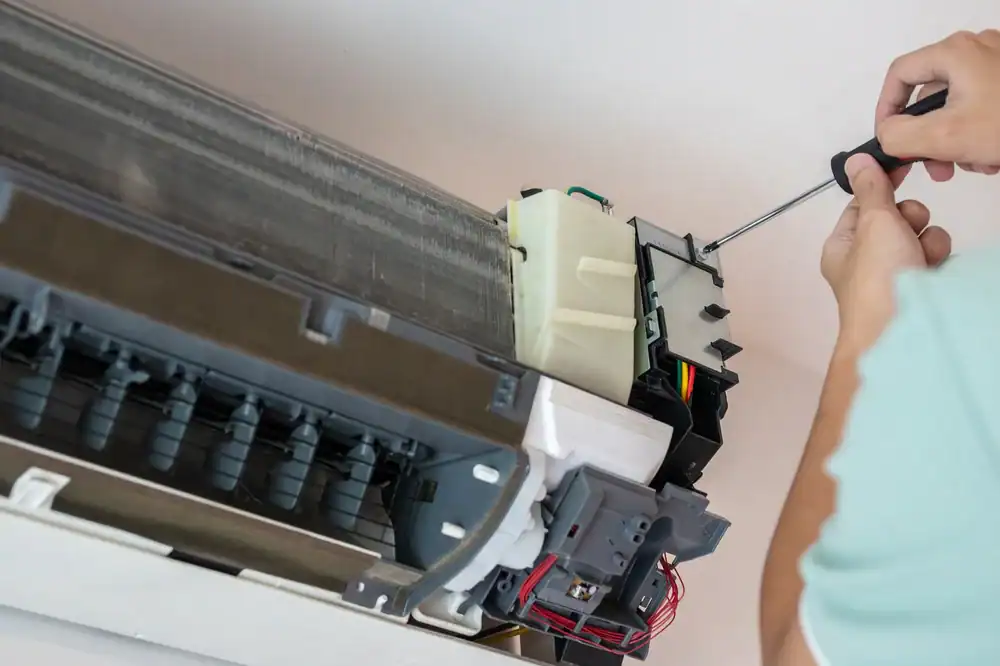
A well-maintained AC doesn’t just run — it runs right. That means consistent temperatures, humidity that actually drops when the system kicks on, and no surprise breakdowns during the hottest stretch of August. For most homeowners, that’s the baseline they expected when they bought the system. Skipped maintenance is usually why it stops delivering.
Spring Lake’s coastal exposure adds a layer that most inland towns don’t deal with. Salt air settles on your outdoor condenser coils, corrodes electrical connections, and quietly chips away at efficiency every season. You won’t notice it happening — until the system starts short-cycling, running longer than it should, or fails on the first genuinely hot weekend of June. Annual maintenance catches that corrosion early, before it turns into a repair call.
If your Spring Lake property sits vacant through the fall and winter, that’s another reason this matters. A system that’s been dormant since September — sitting through a damp coastal winter — is not the same as a system that’s been running year-round. Condensate lines clog. Capacitors weaken. First startup in late May is when those issues surface. A pre-season inspection means you arrive to a home that’s already ready, not one that needs a service call before the weekend even starts.
We’re based in Manasquan — directly adjacent to Spring Lake — which means we’re not a regional dispatch center hoping someone shows up. We’re a local company with a local reputation to protect, and we serve Spring Lake’s residential and commercial clients because this is where we work and where we’re accountable.
We’ve been serving Monmouth County’s shore communities for over a decade as a licensed, insured, family-owned operation. Every technician is fully credentialed under New Jersey’s HVACR licensing requirements and EPA Section 608 certified for refrigerant handling. That matters whether you own a year-round home near Divine Park or a seasonal property along Ocean Avenue — the work meets code, every time.
Upfront pricing, no hidden fees, and 24/7 emergency availability aren’t perks here. They’re how we operate. We also offer 10% off for military personnel and first responders — a reflection of the values we bring to every job.
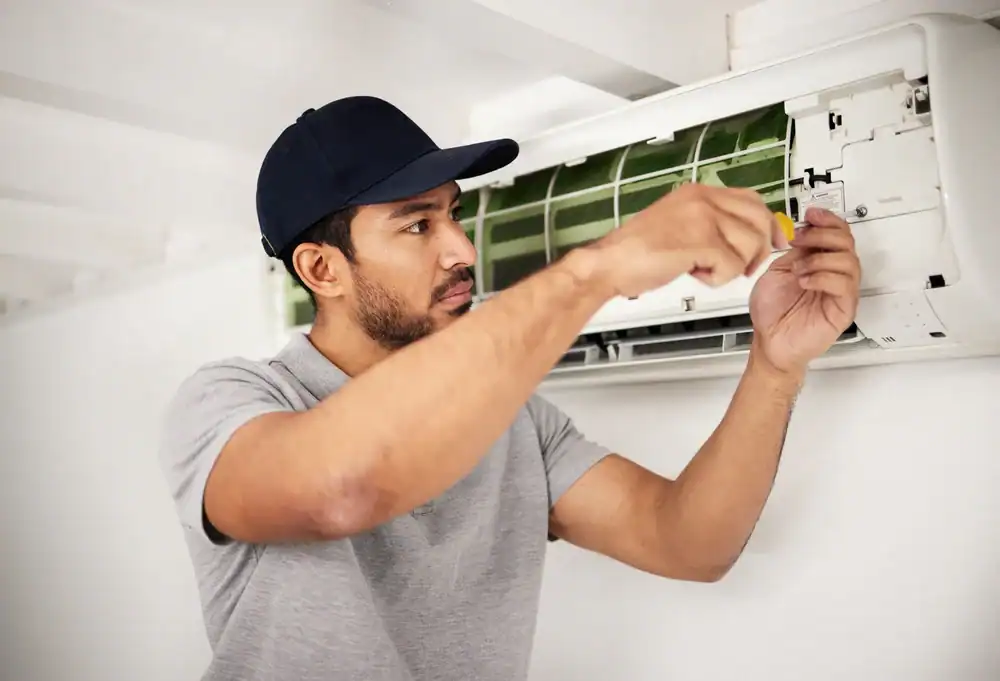
It starts with a call or online booking. Given how fast pre-season slots fill up along the Monmouth County shore — especially heading into Memorial Day weekend — earlier is always better. Once you’re scheduled, a licensed technician comes to your property at the confirmed time.
The inspection covers everything that actually matters: outdoor condenser coils get cleaned and checked for salt corrosion, refrigerant levels are measured, electrical connections and capacitors are tested, the condensate drain line is cleared, and airflow through the system is evaluated. If your Spring Lake home is one of the area’s older Victorian or early-20th-century properties with retrofitted HVAC, our technician pays attention to the specific constraints of that setup — undersized return air pathways, aging ductwork, anything that affects how the system performs in practice, not just on paper.
If something needs attention, you hear about it before any work is done. Written estimate, clear explanation, no pressure. If everything checks out, you get documentation of the visit — which matters if your system is still under a manufacturer’s warranty, since most warranties require proof of annual maintenance to stay valid. From first contact to completed visit, the process is straightforward and the communication is consistent.

Ready to get started?
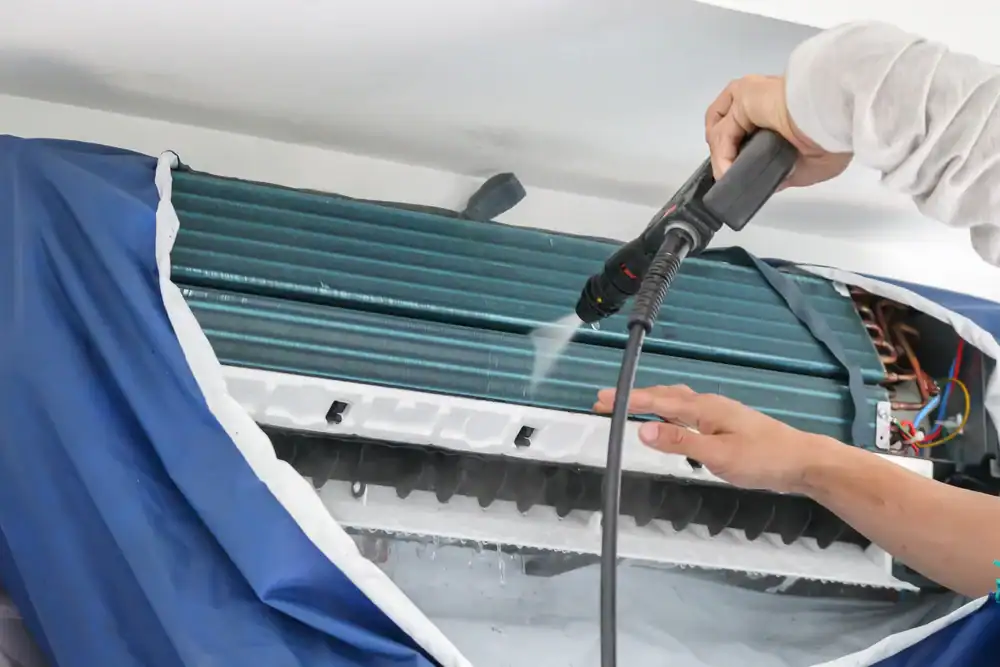
Our AC maintenance visit is a full system inspection — not a quick visual check followed by an upsell pitch. The outdoor unit gets a thorough coil cleaning, which is especially important for Spring Lake properties on or near Ocean Avenue where salt air exposure is highest. Electrical components, including capacitors and contactors, are tested for wear. Refrigerant charge is verified against manufacturer specs. The condensate drain line is flushed and cleared to prevent the mold and algae buildup that’s common in systems that sat dormant through a coastal winter.
Indoor components get the same attention. Air filters are checked, evaporator coils are inspected, and thermostat calibration is confirmed. If the system isn’t cooling and dehumidifying the way it should — a common issue in Spring Lake’s humid shore summers — the inspection will surface why.
Routine AC service in Spring Lake also means accounting for the local permit landscape. Maintenance visits don’t require permits under New Jersey code, but any refrigerant work or equipment-level repairs must be performed by properly licensed and EPA-certified technicians. We meet every applicable requirement. The visit wraps with written documentation of all findings and completed work — something warranty holders, seasonal homeowners, and anyone managing a high-value property should keep on file.

Salt air is one of the most underestimated threats to HVAC equipment on the Jersey Shore. When salt particles from the Atlantic settle on your outdoor condenser coils, they don’t just sit there — they accelerate oxidation and corrosion on the coil fins, electrical terminals, and metal housing components. Over time, corroded coils lose their ability to transfer heat efficiently, which forces the system to run longer cycles to reach the same temperature. That means higher energy bills, more wear on the compressor, and a shorter overall system lifespan.
Homes along Ocean Avenue and the east side of Spring Lake face the most direct exposure, but even properties a few blocks inland are affected. The corrosion is invisible in its early stages, which is exactly why an annual inspection matters. A technician who knows what to look for can catch early-stage corrosion and address it before it degrades performance. Waiting until the system is visibly struggling usually means the damage is already significant — and the repair bill reflects it.
Once a year is the standard recommendation, and for Spring Lake specifically, spring is the right time to do it. Scheduling before the shore season begins — ideally in March, April, or early May — means your system gets inspected while HVAC companies still have availability. By late May, booking slots along the Monmouth County shore fill up fast as seasonal homeowners prepare their properties for summer. If you wait until the first hot week of June, you may be looking at a wait.
For seasonal and second-home owners in Spring Lake, the annual spring tune-up is especially important. Your system has been dormant through a damp coastal winter, and that dormancy creates specific risks — clogged condensate drains, weakened capacitors, corroded connections — that don’t show up until the system tries to run. Getting ahead of that before you arrive for the summer is the simplest way to avoid spending your first weekend at the shore waiting on a repair call instead of enjoying it.
It can — and this catches a lot of homeowners off guard. Most HVAC manufacturers include a maintenance requirement in their warranty terms. The language varies by brand, but the general standard is that the system must receive documented annual maintenance to keep the warranty valid. If a component fails and the manufacturer’s service records show no maintenance history, the repair that should have been covered under warranty becomes an out-of-pocket expense.
This applies from year one. A brand-new system installed last summer that doesn’t receive maintenance in its second year can lose warranty coverage entirely — even if it’s only two years old. For Spring Lake homeowners who’ve recently invested in a new system for a high-value property, that’s a real financial risk for what amounts to the cost of an annual tune-up. We provide written documentation of every maintenance visit, which is exactly what you’d need to demonstrate compliance if a warranty claim ever came up.
It does, and it’s worth knowing upfront. Victorian and early-20th-century homes in Spring Lake were built long before central air conditioning existed. When HVAC systems were retrofitted into these properties, the installations had to work around original construction — plaster walls, high ceilings, narrow hallways, and non-standard ductwork paths that weren’t designed with airflow in mind. The result is often an HVAC system that’s technically functional but not optimized, with undersized return air pathways, leaky duct connections, or equipment that was sized for a different layout than what the home actually has.
During a maintenance visit in an older Spring Lake home, a good technician looks beyond the equipment itself. Airflow restrictions, ductwork condition, and whether the system is appropriately sized for the home’s actual cooling load all factor into how well the system performs. An oversized system in a Victorian home will short-cycle — it cools the air quickly but doesn’t run long enough to pull out humidity, leaving the home feeling damp even when the thermostat reads correctly. That’s a fixable problem, but only if someone’s looking for it.
They’re related but not identical, and the distinction matters when you’re deciding what to ask for. An AC inspection is primarily diagnostic — a technician evaluates the system’s condition, identifies any issues, and reports back on what they found. An AC tune-up typically includes the inspection plus hands-on maintenance work: cleaning the condenser coils, flushing the condensate drain, testing electrical components, checking refrigerant levels, and calibrating the thermostat. Think of the inspection as the assessment and the tune-up as the assessment plus the actual service.
For most homeowners scheduling routine annual maintenance, a full tune-up is what you want — not just a report on what might be wrong. In a coastal environment like Spring Lake, where salt air and humidity are actively working against your equipment year-round, the cleaning and preventive work that comes with a tune-up is what actually extends the life of the system. An inspection alone tells you what’s happening. A tune-up addresses it.
We offer a 10% discount for military personnel and first responders — and in a community like Spring Lake, where service and civic identity run deep, that’s not a line item thrown in for optics. It’s a straightforward acknowledgment of the people who show up for others, applied directly to the cost of the service.
Beyond the discount, our pricing is upfront before any work begins. You know what you’re paying before the technician starts — no diagnostic fees that quietly become repair quotes, no add-ons that weren’t discussed. For homeowners managing a high-value Spring Lake property, that kind of pricing transparency is worth more than a promotional offer. It means the number you agreed to is the number on the invoice, and there’s no conversation at the end of the visit that you weren’t expecting. Financing options are also available for larger repairs or equipment work that comes out of a maintenance visit, so cost doesn’t have to be the reason a necessary fix gets delayed.