Reviews
Your AC works harder here than it would twenty miles inland. Salt air corrodes coils faster. Humidity puts constant stress on components. Summer heat waves demand peak performance exactly when neglected systems fail.
Regular maintenance catches the small problems before they become expensive emergencies. A clean system runs up to 20% more efficiently, which shows up in your energy bills every month. Proper tune-ups extend equipment life and keep manufacturer warranties valid.
You’re not just maintaining equipment. You’re protecting a significant investment in your home and avoiding the nightmare of losing cooling during a July heat wave when every HVAC company in Monmouth County is booked solid for days.
We’ve spent years working on HVAC systems throughout Monmouth County. We’re licensed, insured, and based right here in the area.
We’ve seen what happens to systems near the ocean when maintenance gets skipped. Corroded coils, failed connections, mold issues, and humidity problems that make homes feel cold and damp at the same time. These aren’t problems you see in central New Jersey.
Our technicians understand the specific challenges that Sea Girt properties face. We show up with the right tools, the right parts, and transparent pricing so you know costs before work starts.
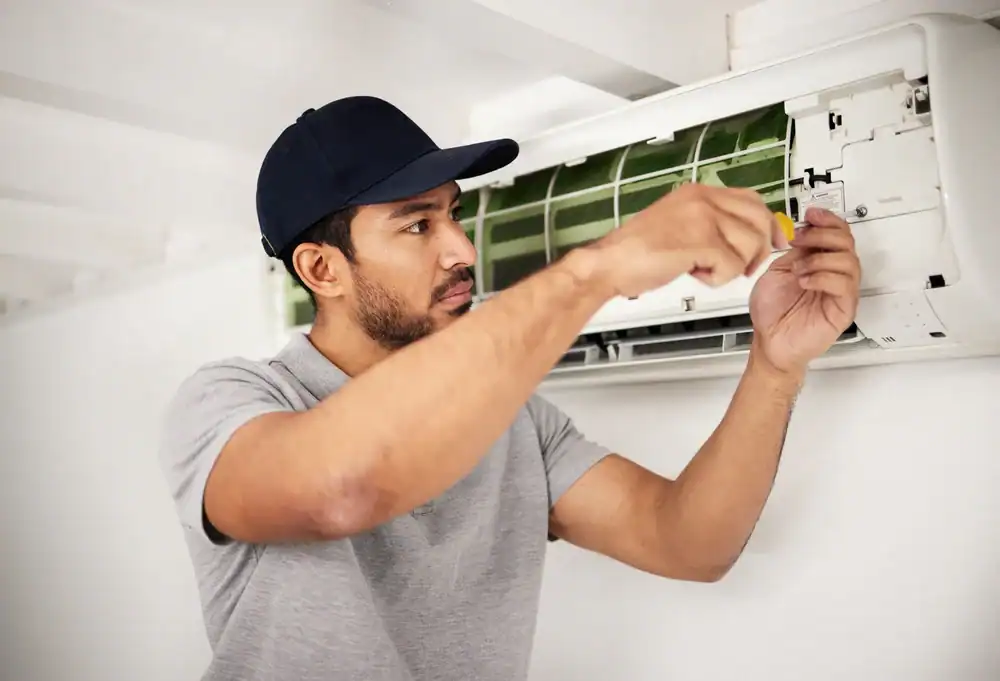
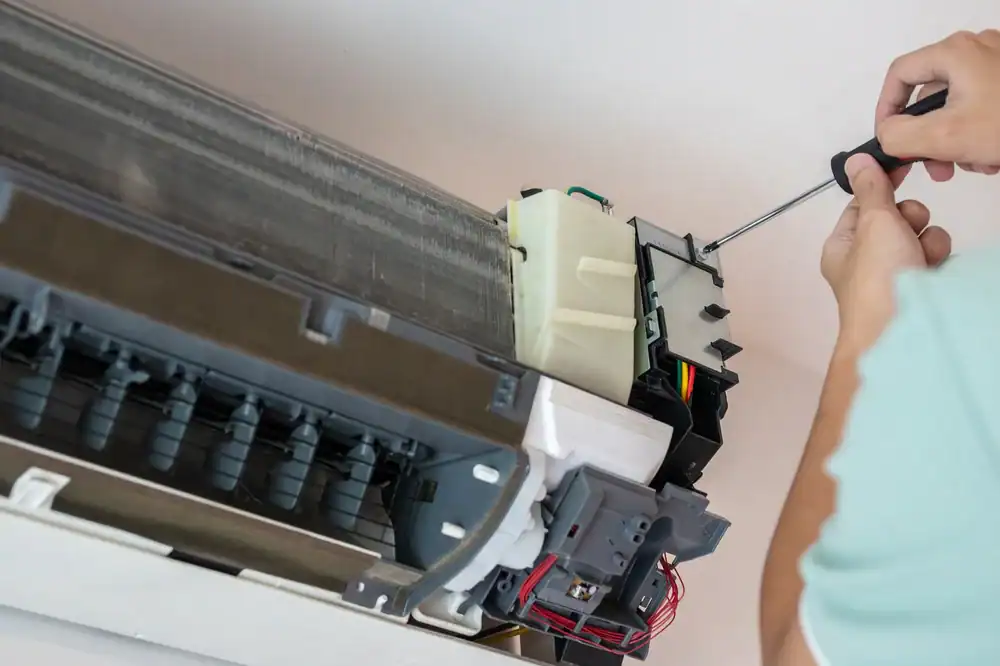
We start with a complete system inspection, checking refrigerant levels, electrical connections, and all major components. This is where we catch problems before they cause failures.
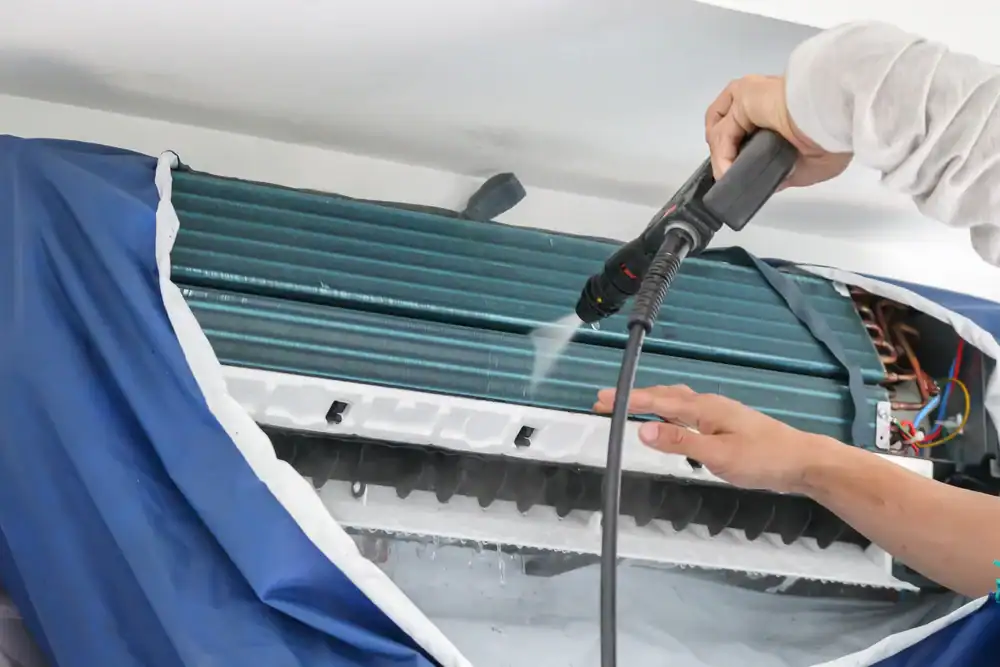
Next comes cleaning. We clean condenser coils that accumulate salt residue and dirt, replace or clean filters, and clear drain lines that can clog and cause water damage. Clean components run more efficiently and last longer.
Then we test system performance, checking airflow, temperature output, and thermostat calibration. We adjust anything that’s not operating at peak efficiency. You get a clear explanation of what we found, what we did, and whether anything needs attention soon.
The whole process typically takes about an hour. You’ll know your system’s condition, and you’ll have documentation for warranty purposes if you ever need it.

Ready to get started?
Every maintenance visit covers the critical components that keep your system running efficiently. We inspect and clean condenser coils, which take the worst beating from salt air in coastal areas like Sea Girt. We check refrigerant levels because low refrigerant makes systems work harder and cool less effectively.
Electrical connections get inspected and tightened. Loose connections cause system failures and create safety hazards. We test capacitors and contactors that commonly fail in older systems. Drain lines get cleared to prevent water backup and potential damage.
Filter replacement or cleaning is included. We calibrate thermostats to ensure accurate temperature control. Blower components get inspected for proper airflow. You also get a clear assessment of your system’s overall condition.
Sea Girt’s climate is tough on HVAC equipment. High humidity means your system works as a dehumidifier as much as a cooling unit. Salt air accelerates corrosion on outdoor components. Regular maintenance addresses these specific challenges that inland systems don’t face as intensely.

At minimum, once per year before cooling season starts. Many coastal homeowners benefit from twice-yearly service because salt air and humidity create conditions that accelerate wear.
Spring maintenance prepares your system for summer demand. A fall check after heavy use catches any problems that developed during the season. Systems within a few miles of the ocean can’t be treated as “set it and forget it” equipment.
If your system is older than ten years, if you notice higher energy bills, or if cooling seems less effective than previous years, don’t wait for your annual appointment. Those are signs something needs attention now, not later when the problem gets worse.
You get a clear explanation of what’s wrong, why it matters, and what it costs to fix. No work happens without your approval.
Some issues need immediate attention to prevent system failure or safety hazards. Others can wait but should be addressed before next season. We’ll tell you the difference honestly.
Our trucks carry common parts for most repairs, so minor issues can often be fixed during the same visit if you choose to proceed. For larger repairs, you’ll get upfront pricing before we schedule the work. No surprises, no pressure, just clear information so you can make the right decision for your situation.
It catches most problems before they become emergencies. Not all, but most.
Components wear out gradually. Refrigerant leaks develop slowly. Electrical connections loosen over time. Dirt buildup reduces efficiency month by month. Regular inspections identify these issues while they’re still small and inexpensive to address.
The alternative is finding out your system has a problem at 3 PM on a 95-degree Saturday in July when every HVAC company is slammed with emergency calls. Emergency repairs cost more, take longer to schedule, and happen at the worst possible time. Maintenance doesn’t eliminate every possible failure, but it dramatically reduces the odds of a complete breakdown during peak season.
Yes, if your system hasn’t been maintained regularly. Dirty coils, low refrigerant, and poor airflow all force your system to run longer to achieve the same cooling.
A well-maintained system can run 15-20% more efficiently than a neglected one. On a $200 monthly summer electric bill, that’s $30-40 in savings. Over a full cooling season, maintenance typically pays for itself in reduced energy costs.
You’ll also avoid the efficiency loss that happens gradually over time. Most homeowners don’t notice their system slowly becoming less efficient until the problem is significant. Regular tune-ups keep efficiency from degrading in the first place.
You can handle some basic tasks. Changing filters regularly helps. Keeping the outdoor unit clear of debris and vegetation matters. Those things make a difference.
But a real maintenance visit involves checking refrigerant levels, testing electrical components, measuring airflow and temperature differentials, and inspecting parts you can’t easily access. It requires specialized tools and training to do properly.
Coastal systems also need specific attention to corrosion, salt buildup, and humidity control issues that aren’t obvious without experience. A professional inspection catches developing problems that aren’t visible during a basic cleaning. It’s the difference between basic upkeep and actually protecting your investment.
Salt air changes everything. It corrodes metal components faster, particularly condenser coils and cabinet panels. What lasts fifteen years inland might last ten years here without proper care.
Humidity control becomes more critical in coastal areas. Your system needs to remove moisture as effectively as it cools air. Oversized systems are common in shore homes, but they often cool too quickly and shut off before removing enough humidity. That leaves homes feeling cold and damp simultaneously.
We’ve worked with coastal properties long enough to know to check for specific issues like accelerated corrosion, salt buildup on coils, and humidity control problems. We understand that standard recommendations for central New Jersey don’t always apply here. The climate is different, the challenges are different, and the maintenance approach needs to account for that.