Reviews
You’re not just getting a tune-up. You’re avoiding the emergency call in July when it’s 90 degrees and your AC quits. You’re cutting your cooling costs by up to 40% because a clean system doesn’t work as hard. You’re adding years to your equipment’s lifespan instead of replacing it early.
Most AC breakdowns happen during peak summer heat. The condenser coils get clogged with coastal debris and salt residue. The condensate line backs up with algae. Refrigerant levels drop. None of this happens overnight, and all of it shows up during an inspection before it becomes a problem.
A maintained system cools faster, runs quieter, and costs less to operate. It also means you’re not scrambling to find an HVAC tech when everyone else in Point Pleasant is doing the same thing. The difference between a $150 tune-up and a $3,000 emergency compressor replacement is just scheduling the visit before something breaks.
We’re based in Monmouth County. We’re licensed, insured, and we’ve seen what coastal air does to HVAC equipment. Salt corrosion on condenser coils isn’t something you deal with inland, but it’s a regular issue here.
Our team handles AC maintenance, repairs, and full HVAC installations across Point Pleasant and the surrounding shore towns. We’re available 24/7 for emergencies, and our pricing is upfront before any work starts. No surprises, no hidden fees.
You’ll work with techs who understand how humidity, salt air, and summer storms affect your system differently than they would a few miles west. That matters when you’re trying to keep equipment running in a coastal environment.
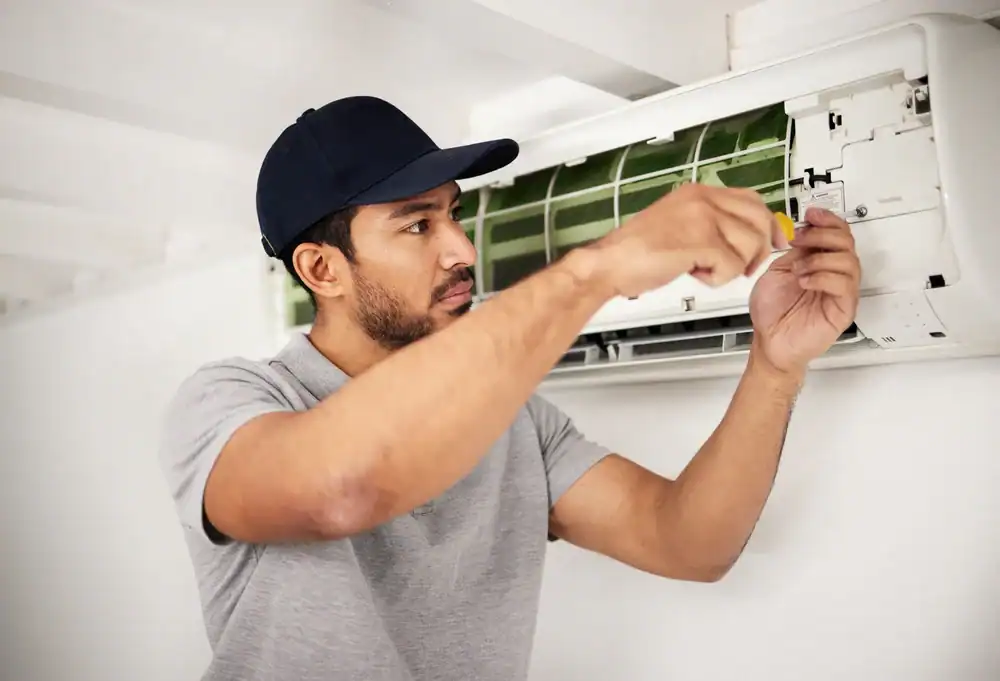
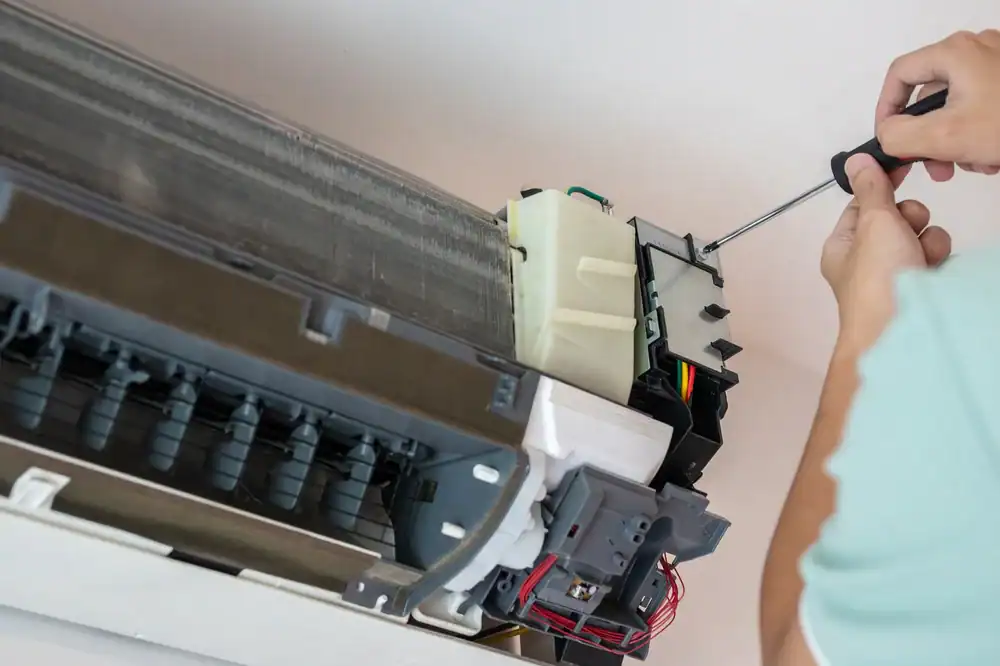
We start with your thermostat and work our way to the outdoor unit. The thermostat gets calibrated so your system isn’t overcooling or short-cycling. Then we check electrical connections, tighten anything loose, and test the capacitors and contactors that keep your compressor running.
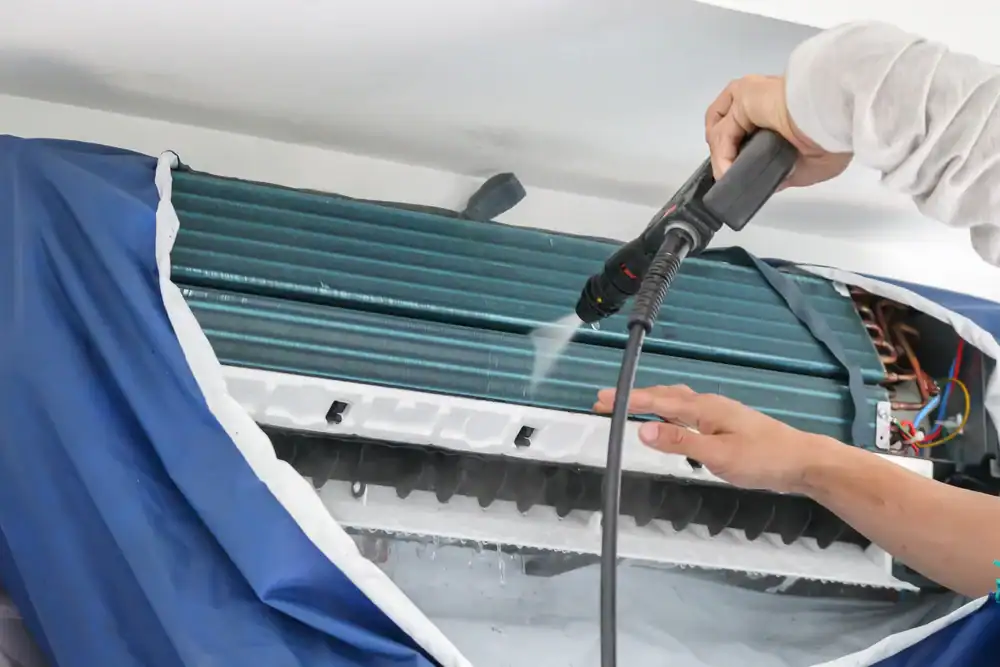
Inside, we pull the blower assembly, clean the evaporator coil, and clear the condensate drain line. That’s where most clogs happen, especially in humid climates. A blocked drain means water backs up into your home or shuts the system down completely.
Outside, we clean the condenser coils and remove debris from the unit. Salt air leaves a film that reduces heat transfer and makes your compressor work harder. We check refrigerant levels, test airflow, and measure the temperature split between supply and return air. If something’s off, we catch it here.
The whole process takes about an hour. You get a written report of what we found, what we fixed, and what might need attention down the road. If repairs are needed, we give you the cost before doing any additional work.

Ready to get started?
An hvac cleaning service covers the parts that affect performance and reliability. We’re checking refrigerant charge, cleaning coils, testing electrical components, lubricating motors, inspecting ductwork connections, and verifying your system is pulling the right amperage. These are the things that prevent breakdowns.
Point Pleasant’s coastal location means your outdoor unit takes more abuse than systems a few miles inland. Salt air accelerates corrosion. High humidity promotes mold and algae growth in drain lines. Summer storms can damage fins and electrical components. A standard inspection here needs to account for those factors.
We also look at airflow and duct leakage. If your system is losing 20% of its cooled air to leaky ducts, you’re paying to cool your attic or crawl space. Sealing those leaks and balancing airflow can drop your energy bill without replacing any equipment.
You’ll also get a realistic assessment of your system’s condition. If your AC is 15 years old and showing signs of compressor wear, we’ll tell you. That doesn’t mean you need to replace it today, but it helps you plan instead of getting caught off guard when it finally quits.

Once a year, ideally in late spring before the heavy cooling season starts. That timing gives you a chance to fix any issues before you’re relying on your AC daily.
If you’re in a home right on the water or within a few blocks of the ocean, twice a year makes more sense. Salt air is harder on equipment, and the extra inspection catches corrosion and buildup before it shortens your system’s life.
Skipping annual maintenance doesn’t break your AC immediately, but it does mean higher energy bills, more frequent repairs, and a shorter overall lifespan. Most manufacturers also require proof of regular maintenance to honor warranties, so skipping it can cost you coverage when you need it most.
Weak airflow is the most common sign. If some rooms aren’t cooling or the vents aren’t pushing much air, you likely have a blower issue, duct leak, or clogged filter. That’s fixable, but it gets worse if ignored.
Strange noises like grinding, squealing, or banging mean something’s loose or failing. Squealing usually points to a belt or motor bearing. Banging can mean a loose component or failing compressor. Neither fixes itself.
Higher electric bills without a clear reason often mean your system is working harder than it should. Dirty coils, low refrigerant, or a failing capacitor will all cause your AC to run longer and use more power. If your bill jumped but your usage didn’t, get it checked.
Yes, because most breakdowns stem from issues that develop slowly. Refrigerant doesn’t disappear overnight. Coils don’t clog in a day. Electrical connections don’t corrode instantly. These problems build up over months, and they’re all visible during an inspection.
A capacitor that’s starting to fail will show abnormal readings before it quits completely. A refrigerant leak will cause a gradual drop in cooling performance before the system stops working. Catching these early means a small repair instead of a full breakdown.
The exceptions are sudden failures like a compressor that seizes or a control board that shorts out. But even those are less common in well-maintained systems because the components aren’t being overworked by dirty coils, low refrigerant, or poor airflow. Maintenance doesn’t make your system bulletproof, but it does eliminate most of the common failure points.
A standard tune-up typically runs between $100 and $200 depending on the system size and what’s included. That covers inspection, cleaning, and minor adjustments. If repairs are needed, those are quoted separately before any work happens.
Emergency service costs more, usually 50% to 100% more than a scheduled visit. That’s why maintenance makes financial sense. Spending $150 in May beats spending $400 for an emergency call in July, plus whatever the actual repair costs.
Some companies offer maintenance plans that include annual service, priority scheduling, and discounts on repairs. If you’re planning to stay in your home and want to avoid surprise costs, those plans usually pay for themselves within a year or two. We offer upfront pricing, so you’ll know the cost before scheduling.
Absolutely. Salt air corrodes metal components faster than regular air. Your condenser coils, cabinet, and electrical connections are all exposed to that salt, and it accelerates wear. A system that might last 15 years inland could need replacement in 10 to 12 years at the shore without proper maintenance.
Coastal homes also deal with higher humidity, which means more condensation and more opportunities for mold and algae growth in drain lines. If your condensate line clogs, your AC shuts down or starts leaking water inside your home. Regular cleaning prevents that.
Twice-a-year service makes sense if you’re within a few blocks of the water. Spring and fall inspections keep salt buildup and corrosion in check. It’s an extra cost upfront, but it extends your equipment’s life and prevents the kind of damage that leads to full system replacement.
Your system keeps running, but efficiency drops every year. Dirty coils reduce heat transfer, so your AC runs longer to reach the same temperature. That means higher electric bills and more wear on the compressor. You might not notice the decline because it happens gradually.
Eventually, something fails. A clogged drain line floods your air handler. A dirty evaporator coil freezes. A capacitor that’s been overworked finally quits. The repair itself might not be expensive, but the secondary damage often is. A frozen coil can damage the compressor. A flooded air handler can ruin the blower motor.
You also lose warranty coverage with most manufacturers. They require proof of annual maintenance to honor parts warranties. If your compressor fails after five years and you can’t show service records, you’re paying out of pocket for a repair that should have been covered. Skipping maintenance to save money usually costs more in the long run.