Reviews
You’re not just paying to keep your AC running. You’re protecting yourself from the kind of mid-July breakdown that costs three times what regular maintenance does.
When your system gets the right attention, it uses 20% less energy. That’s real money back in your pocket every month. It also lasts about 40% longer than systems that get ignored, which means you’re pushing off a $5,000+ replacement for years.
But here’s what matters most: you’re not sweating through a weekend waiting for an emergency tech. You’re not dealing with a flooded basement because the drain line clogged. You’re not explaining to your family why the house feels like a sauna. Your system just works when you need it to.
We’ve spent years working on HVAC systems throughout Monmouth County. We’re licensed, insured, and local—which means we’ve seen what happens when coastal air meets an air conditioner that hasn’t been cleaned or checked in two years.
It’s not pretty. Corroded coils, rusted panels, mold in the ducts, electrical connections that fail without warning. We’ve pulled apart units that should’ve lasted another decade but died early because no one caught the small stuff.
That’s why we show up with transparent pricing, no hidden fees, and a real plan to keep your system running. You’ll know what we’re doing, why we’re doing it, and what it costs before we start. If you need us at 2 a.m., we’re available. If you need financing, we’ve got options. If you’re military or a first responder, we’ll take 10% off.
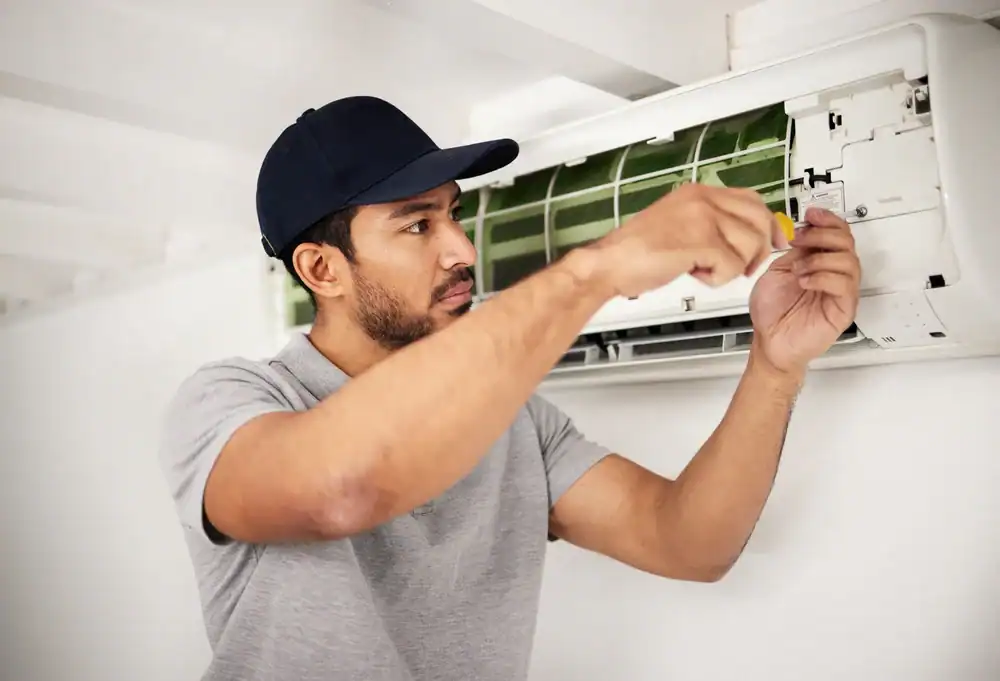
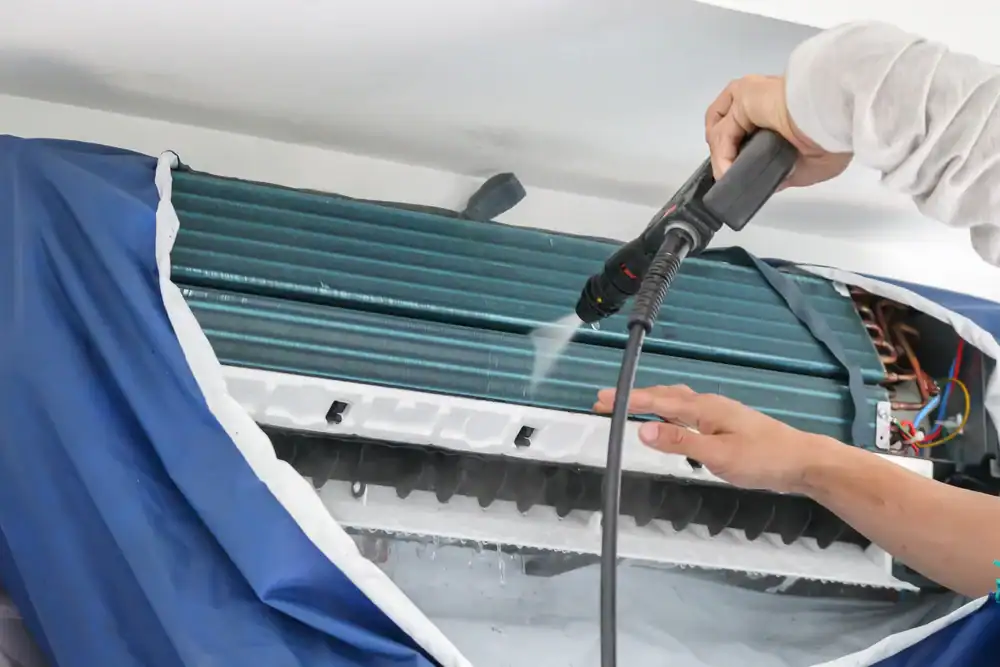
We start with your outdoor unit. That’s where salt air does the most damage, so we’re checking for corrosion, cleaning the condenser coils, and making sure airflow isn’t restricted. If debris or dirt is blocking anything, it comes out.
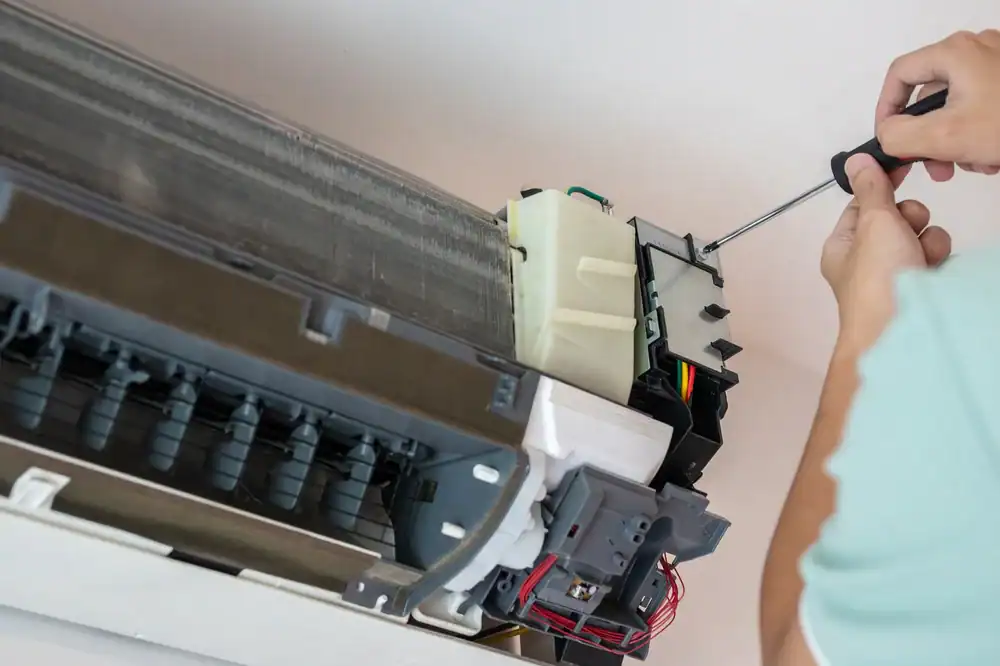
Then we move inside. We’re inspecting your evaporator coil, checking refrigerant levels, testing electrical connections, and cleaning or replacing your air filter. We also check the condensate drain line—because a clog there means water damage, and water damage means mold.
After that, we test the whole system. Thermostat calibration, blower motor performance, airflow measurements. If something’s wearing out or about to fail, we’ll tell you. If it’s fine, we’ll tell you that too. You’ll get a clear picture of where your system stands and what, if anything, needs attention before summer hits full force.

Ready to get started?
You’re getting a full hvac system inspection that covers every part of your air conditioner. Condenser and evaporator coil cleaning. Refrigerant level check and adjustment if needed. Electrical connection tightening. Blower motor and fan inspection. Thermostat testing and calibration. Condensate drain line clearing. Air filter replacement or cleaning.
In Ocean, NJ, this matters more than it does inland. Humidity here sits between 70-80% on a regular summer day. Your AC isn’t just cooling air—it’s pulling gallons of moisture out of your house every week. If the drain line clogs or the coils get dirty, that moisture has nowhere to go. You end up with mold, water damage, or a system that runs nonstop and still can’t keep up.
We also check for the kind of damage that only happens near the shore. Corroded coils and rusted panels aren’t normal wear and tear—they’re what salt air does when it’s left unchecked. Catching that early means fixing a $200 problem instead of replacing a $6,000 system.

Once a year, ideally in spring before you’re running your system every day. That’s the industry standard, and it’s also what most manufacturers require to keep your warranty valid.
But if you’re right on the coast or you run your AC heavily, twice a year isn’t overkill. Salt air accelerates wear, and humidity makes your system work harder than it would anywhere else. A second check in fall can catch issues before they turn into winter problems, especially if you’re also using a heat pump.
If you’ve skipped maintenance for a few years, don’t wait until summer. Get it done now. The longer you wait, the more likely you are to deal with a breakdown when every HVAC company in Monmouth County is booked solid.
Your energy bills go up first. A dirty coil or low refrigerant makes your system work harder to produce the same amount of cooling. You could be paying 20-25% more every month without realizing it.
Then parts start failing. Blower motors burn out. Compressors overheat. Electrical connections corrode and stop working. What would’ve been a $150 fix during a tune-up turns into a $1,200 emergency repair in July. And if the compressor goes, you’re looking at thousands or a full replacement.
You also lose years of lifespan. A well-maintained AC in Ocean can last 12-15 years. One that’s ignored might make it to 8 or 9 before it’s done. That’s a $5,000+ expense showing up a lot sooner than it should.
Yes, and the difference is measurable. A clean, properly maintained system uses 15-20% less energy than one that’s been neglected. Over a summer in New Jersey, that adds up to real money—sometimes $200 or more depending on how much you’re running your AC.
Here’s why it works: dirty coils make your system work harder to transfer heat. Low refrigerant means longer run times. A clogged filter restricts airflow, so your blower motor has to push harder. All of that burns extra electricity for the same result.
When we clean your coils, check your refrigerant, and replace your filter, your system runs the way it was designed to. It cools your house faster, cycles off sooner, and doesn’t waste energy fighting against its own buildup. That efficiency shows up on your electric bill every month.
Salt air. It’s corrosive, and it gets into everything. Your condenser coils, your cabinet panels, your electrical connections—they all take a beating that doesn’t happen 20 miles inland.
We’re specifically looking for rust, corrosion, and early signs of failure that are common in Ocean but rare everywhere else. If your coils are corroding, we’ll catch it before they start leaking refrigerant. If your cabinet is rusting through, we’ll spot it before it becomes a structural problem. If your electrical connections are degrading, we’ll tighten or replace them before they fail.
We’re also paying attention to humidity-related issues. Mold in the ducts, clogged drain lines, evaporator coils that are freezing because they can’t handle the moisture load. These aren’t problems you deal with in drier climates, but they’re common here. Ignoring them leads to bigger repairs and worse indoor air quality.
Usually about an hour to 90 minutes for a standard residential system. If we find something that needs immediate attention, it might take longer—but we’ll tell you what we found and what it’ll take to fix it before we do anything.
We’re not rushing through your system just to check a box. We’re cleaning coils, testing components, checking refrigerant, inspecting electrical connections, and making sure everything works the way it should. That takes time if it’s done right.
If your system hasn’t been serviced in years, expect us to spend a little longer. There’s more buildup to clean, more wear to assess, and a higher chance we’ll find something that needs repair. But that’s also why the service matters—you’re catching problems before they become emergencies.
Yes, especially if refrigerant is involved. In New Jersey, only licensed technicians are legally allowed to handle refrigerant. If someone without a license is offering to “top off” your system, they’re breaking the law—and you’re the one who’ll deal with the consequences if something goes wrong.
Beyond the legal side, HVAC systems are more complex than most people realize. A licensed tech knows how to spot early signs of compressor failure, test electrical loads, measure airflow, and diagnose issues that aren’t obvious. They also carry insurance, which matters if something gets damaged during service.
You’re not just paying for someone to spray down your condenser and leave. You’re paying for expertise, proper tools, and accountability. If we miss something or make a mistake, we’re insured and licensed to make it right. That’s not true for every person offering cheap maintenance on Craigslist.