

Reviews
You’re not scheduling AC maintenance because it sounds fun. You’re doing it because you know what happens when you don’t.
Your system works harder. Your energy bills climb. And when that first 95-degree day hits with 80% humidity, your AC decides it’s had enough.
Regular air conditioner service means your system runs efficiently when Ocean Grove summers get brutal. We’re talking about the difference between a $150 tune-up in April and a $2,500 compressor replacement in July. Your unit lasts longer, uses less energy, and actually keeps your home comfortable when the heat index pushes past 110.
Most homeowners in Ocean Grove are dealing with older homes and aging HVAC systems. The salt air doesn’t help. Neither does putting off maintenance until something breaks. A proper hvac system inspection catches the small stuff—refrigerant levels, electrical connections, airflow issues—before they turn into the kind of problems that ruin your weekend and drain your bank account.
We’re a locally owned company serving Ocean Grove and the surrounding Monmouth County area. We’re licensed, insured, and we actually show up when we say we will.
Our technicians know what Ocean Grove homeowners deal with. Older properties. Coastal humidity. Systems that work overtime from June through September. We’re not here to upsell you on equipment you don’t need—we’re here to keep what you have running as long as possible.
We offer upfront pricing, 24/7 emergency service when things go wrong, and financing options that make sense. You’ll also get 10% off if you’re military or a first responder. We use quality parts, modern diagnostic tools, and we don’t leave a mess behind.

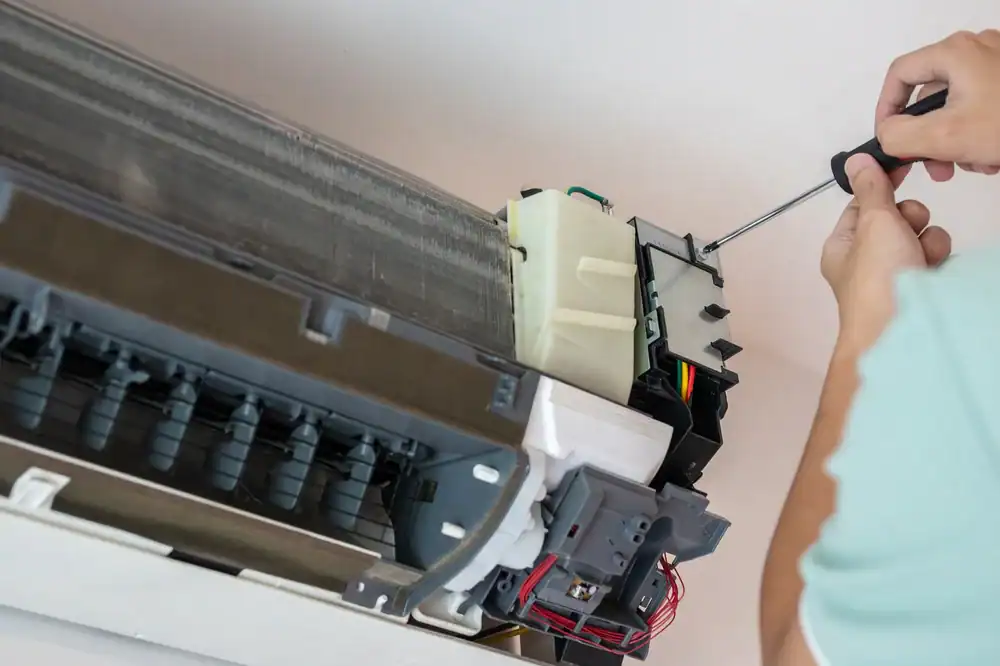
When we come out for an ac tune-up, we’re not just changing your filter and calling it a day. We start with a full system inspection—checking refrigerant levels, testing electrical connections, inspecting your condenser coils, and making sure airflow is where it should be.
We clean the components that get clogged with dirt and debris. We lubricate moving parts. We test your thermostat calibration and make sure your condensate drain isn’t backing up. All of this takes about an hour, and it’s the difference between a system that limps through summer and one that actually works.
If we find something that needs attention, we’ll tell you what it is, why it matters, and what it costs to fix. No surprises. No pressure. Just the information you need to make a smart decision about your home.
Most of our maintenance customers schedule service in spring before the heat arrives. That’s the sweet spot—your system gets dialed in, and you’re not competing with emergency calls when everyone’s AC fails at once.

Ready to get started?
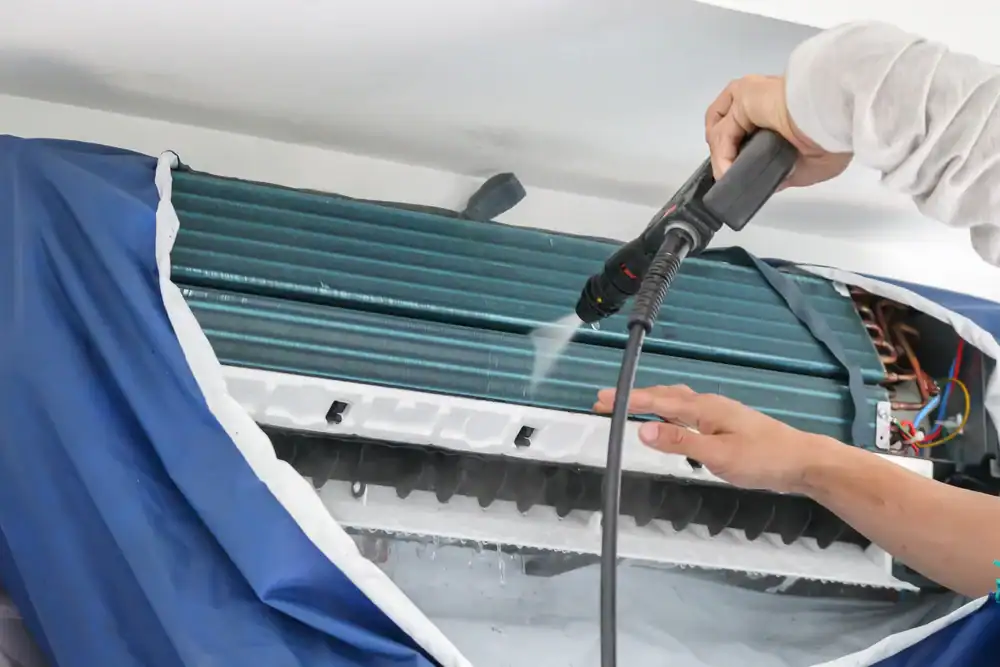
A proper ac inspection covers the entire system, inside and out. We check refrigerant levels and look for leaks. We test your compressor and capacitor. We inspect ductwork for leaks or blockages that waste energy. We clean your evaporator and condenser coils, which is critical in a coastal environment where salt and moisture accelerate buildup.
We also replace or clean your air filter, check your blower motor and belts, verify your thermostat is working correctly, and clear your condensate drain line. These aren’t optional steps—they’re what keeps your system from breaking down when you need it most.
Ocean Grove homes face specific challenges. The humidity here makes your AC work harder to remove moisture from the air, not just cool it. Older homes often have undersized or aging ductwork. And if your system hasn’t been maintained in a few years, it’s probably running at 70% efficiency or less. That means you’re paying 30% more to cool your home than you should be.
Regular hvac cleaning service also protects your warranty. Most manufacturers require documented professional maintenance to honor coverage. Skip it, and you’re on your own when something expensive fails.

Once a year, ideally in spring before cooling season starts. That gives us time to catch and fix issues before you’re running your system daily.
If your AC is older than 10 years, or if you’re noticing higher energy bills or uneven cooling, twice a year isn’t overkill. Fall maintenance before heating season is smart too, especially if you have a heat pump.
The timing matters because most HVAC failures happen in mid-summer when systems are under the most stress. Getting ahead of that means you’re not waiting three days for service when it’s 98 degrees outside. You also avoid the premium rates that come with emergency calls.
An annual maintenance visit runs $100 to $250 depending on your system. An emergency repair in the middle of summer averages $1,500 to $3,000.
But the bigger cost is what you don’t see. A neglected system uses 15% to 30% more energy. On a typical Ocean Grove home, that’s an extra $200 to $400 per year in electricity costs. Over five years, skipping maintenance costs you thousands in wasted energy alone.
Then there’s lifespan. A well-maintained AC lasts 15 to 20 years. One that’s ignored might make it 10 to 12 years before it needs full replacement. That’s a $5,000 to $8,000 difference hitting you years earlier than it should.
Changing your filter is important, and you should do it every one to three months depending on the filter type. But that’s basic hygiene, not maintenance.
Professional service covers refrigerant levels, electrical connections, coil cleaning, airflow testing, and a dozen other things you can’t do yourself without specialized tools and training. Low refrigerant doesn’t just reduce cooling—it can damage your compressor, which is the most expensive component in your system.
Dirty coils reduce efficiency by 30% or more. Loose electrical connections cause failures and safety hazards. A clogged condensate drain can flood your home. These aren’t things you’ll catch by swapping a filter. They’re why professional maintenance exists.
We’ll explain what we found, why it’s a problem, and what your options are. You’ll get upfront pricing before any work happens.
Some issues are minor and inexpensive—a worn belt, a dirty coil, a filter that needs upgrading. Others might be more significant, like a refrigerant leak or a failing capacitor. We’ll tell you what needs to be fixed now versus what can wait, and we’ll never pressure you into unnecessary work.
If it’s something that requires parts we don’t have on the truck, we’ll schedule a follow-up. If it’s an easy fix, we’ll usually handle it the same day with your approval. Either way, you’re making an informed decision about your home, not getting blindsided by a bill.
We offer both. One-time service makes sense if you’re diligent about scheduling annually on your own. A maintenance plan makes sense if you want it handled automatically.
Plan members typically get priority scheduling, which matters when you need service fast. You also get discounts on repairs, which adds up if something does break. And you don’t have to remember to call every spring—we reach out to you.
The cost difference is minimal, and for most Ocean Grove homeowners, the peace of mind is worth it. Your system gets checked on schedule, you’re first in line if you need emergency service, and you’re not scrambling to find someone reliable when your AC quits in July.
Coastal humidity and salt air are hard on HVAC systems. Your AC has to work harder here to remove moisture from the air, not just cool it. That extra workload means more wear on components.
Salt accelerates corrosion on outdoor units. Sand and debris get pulled into your system. And Ocean Grove’s older housing stock often means older ductwork and less-than-ideal insulation, which makes your AC run longer cycles to maintain temperature.
All of that adds up to systems that need more frequent attention than they would inland. Regular maintenance offsets those environmental factors and keeps your equipment running efficiently despite the challenges. It’s not optional if you want your system to last.