
Reviews
Your air conditioner sits unused for months. Then May hits, you flip it on, and you’re either fine or you’re sweating while waiting for an HVAC company that’s booked solid for two weeks.
An AC tune-up before summer starts means your system gets inspected, cleaned, and adjusted while there’s still time to fix small problems. You’re not gambling on whether it’ll make it through July. You know it will.
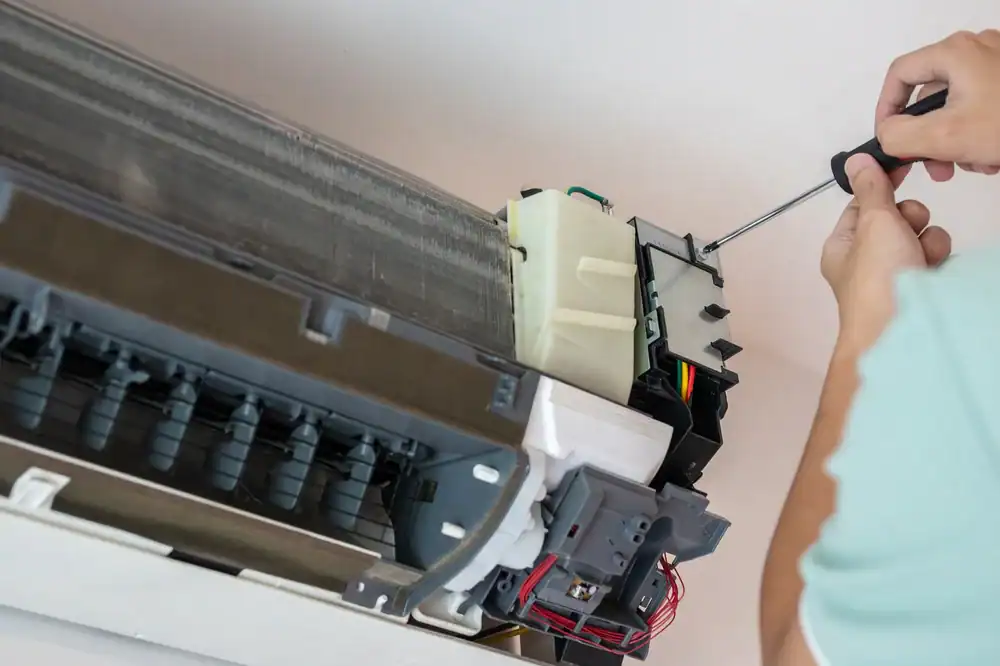
Most breakdowns happen mid-summer, and most could’ve been caught early. A clean filter improves efficiency by up to 15%. A refrigerant check prevents your system from working twice as hard to cool half as well. An electrical inspection stops failures before they happen. That’s what maintenance actually does—it keeps your system from becoming an emergency.
You also extend the life of your equipment. A neglected AC might last five to seven years. One that gets annual service can run efficiently for ten to fifteen. That’s real money saved, not just on repairs, but on replacement costs you’re not ready for.
We handle both plumbing and HVAC work across Monmouth County. That means when you call, you’re talking to people who understand how systems work together, not just one piece of the puzzle.
Our team is licensed, insured, and local. We know what coastal humidity does to HVAC equipment in Monmouth Beach. Salt air, moisture, and temperature swings hit systems harder here than they do inland. We account for that during every hvac system inspection.
You’ll get upfront pricing before any work starts. No surprises, no hidden fees. If something needs fixing, we’ll tell you what it costs and why it matters. If it doesn’t, we won’t sell it to you. We’re available 24/7 for emergencies, and we offer financing options if a bigger repair or replacement makes sense.
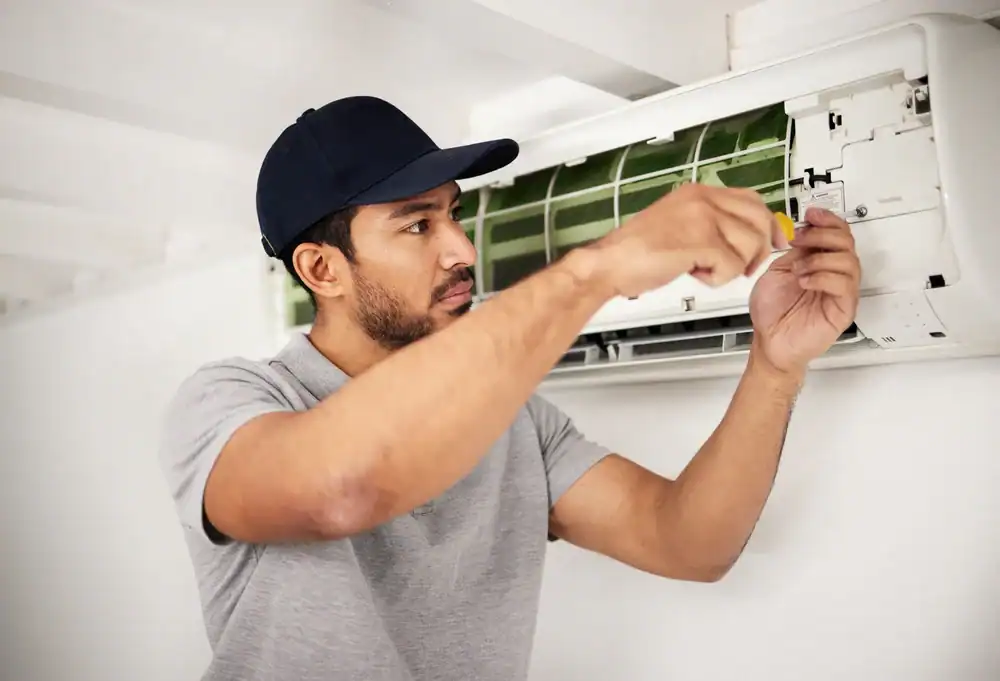
You schedule a maintenance appointment, ideally in early spring before the rush. A technician shows up on time, walks through what they’re going to check, and gets to work.
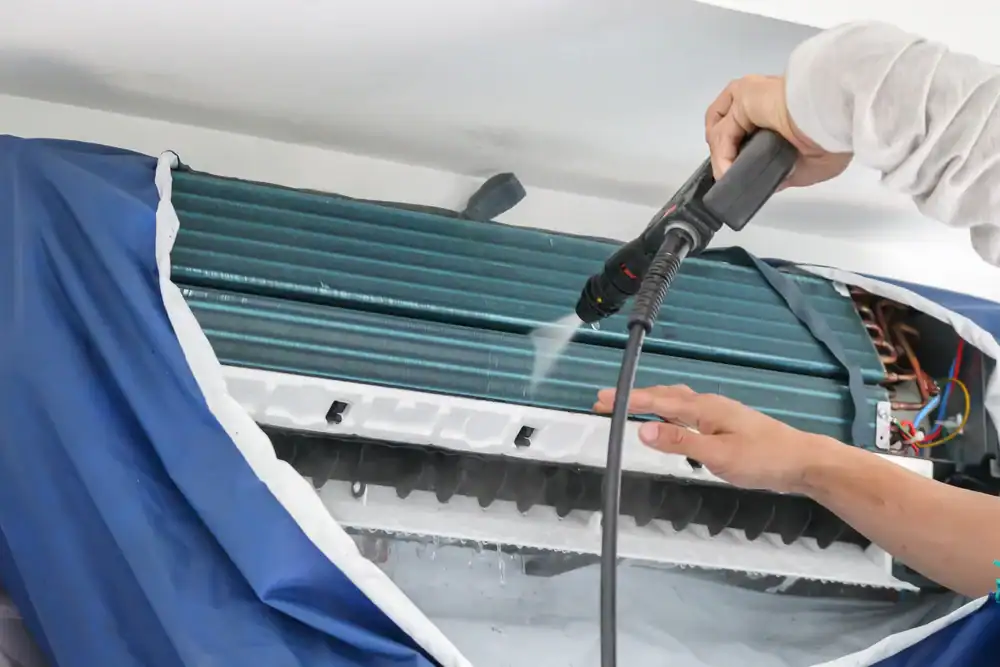
They start with your air filter and airflow. Dirty filters are one of the biggest efficiency killers, and they’re easy to miss if you’re not checking regularly. Then they inspect your refrigerant levels—low refrigerant means your system runs longer and cools less. They check electrical connections, test your thermostat calibration, and clean your condenser coils. Outdoor units collect dirt, pollen, and debris. In Monmouth Beach, they also deal with salt buildup, which can corrode components if left unchecked.
They’ll inspect your ductwork for leaks. Up to 30% of cooled air can escape through gaps in older duct systems, which means you’re paying to cool your attic or crawl space instead of your living room. After everything’s checked and cleaned, they’ll test the system to make sure it’s running efficiently.
You get a clear rundown of what they found. If something needs attention now, they’ll explain it. If something’s worth watching, they’ll let you know. Then you’re done—your system’s ready for summer, and you’re not wondering if it’ll hold up.

Ready to get started?
An hvac cleaning service covers more than just changing a filter. You’re getting a full system inspection that catches problems before they turn into expensive repairs or total failures.
Here in Monmouth Beach, your AC works harder than it would in a drier climate. Humidity makes your system run longer to reach the same temperature. Coastal air accelerates wear on outdoor components. That’s why a thorough inspection matters—you’re not just checking boxes, you’re making sure your equipment can handle what’s coming.
A standard AC maintenance visit includes filter replacement or cleaning, refrigerant level check and adjustment, electrical connection inspection, thermostat calibration, condenser and evaporator coil cleaning, condensate drain clearing, and airflow testing. Some companies also check ductwork and inspect the blower motor. All of this keeps your system running efficiently and helps you avoid the service calls that happen at the worst possible time.
In New Jersey, you’re looking at anywhere from $100 to $250 for a one-time tune-up, depending on what’s included. Some companies offer annual maintenance plans that run around $20 a month. Either way, you’re spending a fraction of what an emergency repair costs, and you’re keeping your manufacturer’s warranty valid—most require proof of regular maintenance.

Once a year, ideally in early spring. March or April is the sweet spot—your system’s been sitting idle all winter, and you’ve got time to address anything that needs fixing before summer heat arrives.
If you wait until June, you’re competing with everyone else who just realized their AC isn’t working. HVAC companies get slammed once temperatures climb, and you might be waiting days or weeks for an appointment. Scheduling early means you’re not stuck in a hot house hoping someone can fit you in.
Some homeowners with older systems or health concerns like allergies schedule maintenance twice a year—once before cooling season, once before heating season. It’s not required, but it does give you more opportunities to catch small issues and keep indoor air quality high.
Your system works harder, costs more to run, and breaks down sooner. Skipping maintenance doesn’t mean your AC stops working immediately—it just means you’re rolling the dice every time you turn it on.
Dirty coils make your compressor work overtime. Low refrigerant forces your system to run longer cycles to reach temperature. Clogged filters restrict airflow and reduce efficiency. All of that adds up to higher energy bills and more wear on components that aren’t cheap to replace.
You also lose your safety net. Most manufacturer warranties require proof of annual maintenance. If your compressor fails and you haven’t kept up with service, you might be paying out of pocket for a repair that would’ve been covered. And when something does break, it’s usually mid-summer when you need your AC most and when repair costs are highest because demand is through the roof.
You can handle some basics—changing your filter every one to three months, keeping debris away from your outdoor unit, and making sure your vents aren’t blocked. Those things matter, and they’re easy to do yourself.
But a real tune-up requires tools, training, and licensing. Checking refrigerant levels means working with pressurized systems and chemicals that require certification to handle legally. Testing electrical connections safely requires knowledge of HVAC wiring. Cleaning coils without damaging fins takes the right equipment. A professional hvac system inspection catches things you wouldn’t know to look for, like early signs of compressor failure or ductwork leaks that waste energy.
If you’re comfortable with basic upkeep, great—it helps. But annual professional service is what actually prevents breakdowns and keeps your system running efficiently. Think of it like changing your own oil versus taking your car in for a full inspection. One’s maintenance, the other’s prevention.
A one-time air conditioner service visit typically runs between $100 and $250, depending on what’s included and the company you hire. Some companies offer maintenance plans that cost around $20 to $25 per month, which usually covers annual tune-ups plus discounts on repairs.
That might sound like a lot until you compare it to emergency repair costs. A refrigerant recharge can run $200 to $500. A compressor replacement can hit $1,500 or more. A full system replacement in New Jersey can easily cost $5,000 to $10,000. Spending $150 once a year to avoid those scenarios is a pretty straightforward trade-off.
You’re also saving on energy costs. A well-maintained system runs 10% to 15% more efficiently than a neglected one. If your summer cooling bills run $150 to $200 a month, that efficiency gain pays for the maintenance visit in saved electricity. Plus, you’re extending the lifespan of your equipment, which delays the need for a replacement you’re probably not budgeting for.
Early spring—March through April—is ideal. Your AC has been off all winter, and you’ve got time to fix anything that needs attention before temperatures spike and HVAC companies get booked solid.
Scheduling early also means you’re not competing with the rush. Once May and June hit, everyone who ignored their system suddenly needs service at the same time. Wait times go up, availability shrinks, and if your AC isn’t working, you’re stuck in a hot house waiting for an opening.
There’s also a practical reason: catching problems early is cheaper. If your refrigerant is low or your compressor is struggling, fixing it in April costs the same as fixing it in July—but in April, you’re not desperate, and you’re not paying emergency rates. You’ve got time to get quotes, compare options, and make a decision that’s not driven by panic and heat exhaustion.
It prevents most of them. Not all—sometimes parts just fail—but the majority of service calls could’ve been avoided with routine maintenance. Dirty filters, low refrigerant, clogged drains, and worn electrical connections are all things a tune-up catches before they become emergencies.
Your AC is a mechanical system. It has moving parts, electrical components, and refrigerant under pressure. When those things aren’t checked regularly, small issues compound. A dirty coil makes your compressor work harder. A loose connection creates resistance and heat. A clogged drain backs up and triggers a safety shutoff. All of those are easy fixes during a maintenance visit, but they’re expensive problems if they happen at 9 PM on a Saturday in July.
Maintenance doesn’t make your system invincible, but it does shift the odds in your favor. You’re catching wear before it becomes failure. You’re cleaning components that lose efficiency when they’re dirty. You’re verifying that everything works the way it’s supposed to, so you’re not finding out it doesn’t when you actually need it.