
Reviews
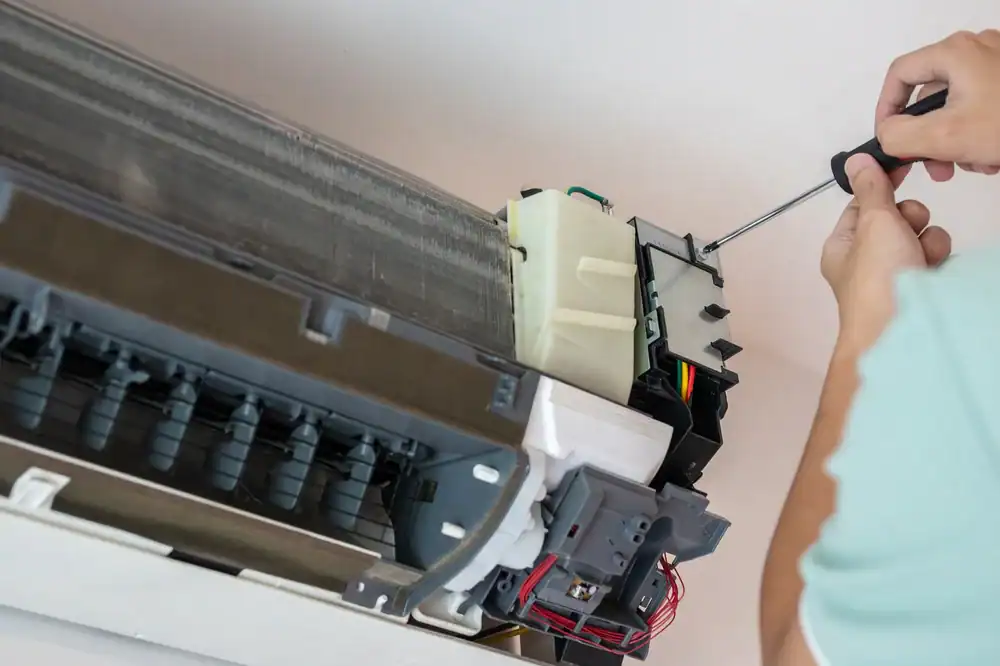
Your system runs quieter. Your energy bills drop because clean coils transfer heat the way they’re supposed to. You’re not sweating through a July heatwave waiting three days for an emergency repair.
Most homeowners in Matawan don’t think about their AC until it stops working. That’s usually mid-August when every HVAC company is booked solid and temperatures are pushing 90 degrees with humidity that makes it feel like 100. An annual tune-up catches the worn belt, the low refrigerant, the clogged drain line before they turn into a full system failure.
Here’s what you actually get: fewer repairs, lower monthly costs, and a system that lasts years longer. Your manufacturer’s warranty stays intact because you can prove the maintenance happened. And when you do need service, you’re not at the back of the line because you’re already a maintenance customer.
We’ve been servicing HVAC systems across Monmouth County for years. We’re licensed, insured, and based right here in the area—not a national franchise that doesn’t understand how coastal humidity affects your equipment.
Matawan’s climate is tough on air conditioners. Salt air from the coast accelerates corrosion. High humidity makes systems work harder. Older homes in neighborhoods near Lake Matawan or along Route 34 often have ductwork that wasn’t sized correctly to begin with.
We’ve seen it all, fixed it all, and we’ll tell you straight what your system needs and what it doesn’t. No upselling. No scare tactics. Just honest assessment from technicians who’ve been doing this long enough to know the difference between a $200 fix and a $5,000 replacement.
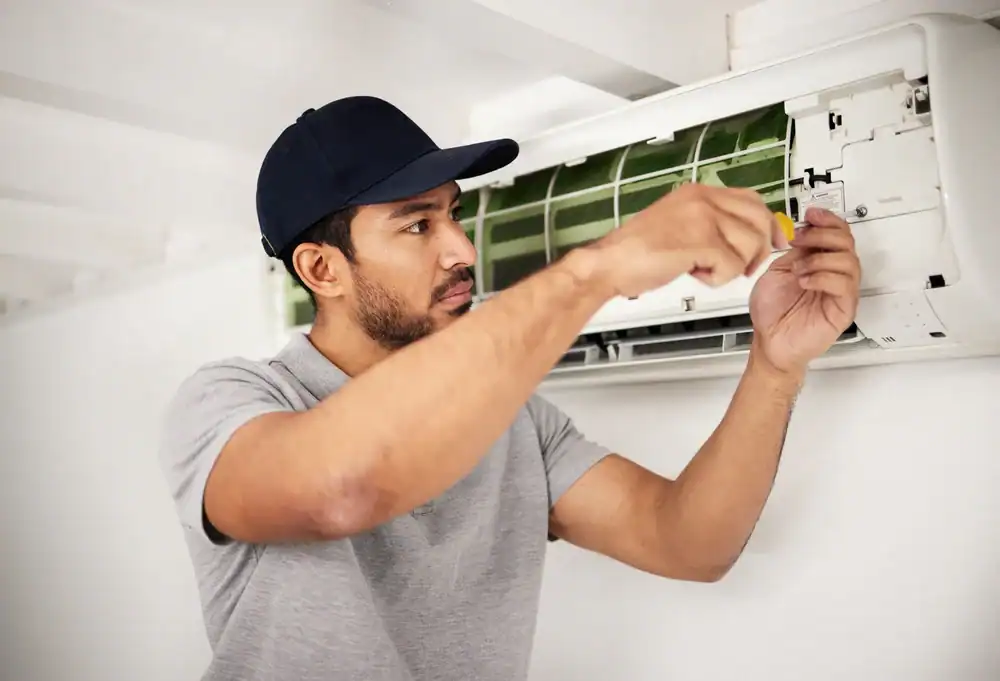
You schedule a time that works for you. We show up on time, usually within a day or two unless it’s peak season. Our technician walks you through what they’re about to do before they start—no surprises.
The hvac system inspection covers your entire cooling system. We check refrigerant levels, test electrical connections, clean or replace your filter, inspect the condensate drain, clean the condenser coils, and measure airflow. If something’s wearing out or needs attention, you’ll know about it before we leave.
Most tune-ups take 60 to 90 minutes depending on your system and how long it’s been since the last service. You get a written report of what we found, what we fixed, and what you should keep an eye on. If we spot something that needs repair, we’ll give you options and pricing right there—you decide if you want it done now or later.
The whole point is transparency. You should know what’s happening with your equipment and why we’re recommending what we’re recommending.

Ready to get started?
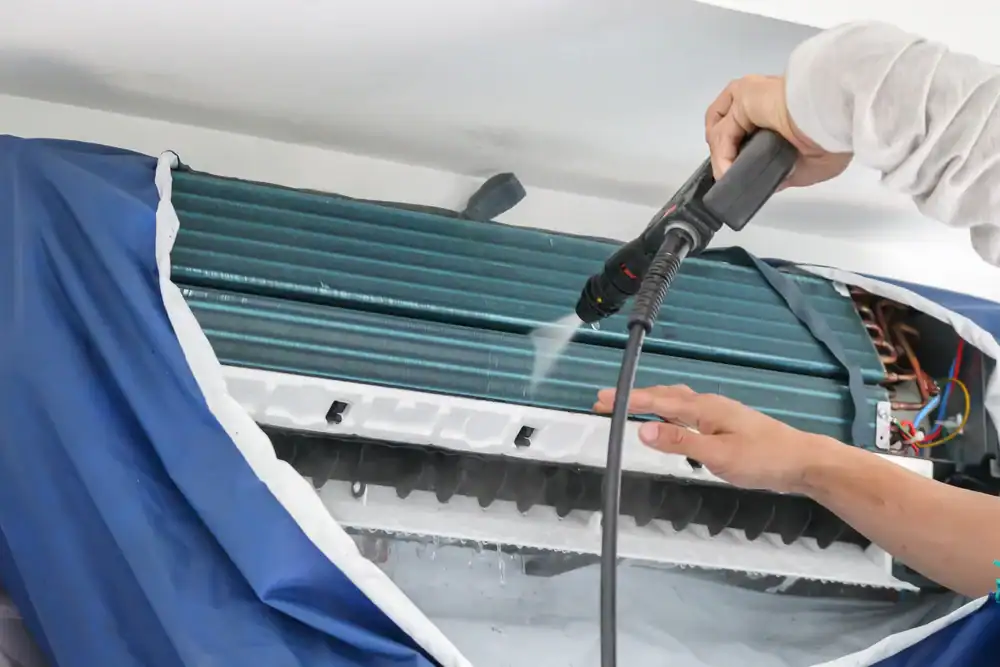
Your hvac cleaning service includes a full inspection of indoor and outdoor units, refrigerant level check and adjustment if needed, electrical component testing, thermostat calibration, condensate drain cleaning, air filter replacement or cleaning, condenser and evaporator coil cleaning, blower motor and fan inspection, and a performance test to make sure everything’s cooling properly.
In Matawan, we pay extra attention to outdoor units because of the coastal environment. Salt air and humidity cause faster deterioration on coils and electrical connections. We also check for the specific issues that show up in older homes around here—undersized ductwork, poor insulation in attics, return air problems that make systems work twice as hard as they should.
Spring is the best time to schedule your ac tune-up. March or April gives you plenty of time to address any issues before you actually need the AC, and most manufacturers require annual maintenance to keep warranties valid. If you can’t prove regular service, you could be paying out of pocket for a repair that should’ve been covered.
Maintenance customers get priority scheduling and discounts on repairs. When your AC does eventually need a part replaced—and it will, everything wears out—you’re not waiting a week in the summer heat.

Most AC tune-ups in New Jersey run between $75 and $350 depending on your system type and what’s included. A basic inspection and cleaning for a standard residential system usually falls around $150 to $200.
That’s a fraction of what you’d pay for an emergency repair in July. A failed compressor can cost $1,500 to $2,500. A refrigerant leak repair runs $500 to $1,500. Even a simple capacitor replacement during peak season will cost you $200 to $400 when you factor in emergency service rates.
Annual maintenance catches those problems early when they’re cheap to fix. It also keeps your system running efficiently, which can save you 10% to 20% on cooling costs over the summer. For most Matawan homeowners, that’s $150 to $300 in savings right there.
March or April is ideal. You want your system checked before the first hot day when you actually need it, and spring scheduling means you’re not competing with everyone else who waited until their AC stopped working.
Early season maintenance also gives you time to budget for any repairs that come up. If your technician finds a part that’s about to fail, you can get it replaced on your timeline instead of paying emergency rates in the middle of summer.
Most HVAC companies in Monmouth County offer better pricing in spring because it’s slower. You’ll get faster scheduling, more availability, and sometimes discounted rates. By June, everyone’s booked solid and you’re looking at longer wait times.
Your system works harder, costs more to run, and fails sooner. Dirty coils reduce efficiency by up to 30%, which means higher electric bills every month. Worn parts that could’ve been caught early eventually break completely, usually at the worst possible time.
You also risk voiding your manufacturer’s warranty. Most HVAC warranties require proof of annual professional maintenance. If your compressor fails after three years and you can’t show service records, you’re paying for the replacement yourself—that’s $1,500 to $3,000 out of pocket.
The average AC system lasts 12 to 15 years with regular maintenance. Without it, you’re looking at 8 to 10 years. That’s thousands of dollars in replacement costs hitting you years earlier than necessary. Skipping a $150 tune-up to save money now costs you significantly more later.
Yes, if you want your system to last and your warranty to stay valid. Air conditioners have moving parts, electrical components, and refrigerant systems that all degrade over time. Annual service catches wear before it becomes failure.
Matawan’s coastal climate makes this even more important. Salt air corrodes electrical connections and coil fins faster than inland areas. High humidity puts extra strain on your system because it’s removing moisture as well as heat. An AC that might go two years between service in a dry climate needs annual attention here.
Think of it like changing your car’s oil. You could skip it and your engine will still run for a while, but you’re shortening its life and increasing the chance of a breakdown. The same logic applies to your cooling system—regular maintenance is cheap insurance against expensive problems.
A complete tune-up covers your entire cooling system, inside and out. Your technician checks refrigerant levels and adds more if needed, tests all electrical connections and components, cleans or replaces the air filter, inspects and cleans the evaporator and condenser coils, checks the condensate drain for clogs, lubricates moving parts, tests the thermostat for accuracy, measures airflow and temperature differential, and inspects the blower motor and fan.
You should also get a written report of what was found and what condition your system is in. Good technicians will point out anything that’s wearing out or needs attention soon, so you can plan for it instead of being surprised by a breakdown.
The whole process takes about an hour to 90 minutes for a standard residential system. If your system hasn’t been serviced in years, it might take longer because there’s more cleaning and adjustment needed. But once you’re on a regular schedule, annual maintenance is quick and straightforward.
Your technician will tell you during the inspection. We’re checking for worn parts, unusual wear patterns, refrigerant leaks, electrical issues, and performance problems. If something needs repair or replacement, you’ll get a clear explanation of what’s wrong and why it matters.
Common issues that show up during maintenance include low refrigerant from a slow leak, capacitors that are starting to fail, contactors with pitting or wear, blower motors that are drawing too much current, and coils that are corroded beyond just cleaning. These are all things that will eventually cause a breakdown if left alone.
The advantage of catching them during scheduled maintenance is that you have options. You can get the repair done right then, schedule it for later, or at least know what to expect. When your AC fails on a 95-degree Saturday, you don’t have options—you’re paying whatever it costs to get cool again.