
Reviews
You’re not paying for maintenance because it sounds responsible. You’re doing it because a $150 tune-up in April beats an $800 emergency repair in July when your compressor fails on the hottest day of the year.
Regular air conditioner service cuts your energy use by up to 15%. That’s real money off your bill every month, not just during summer. Clean coils, proper refrigerant levels, and tight electrical connections mean your system doesn’t have to work as hard to keep your house cool.
Your AC will last longer. A well-maintained system runs 15 to 20 years. One that’s ignored? You’re looking at 10 to 12 years before replacement. In Monmouth County, where humidity and pollen put extra strain on cooling systems, that difference matters even more.
And here’s what most people don’t think about until it’s too late: most manufacturer warranties require documented annual maintenance. Skip it, and you might be paying out of pocket for a repair that should’ve been covered.
We’ve been serving Manalapan and Monmouth County for years. We’re a family-owned business, which means when you call, you’re talking to people who live and work in the same community you do.
Our technicians are licensed and insured. We give you upfront pricing before we start any work, and we’re available 24/7 when emergencies happen. No hidden fees, no surprises when the bill comes.
We know what New Jersey summers do to cooling systems. The humidity, the pollen, the sudden heat waves in May before you’ve even thought about turning your AC on. We’ve seen it all, and we know how to keep your system running through it.
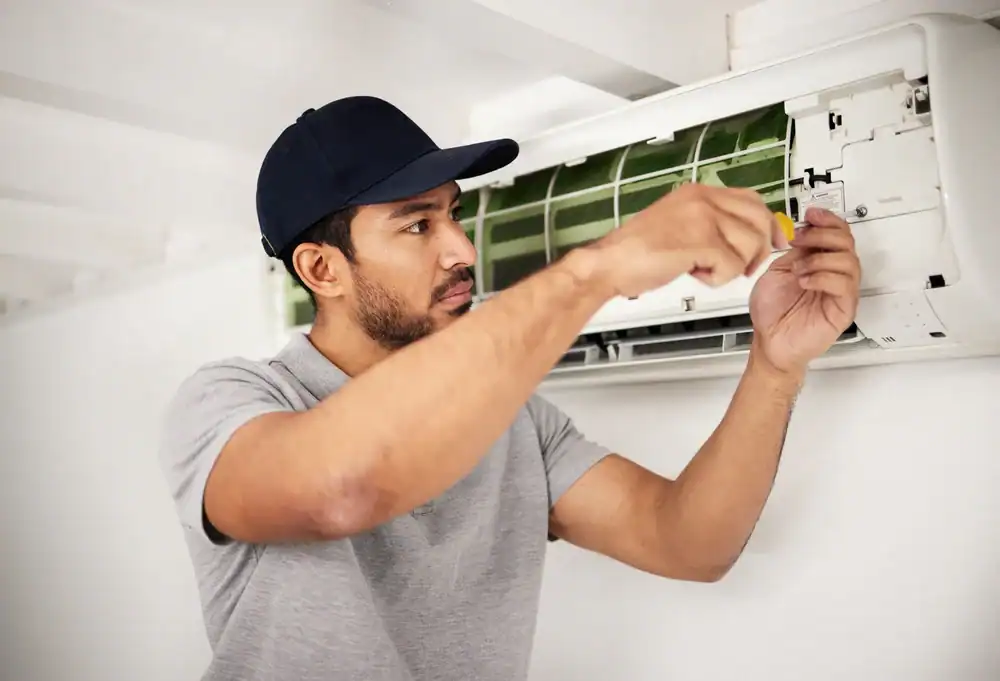
First, we check your thermostat to make sure it’s reading accurately and communicating properly with your system. A miscalibrated thermostat can make your AC run longer than it needs to, which costs you money.
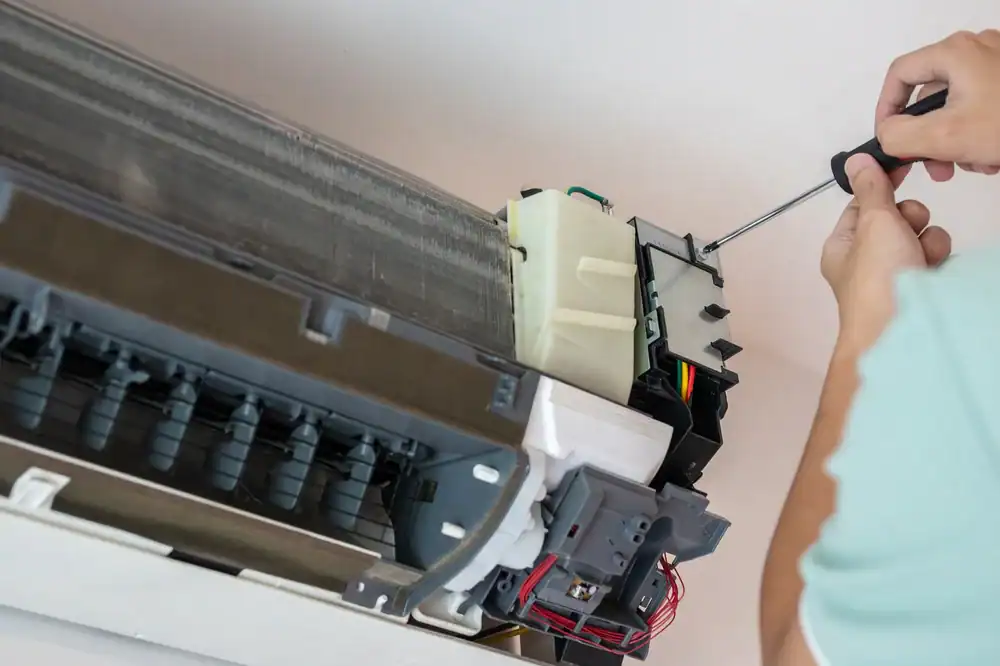
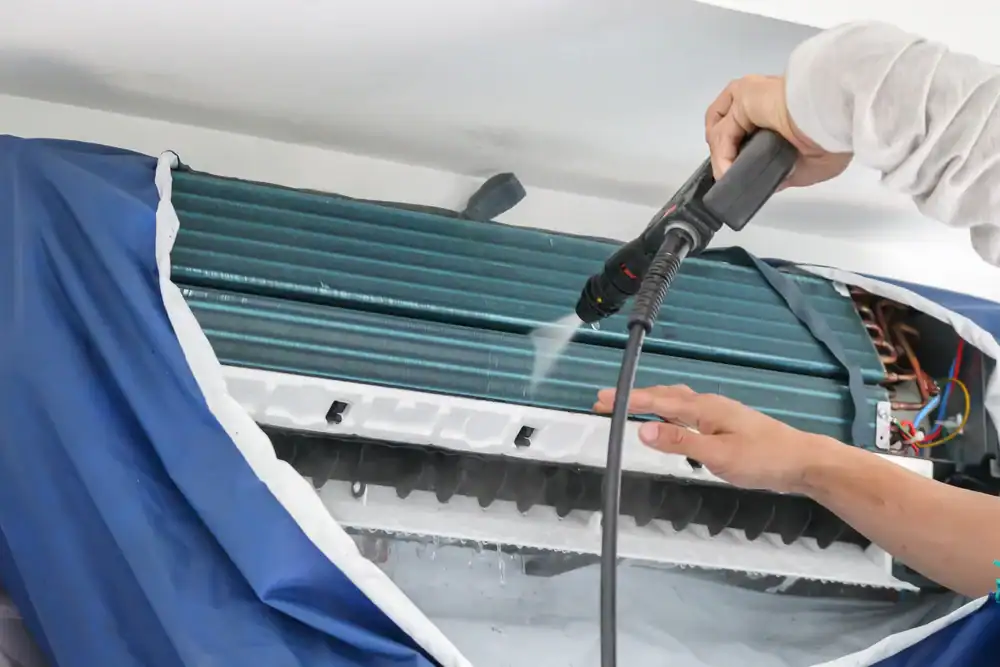
Next is the outdoor unit. We clean the condenser coils, check refrigerant levels, and inspect electrical connections. Dirty coils are one of the biggest efficiency killers, especially in areas like Manalapan where spring pollen coats everything. Loose connections can cause system failure or even become a fire hazard.
Inside, we inspect your evaporator coil, check the condensate drain for clogs, and replace or clean your air filter. A clogged drain can cause water damage. A dirty filter makes your system work harder and reduces your indoor air quality.
We test the system startup and shutdown cycle, measure airflow, and listen for anything unusual. Strange noises usually mean something’s wearing out. Catching it early means fixing it before it breaks completely.
You get a clear report on what we found and what, if anything, needs attention. If there’s a problem, we explain it in plain terms and give you the cost before doing any additional work.

Ready to get started?
Every hvac system inspection we do covers the components that actually affect performance and reliability. We’re checking refrigerant levels, cleaning coils, tightening electrical connections, testing capacitors, and inspecting your blower motor and belt.
In Manalapan, spring maintenance timing matters. March through May is when you want this done, before our schedule fills up and before the first heat wave hits. Most people wait until their AC isn’t cooling properly, and by then you’re competing with everyone else for an appointment.
You’re also getting a professional assessment of how much life your system has left. If your AC is 12 years old and showing signs of wear, it’s better to know that now than to be surprised by a full replacement cost in the middle of summer. We’ll tell you what we see and what your options are.
New Jersey homeowners spend around $1,488 per year on heating and cooling. Your HVAC system is nearly half your total energy use. Regular maintenance is the difference between that number going up every year or staying manageable. We’re not just cleaning parts, we’re making sure your system runs as efficiently as it was designed to.

Once a year, ideally in spring before cooling season starts. March through May is the window when you want this done.
If you wait until June or July, you’re scheduling maintenance when everyone else is calling because their AC just stopped working. You’ll wait longer for an appointment, and if we find a problem, you’re dealing with it during peak heat instead of ahead of time.
Annual maintenance is also what most manufacturers require to keep your warranty valid. Miss a year, and you might be paying out of pocket for a repair that should’ve been covered. One tune-up per year keeps your system running efficiently and protects your investment.
Most homeowners in New Jersey pay between $100 and $250 for professional AC maintenance. The exact cost depends on your system type, age, and what’s included in the service.
That’s a fraction of what you’ll pay for an emergency repair. The average AC repair in this area runs around $319, but if something major fails, like a compressor or condenser, you’re looking at $800 or more. A tune-up catches small problems before they become expensive ones.
We give you upfront pricing before we start any work. No hidden fees, no surprises. If we find something that needs repair during the inspection, we’ll explain what it is, why it matters, and what it costs to fix before doing anything.
Yes. A well-maintained AC system uses up to 15% less energy than one that’s been neglected. That’s a real reduction you’ll see on your monthly bill.
Here’s why it works: dirty coils make your system work harder to transfer heat. Low refrigerant means longer run times to reach the temperature you set. Loose or corroded electrical connections create resistance that wastes energy. A clogged filter restricts airflow, forcing your blower motor to run harder.
In a typical Manalapan home, your HVAC system represents nearly half your total energy use. When it’s running efficiently, you save money every single month, not just during summer. Over the 15 to 20 year lifespan of a well-maintained system, that adds up to thousands of dollars.
Your system will still run, but not as well, and not for as long. Skipping maintenance shortens your AC’s lifespan and makes breakdowns more likely.
Refrigerant levels drop slowly over time. Coils collect dirt and pollen. Electrical connections loosen. Belts wear. Condensate drains clog. None of these things stop your AC immediately, but they all make it work harder and less efficiently. Eventually, something fails, usually at the worst possible time.
The other issue is your warranty. Most manufacturers require proof of annual maintenance to honor warranty claims. If your compressor fails and you haven’t had maintenance in two years, you might be paying for a replacement that should’ve been covered. One missed year can cost you thousands.
Yes. We’re available 24/7 for emergency HVAC service. If your AC stops working, you can call us any time, day or night.
That said, emergency repairs cost more than scheduled maintenance, and you’re dealing with the problem when it’s least convenient. That’s why we push spring tune-ups so hard. Catching a worn capacitor or a refrigerant leak in April means you fix it on your schedule, not during a heat wave when you’re scrambling.
We’re licensed, insured, and local to Monmouth County. When you call, you’re getting a technician who knows the area, knows the common issues homes here face, and can get to you quickly. We give you honest answers about what’s wrong and what it’ll take to fix it.
A tune-up is preventive. We’re inspecting, cleaning, and adjusting your system to keep it running efficiently and catch small issues before they become big problems. A repair is fixing something that’s already broken or failing.
During a tune-up, if we find something that needs repair, we’ll tell you what it is, why it matters, and what it costs to fix. You decide whether to handle it now or later. Some things are urgent, like a refrigerant leak or a failing capacitor. Others can wait.
Most repairs we catch during maintenance are minor and inexpensive compared to what they’d cost if they caused a full system failure. A $200 repair in April beats an $800 emergency service call in July. That’s the whole point of regular maintenance: you stay ahead of problems instead of reacting to them.