
Reviews
You’re not just maintaining an AC unit. You’re avoiding the call you don’t want to make in August when it’s 90 degrees and your system just stopped working.
Proper AC maintenance cuts your energy use by up to 20%. That’s real money back in your pocket every month. More importantly, it catches small problems before they turn into expensive ones—the kind that always seem to happen on weekends or right before you’re hosting people.
Living near the water means your outdoor unit takes a beating from salt air. That coastal environment can cut your system’s lifespan in half if you’re not staying ahead of it. Regular hvac system inspection means checking connections, cleaning coils that get sandblasted by ocean air, and making sure refrigerant levels are where they should be. Skip it, and you’re looking at replacement years earlier than necessary.
We’ve been working in Monmouth County for nearly five decades. We’re licensed, insured, and we know exactly what coastal conditions do to HVAC systems because we’ve been servicing them here the entire time.
You’re not getting a national chain that rotates technicians every six months. You’re getting people who understand that Long Branch isn’t the same as inland New Jersey—your equipment faces different challenges, and the service needs to reflect that.
We show up when we say we will. We explain what’s wrong in plain language. And we don’t sell you things you don’t need. That’s why people call us back year after year.
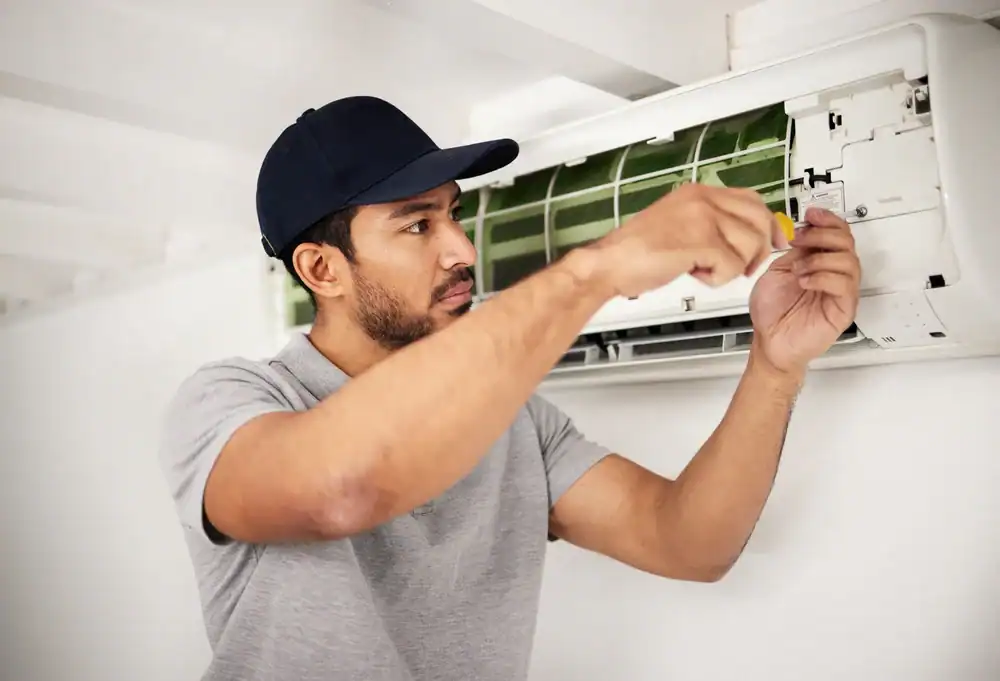
You schedule a time that works for you—not just when we have an opening. We show up on time, and we’ll call if something changes.
Our technician starts with your outdoor condenser unit. We’re checking refrigerant levels, cleaning coils that get caked with salt and debris, inspecting electrical connections, and testing the compressor. If you’re near the water, we’re paying extra attention to corrosion on the coils and cabinet. That’s where most coastal systems fail first.
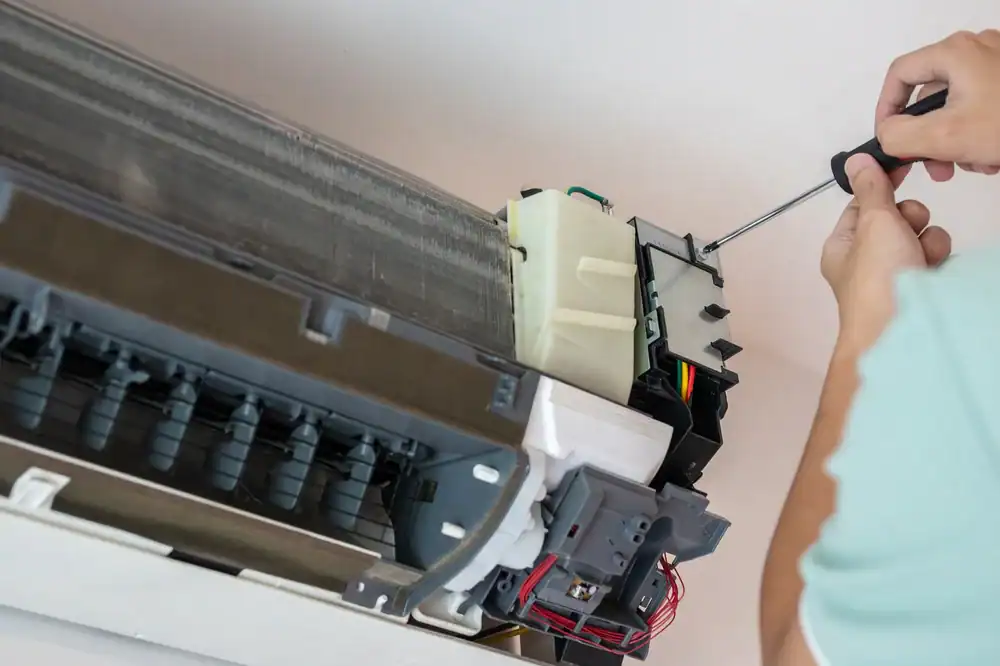
Inside, we’re looking at your evaporator coil, changing or cleaning your air filter, checking the condensate drain for clogs, and testing airflow. We’ll also inspect your thermostat to make sure it’s reading accurately and cycling properly. The whole process takes about an hour, sometimes less if everything’s in good shape.
Before we leave, we’ll walk you through what we found. If something needs attention now, we’ll tell you. If something’s worth watching, we’ll let you know what to expect. You’ll know exactly where your system stands.

Ready to get started?
Our hvac cleaning service covers the full system—not just a quick filter swap. We’re talking about a 21-point inspection that looks at everything from refrigerant charge to electrical components to airflow.
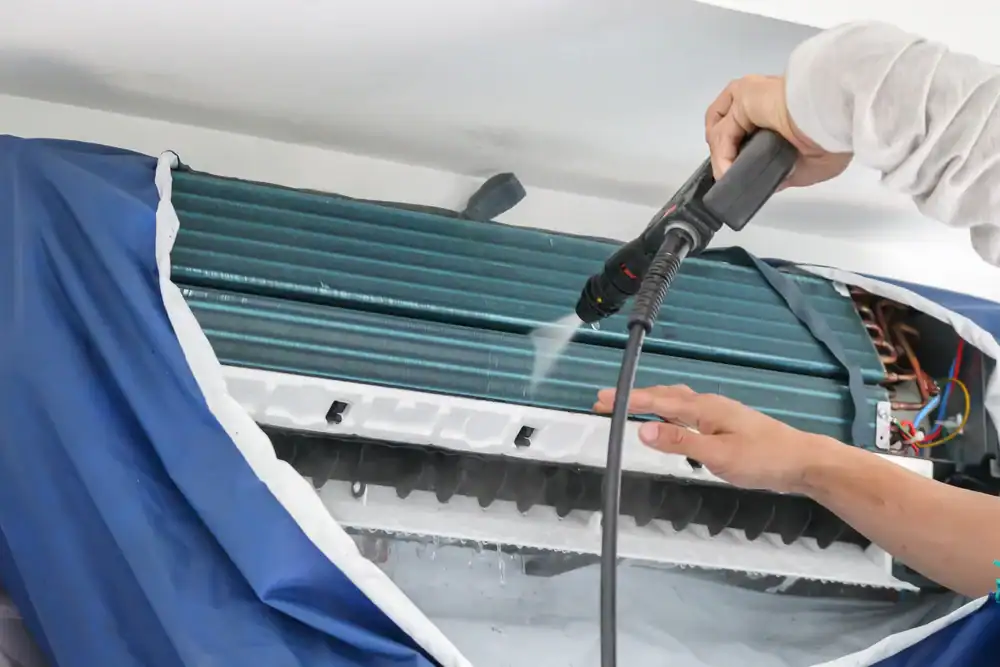
In Long Branch, the salt air is brutal on outdoor units. We clean condenser coils thoroughly because even a thin layer of buildup can drop your efficiency by 20% or more. We check for corrosion on the cabinet and connections, tighten electrical terminals, lubricate moving parts, and test capacitors. These are the components that fail most often in coastal environments.
We also verify your system is ready for storm season. That means checking that your condensate drain is clear, your refrigerant lines are secure, and your unit is level. A system that’s been maintained properly won’t quit on you the first time temperatures spike or when a summer storm rolls through.
You’ll get a full report of what we did and what we found. If your system needs repairs, we’ll give you upfront pricing before we do any work. No surprises, no pressure.

Twice a year is ideal if you’re close to the ocean. Once in spring before cooling season, and once in fall before heating season if you have a heat pump.
Coastal air accelerates wear on your outdoor unit. Salt acts like sandpaper on the coils and corrodes electrical connections faster than it would a few miles inland. Systems that might last 15 years elsewhere can fail in 7 years here if they’re not maintained.
If you’re only doing it once a year, schedule it in April or early May. That gives you time to address any issues before you actually need the AC running full-time. Waiting until June when it’s already hot means you’re competing with everyone else who put it off, and if something’s wrong, you’re stuck in the heat while parts get ordered.
We’ll explain what’s wrong, why it matters, and what it costs to fix. Then you decide.
Some things need immediate attention—like low refrigerant, which means there’s a leak somewhere, or a failing capacitor that could leave you without AC any day. Other things are worth monitoring but don’t need urgent action, like a coil that’s starting to show corrosion but isn’t leaking yet.
We’ll give you upfront pricing before we do any repair work. If it’s something we can fix during the same visit and you want to move forward, we’ll take care of it then. If you need time to think about it or it requires ordering parts, we’ll schedule a follow-up. You’re never pressured into same-day repairs, and you’ll always know the cost before we start.
It prevents most of them. Not all—nothing’s bulletproof—but more than half of the emergency calls we get could’ve been avoided with regular service.
AC systems don’t usually fail out of nowhere. A capacitor starts weakening, refrigerant slowly leaks, a drain line gradually clogs, electrical connections loosen over time. Maintenance catches these things while they’re still small problems.
What you’re really avoiding is the emergency service call on a 95-degree Saturday afternoon when every HVAC company in Monmouth County is slammed. Those calls cost 50% to 100% more than scheduled maintenance, you’re waiting hours (or days) for someone to show up, and the repair itself often costs more because the problem got worse. An annual tune-up runs $150 to $200. An emergency compressor replacement can hit $2,000. The math isn’t complicated.
Yes, and you’ll notice it. A well-maintained system uses 15% to 20% less energy than one that’s been neglected.
Dirty coils make your compressor work harder. Low refrigerant means longer run times to reach temperature. A clogged filter restricts airflow and forces your blower to strain. All of that shows up on your electric bill every single month.
After a thorough cleaning and tune-up, most people see their system running shorter cycles and reaching temperature faster. Over a full cooling season in Long Branch—which is basically May through September—that adds up to real savings. If you’re spending $200 a month on AC in summer, proper maintenance could save you $30 to $40 monthly. That pays for the service in the first season.
You can handle some of it. Changing filters regularly, keeping the outdoor unit clear of debris, making sure vents aren’t blocked—that stuff matters and you should do it.
But the important work requires tools, training, and licensing. Checking refrigerant levels and pressures, testing electrical components, cleaning evaporator coils, inspecting for leaks—those aren’t DIY jobs. Refrigerant handling requires EPA certification. Electrical work on a 240-volt system can be dangerous if you don’t know what you’re doing.
There’s also the liability issue. If something goes wrong with your system and you’ve been servicing it yourself, your manufacturer warranty probably won’t cover it. Most warranties require proof of professional maintenance. One missed inspection can void thousands of dollars in coverage. That’s not a risk worth taking to save $150.
Salt air changes everything. It corrodes metal components faster, clogs coils with sticky residue, and degrades seals and gaskets that would last years in a drier climate.
Your outdoor condenser unit is constantly exposed to moisture and salt particles carried by ocean breezes. That combination eats through protective coatings on coils and creates corrosion on electrical connections. We’ve seen units that are only five years old with corrosion damage that looks like fifteen years of wear.
Maintenance in Long Branch means paying extra attention to those vulnerable areas. We’re not just cleaning coils—we’re inspecting for pitting and corrosion. We’re checking that cabinet panels seal properly so salt air isn’t getting inside. We’re testing electrical connections that corrode faster here than they would ten miles inland. A technician who doesn’t understand coastal conditions will miss the things that actually matter for your system’s longevity.