Reviews
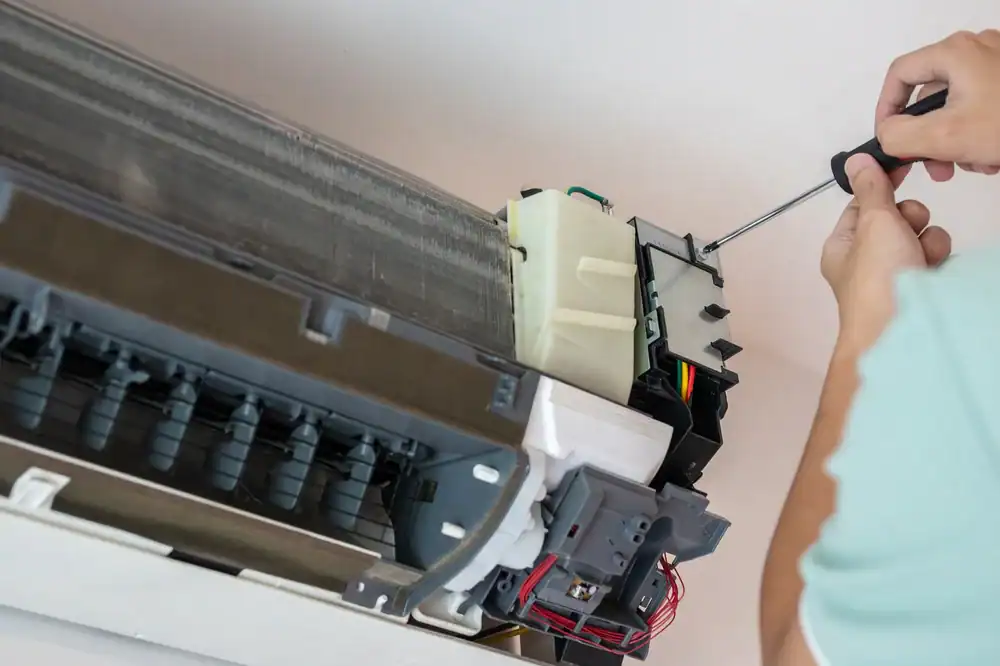
Here’s what happens when your AC gets the maintenance it actually needs. Your energy bills drop because the system isn’t fighting against clogged filters and dirty coils anymore. You’re looking at 15-30% savings just from letting your unit breathe properly again.
The humidity stops winning. Coastal New Jersey air is thick—70-80% humidity on a regular summer day. Your AC pulls double duty here, removing moisture and cooling air. When it’s maintained, it handles both jobs without running itself into the ground.
You skip the emergency repair call during a heatwave. Small problems stay small. A refrigerant leak gets caught before your compressor dies. Electrical connections get tightened before they fail. You’re not scrambling to find someone who can come out same-day when it’s 90 degrees and everyone else’s AC just quit too.
Your system lasts longer. We’re talking 10-15 years turning into 20 years with consistent care. That’s a $5,000-$8,000 replacement you’re pushing down the road because you invested a couple hundred bucks a year in maintenance.
We work exclusively in Monmouth County. We’re not a franchise sending different techs every time. You get licensed professionals who’ve seen what salt air and constant moisture do to HVAC systems along the Jersey Shore.
Loch Arbour’s a small community, but you’re dealing with the same climate challenges as the rest of the coast. Systems work harder here. They need someone who understands that your AC isn’t just cooling—it’s dehumidifying constantly. That changes how we inspect, what we look for, and what we recommend.
We’ve been handling residential and commercial HVAC in this county long enough to know which systems hold up and which ones don’t. When we tell you something needs attention, it’s because we’ve seen what happens when it doesn’t get it.
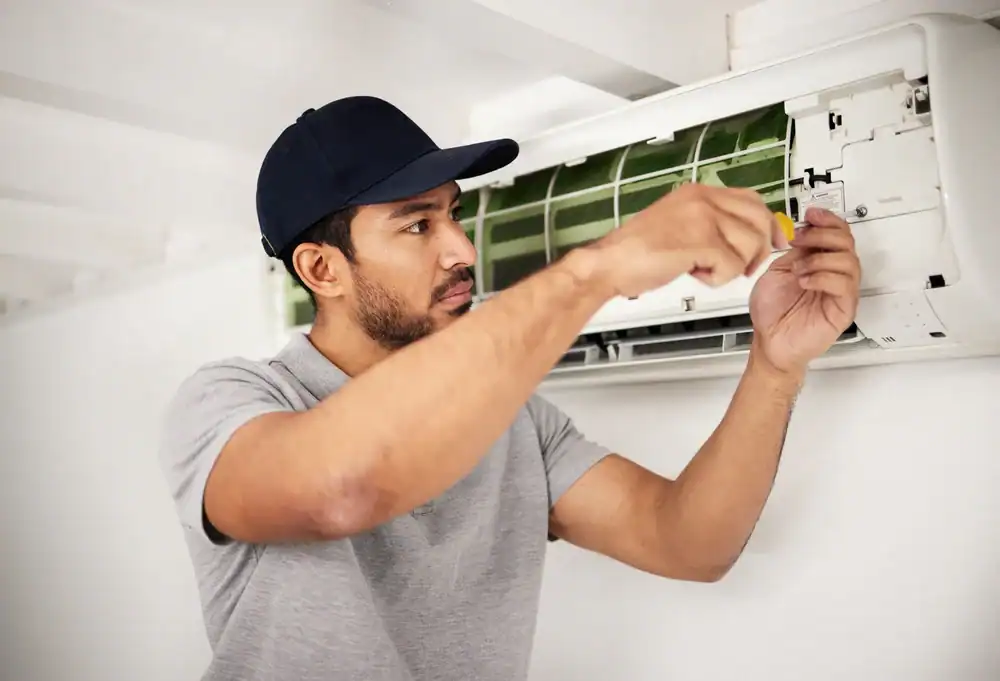
You schedule a time that works. We show up when we say we will. Our tech starts with your thermostat and works through the entire system—indoor and outdoor units both get attention.
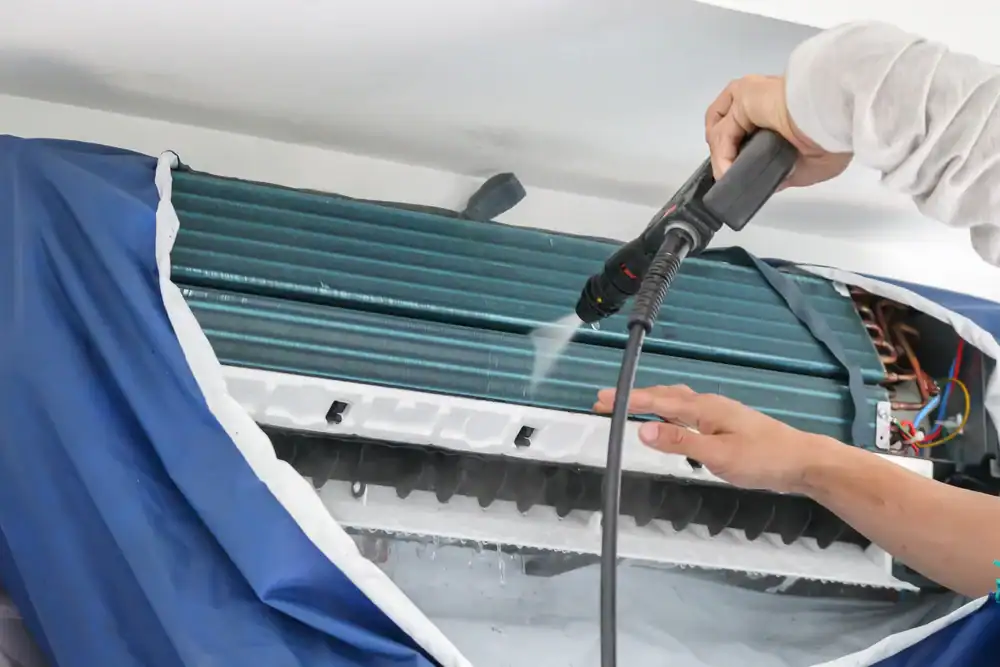
The air filter gets checked or replaced. Dirty filters are the fastest way to kill efficiency and airflow. Evaporator and condenser coils get cleaned because coastal air leaves residue that blocks heat transfer. Refrigerant levels get measured. If you’re low, there’s a leak somewhere, and we find it.
Electrical connections get inspected and tightened. Loose connections cause failures. The condensate drain gets cleared because humidity means constant moisture removal, and clogs lead to water damage. Blower components get checked for wear. Moving parts get lubricated.
We test the system under load. You need to know it’ll actually cool when you need it to. Before we leave, you get a clear explanation of what we found, what we did, and whether anything needs attention soon. No upselling. Just information you can use.

Ready to get started?
Every AC inspection covers the components that actually affect performance and longevity. Filter replacement or cleaning happens every visit. Coil cleaning removes the buildup that forces your system to work harder. In Monmouth County’s coastal environment, coils collect salt residue and organic material faster than inland areas.
Refrigerant check and adjustment ensures your system can actually cool. Low refrigerant means reduced capacity and potential compressor damage. Electrical system inspection catches loose connections, worn contactors, and failing capacitors before they leave you without cooling.
Condensate system cleaning prevents the water damage that happens when drain lines clog. With New Jersey humidity, your AC removes gallons of water from your air every day. That water needs somewhere to go. Blower motor and fan inspection identifies worn bearings and belt issues early.
Thermostat calibration confirms your system responds accurately. Safety control testing makes sure your equipment shuts down properly if something goes wrong. You get a written report of findings and recommendations. Nothing vague—specific observations about your specific system.

Once a year, ideally in spring before summer heat arrives. Your AC sits unused through fall and winter. Seals can dry out, refrigerant can leak slowly, and dust settles everywhere. A pre-season tune-up catches these issues before you’re relying on the system daily.
If you run your AC heavily—like most coastal homeowners do during humid Jersey summers—or if you have respiratory issues that make air quality critical, twice a year makes sense. Spring before cooling season, fall before heating season if you have a heat pump.
Skipping annual maintenance doesn’t break your system immediately. But it’s like skipping oil changes in your car. Everything works fine until it doesn’t, and then you’re looking at expensive repairs that could’ve been prevented. Manufacturers often require annual maintenance to keep warranties valid, so there’s that too.
A maintenance visit typically runs $150-$200 depending on your system type. Seems like an expense until you compare it to emergency repair costs. A failed compressor replacement runs $1,500-$2,500. A refrigerant leak repair starts around $500. Capacitor replacement during an emergency call costs $300-$400 versus $150 during scheduled maintenance.
Energy savings alone often cover the maintenance cost. A well-maintained system uses 15-30% less electricity than a neglected one. In Monmouth County where AC runs hard from June through September, that’s $200-$400 in savings per cooling season for an average home.
Then there’s lifespan. Replace an AC every 10 years without maintenance, or push it to 15-20 years with regular care. That’s an extra 5-10 years before you’re spending $5,000-$8,000 on a new system. The math isn’t complicated. Maintenance pays for itself several times over.
Could be a dozen different things, but the most common answer is maintenance—or lack of it. Two identical systems installed the same year will perform completely differently based on how they’re maintained. Dirty coils, low refrigerant, clogged filters, and worn components all kill performance gradually. You don’t notice the decline until you’re comparing your comfort to someone else’s.
System sizing matters too. An oversized AC cycles on and off constantly, never running long enough to remove humidity properly. You get cold but clammy air. An undersized system runs constantly and never quite catches up during peak heat. Both situations feel uncomfortable even when the equipment is working exactly as designed.
Ductwork issues show up as performance problems. Leaky ducts lose 20-30% of cooled air before it reaches your rooms. Poor insulation in the attic or walls makes your AC work against heat gain all day. Sometimes the AC itself is fine—it’s just fighting a losing battle against your home’s envelope. A thorough inspection identifies whether it’s the equipment or the environment.
You should change your filter regularly—every 1-3 months depending on the type. That’s basic upkeep, like checking tire pressure on your car. But it’s not maintenance. It’s one small piece of a much larger system that needs attention.
Professional maintenance catches things you can’t see or access. Refrigerant levels require specialized equipment to measure and adjust. Electrical connections need proper tools and knowledge to inspect safely. Coil cleaning requires accessing components inside your system. Condensate drain clearing prevents water damage you won’t notice until there’s mold or ceiling stains.
Think of it this way: changing your filter keeps a bad situation from getting worse faster. Actual maintenance prevents the bad situation from developing in the first place. Both matter. One doesn’t replace the other. The homeowners who keep their systems running longest do both—they handle simple filter changes between professional visits.
Your system is probably working harder than it should, costing more to run, and closer to failure than you’d like. But it’s not too late to start. The first maintenance visit after years of neglect usually finds multiple issues—some minor, some not. Expect recommendations for repairs alongside the standard tune-up.
Dirty coils get cleaned, but years of buildup takes longer to address. Refrigerant might be low from slow leaks that have been happening for seasons. Electrical connections might show corrosion. Moving parts might have excessive wear. The condensate drain could be partially clogged. None of this means your system is shot—it means it needs attention now before small problems become expensive ones.
The good news is that starting maintenance now still extends your system’s remaining life and improves its efficiency immediately. You’ll notice better cooling and lower energy bills after the first service. Then you get on a regular schedule and stop letting problems accumulate. Better late than never actually applies here.
Yes. Central air systems, heat pumps, ductless mini-splits—we maintain all of it. Brand doesn’t matter. Lennox, Carrier, Trane, Goodman, Rheem, whatever you have. The fundamentals of HVAC maintenance apply across manufacturers. Coils need cleaning, refrigerant needs checking, electrical connections need inspection, filters need changing.
Some brands have specific quirks or common failure points we’ve learned over years of working on them. That knowledge helps us catch brand-specific issues early. But the core maintenance process remains consistent. We’re checking the same systems and components regardless of whose name is on the outdoor unit.
Ductless mini-splits get slightly different attention than central systems—more focus on the individual air handlers, different drainage considerations, specific electrical requirements. But we handle those regularly throughout Monmouth County. If it cools your home and it’s in Loch Arbour, we maintain it. Licensed, insured, experienced with all of it.