Reviews
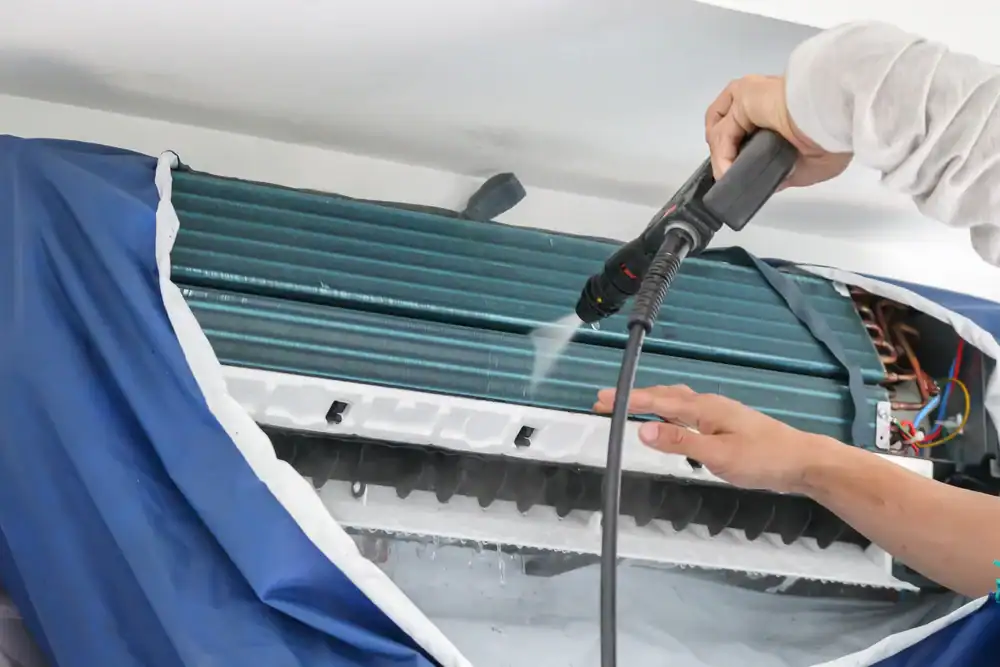
You schedule your ac tune-up in spring. Your system gets inspected, cleaned, and adjusted by a licensed technician who knows what to look for.
Then summer hits. Temperatures climb past 95. Humidity makes it feel like 110. And your AC just works.
No strange noises at 2 AM. No weak airflow when you need it most. No emergency repair bills that could’ve been avoided. Your energy bills stay predictable because your system isn’t working overtime to cool your home.
That’s what regular air conditioner service does. It keeps refrigerant levels right, condensate drains clear, and air filters fresh. It spots worn belts before they snap and electrical connections before they fail.
Most systems lose about 5% efficiency every year without maintenance. That’s money leaving your wallet for no reason. A single tune-up pays for itself in lower energy costs, and it can add years to your system’s life.
We’ve served Monmouth County since 2014. We’re licensed, insured, and local—not a franchise with rotating techs who don’t know the area.
Lincroft summers are brutal. High humidity, temperatures over 100, and heat indexes that push past 120. Your AC works harder here than it would in drier climates, which means it needs attention from someone who understands what New Jersey weather does to HVAC systems.
We price everything upfront. No hidden fees, no surprises after the work is done. If you’re military or a first responder, you get 10% off. And if something goes wrong at midnight, we’re available 24/7 because AC emergencies don’t wait for business hours.
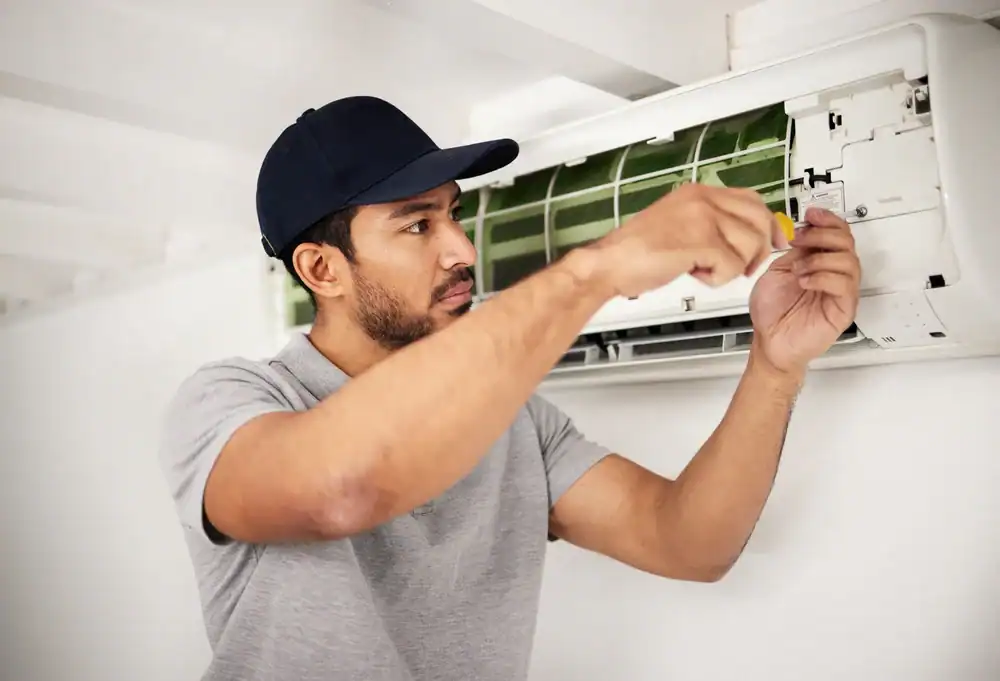
You call or book online. We schedule a time that works for you, usually within a day or two if you’re planning ahead in spring.
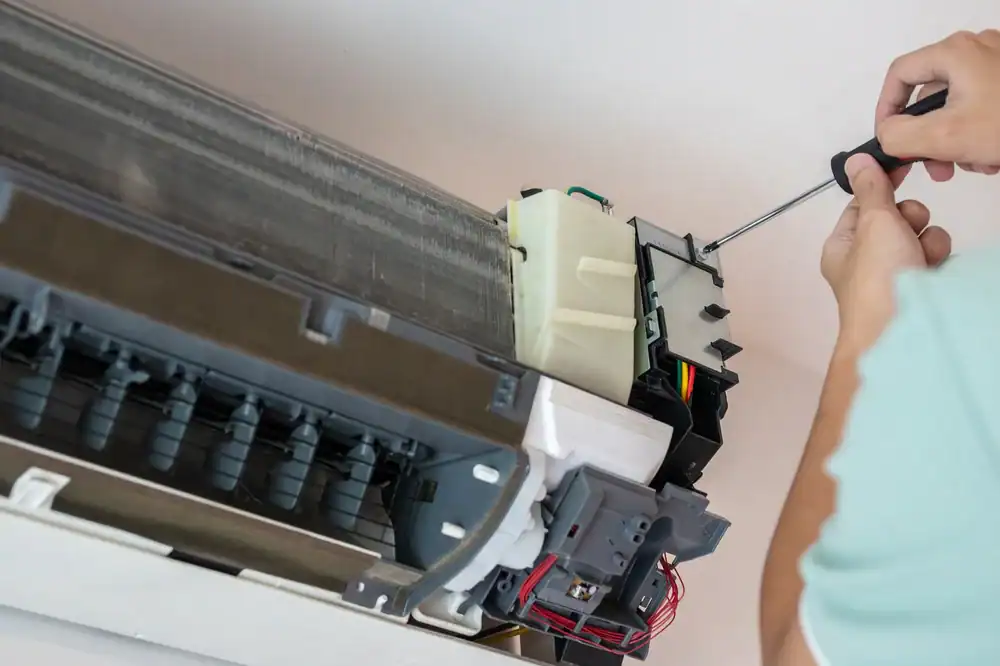
Our technician shows up on time. They’ll start with your outdoor condenser unit—cleaning the coils, checking refrigerant levels, inspecting electrical connections, and testing the fan motor. Dirty coils make your system work harder and cost more to run, so this step matters.
Then they move inside. They’ll inspect your evaporator coil, check the condensate drain for clogs, replace or clean your air filter, and test your thermostat calibration. If airflow seems weak, they’ll look at your ductwork for leaks or blockages.
The whole hvac system inspection takes about an hour. Before they leave, they’ll walk you through what they found. If something needs attention now or soon, they’ll explain it in plain terms—what it is, why it matters, and what it costs to fix. No pressure, just information so you can decide.

Ready to get started?
Your ac inspection includes a full check of both indoor and outdoor components. We test refrigerant levels and add more if needed. Low refrigerant means your system can’t cool properly, and it usually points to a leak that needs fixing.
We clean your condenser and evaporator coils. Dirty coils are one of the biggest efficiency killers, especially in Lincroft where pollen, humidity, and coastal air leave buildup faster than in other areas.
Condensate drains get flushed. A clogged drain can cause water damage inside your home or shut your system down completely. We clear it before that happens.
Air filters get replaced or cleaned depending on your system type. Filters trap dust, allergens, and debris, but when they’re clogged, your AC has to work harder and your indoor air quality drops.
We check all electrical connections, test capacitors, inspect belts and motors, and calibrate your thermostat. These are the small things that cause big problems when they’re ignored. Catching them early keeps your system running and saves you from expensive emergency repairs in July.

Once a year, ideally in late March or April before summer heat arrives. That timing gives you a chance to fix any issues before you actually need your AC running at full capacity.
If you skip annual maintenance, your system loses efficiency every year. Dust builds up on coils, refrigerant levels drop, and small mechanical issues turn into bigger ones. By the time you notice weak cooling or higher energy bills, you’re already paying more than the tune-up would’ve cost.
Some people with older systems or health concerns like allergies schedule service twice a year—once before cooling season and once before heating season. That’s not necessary for most homes, but it does maximize efficiency and air quality if those are priorities for you.
Your system works harder, costs more to run, and dies sooner. Without maintenance, efficiency drops about 5% per year. That means a system that’s three years overdue for service is using 15% more energy than it should just to reach the same temperature.
Parts wear out faster when they’re dirty or misaligned. A blower motor working against a clogged filter burns out quicker. A compressor running low on refrigerant has to cycle more often, which shortens its life. These aren’t cheap fixes—a compressor replacement can run several thousand dollars.
You also increase your chances of a breakdown during peak summer. Most emergency AC calls happen on the hottest days because that’s when systems are under the most stress. A tune-up catches the weak points before they fail when you need cooling most.
Yes, and the difference is measurable. A well-maintained system uses significantly less energy than one that’s been neglected. Clean coils transfer heat better, proper refrigerant levels mean fewer compressor cycles, and clear airflow reduces strain on the blower motor.
In Lincroft, where summer humidity and heat push AC systems hard, efficiency matters even more. Your system might run 8-10 hours a day in July and August. If it’s working 15-20% harder than it should because of dirty coils or low refrigerant, that shows up on your electric bill every single month.
Most homeowners see the maintenance cost pay for itself within one cooling season through lower energy use. After that, the savings keep adding up. It’s not dramatic enough to cut your bill in half, but it’s enough to notice—and it’s money you’d otherwise be wasting.
About an hour for a standard residential system, sometimes a bit longer if we find something that needs immediate attention or if your system hasn’t been serviced in several years.
The outdoor unit takes about 30 minutes—cleaning coils, checking refrigerant, inspecting electrical components, and testing the fan. The indoor portion takes another 20-30 minutes for the evaporator coil, condensate drain, air filter, and thermostat check.
If your ductwork needs inspection or if we’re diagnosing a specific issue you’ve noticed, that adds time. We’ll let you know upfront if something will take longer than expected. You don’t need to be home the whole time if you’re comfortable with that, but most people like to hear what we found before we leave.
Maintenance is preventive. It’s the routine checkup that keeps everything running right and catches small issues before they become problems. You schedule it annually whether or not anything seems wrong.
Repair is reactive. It happens when something breaks or stops working properly. You call because your AC isn’t cooling, it’s making noise, or it won’t turn on at all. Repairs cost more because you’re fixing damage that’s already happened, often with parts that need replacing.
Regular maintenance reduces how often you need repairs. When we spot a worn belt during a tune-up, replacing it costs maybe $50-100. If that belt snaps in July and damages other components, you’re looking at a much bigger bill plus the cost of being without AC until it’s fixed. Maintenance is cheaper and less stressful than waiting for things to break.
Yes, we’re available 24/7 for emergency calls. AC breakdowns don’t wait for convenient times—they happen on weekends, holidays, and the hottest nights of summer when you need cooling most.
If your system stops working or you notice something seriously wrong like burning smells, strange noises, or no airflow, call us right away. We’ll get someone out as quickly as possible to diagnose the problem and get your system running again.
Emergency service costs more than scheduled maintenance because of the urgency and after-hours timing, which is exactly why regular tune-ups matter. Most emergency calls could’ve been prevented with annual maintenance that caught the issue early. But when you do need us in a crisis, we’ll be there.