Reviews
Your AC stops working harder than it needs to. That means lower electric bills during the months when everyone else is watching their meter spin.
You’re not scrambling for emergency repairs in July when every HVAC company is booked solid. The small issues get caught during a spring tune-up, not during a heat wave when your rental guests are checking in.
Salt air is brutal on outdoor units. Coils corrode, connections fail, and what should last 15 years barely makes it to 8. Regular hvac system inspection means someone’s actually looking at the parts that fail first in coastal homes. Cleaning those coils, checking refrigerant levels, testing electrical connections—it’s the difference between an AC that quits at year 5 and one that’s still running strong at year 12.
Most breakdowns don’t just happen. They build up over months of dirty filters, low refrigerant, and components working overtime to compensate. An annual ac inspection stops that cycle before it turns into a $2,000 compressor replacement.
We work in Lavallette and across Ocean County. We’re licensed, insured, and we show up when we say we will.
The difference with coastal properties is real. Salt air doesn’t care how expensive your system was—it’ll corrode the same parts on every unit if they’re not maintained right. We’ve seen what happens when systems go years without proper hvac cleaning service, and we’ve seen how much longer they last when someone’s paying attention.
You’re not getting a 19-year-old with a clipboard. You’re getting techs who’ve worked on hundreds of shore properties and know exactly what to look for. We give you upfront pricing before we touch anything, and if you need emergency service, we’re available 24/7. No surprises, no runaround.
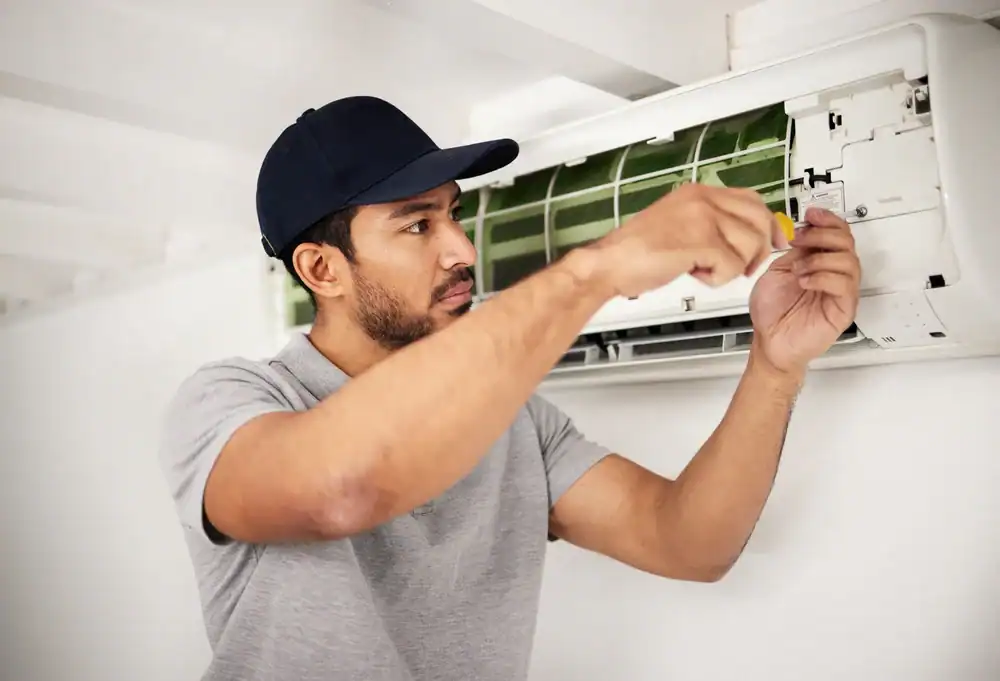
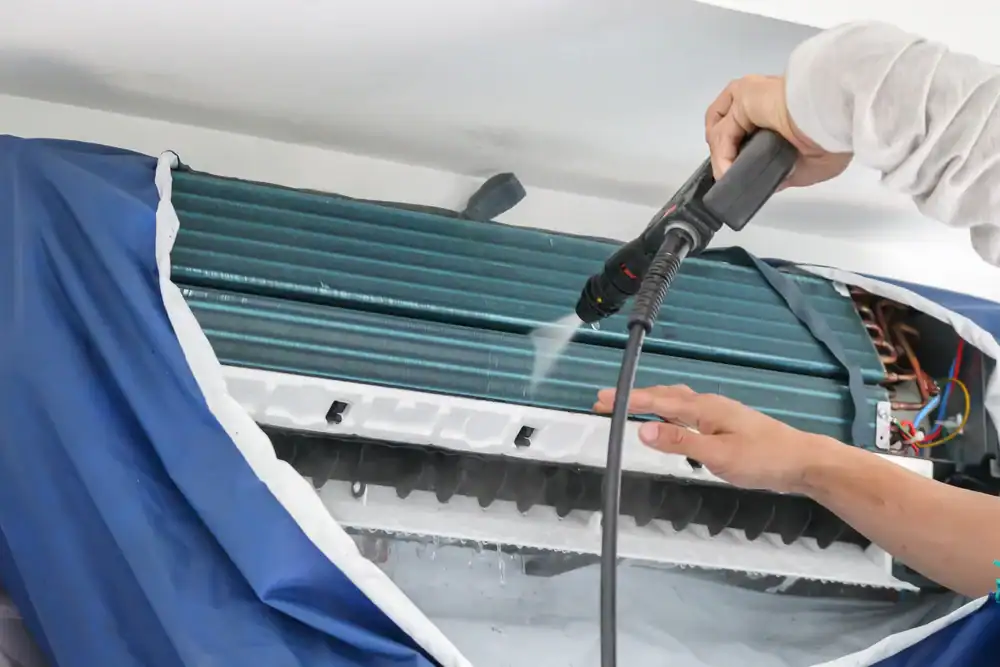
We start with your outdoor unit because that’s where salt air does the most damage. The condenser coils get inspected and cleaned—not just rinsed, actually cleaned. We check for corrosion on the cabinet, test electrical connections, and measure refrigerant levels.
Inside, we’re pulling your filter, inspecting your evaporator coil, and making sure your condensate drain isn’t clogged. A blocked drain line means water damage and potential mold growth, which is the last thing you need in a humid coastal climate. We test your thermostat calibration and check airflow at your vents.
The whole ac tune-up takes about an hour for most systems. You get a written report of what we found, what we fixed, and what might need attention down the road. No pressure, just information. If something needs immediate repair, we’ll give you the price before we do the work. If it can wait, we’ll tell you that too.

Ready to get started?
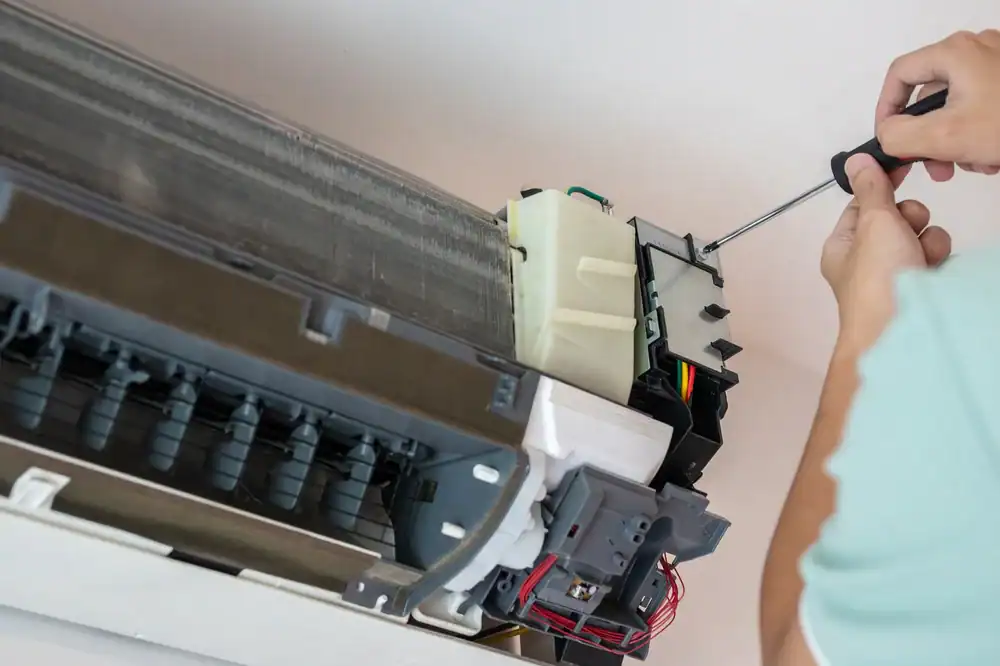
Every air conditioner service includes a full system inspection—indoor and outdoor units. We’re checking refrigerant charge, testing capacitors, tightening electrical connections, and cleaning both coils. Your blower motor gets lubricated if needed, and we verify your system’s drawing the right amperage.
In Lavallette, we’re also looking at how salt air is affecting your specific unit. Some properties get hit harder than others depending on how close you are to the water and which way the wind typically blows. If your coils are showing early corrosion, we’ll talk about more frequent cleanings or protective coatings that can help.
You’ll know if your system’s cooling efficiently or if it’s working overtime to hit temperature. We measure the temperature split between your supply and return air—that tells us if your system’s actually performing or just running. If your unit’s struggling, you’ll know why and what it’ll cost to fix.
Seasonal properties get extra attention. If your house sits empty for months, we can winterize your system properly and get it ready again in spring. That’s not standard service—it’s specific to how shore properties actually get used.

Once a year minimum, ideally in spring before cooling season starts. But coastal properties take more abuse than inland homes.
If your house is within a few blocks of the ocean, you’re dealing with constant salt air exposure. That means coils corrode faster, electrical connections degrade quicker, and your outdoor unit’s cabinet can start rusting within a couple years. Some of our Lavallette clients do twice-yearly service—spring tune-up and a fall cleaning—just to stay ahead of the salt damage.
Vacation rentals should absolutely be on a twice-yearly schedule. You can’t afford a breakdown during peak rental season, and you’re running your system harder than a typical residence. The extra service visit costs a few hundred bucks. A mid-summer compressor failure costs thousands plus lost rental income.
Condenser coils and electrical connections. Salt air attacks both relentlessly.
Your condenser coil sits outside pulling air through thin aluminum fins. When that air’s full of salt, the fins corrode and the coil loses efficiency. Eventually it corrodes through completely and you’re looking at a major repair or full system replacement. Regular cleaning and inspection catch this before it’s catastrophic.
Electrical connections corrode too. A connection that looks fine can have enough corrosion to create resistance, which creates heat, which accelerates the failure. We’ve seen contactors and capacitors fail years early just from coastal exposure. These are $150-400 fixes if caught early. If they fail and take out your compressor, you’re into four-figure repair territory.
The third common failure is the outdoor fan motor. Salt gets into the bearings and shortens the motor’s life. A maintenance visit includes checking that motor and lubricating it if possible. Replacing a fan motor runs $400-600. Replacing a compressor that failed because the fan motor died first runs $1,500-2,500.
Yes, but only if it’s done right. A quick 20-minute “tune-up” that’s just a filter change won’t do much.
Inland AC systems last 15 years on average. Shore systems often die at 8-10 years because of accelerated corrosion and harder working conditions. Regular maintenance—real maintenance, not just a visual inspection—can push that closer to 12-15 years even in coastal areas.
The key is actually cleaning the coils, not just spraying them off. Actually checking refrigerant levels with gauges, not assuming they’re fine. Actually testing electrical components under load, not just looking at them. When coils stay clean, your system doesn’t work as hard. When refrigerant’s at the right charge, your compressor isn’t straining. When connections are tight and corrosion-free, components last longer.
You’re still not getting 20 years out of a shore property AC. But getting 12 years instead of 7 means you’re replacing your system half as often. At $5,000-8,000 per replacement, that math works out pretty clearly.
A tune-up is preventive. A service call is reactive. One costs $150-250. The other starts at $150 and goes up depending on what’s broken.
During a tune-up, nothing’s broken yet. We’re cleaning, testing, adjusting, and catching small issues before they become big ones. You’re paying for labor and expertise, not parts. The goal is to leave with a system that’s running efficiently and isn’t likely to fail anytime soon.
A service call means something’s already wrong. Your AC isn’t cooling, it’s making noise, it’s leaking, or it’s not running at all. Now we’re diagnosing a problem and fixing it. Parts cost money. Emergency calls cost more. After-hours calls cost even more.
The whole point of maintenance is avoiding service calls during the summer when you actually need your AC. A spring tune-up might find a failing capacitor. Replacing it during maintenance costs $150-200. Replacing it during an emergency call in July costs $300-400 plus you’ve been without AC for however long it took to get someone out there.
If it seems fine, maintenance keeps it that way. If it seems fine but isn’t, maintenance catches it before you’re stuck without cooling.
Most AC problems don’t announce themselves until they’re serious. Refrigerant doesn’t leak out all at once—it drops slowly over months or years. Your system compensates by running longer to hit temperature. You don’t notice because it’s gradual. Your electric bill creeps up. Your compressor works harder. Eventually something fails.
Dirty coils work the same way. Airflow drops gradually. Efficiency decreases slowly. The system runs more to cool less. By the time you notice it’s struggling, it’s been working overtime for months and components are wearing out faster than they should.
Coastal properties add another layer. Salt corrosion happens whether your system’s running or not. Your outdoor unit’s sitting there getting attacked by salt air 24/7. An AC that “seems fine” in April might have corroded coils that’ll fail in July. A maintenance visit in spring finds that. A breakdown in July costs you comfort, money, and time waiting for repairs during peak season when every HVAC company’s slammed.
A standard tune-up runs $150-250 for most residential systems. Larger systems or properties needing extra attention cost more.
That price covers a full inspection, cleaning, and testing of your system. If we find something that needs repair, that’s a separate cost and you’ll get the price before we do the work. Some companies advertise $79 tune-ups—those are usually loss leaders to get in the door. You’ll end up with a list of “critical repairs” that may or may not actually be critical.
Maintenance plans can bring the per-visit cost down if you’re doing multiple visits per year. For coastal properties, a plan that includes spring and fall service usually runs $300-400 annually. You also get priority scheduling and discounts on repairs, which matters when you need emergency service during peak season.
The real cost comparison isn’t maintenance vs. no maintenance. It’s maintenance vs. emergency repairs and early system replacement. A $200 annual tune-up vs. a $1,500 compressor replacement. Or a $400 yearly maintenance plan vs. replacing your entire system at year 7 instead of year 12. The math isn’t complicated—prevention costs less than fixing what breaks.