Reviews
Your energy bill drops. Not by a little—by 5% to 20% annually when your AC runs the way it should. That’s real money back in your pocket every month you’re running the system.
Your equipment lasts longer. AC units that get regular hvac system inspection and cleaning last 40% longer than ones that don’t. You’re not replacing your system every 8 years—you’re getting 12 to 15 out of it.
You’re not dealing with emergency breakdowns in July. Living this close to the ocean means salt air is constantly working against your condenser coils. Regular hvac cleaning service removes that buildup before it kills your system on the hottest day of summer.
And your house actually feels comfortable. Not just cold, but dry. A properly maintained system removes humidity the way it’s supposed to, so you’re not sitting in a cold, damp living room wondering why you’re still uncomfortable.
We’ve been serving Monmouth County long enough to know that Lake Como properties need more than the standard once-a-year checkup. Salt air accelerates corrosion. Humidity puts constant strain on your compressor and coils.
You need techs who understand that your system works harder than units five miles inland. Our team is licensed, insured, and trained specifically on the challenges coastal homeowners face. No hidden fees, no upselling—just honest assessments and upfront pricing before any work starts.
You’ll know what’s wrong, what it costs, and why it matters. Then you decide.
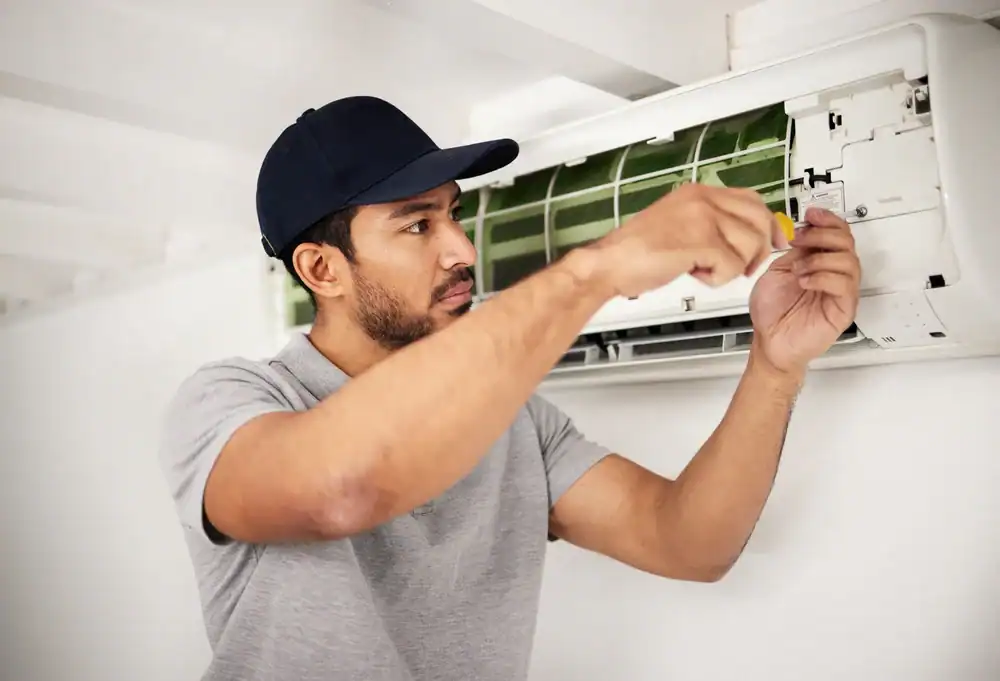
First, we check your refrigerant levels. Low refrigerant means your system runs constantly without cooling properly. If it’s low, there’s a leak—and we find it.
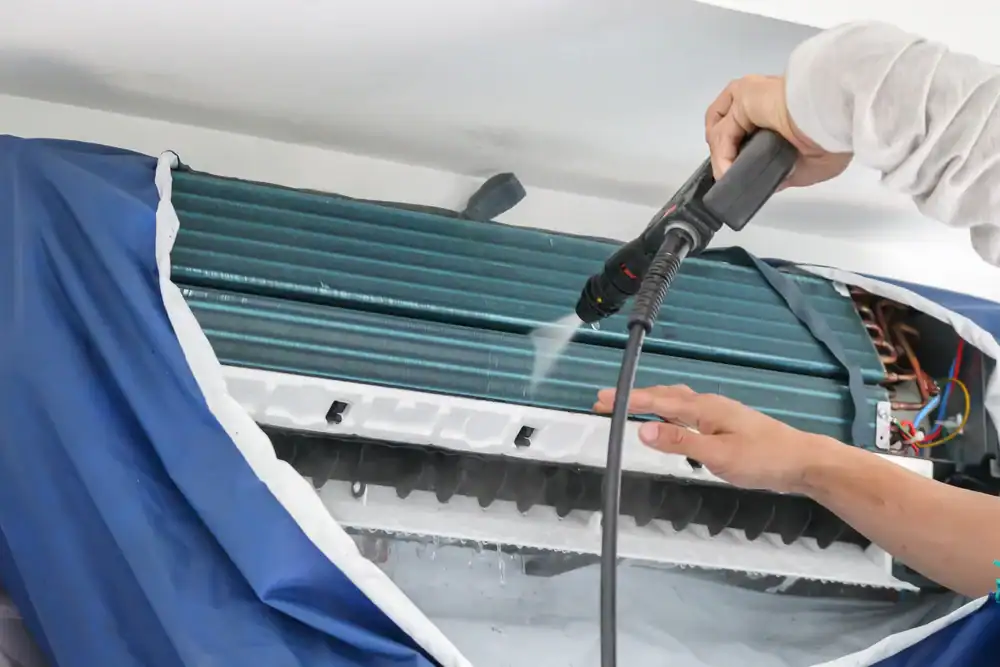
Next, we clean your condenser coils. This is where salt air does the most damage. Dirty coils make your system work harder, use more energy, and wear out faster. We remove the buildup so air flows the way it should.
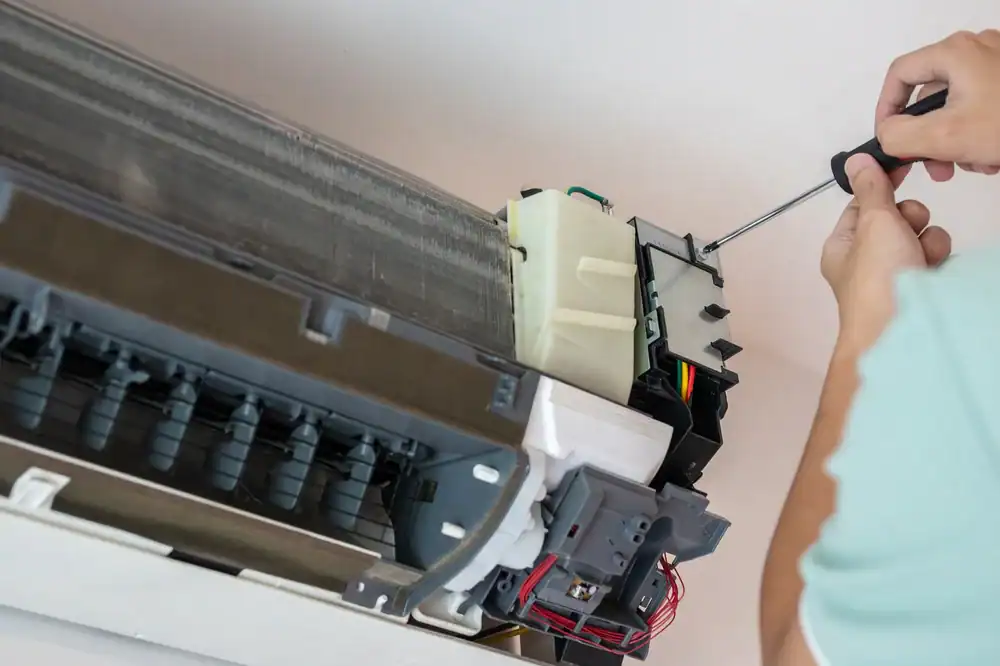
We inspect electrical connections, test your thermostat calibration, and check your condensate drain. A clogged drain means water damage. Loose electrical connections mean safety hazards. We catch these before they become expensive problems.
Then we test airflow and check your air filter. If your filter is clogged or your ducts are restricted, your system can’t dehumidify properly. That’s why your house feels muggy even when the AC is running.
You get a full report on what we found, what needs attention now, and what you should watch. No pressure, no scare tactics—just the information you need to make the right call for your home and budget.

Ready to get started?
You’re getting a complete hvac system inspection—not just a filter change and a wave goodbye. That means checking refrigerant levels, cleaning coils, testing electrical components, calibrating your thermostat, and inspecting your condensate drain.
In Lake Como, your outdoor unit takes a beating from salt air. Standard maintenance doesn’t cut it here. Your condenser coils need thorough cleaning at least once a year, ideally twice if you’re within a few blocks of the ocean. Corrosion happens fast this close to the water.
We also check your ductwork for leaks and restrictions. Poor airflow means your system runs longer to hit temperature, which means higher bills and more wear on your compressor. If your ducts are leaking conditioned air into your attic or crawl space, you’re cooling spaces that don’t matter while your living room stays uncomfortable.
Your humidity levels matter just as much as temperature. Monmouth County summers aren’t dry heat—they’re heavy and wet. If your AC is oversized or not maintained properly, it cools too quickly and shuts off before removing enough moisture. You end up cold and clammy at the same time, which is miserable.

At minimum, once a year before cooling season starts. But if you’re within a few miles of the ocean, twice a year makes more sense.
Salt air accelerates corrosion on your condenser coils and metal components. That buildup reduces efficiency and shortens your system’s lifespan. A spring tune-up prepares your AC for summer, and a fall checkup removes the salt and grime that accumulated during heavy-use months.
Properties right on the water or within a few blocks should treat AC maintenance like changing oil in your car—it’s not optional if you want your equipment to last. The cost of an extra service visit is a fraction of what you’ll pay for premature replacement or emergency repairs in July.
Your energy bills go up by 5% to 20% when your system isn’t maintained. Over a summer, that’s real money—easily $100 to $300 depending on your usage.
Your equipment wears out 40% faster. An AC that should last 12 to 15 years might only give you 8 to 10. Replacement costs $4,000 to $8,000 depending on your system size and home layout.
And you’re far more likely to deal with a breakdown during peak season when you actually need cooling. Emergency repairs cost more than scheduled maintenance, and you’re stuck waiting in an uncomfortable house while techs fit you into an already-packed schedule. Preventive maintenance costs less than reactive repairs—usually 12% to 18% less over the life of your system.
Your system might be oversized, or it’s not running long enough to remove moisture from the air. AC units cool and dehumidify, but dehumidification takes time.
If your system is too powerful for your space, it hits your thermostat setting quickly and shuts off before pulling enough humidity out. You end up with a cold, damp house that feels uncomfortable. This is common in coastal areas where humidity is constant.
Dirty coils, low refrigerant, or restricted airflow also prevent proper dehumidification. When your AC can’t move air efficiently, it can’t remove moisture effectively. Regular maintenance ensures your system runs long enough and efficiently enough to handle both temperature and humidity. If your AC is properly sized and maintained but still struggling, you might need a dedicated dehumidifier—especially in Lake Como where moisture is relentless.
Salt attaches to your condenser coils and metal components, then accelerates corrosion. It’s not just surface dirt—it’s chemically breaking down the materials your system is made from.
Corroded coils can’t transfer heat efficiently. Your AC has to run longer to cool your home, which increases energy costs and puts more strain on your compressor. Eventually, corrosion causes leaks in your refrigerant lines or coil failure, which means expensive repairs or full system replacement.
Coastal properties can’t treat HVAC like a “set it and forget it” system. You need more frequent cleaning and inspection than homes inland. During your AC tune-up, we thoroughly clean your outdoor unit and check for early signs of corrosion. Catching it early means we can treat or replace affected parts before they fail completely. Ignoring it means you’re shortening your system’s life by years.
You can handle some basics—changing your air filter every 30 to 90 days, keeping debris away from your outdoor unit, and making sure your vents aren’t blocked. Those things matter and they’re easy.
But a real ac inspection requires specialized tools and training. Checking refrigerant levels, testing electrical connections, calibrating thermostats, and cleaning coils properly isn’t DIY territory. Low refrigerant means there’s a leak somewhere, and finding it requires equipment most homeowners don’t have.
Electrical issues are safety hazards. Improper cleaning can damage fins on your condenser coils, making airflow worse instead of better. And if you’re not trained on what to look for, you’ll miss early warning signs that could prevent expensive failures down the road. Professional maintenance costs $100 to $200 depending on what’s included—far less than the repairs you’ll pay for if something breaks because it wasn’t properly maintained.
A tune-up is preventive. You’re catching small issues before they become big problems. We have time to thoroughly inspect your system, clean components, test performance, and make minor adjustments. You’re scheduling it at your convenience, usually in spring before you need heavy cooling.
An emergency repair happens when something’s already broken—usually on the hottest day of summer when your family is uncomfortable and you need cooling now. Emergency visits cost more because you’re paying for after-hours or same-day service. And the repair itself is often more expensive because a small issue that could’ve been fixed during maintenance has now damaged other components.
Preventive maintenance saves you 12% to 18% compared to reactive repairs over your system’s lifetime. You’re also avoiding the stress and discomfort of living without AC while waiting for parts or service availability during peak season. Scheduled maintenance means fewer surprises, lower costs, and a system that works when you actually need it.