Reviews
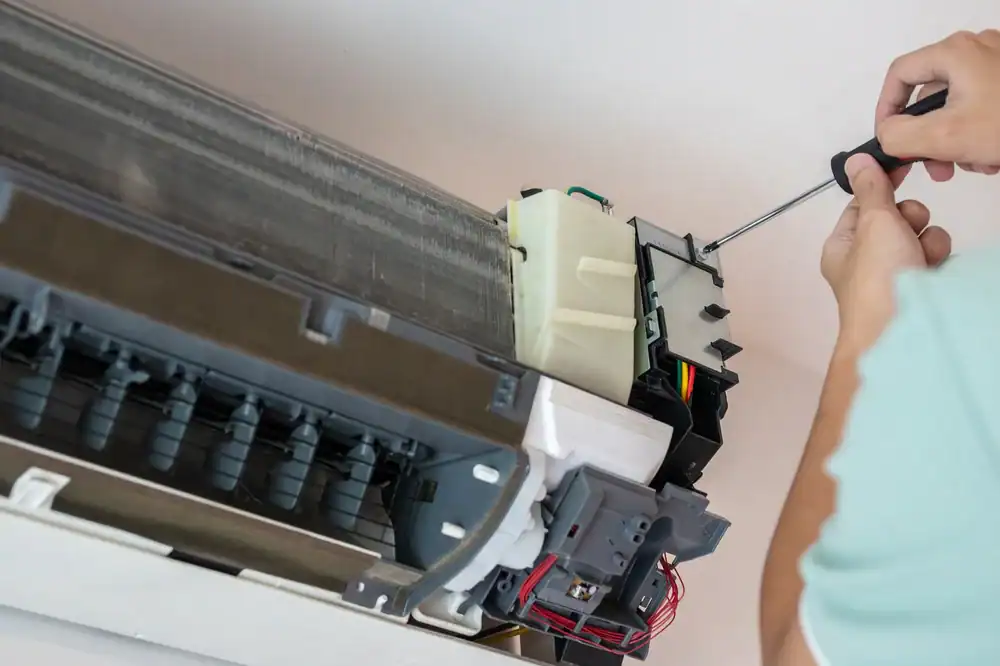
You’re not maintaining your AC just to check a box. You’re doing it because a well-tuned system uses less energy, breaks down less often, and keeps your home comfortable when it’s 85 degrees with 64-degree dew points outside.
Most Keyport homeowners see their energy bills drop after a proper tune-up. That’s because dirt, debris, and worn components force your system to work harder than it should. A clean blower, calibrated thermostat, and properly charged refrigerant lines mean your AC runs efficiently instead of constantly struggling.
And here’s what really matters: over half the emergency repair calls we see could’ve been prevented with regular maintenance. That frozen coil in July? Usually a clogged filter or low refrigerant. The system that stops cooling during a heat wave? Often a dirty condenser coil that’s been sitting outside all year collecting salt air and pollen.
An hvac system inspection catches these problems early. You get a system that cools evenly, runs quietly, and doesn’t quit on the hottest day of summer.
We work exclusively in Monmouth County. We’re not a franchise sending different techs every time. We’re local, licensed, and we’ve seen what Keyport’s climate does to HVAC systems year after year.
Living near the Raritan Bay means your outdoor unit faces salt air, high humidity, and temperature swings that most systems weren’t designed for. We’ve worked on enough homes here to know which parts corrode first, which drain lines clog most often, and how to keep your system running longer than the typical 12-15 year lifespan.
You’ll work with licensed professionals who show up on time, explain what they’re doing, and give you upfront pricing before any work starts. No hidden fees. No upselling services you don’t need.

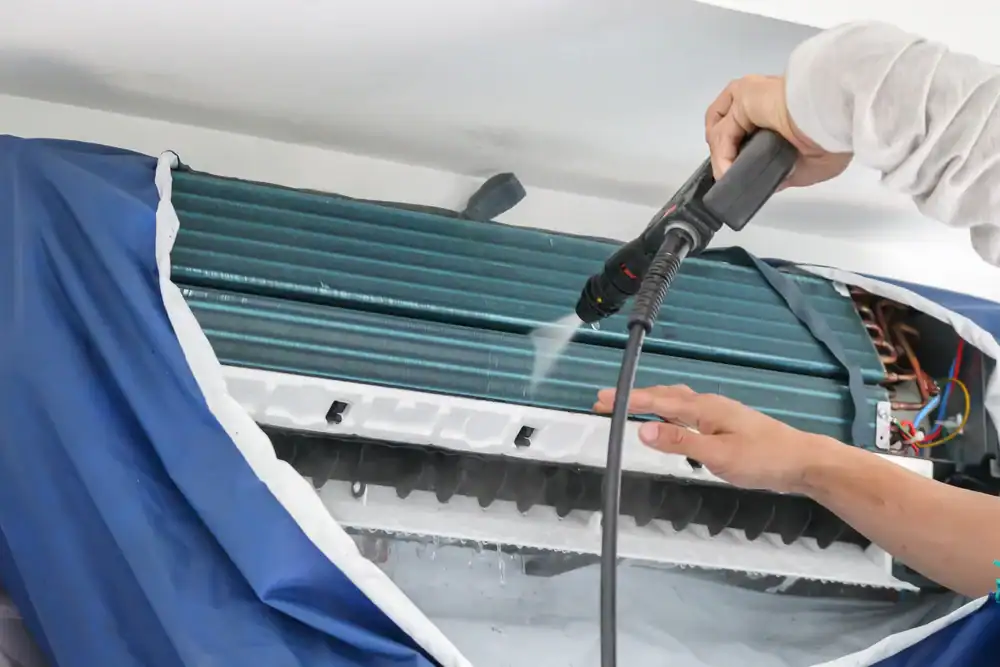
We start with your outdoor condenser unit. That’s where salt air and debris do the most damage. We clean the coils, check refrigerant levels, and inspect electrical connections that can corrode in coastal environments.
Inside, we pull and clean or replace your air filter, inspect your evaporator coil for ice or dirt buildup, and test your blower motor. We also check your condensate drain line because humid Keyport summers mean more moisture removal and more chances for clogs.
Then we calibrate your thermostat, test your system’s cooling capacity, and measure airflow at your vents. If something’s wearing out or about to fail, we’ll tell you. If everything looks good, we’ll tell you that too.
The whole hvac cleaning service takes about an hour. You get a system that’s been checked from top to bottom and a clear explanation of what we found.

Ready to get started?
A real ac inspection covers 21 different checkpoints. We’re looking at refrigerant pressure, electrical draws, airflow measurements, and component wear. These aren’t things you can eyeball or guess at.
In Keyport specifically, we pay extra attention to outdoor unit corrosion and condensate drainage. The salt air from the bay accelerates rust on metal components. High humidity means your drain line works overtime. Both are common failure points we catch during routine maintenance.
You also get honest advice about your system’s condition. If your 18-year-old AC is on its last legs, we’ll tell you. If it’s got another five good years with proper care, we’ll tell you that too. We’re not here to sell you a new system if maintenance will do the job.
And because heating and cooling typically represent half your energy bill, keeping your system clean and calibrated has real financial impact. A system running at peak efficiency can save you up to 30% compared to a neglected one.

Once a year, ideally in spring before cooling season starts. That gives you time to address any issues before you’re relying on your AC daily.
Keyport’s climate is harder on air conditioners than drier areas. The humidity makes your system work overtime removing moisture. The salt air corrodes outdoor components faster. Annual maintenance isn’t optional here if you want your system to last.
If your AC is older than ten years or you’re running it heavily from May through September, twice-a-year service makes sense. Spring for cooling prep, fall to make sure everything survived summer. Most people don’t need that level of attention, but older systems in constant use benefit from it.
Your system works harder, costs more to run, and fails sooner. That’s not a sales pitch. That’s what happens when dirt builds up, refrigerant levels drop, and worn parts keep running.
A dirty evaporator coil can freeze, shutting down your cooling completely. Low refrigerant makes your compressor overheat. A clogged condensate line can overflow and damage your home. These are the most common emergency calls we get, and they’re almost always on systems that haven’t been maintained.
The median home in Keyport is around 60 years old. If you’ve got an older AC trying to cool an older home through humid summers, skipping maintenance means you’re gambling with expensive repairs or full replacement. Regular service catches small problems while they’re still small.
You can handle filter changes and keeping debris away from your outdoor unit. Everything else requires tools, training, and licensing you probably don’t have.
Checking refrigerant levels requires gauges and certification. Measuring electrical draws needs specialized meters. Cleaning evaporator coils means accessing sealed components without damaging them. Calibrating thermostats and testing system capacity aren’t DIY jobs.
Plus, if you’re not sure what you’re looking at, you’ll miss the early warning signs that save you money. A licensed tech knows what normal wear looks like versus a component that’s about to fail. They know which sounds are fine and which ones mean trouble. That experience is what you’re paying for during an hvac system inspection.
A standard tune-up typically runs between $100 and $200 depending on your system size and what’s included. That’s a fraction of what you’d pay for an emergency repair or new compressor.
We give you upfront pricing before we start. No surprises, no hidden fees. If we find something during the inspection that needs attention, we’ll explain what it is, why it matters, and what it costs to fix. You decide whether to handle it now or later.
Many homeowners sign up for annual maintenance plans that include priority scheduling, discounts on repairs, and regular tune-ups. If you’re planning to stay in your home and want to extend your system’s life, a plan usually pays for itself in energy savings and avoided repairs.
The Raritan Bay. Living on the water means salt air, higher humidity, and weather that swings between extremes. All of that is hard on HVAC equipment.
Salt accelerates corrosion on your outdoor unit’s coils, fan blades, and electrical connections. Humidity means your system removes more moisture from the air, which works your compressor harder and fills your condensate drain faster. Summer temperatures in the mid-80s with high dew points make your AC run longer cycles than it would in drier climates.
We see these patterns across Monmouth County, but Keyport’s waterfront location intensifies them. That’s why we check specific components more carefully here and why we recommend certain preventive measures that might not matter as much inland. Your system faces conditions that most manufacturer recommendations don’t account for.
April or early May, before you need your AC running every day. You want any problems identified and fixed before the first heat wave, not during it.
Spring scheduling also means better availability. Once temperatures hit the 80s and everyone’s AC is running, service calls stack up. If your system breaks down in July, you might wait days for a repair appointment. Handle maintenance in spring and you avoid that rush.
If you’ve got an older system or you ran your AC hard last summer, don’t wait. Get it checked as soon as the weather breaks. The last thing you want is to fire up your system in June and find out something failed over the winter. Early maintenance gives you time to plan for repairs without sweating through a Keyport heat wave while you wait for parts.