Reviews
Your AC is fighting an uphill battle in Keansburg. The salt-heavy air corrodes coils faster than you’d see a few miles inland. The humidity makes your system work overtime just to keep your home comfortable.
Regular AC maintenance isn’t about checking boxes on a service form. It’s about catching the small stuff before it turns into a $3,000 compressor replacement in July.
A well-maintained system uses 15-20% less energy than one that’s been ignored. That’s real money back in your pocket every month. More importantly, it’s the difference between a system that lasts 8 years and one that makes it past 15.
You get better airflow, more consistent temperatures, and actual humidity control instead of that cold-but-clammy feeling that tells you something’s off. And when a technician who knows what to look for inspects your system twice a year, you’re not gambling on whether it’ll make it through summer.
We’ve been working on HVAC systems in Monmouth County long enough to know that Keansburg properties face different challenges than homes even 10 miles west. The ocean air changes everything.
Our technicians are licensed, insured, and trained specifically on the kind of wear patterns you see in coastal homes. We’re not running through a generic checklist. We’re looking at coil corrosion, checking electrical connections that salt air loves to attack, and making sure your condensate drain isn’t clogged with the kind of buildup that comes from constant humidity.
You’re not getting a national chain that rotates techs every six months. You’re working with a local team that’ll be here next year when you need us again. We do the work right, we explain what we’re doing, and we don’t surprise you with costs you didn’t agree to.
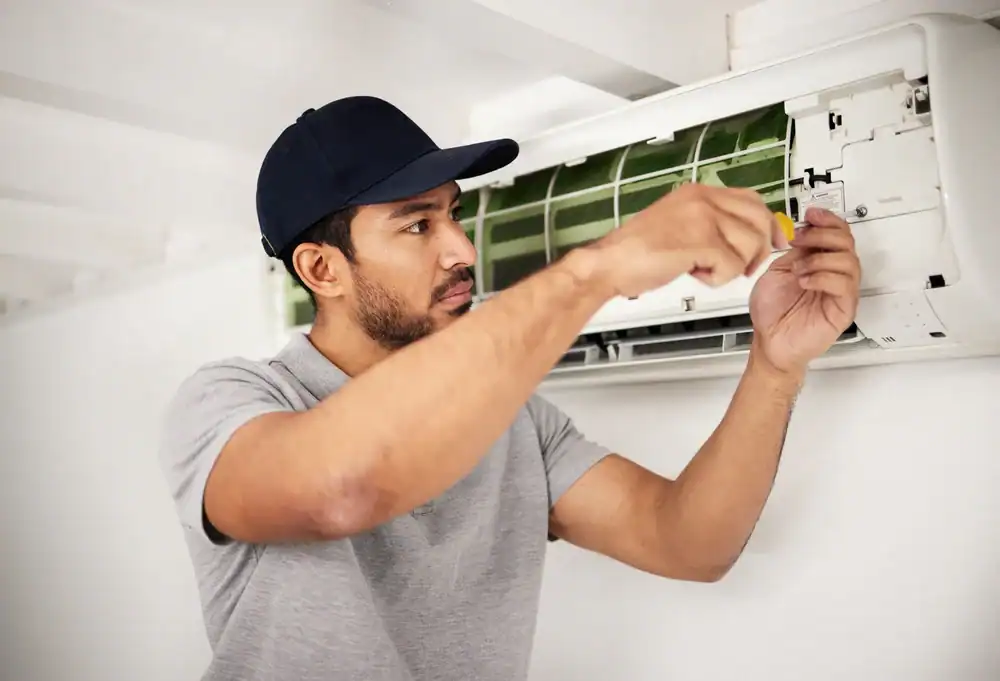
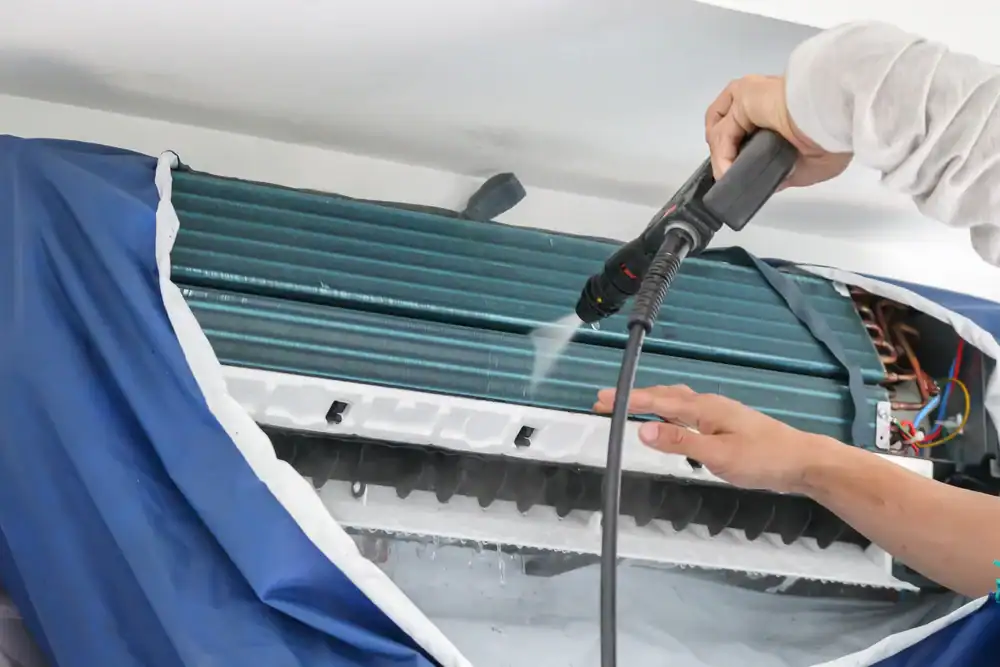
We start with your outdoor unit because that’s where coastal conditions do the most damage. We inspect the condenser coils for corrosion, clean off salt and debris, and check refrigerant levels. Low refrigerant doesn’t just hurt efficiency – it can damage your compressor.
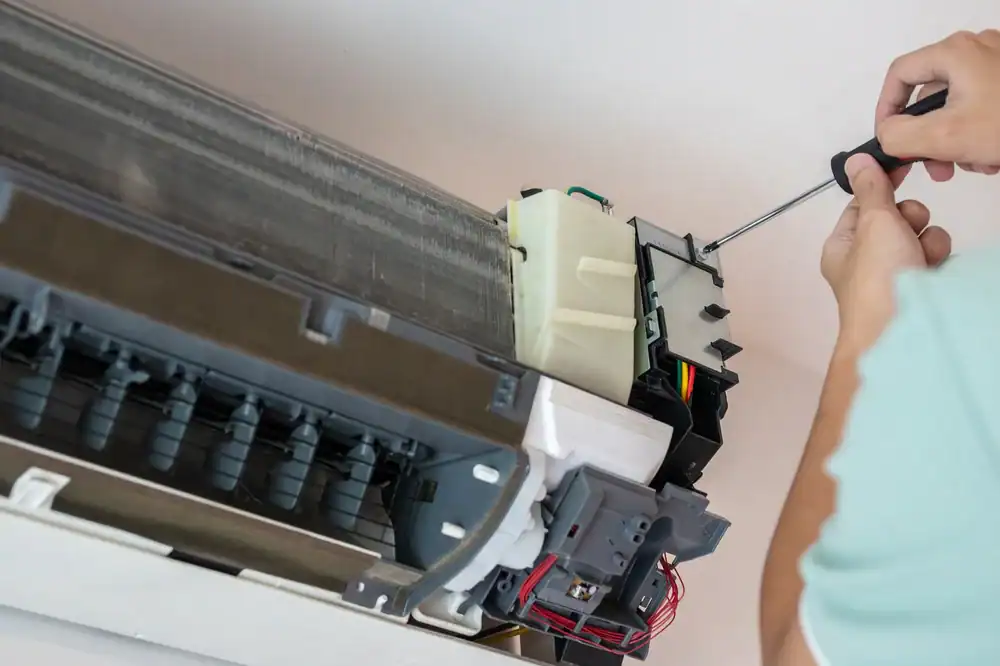
Inside, we’re checking your evaporator coil, testing airflow, and inspecting your blower motor and belts. We clean or replace your air filter, check all electrical connections, and test your thermostat calibration. If your condensate drain line is clogged or starting to build up algae, we clear it before it overflows and causes water damage.
We also measure temperature split – the difference between the air going into your system and the air coming out. That tells us if your system is actually cooling the way it should or just running without doing its job.
Before we leave, you get a clear explanation of what we found, what we did, and whether anything needs attention soon. No scare tactics, no upselling – just honest information so you can make the right call for your home and budget.

Ready to get started?
A real air conditioner service covers the components that actually affect performance and longevity. That means cleaning both coils – not just the easy-to-reach one. It means checking refrigerant charge with gauges, not guessing. It means inspecting electrical connections that can arc and fail when corrosion builds up.
In Keansburg, we also apply protective coatings to condenser coils when needed. It’s a small step that adds years to your system’s life when you’re this close to the ocean. We check your ductwork for leaks if you have central air, and we test your system’s ability to actually remove humidity, not just drop the temperature.
You also get priority scheduling when you’re a maintenance customer. If your AC does go down during a heat wave, you’re not waiting three days for a callback. And you get discounted rates on any repairs we find during the inspection.
Most importantly, you get a technician who’s checking for the specific problems that show up in coastal New Jersey homes – not running through a corporate script written for landlocked suburbs. We know what kills AC systems here, and we know how to prevent it.

Twice a year if you’re within a few miles of the ocean. Once in spring before cooling season starts, and once in fall after you’ve run it hard all summer.
The salt air accelerates wear on your outdoor unit faster than most homeowners realize. Coils corrode, electrical connections degrade, and moving parts wear down quicker when they’re constantly exposed to coastal conditions. A single annual visit might be fine for a system in central New Jersey, but it’s not enough here.
Spring maintenance catches problems before you need your AC. Fall maintenance addresses the damage that summer heat and humidity caused. Skipping either one means small issues have months to turn into expensive failures. The cost of two tune-ups per year is a fraction of what you’ll pay for an emergency repair or early system replacement.
We explain what we found, why it matters, and what it’ll cost to fix. Then you decide whether to handle it now or later.
Some issues need immediate attention – like a refrigerant leak that’s damaging your compressor or an electrical connection that’s arcing. Those are safety and equipment protection concerns. Other things can wait – maybe your blower motor is getting noisy but still working fine, or your coils could use a deep clean but aren’t completely blocked yet.
We’re not here to scare you into repairs you don’t need. We give you the information and let you make the call. If you want to fix it during the same visit, we can usually handle it right then. If you want to schedule it for later or get a second opinion, that’s your choice. Our job is to make sure you know what’s going on with your system, not to pressure you into approving work you’re not comfortable with.
It catches most problems before they cause a breakdown, but it’s not a guarantee against every possible failure.
The majority of AC failures happen because of issues that develop slowly – dirty coils reducing airflow, refrigerant leaks dropping system charge, worn contactors that eventually fail, or clogged drain lines that overflow. Regular maintenance identifies these problems while they’re still small and fixable.
What maintenance can’t prevent is a compressor that fails due to a manufacturing defect, or a freak lightning strike that fries your control board, or a wire that gets chewed through by an animal that got into your outdoor unit. Those are random failures that no amount of maintenance will predict.
But the vast majority of emergency service calls we run in summer are for problems that would’ve been caught during a spring tune-up. Capacitors don’t just die instantly – they weaken over time. Coils don’t clog overnight – they build up dirt gradually. When you skip maintenance, you’re rolling the dice on whether those slow-developing problems will take your system down on the hottest day of the year.
Yes, if your system has been running without maintenance for a while. The Department of Energy estimates well-maintained systems use up to 15% less energy than neglected ones.
Dirty coils make your system work harder to move heat. Low refrigerant charge forces your compressor to run longer to achieve the same cooling. A blower motor caked with dust can’t move air efficiently. All of that adds up to higher energy consumption for the same amount of cooling.
After a thorough cleaning and tune-up, most homeowners notice their system runs for shorter cycles and the house cools down faster. That’s efficiency you can feel – and see on your electric bill. The savings are most dramatic if you’ve gone several years without service, but even annual maintenance keeps your system running at peak efficiency instead of gradually declining.
The other financial benefit is avoiding the premium you pay for emergency service. A maintenance visit costs a fraction of what you’ll spend on an after-hours or weekend emergency call when your system quits during a heat wave.
Salt air causes corrosion that you don’t see in homes farther inland. That changes what we inspect and how we protect your equipment.
Your condenser coils take a beating from salt-laden air. We’re not just cleaning them – we’re checking for corrosion that weakens the fins and eventually causes refrigerant leaks. Electrical connections corrode faster here too, creating resistance that generates heat and leads to failure. Cabinet panels rust through. Fasteners seize up.
We also pay closer attention to humidity control in coastal homes. Your AC isn’t just fighting temperature – it’s fighting moisture levels that make your home feel uncomfortable even when the thermostat says it’s cool enough. If your system is short-cycling or oversized, it’ll cool the air without removing enough humidity. That’s a common problem in Keansburg that requires specific solutions.
Protective coatings on coils, more frequent inspections of electrical components, and humidity testing aren’t standard in every AC tune-up. But they should be when you’re this close to the ocean. A technician who doesn’t understand coastal HVAC challenges will miss problems that are obvious to someone who works in shore communities regularly.
April or early May for your spring service, before the rush of summer heat hits and before you actually need your AC to work.
By June, HVAC companies are slammed with repair calls from people whose systems failed during the first heat wave. You’re looking at longer wait times and less flexibility in scheduling. Spring maintenance gets you in before the chaos starts.
The fall service should happen in September or October, after you’ve finished running your AC hard all summer but before it gets too cold. That visit addresses any wear that happened during cooling season and makes sure your system is ready for next year.
Waiting until your AC stops working to call for service means you’re paying emergency rates, waiting days for an available appointment, and sweating through the hottest part of summer. Scheduling maintenance during the shoulder seasons means you get better availability, standard pricing, and the peace of mind that your system is ready when you need it.