Reviews
Your air conditioner doesn’t quit on a mild Tuesday in May. It fails on the hottest day of July when your family needs it most and every HVAC company in Monmouth County is booked solid for three days.
Regular AC maintenance changes that equation entirely. A well-maintained system runs 5-10% more efficiently, which translates directly to lower utility bills during those brutal New Jersey summers when electricity rates hit 18.9 cents per kilowatt-hour. You’re also catching small issues before they become expensive emergencies—a $150 tune-up beats a $2,500 compressor replacement every time.
But the real benefit is consistency. Your system cools evenly. It runs quieter. It doesn’t struggle to reach the temperature you set. You’re not dealing with weak airflow in the upstairs bedrooms or that strange smell every time the unit kicks on. You just have reliable comfort when temperatures outside climb into the 90s.
We’re based right here in Monmouth County. We’re not a franchise owned by some private equity group in another state—we’re a locally owned company that’s been serving Jackson and the surrounding Ocean County area for years.
Our technicians are licensed and insured to work on HVAC systems throughout New Jersey. We know the climate here, the systems homeowners typically have, and the problems that come up when humidity stays high and temperatures swing from 95 degrees in August to 15 degrees in January.
When you call, you’re getting transparent pricing before any work starts, 24/7 emergency availability if something goes wrong, and technicians who show up when they say they will. No hidden fees, no upselling you on things you don’t need.
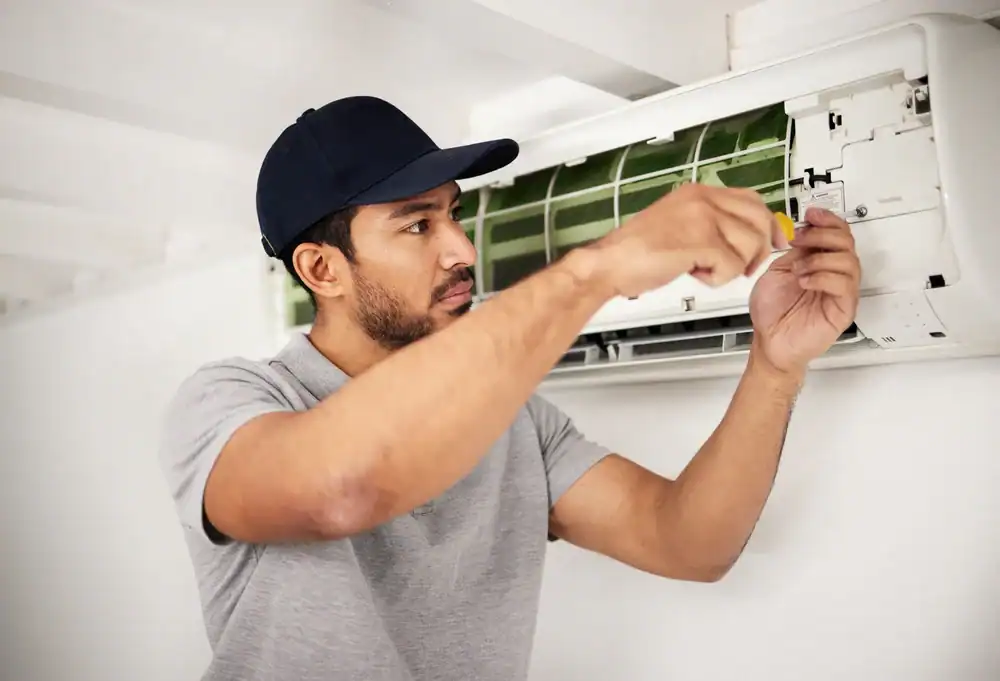
A proper air conditioner service isn’t just changing a filter and calling it done. Here’s what actually happens when our technicians show up for your HVAC system inspection.
First, we check refrigerant levels and look for leaks. Low refrigerant makes your system work harder and cool less effectively. If there’s a leak, we find it before it becomes a bigger problem.
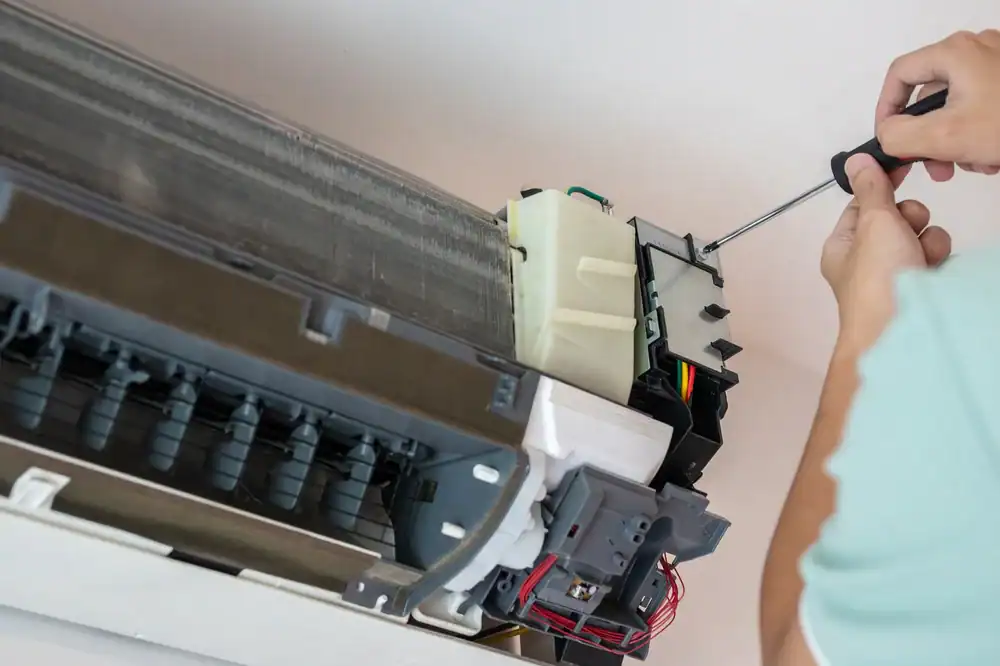
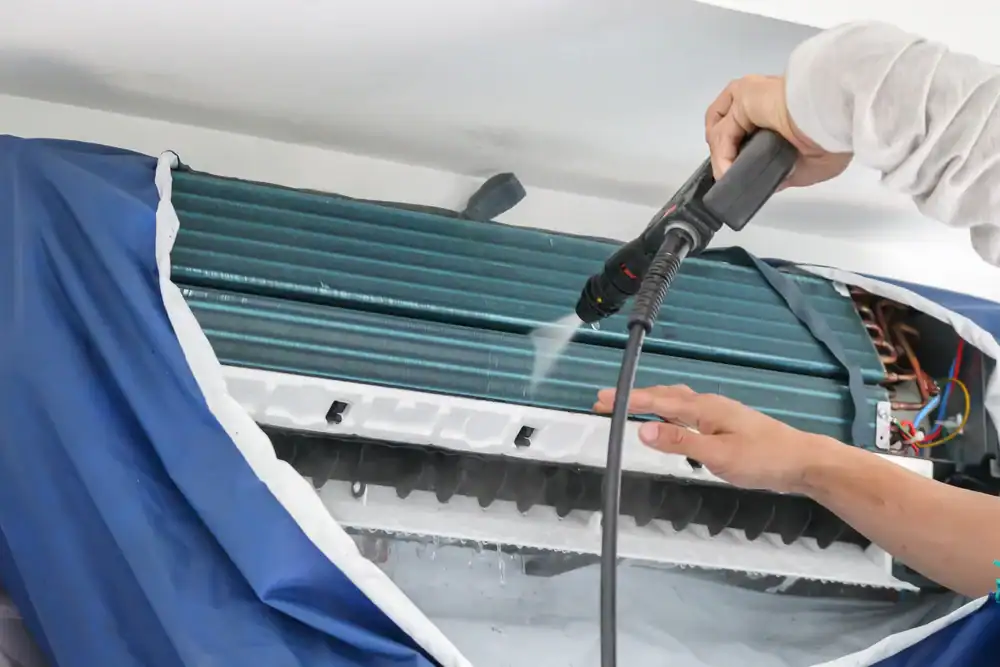
Next comes a full inspection of electrical components—capacitors, contactors, wiring connections. These parts fail over time, and catching them early prevents a complete system shutdown. We also clean the condenser coils outside and the evaporator coils inside, because dirty coils force your system to run longer to reach the same temperature.
We test airflow, calibrate the thermostat, lubricate moving parts, and inspect the condensate drain line for clogs. Then we run the system through a complete cycle to make sure everything operates the way it should. You get a clear explanation of what we found, what we fixed, and whether anything needs attention down the road.
The whole process takes about an hour, and you walk away knowing your system is ready for summer.

Ready to get started?
Your AC maintenance covers the components that actually affect performance and longevity. We’re checking and cleaning the parts that fail when they’re neglected.
That includes a full inspection of your compressor, blower motor, and fan blades. We’re testing voltage and amperage on electrical connections, tightening anything that’s loose, and replacing worn components before they fail. The air filter gets changed, the condensate drain gets cleared, and both sets of coils get cleaned so air moves through your system the way it’s designed to.
In Jackson, where summer humidity makes your AC work overtime, that condensate drain matters more than most homeowners realize. A clogged drain can cause water damage inside your home or shut your system down completely. We make sure it’s clear.
You’re also getting a refrigerant check. Systems lose refrigerant slowly over time, and when levels drop, your AC runs constantly without cooling effectively. We top it off if needed and check for leaks that could cause bigger problems later.
This isn’t a quick visual check—it’s a thorough tune-up that keeps your system running efficiently and helps it last years longer than a neglected unit would.

Once a year, ideally in spring before cooling season starts. That timing lets you catch problems before you actually need your AC running every day.
Most homeowners schedule maintenance in April or May. You’re beating the rush, so you get better availability and faster service. And if we find something that needs repair, you have time to address it before the first heat wave hits.
If you have a heat pump that runs year-round, twice-a-year maintenance makes more sense—once in spring and once in fall. But for a standard central air system that only runs in summer, annual service is enough to keep it in good shape. Skipping maintenance entirely costs you efficiency every year. Systems lose about 5% efficiency annually when they’re not maintained, which means higher bills and a shorter lifespan.
Most AC tune-ups in New Jersey run between $85 and $170, depending on what’s included and whether you have a maintenance agreement. A one-time service call typically costs more than joining a maintenance plan that covers annual visits.
We provide upfront pricing before starting any work, so you know exactly what you’re paying. There are no hidden fees or surprise charges after the fact.
The cost of maintenance is small compared to what you’d pay for emergency repairs or early system replacement. A neglected AC that fails after 10 years instead of lasting 15 means you’re buying a new system years earlier than necessary. And emergency repair calls in the middle of summer—when you’re competing with every other homeowner whose AC just died—cost significantly more than scheduled maintenance ever would.
It can’t prevent every possible failure, but it catches most problems before they become emergencies. That’s the whole point.
During a maintenance visit, we’re inspecting components that commonly fail—capacitors, contactors, fan motors, refrigerant levels. If something is wearing out or starting to fail, we find it while your system is still running. You can schedule a repair at your convenience instead of dealing with a complete breakdown on the hottest day of the year.
Small issues escalate quickly when they’re ignored. A refrigerant leak that goes unnoticed forces your compressor to work harder, which shortens its lifespan and eventually causes a failure that costs thousands to fix. A dirty coil makes your system run longer to reach the set temperature, which wears out other components faster. Regular maintenance stops that cascade before it starts. You’re not eliminating every risk, but you’re dramatically reducing the chances of an expensive, inconvenient failure.
Yes, by 5-10% on average, because a clean, well-maintained system doesn’t have to work as hard to cool your home. That difference adds up fast during a New Jersey summer.
When coils are dirty, airflow is restricted, and your AC runs longer to reach the temperature you set. When refrigerant is low, the system struggles to remove heat efficiently. When electrical connections are loose or corroded, motors work harder than they should. All of that costs you money every month in higher electricity bills.
Maintenance fixes those inefficiencies. Clean coils, proper refrigerant levels, and well-lubricated moving parts mean your system reaches your desired temperature faster and cycles off sooner. In Jackson, where electricity rates are climbing toward 19 cents per kilowatt-hour, that 5-10% reduction in energy use translates to real savings. Over the lifespan of your system, regular maintenance pays for itself several times over just in lower utility costs—not even counting the money you save by avoiding major repairs.
We explain what we found, why it matters, and what it’ll cost to fix. Then you decide whether to handle it now or later.
Some issues need immediate attention—like a refrigerant leak that’s affecting performance or an electrical component that’s about to fail. Other things can wait if your budget is tight, though we’ll be clear about the risks of delaying the repair.
You always get transparent pricing before we do any work beyond the maintenance visit itself. No surprise charges, no pressure to approve repairs you don’t understand. If something needs fixing and it’s covered under your system’s warranty, we’ll let you know that too. Our job is to give you the information you need to make a smart decision about your HVAC system, not to upsell you on things you don’t need. Most maintenance visits don’t turn up major problems—that’s actually the goal. Catching small issues early means you’re usually looking at minor repairs, not expensive emergencies.
You can handle some basic tasks like changing filters, but a real tune-up requires tools, training, and licensing that most homeowners don’t have. Refrigerant work alone requires EPA certification.
Checking refrigerant levels, testing electrical components, cleaning coils properly, and calibrating controls aren’t DIY jobs. You need gauges, meters, and an understanding of how HVAC systems actually work. Trying to service your own AC without that knowledge usually means missing problems that will cost you later—or accidentally causing damage that turns a simple tune-up into an expensive repair.
Professional maintenance also keeps your warranty valid. Most manufacturers require documented annual service by a licensed technician. If you skip it and something fails, you might be paying out of pocket for a repair that would’ve been covered. The cost of professional maintenance is small compared to the value you get—longer system life, lower energy bills, fewer breakdowns, and warranty protection. It’s not about whether you’re capable of changing a filter. It’s about whether you have the expertise and equipment to actually inspect and service the system correctly.