Reviews
You’re not just getting a tune-up. You’re avoiding the panic of losing cooling during a heat wave when temperatures hit the 90s and humidity makes everything worse.
Most AC failures happen in July and August. The ones that could’ve been prevented with a simple inspection in spring. When your system goes down during peak summer, you’re looking at emergency rates, limited technician availability, and days of discomfort while you wait for parts.
Annual AC maintenance costs $100 to $250. Emergency repairs start at $1,500 and climb fast from there. The math isn’t complicated. A yearly tune-up also cuts your energy bills by 5-15%, which adds up to $150-$300 in savings for most Hazlet homes. Your system runs cleaner, works less hard, and lasts years longer than one that’s neglected.
AME Plumbing Heating and Cooling is based right here in Monmouth County. We’re licensed, insured, and we’ve seen what happens to AC systems in this climate. The humidity from Raritan Bay, the salt air, the strain of cooling homes that were built before energy efficiency was a priority.
We know what breaks first. We know what parts corrode faster near the shore. And we know that when you call for service, you want someone who shows up on time, explains what’s wrong in plain language, and charges you exactly what we quoted. No surprises, no pressure, no runaround.
You’ll get upfront pricing before any work starts. You’ll work with licensed professionals who do this every day. And if something goes wrong after hours, we’re available 24/7 because AC emergencies don’t wait for business hours.
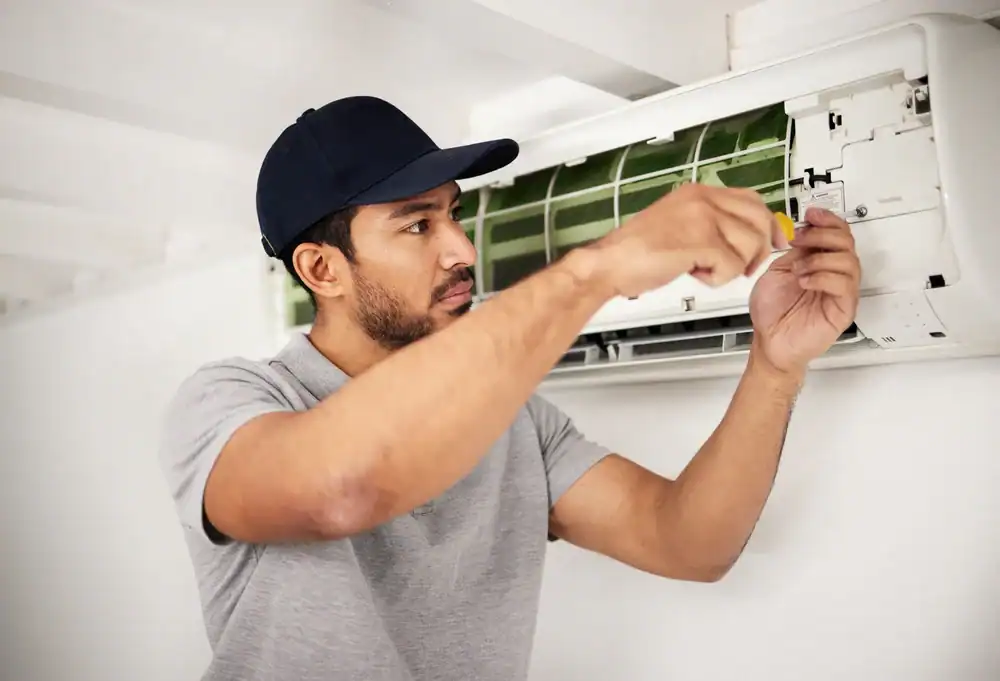
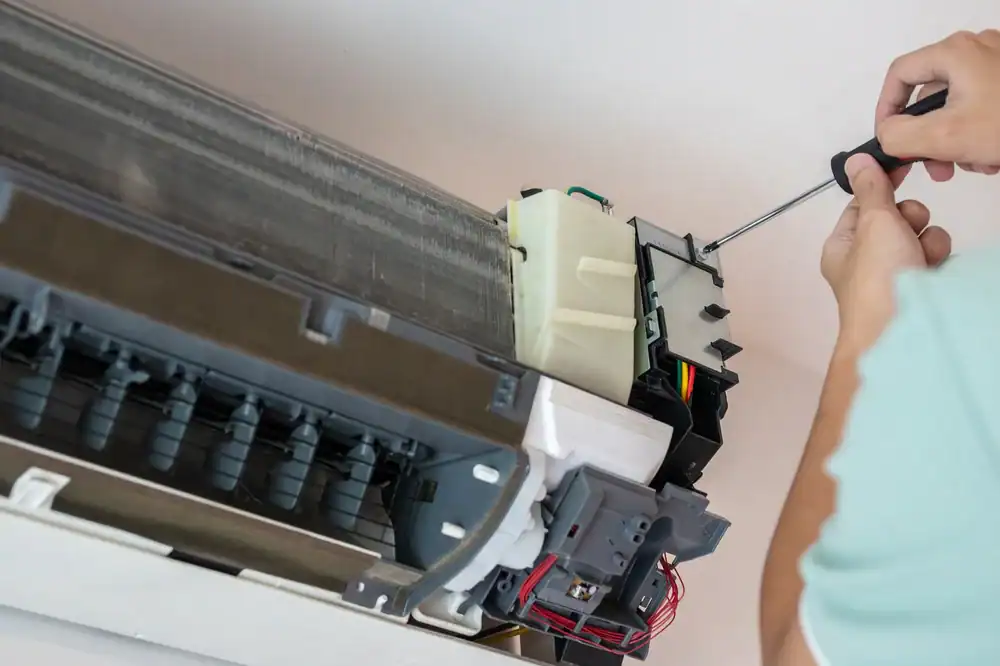
First, we check your thermostat calibration and settings to make sure your system is actually responding the way you think it is. Then we inspect electrical connections, tighten anything loose, and measure voltage and current on motors. Faulty electrical connections are a fire risk and cause equipment failure.
Next comes the condensate drain. In Hazlet’s humid climate, these clog constantly and cause water damage or system shutdowns. We clear it, check the pan, and make sure water flows where it should.
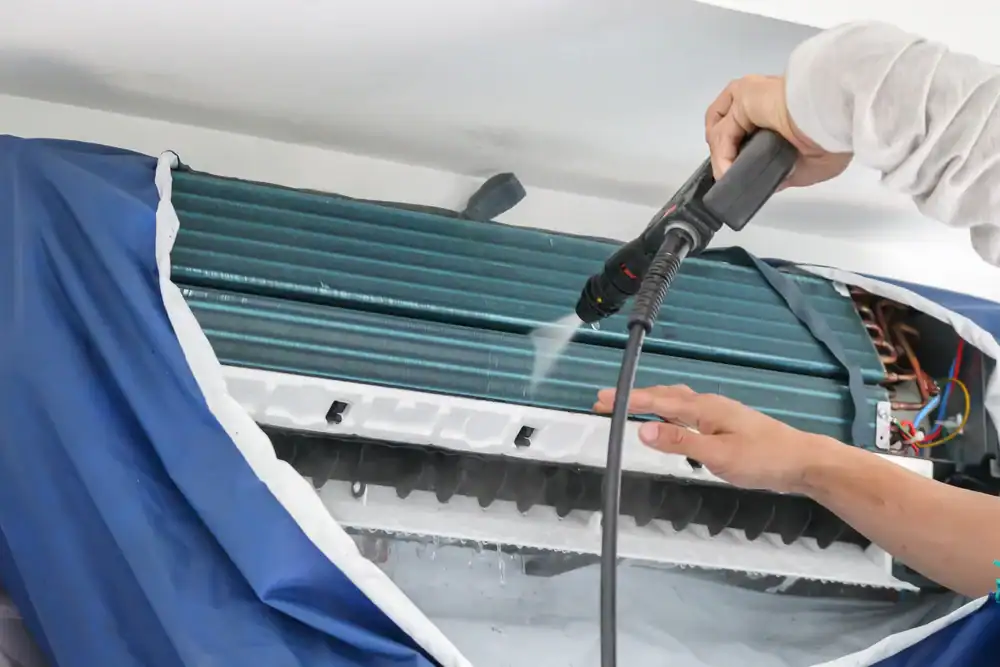
We clean or replace your air filter, inspect the evaporator and condenser coils, and clean them if needed. Dirty coils make your system work harder and waste energy. We check refrigerant levels and look for leaks. Low refrigerant means poor cooling and potential compressor damage.
Finally, we test the blower motor, lubricate moving parts, inspect the cabinet and ductwork for leaks, and run the system through a full cooling cycle to confirm everything works properly. You get a clear report of what we found, what we fixed, and what might need attention down the road. No sales pitch, just facts.

Ready to get started?
You’re getting a complete hvac system inspection that covers every component that affects performance, efficiency, and safety. That includes checking refrigerant levels, testing electrical systems, cleaning coils, clearing drain lines, replacing filters, and calibrating controls.
Living near the coast means your outdoor unit faces salt air and moisture that accelerate corrosion. We inspect for rust, check protective coatings, and catch problems before they turn into expensive replacements. Homes in Hazlet also deal with higher humidity levels that stress your system differently than dry climates. Your AC has to remove moisture and cool air, which is harder work than just cooling.
If your home was built before modern insulation standards, your system works even harder. We look at the whole picture, not just individual parts. Sometimes the issue isn’t the equipment, it’s how it’s being used or what it’s fighting against. We’ll tell you if we see something that’s making your system work harder than it should, whether that’s a ductwork leak, a thermostat placement issue, or something else you can actually fix.

Once a year, ideally in spring before you need cooling. April or May is perfect timing.
You want maintenance done before the summer rush when temperatures spike and everyone suddenly remembers their AC hasn’t been serviced. Scheduling early means better availability, no waiting, and sometimes better pricing. It also gives you time to address any problems we find before you actually need the system running every day.
If you wait until June or July, you’re competing with emergency calls and other homeowners who are already sweating. And if we find something that needs a part, you might be waiting days in the heat. Spring maintenance means you’re ready when the first heat wave hits.
We stop, explain what we found, tell you what it means, and give you a price to fix it before doing anything.
You’ll never get surprise charges. If it’s something minor we can handle on the spot, we’ll let you know the cost and get your approval. If it’s bigger, we’ll explain your options, what happens if you wait, and what we recommend. Some things are urgent, some can wait, and we’ll be straight with you about which is which.
You’re not obligated to fix everything immediately. But you’ll leave knowing exactly what’s going on with your system and what to expect. That’s worth something when you’re trying to budget and plan.
Yes. A well-maintained system uses 5-15% less energy than a neglected one.
For a typical Hazlet home, that’s $150-$300 in annual savings. The biggest energy drains are dirty coils, low refrigerant, clogged filters, and poor airflow. All of those make your compressor run longer and work harder to achieve the same cooling.
When we clean coils, check refrigerant, replace filters, and optimize airflow, your system reaches the temperature you want faster and cycles off sooner. That’s less runtime, less electricity, and lower bills every month you’re running AC. Over the 10-15 year life of your system, that adds up to thousands of dollars.
Yes. Our maintenance plan members get priority scheduling and discounted rates on all services.
That means when you call, you move to the front of the line. During heat waves or busy seasons, that’s the difference between same-day service and waiting three days. Members also pay less for repairs and additional services throughout the year.
The plan includes your annual AC tune-up, plus the same for your heating system if you want full HVAC coverage. You’re basically pre-paying for maintenance at a lower rate and getting perks on top. If you own your home and plan to stay a while, it pays for itself quickly.
You can handle filters and basic cleaning. Everything else should be done by a licensed technician.
Changing your filter every 1-3 months is something you should do yourself. Keeping the area around your outdoor unit clear of debris, leaves, and plants is also on you. But checking refrigerant, testing electrical connections, measuring airflow, and calibrating controls requires tools, training, and licensing.
Refrigerant handling is regulated. Electrical work is dangerous if you don’t know what you’re doing. And if you miss something during a DIY inspection, you could end up with a breakdown that costs way more than professional maintenance would have. We’re not saying this to create work for ourselves. We’re saying it because we’ve seen what happens when homeowners try to save $150 and end up with a $3,000 problem.
Salt air and humidity cause faster corrosion and more strain on your system than inland areas face.
Your outdoor condenser unit is constantly exposed to moisture and salt carried in from Raritan Bay. That corrodes metal components, degrades protective coatings, and shortens equipment life if not monitored. We check for rust, inspect coil fins, and look at electrical connections that are prone to corrosion in coastal climates.
The humidity also means your AC works harder to dehumidify, not just cool. That puts extra load on the compressor and evaporator. We make sure your condensate drain is clear because it handles more water volume here than in drier parts of the state. These aren’t things every HVAC company thinks about, but they matter if you want your system to last.