Reviews
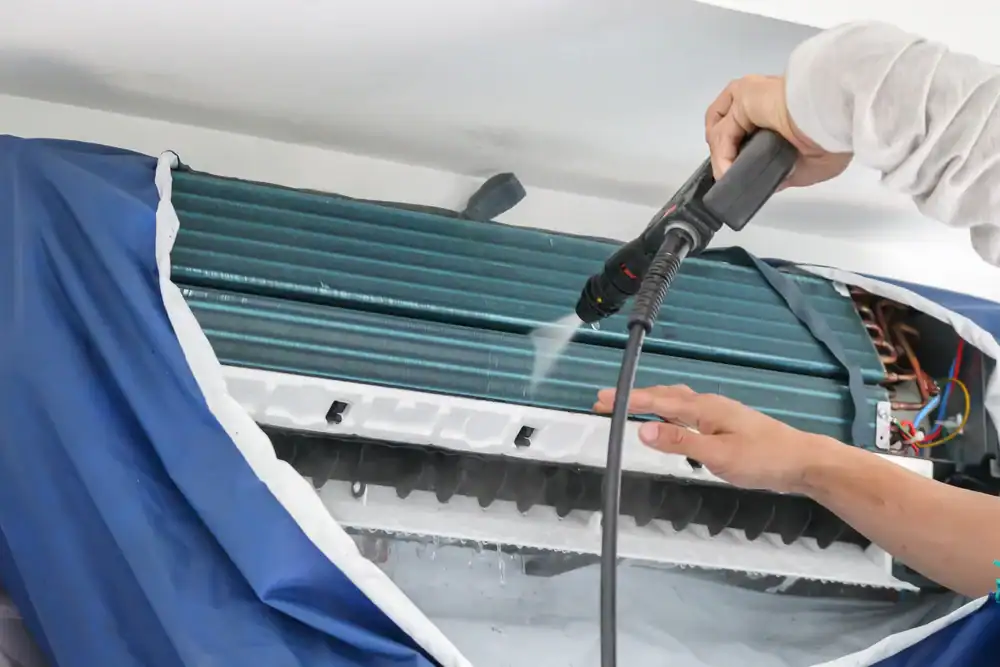
Here’s what actually happens when your air conditioner doesn’t get maintained. Dirt builds up on coils and filters. Efficiency drops. Your system works harder to cool the same space, driving up your electric bill every month. Parts wear faster under the extra strain.
Then summer hits. Temperatures push past 95 degrees with humidity that makes it feel like 110. That’s when systems fail. And that’s when every HVAC company in Monmouth County is booked solid with emergency calls.
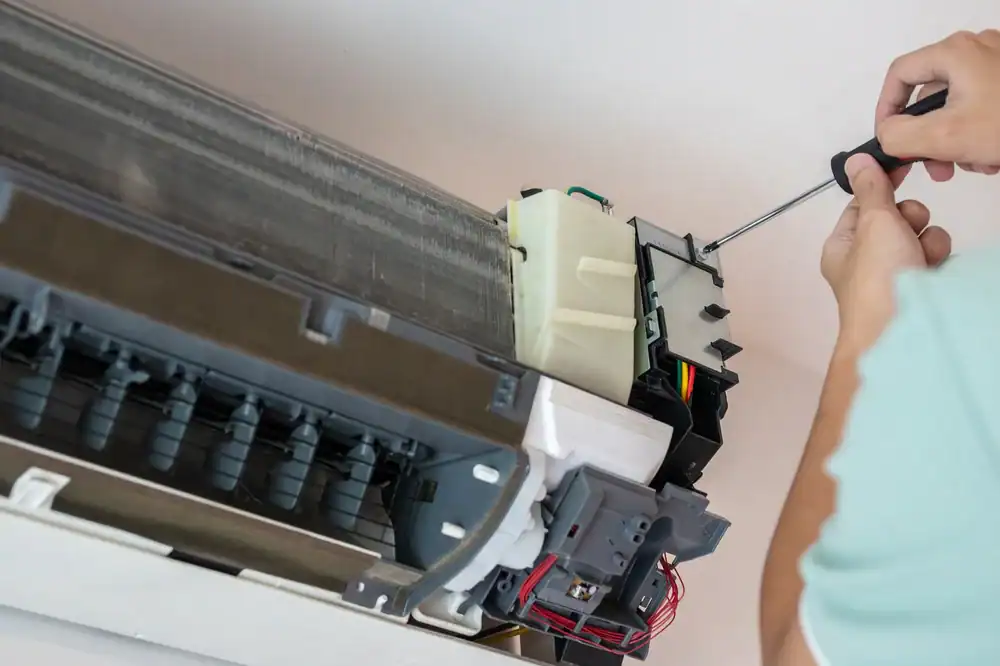
Regular ac tune-up service prevents this. A technician cleans the components that accumulate debris, checks refrigerant levels, tests electrical connections, and spots worn parts before they fail. Your system runs efficiently. Your home stays comfortable. You avoid the panic of a breakdown during a heatwave when repair costs spike and wait times stretch for days.
Most homeowners in Englishtown can expect to pay between $100 and $250 for professional air conditioner service. Compare that to emergency repairs that often run $500 to $1,500 or more when a major component fails at the worst possible time.
We operate right here in Monmouth County. We know what New Jersey summers do to AC systems because we’ve been servicing them for years in this exact climate.
Our technicians are licensed and insured. They show up on time, explain what they’re doing, and give you upfront pricing before any work starts. No surprise charges. No pressure tactics to sell you equipment you don’t need.
When you call, you’re talking to people who live and work in this area. We’re available 24/7 for emergencies because we understand that AC problems don’t wait for business hours. You get the same transparent service whether it’s a routine hvac system inspection or an urgent repair at 2 AM.
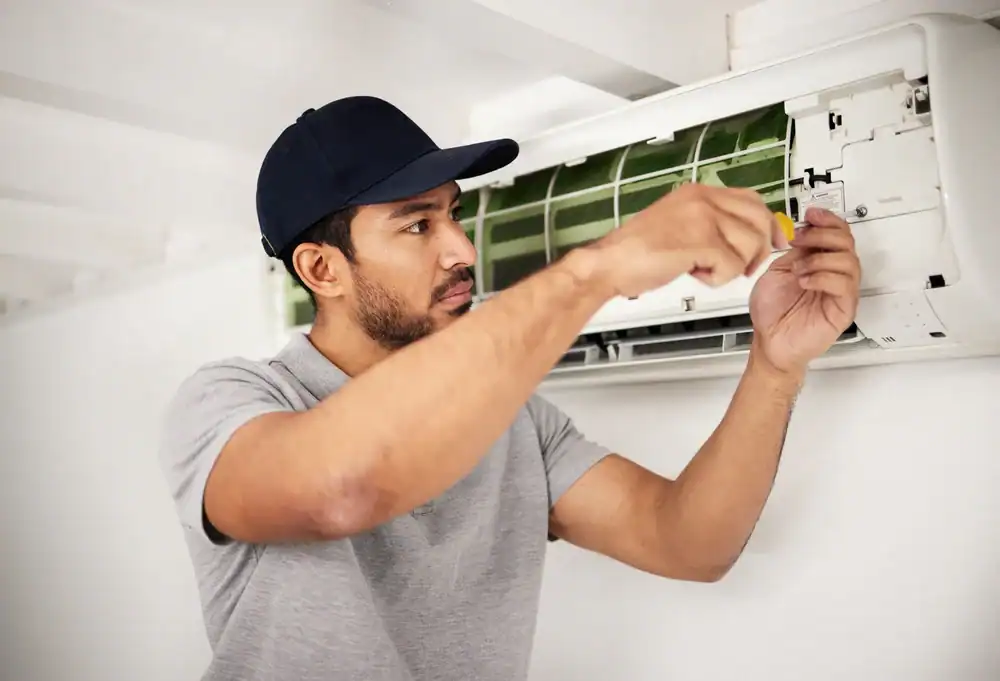
Schedule your hvac cleaning service before summer starts. You’ll get faster availability and your system will be ready when temperatures climb.
A technician arrives at your scheduled time. They start with your thermostat, making sure it’s reading accurately and communicating properly with your system. Then they move outside to your condenser unit.
The outdoor unit gets the most attention. Coils are cleaned of dirt, pollen, and debris that accumulated over the past year. Refrigerant levels are checked and adjusted if needed. Electrical connections are tightened. The fan motor is inspected for wear.
Inside, your air handler gets similar treatment. Filters are replaced. The evaporator coil is checked for ice buildup or dirt. Condensate drains are cleared so water flows properly and doesn’t back up into your home.
The whole ac inspection takes about an hour for a standard residential system. You get a clear explanation of what was found, what was done, and whether anything needs attention soon. If a part is wearing out, you’ll know before it fails.

Ready to get started?
Your air conditioner service covers everything that affects performance and reliability. Coils get cleaned because even a thin layer of dirt reduces efficiency by up to 20%. Refrigerant is tested because low levels make your system work harder without cooling effectively.
Electrical components matter more than most people realize. Loose connections create resistance, generate heat, and can lead to compressor failure. That’s a $1,500+ repair that a $15 tightening could have prevented.
In Englishtown and throughout Monmouth County, humidity is brutal on AC systems. Condensate drains clog with algae and mold. When they back up, water damages ceilings and walls. We clear these drains and treat them to prevent growth.
Filter replacement is included. A clean filter improves your indoor air quality and protects your system from dust that would otherwise coat internal components. Most systems need a new filter every 30 to 90 days depending on usage and whether you have pets.
You also get a safety check. Carbon monoxide testing if you have a gas furnace. Electrical safety verification. Proper airflow measurements. These aren’t just checkboxes. They’re the difference between a system that lasts 15 years and one that fails at 8.

Once a year, ideally in spring before cooling season starts. That timing gives you two advantages.
First, you catch problems before you need your AC. A worn capacitor or low refrigerant level won’t leave you sweating through a July heatwave. Second, you get better availability and often better pricing because it’s before the summer rush when every HVAC company is slammed with emergency calls.
If you run your system heavily or have an older unit, twice-yearly service makes sense. Many commercial clients in Monmouth County do this because downtime costs them more than the extra maintenance visit. For most residential systems, annual service is sufficient as long as you’re changing filters regularly between visits.
Your system will still run. For a while. But efficiency drops every month as dirt accumulates and components wear.
Research shows that over 50% of AC repair calls could have been prevented with regular maintenance. You’re not just risking a breakdown. You’re guaranteeing higher electric bills because a dirty system uses more power to produce less cooling.
Manufacturer warranties often require proof of annual maintenance. Skip it and you might void your coverage right when you need it most. A compressor replacement that would have been covered suddenly costs you $2,000 out of pocket.
The bigger risk is a failure during peak summer. When it’s 100 degrees outside and your AC quits, you’re not just uncomfortable. You’re competing with hundreds of other emergency calls. Wait times can stretch to several days. Hotels fill up. And emergency service rates are higher than scheduled maintenance ever costs.
Most homeowners in the area pay between $100 and $250 for a complete hvac system inspection and tune-up. The exact price depends on your system size, accessibility, and whether any refrigerant needs to be added.
That cost includes cleaning, testing, adjustments, and a new filter. Compare that to the average AC repair call, which starts around $300 and goes up quickly if parts need replacing. A failed capacitor runs $150 to $400. A compressor replacement can hit $2,000 or more.
The energy savings alone often cover your maintenance cost. A well-maintained system runs 15% to 20% more efficiently than a neglected one. On a $200 monthly summer electric bill, that’s $40 in savings. Over a three-month cooling season, you’ve nearly paid for the maintenance just in lower utility costs.
We provide upfront pricing before starting any work. No hidden fees. No surprise charges. You know exactly what you’re paying before we touch your system.
You can handle some basic tasks. Change your filter monthly. Keep debris away from your outdoor unit. Make sure vents aren’t blocked inside your home. These simple steps help your system run better between professional visits.
But a complete ac tune-up requires specialized tools and knowledge. Checking refrigerant levels needs gauges and certification because refrigerant is regulated. Testing electrical components safely requires understanding of HVAC electrical systems. Cleaning coils properly without damaging the delicate fins takes the right equipment and technique.
There’s also the diagnostic aspect. An experienced technician spots problems you wouldn’t notice. A capacitor that’s weakening but hasn’t failed yet. A bearing that’s starting to wear. A drain line that’s partially clogged. Catching these early prevents expensive emergency repairs later.
Most importantly, DIY maintenance doesn’t satisfy warranty requirements. Manufacturers want documented professional service. Without it, you risk voiding coverage on expensive components.
Maintenance is preventive. Nothing is broken. A technician cleans components, checks for wear, makes adjustments, and ensures everything is working as designed. The goal is to keep your system running efficiently and catch small issues before they become big problems.
Repair is reactive. Something has already failed or is failing. Your AC isn’t cooling properly, is making strange noises, or has stopped working entirely. Repairs cost more because parts need replacing and the work is often more urgent.
Here’s a practical example. During maintenance, a technician notices your capacitor is testing weak. It still works, but it’s near the end of its life. You can replace it for $150 during this scheduled visit. If you skip maintenance and that capacitor fails in July, you’re looking at an emergency service call, higher labor rates, and days without AC while you wait for availability. Same part, but now it costs $400 and comes with major inconvenience.
Annual air conditioner service is about avoiding repairs altogether. Most maintenance visits find nothing wrong. That’s actually the best outcome because it means your system is healthy and you’re preventing future problems.
April or May, before temperatures spike and everyone else calls for service. You get your pick of appointment times instead of waiting days or weeks for an opening.
Early scheduling also means your system is ready when the first heatwave hits. New Jersey weather can go from mild to sweltering fast. You don’t want to discover a problem on the first 90-degree day when every HVAC company is suddenly booked solid.
There’s a practical cost advantage too. Some companies, including us, offer pre-season specials or discounts for early scheduling. You’re helping us fill our calendar during slower months, and we pass savings along.
If you miss the spring window, don’t skip maintenance entirely. Late summer or early fall works too. Your system has been running hard all summer, so a post-season inspection catches any wear that developed during heavy use. That way you’re not starting next cooling season with hidden problems waiting to fail.