Reviews
Your air conditioner works harder in East Freehold than in most places. The humidity here doesn’t just make you uncomfortable—it forces your system to run longer cycles, pull more power, and wear down faster. When you skip maintenance, you’re not just risking a breakdown. You’re watching your energy bills climb while your system struggles to keep up.
A proper AC tune-up changes that. Your system runs cleaner, pulls less energy, and catches small problems before they turn into expensive emergencies. You’re not just avoiding a service call in July—you’re adding years to your equipment and keeping your home comfortable without the constant worry that something’s about to fail.
Most homeowners in Monmouth County save between 5% and 15% on cooling costs after a single tune-up. That’s not marketing talk—that’s what happens when your system isn’t fighting against clogged filters, dirty coils, and refrigerant issues. You get the cooling you paid for without the waste.
We’re based right here in Monmouth County. We’re licensed, insured, and we’ve spent years learning how coastal humidity and Jersey weather affect HVAC systems. When you call us, you’re working with techs who’ve seen what happens when systems aren’t maintained—and what it takes to keep them running.
We don’t upsell. We don’t push replacements when a repair will do. We show up, inspect your system thoroughly, tell you what we found, and give you upfront pricing before we touch anything. If there’s a problem, we explain it in plain terms. If your system’s fine, we tell you that too.
We’re available 24/7 for emergencies because we know breakdowns don’t wait for business hours. But honestly, most of our maintenance customers don’t need emergency service—that’s the whole point.
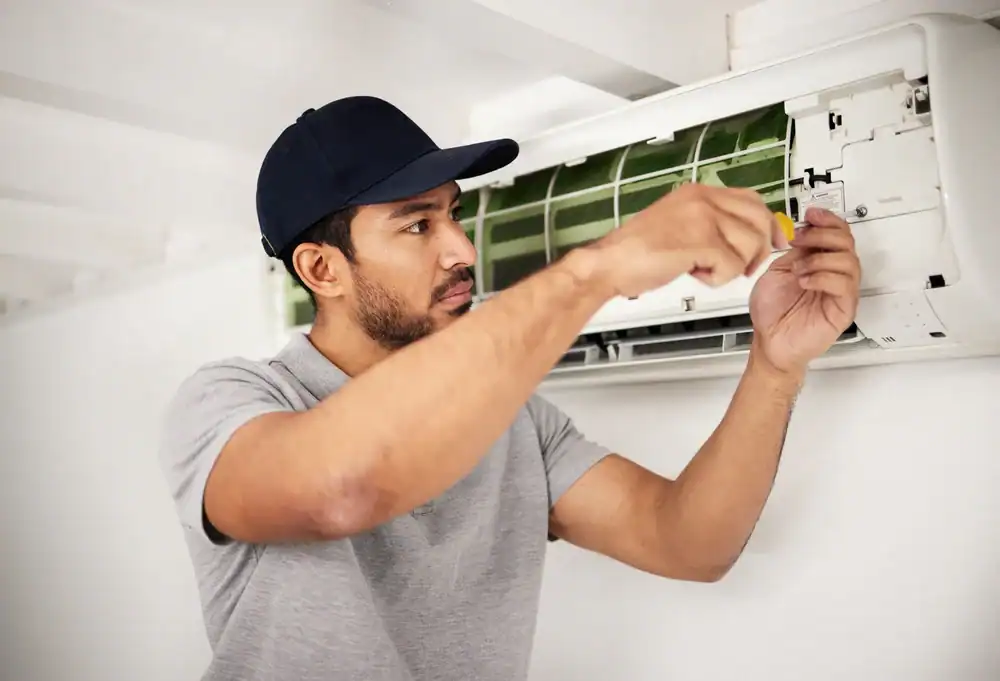
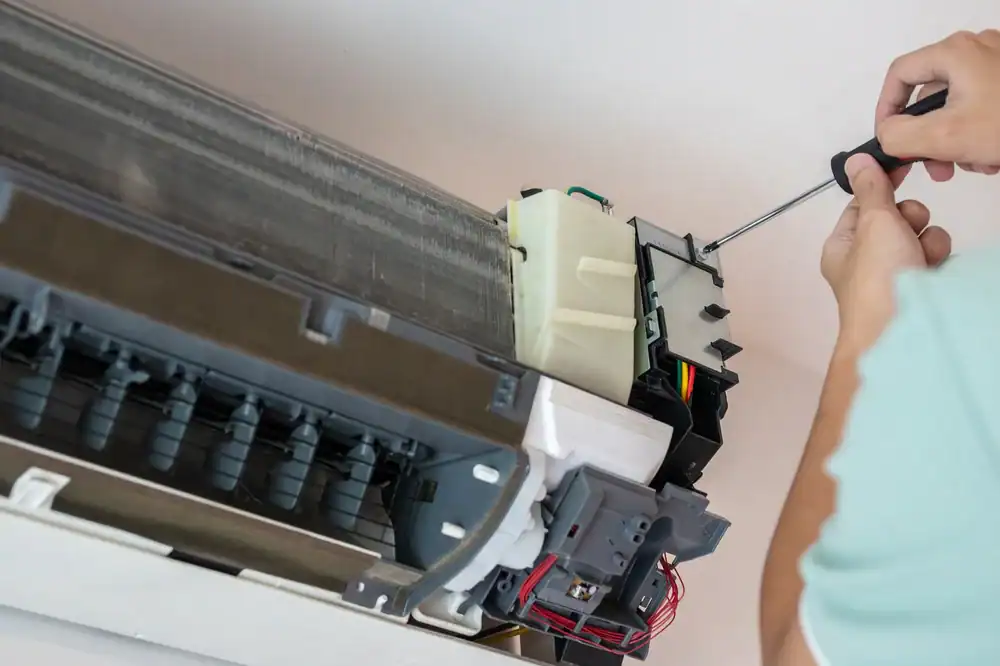
We start with a complete system inspection. That means checking your thermostat calibration, inspecting electrical connections, testing your capacitor and contactor, and measuring refrigerant levels. We’re looking for anything that’s wearing down or running inefficiently.
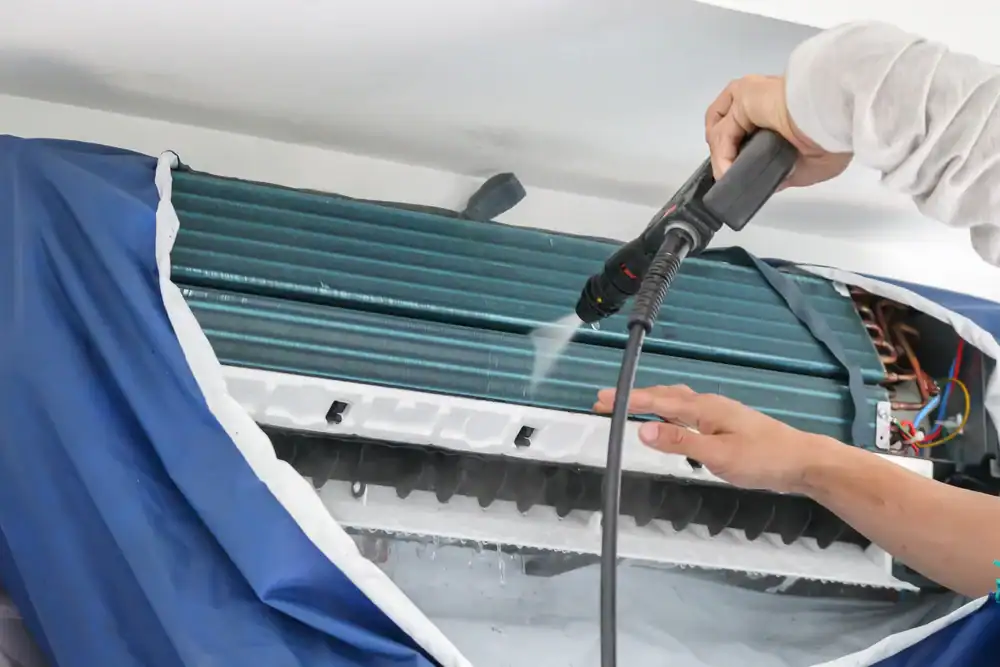
Next, we clean your condenser coils and check your drain line. In East Freehold’s humidity, that drain line clogs faster than you’d think. A clogged line means water damage and system shutdowns—easy to prevent, expensive to ignore. We also inspect your air filter and ductwork for blockages that make your system work harder than it should.
After that, we test your system under load. We want to see how it performs when it’s actually working, not just when it’s sitting idle. We measure airflow, check for unusual sounds, and verify that your system is hitting the temperatures it should. If something’s off, we catch it here.
Before we leave, we walk you through what we found. If your system’s in good shape, we tell you. If there’s a repair worth making now to avoid a bigger problem later, we explain why and give you a clear price. No pressure, no surprises—just information you can use to make the right call.

Ready to get started?
Every AC maintenance visit includes a full system inspection, coil cleaning, refrigerant check, electrical testing, and drain line clearing. We’re not just changing a filter and calling it done—we’re going through the components that actually affect performance and lifespan.
In East Freehold, humidity puts extra strain on your evaporator coil and drain system. We clean both, because a dirty coil makes your system run longer, and a clogged drain means water where it shouldn’t be. We also check your blower motor, test your capacitor, and tighten any electrical connections that have loosened over time.
You’ll get a clear report of what we found and what condition your system’s in. If your filter needs replacing between visits, we’ll tell you. If your ductwork is leaking conditioned air into your attic, we’ll show you where. We’re not looking for extra work—we’re making sure you know what’s happening with your system so you can plan accordingly.
Most homeowners in Monmouth County schedule maintenance twice a year—once before cooling season, once before heating season. Your system lasts longer that way, and you’re far less likely to deal with an emergency breakdown when you actually need your AC.

Twice a year is the standard recommendation—once in spring before cooling season, and once in fall before you switch to heating. That schedule makes sense in East Freehold because your system works hard in both summer and winter. Humidity in August and cold snaps in January put real stress on your equipment.
If you only want to schedule once a year, do it in spring. That’s when you catch problems before you’re relying on your AC daily. A spring tune-up means your system is clean, charged, and ready before the first heat wave hits.
Some homeowners skip maintenance entirely and only call when something breaks. That’s the expensive route. A breakdown in July means emergency rates, limited availability, and often a bigger repair bill because small problems had time to turn into large ones. Maintenance costs less than repairs, and it keeps your system running when you actually need it.
Your system works harder, uses more energy, and wears out faster. Dirty coils make your compressor run longer to reach the same temperature. Clogged filters restrict airflow and force your blower motor to strain. Low refrigerant means your system can’t cool effectively, so it just runs continuously without ever satisfying the thermostat.
In East Freehold’s humidity, you’ll also see more problems with your drain line and indoor air quality. Excess moisture leads to mold in your ductwork, musty smells, and that sticky feeling that makes your home uncomfortable even when the AC is running. Your system might be working—it’s just not working well.
The bigger issue is lifespan. An air conditioner that’s maintained regularly lasts 10 to 15 years. One that’s neglected might make it 7 or 8 years before you’re looking at replacement. That’s thousands of dollars in lost value because you skipped a $150 tune-up. And you’ll pay more in energy costs the entire time.
Yes, and the savings are measurable. A clean system with proper refrigerant levels and unrestricted airflow uses 5% to 15% less energy than one that’s dirty or low on refrigerant. That’s not a small difference—it’s $10 to $30 per month during cooling season for most East Freehold homes.
The reason is simple: your system doesn’t have to work as hard. Clean coils transfer heat more efficiently. A clean filter allows proper airflow. Correct refrigerant levels mean your compressor isn’t running extra cycles to compensate for a leak. All of that adds up to a system that reaches your set temperature faster and shuts off instead of running continuously.
You’ll see the difference on your utility bill, but you’ll also feel it in your home. A well-maintained system cools more evenly, handles humidity better, and doesn’t leave you with hot spots or that clammy feeling that makes you keep lowering the thermostat. You’re more comfortable and you’re spending less to get there.
We check everything that affects performance and safety. That includes your thermostat calibration, electrical connections, capacitor, contactor, refrigerant levels, condenser coils, evaporator coils, blower motor, drain line, air filter, and ductwork. We’re looking for wear, damage, leaks, blockages, and anything that’s keeping your system from running efficiently.
We also test your system under load to see how it performs when it’s actually cooling your home. We measure airflow at your vents, check for unusual sounds or vibrations, and verify that your system is reaching the temperatures it should. If your compressor is struggling or your blower motor is drawing too much current, we catch it during this test.
The inspection takes about an hour for most systems. When we’re done, you get a clear explanation of what we found. If your system’s in good shape, we tell you that. If there’s a repair that’ll prevent a bigger problem down the road, we explain what it is, why it matters, and what it costs. You decide what makes sense—we just give you the information.
Yes, because most problems don’t announce themselves until they’ve already caused damage. Your system might be cooling your home right now, but if it’s low on refrigerant, your compressor is working overtime and wearing out faster. If your coils are dirty, you’re paying more for less cooling. If your drain line is partially clogged, you’re one heavy rain away from water damage.
Maintenance catches those issues while they’re still small. A refrigerant leak costs $150 to fix if we catch it during a tune-up. If you wait until your system stops cooling in July, you might be looking at a failed compressor and a $2,000 repair. A clogged drain line takes ten minutes to clear during maintenance. If it backs up and floods your air handler, you’re dealing with water damage and mold remediation.
The other reason maintenance is worth it: your system lasts longer. You paid thousands of dollars for your AC. Regular maintenance is how you protect that investment and avoid replacing it years earlier than you should have to. It’s not exciting, but it’s a lot cheaper than the alternative.
Yes, we’re available 24/7 for emergency service. If your AC fails during a heat wave or you’re dealing with a system that’s leaking water into your home, we’ll get someone out as quickly as possible. Emergency calls are prioritized, and we typically arrive within a few hours.
That said, most of our maintenance customers don’t need emergency service. That’s the point of regular tune-ups—you catch problems before they turn into emergencies. A capacitor that’s starting to fail gets replaced during maintenance, not at 9 PM on a Saturday when your house is 85 degrees.
If you do need emergency service, we’ll diagnose the problem, give you upfront pricing, and get your system running again. We carry common parts on our trucks, so many repairs are completed the same day. And if you’re a maintenance customer, you get priority scheduling and discounted rates. We take care of the people who take care of their systems.