Reviews
You’re not sweating through July when the humidity hits 80% and the temperature climbs into the 90s. Your system kicks on, cools the house down, and doesn’t struggle to keep up.
Your energy bills stay predictable instead of spiking because your AC isn’t working twice as hard to do half the job. The air feels comfortable, not sticky. You’re not calling for emergency repairs on the hottest weekend of the summer.
That’s what regular AC maintenance gets you. Not a sales pitch about “optimal performance”—just a system that does its job when you need it to. In Brielle, where coastal humidity makes every hot day feel hotter, that matters more than you might think.
Most systems lose about 5% efficiency every year you skip maintenance. That adds up. Not just in comfort, but in what you’re paying to run a system that’s working harder and delivering less.
AME Plumbing Heating and Cooling has been serving homeowners in Brielle and throughout Monmouth County for years. We’re licensed, insured, and local—not a franchise that sends whoever’s available.
You’re dealing with New Jersey’s climate, which means your HVAC system faces humid summers that can hit the 90s and winters that drop below 20°F. We’ve seen what that does to systems that aren’t maintained, and we’ve fixed enough emergency breakdowns to know what happens when people wait too long.
We show up on time, give you upfront pricing before we start, and explain what’s actually wrong without overselling you on things you don’t need. That’s how we’ve built our reputation here.
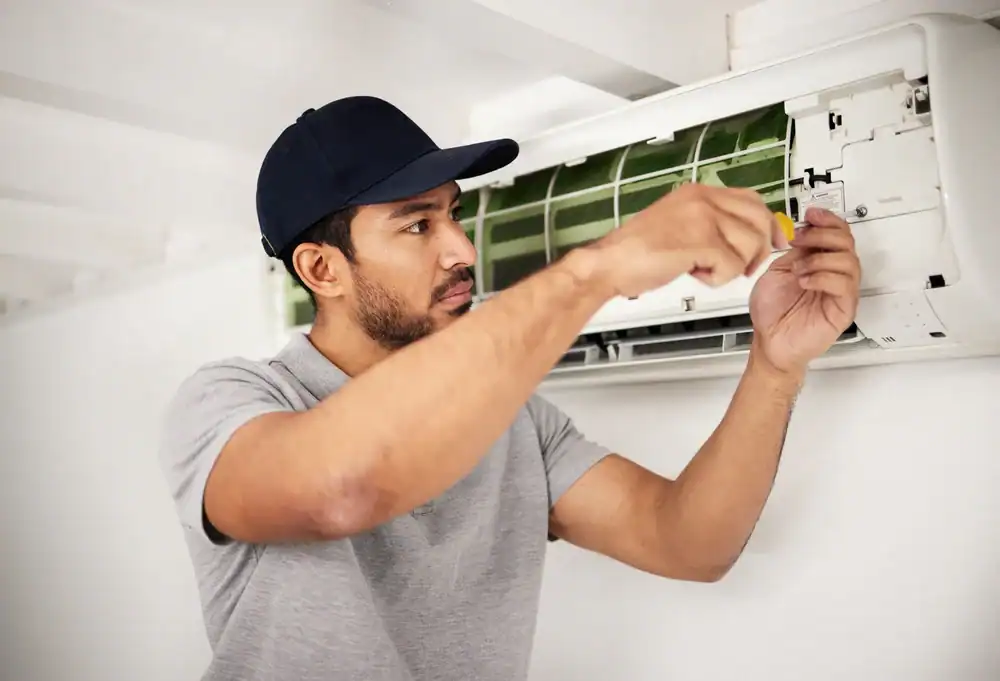
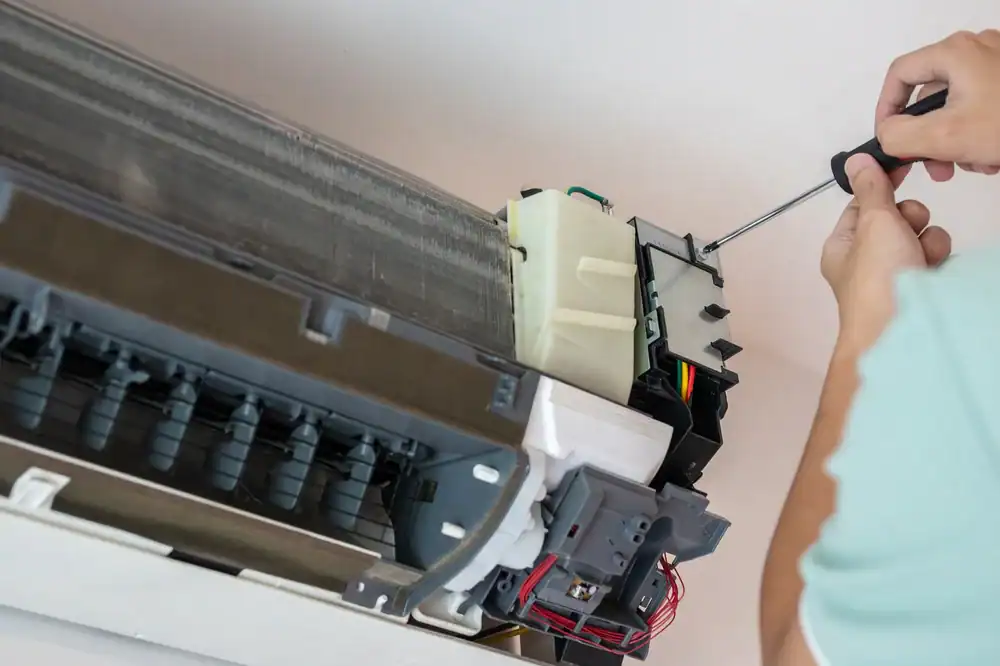
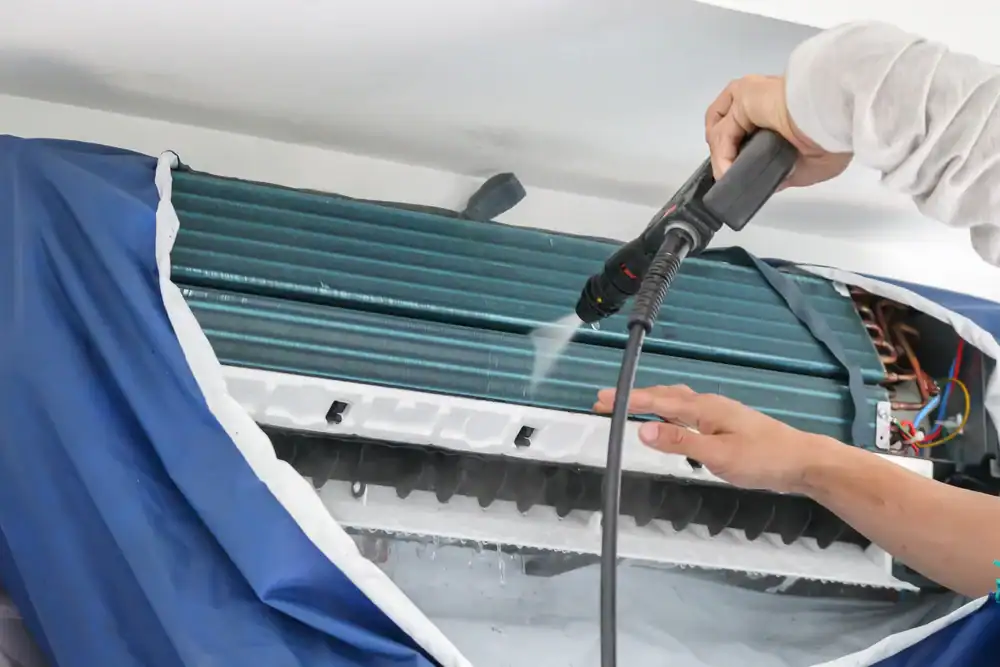
We start with an hvac system inspection that covers the components most likely to cause problems. That means checking refrigerant levels, because low refrigerant makes your system work harder and cool less. We inspect the condenser and evaporator coils for buildup—dust and debris reduce efficiency by forcing your system to run longer cycles.
We test the thermostat calibration to make sure it’s reading accurately and cycling your system at the right times. We check electrical connections, tighten anything that’s loose, and measure voltage and current on motors. Faulty electrical connections cause system failures and create safety risks.
The air filter gets inspected and replaced if needed. In Brielle’s humid climate, filters trap more moisture along with dust, which can lead to mold growth if left too long. We clean the condensate drain line to prevent clogs that cause water damage and humidity problems inside your home.
You get a clear explanation of what we found, what needs attention now, and what you should keep an eye on. No upselling. No scare tactics. Just the information you need to make a decision.

Ready to get started?
Your ac tune-up covers the full system—not just a quick filter change. We’re cleaning coils, checking refrigerant, testing electrical components, and making sure your system can handle what Brielle’s summer throws at it.
Coastal towns in Monmouth County see humidity levels between 70-80% on regular summer days. That moisture affects everything from how hard your AC works to how quickly mold can develop in your ductwork. We’re checking condensate drainage, inspecting for moisture buildup, and making sure your system is dehumidifying properly—not just cooling.
We test airflow across your system because restricted airflow makes your AC run longer cycles and wear out faster. We measure temperature differential between supply and return air to confirm your system is actually cooling efficiently. We inspect the outdoor unit for debris, vegetation, or anything blocking airflow around the condenser.
You also get a written report of what we found and what condition your system is in. That matters if you’re trying to decide whether to repair or replace, or if you need documentation for warranty claims. Most manufacturers require annual maintenance to keep warranties valid, and we provide the records you need.

Once a year, ideally in spring before you need your AC regularly. That timing matters because you want to catch problems before the first heat wave, not during it.
Scheduling in April or May means you’re not competing with everyone else who waited until their AC stopped working in July. You get better availability, and if we find something that needs repair, you have time to handle it before you’re uncomfortable.
Some homeowners with older systems or health concerns schedule twice a year—spring for cooling, fall for heating. That’s not necessary for most people, but it does catch small issues earlier and keeps both sides of your HVAC system in better shape. If your system is over 10 years old or you’ve had reliability issues, twice a year makes sense.
Your system loses about 5% efficiency every year you skip maintenance. That’s not a scare tactic—it’s what happens when dust builds up on coils, refrigerant levels drop slightly, and components start wearing unevenly.
You’ll notice it first in your energy bills. Your AC runs longer to reach the same temperature, which means higher costs every month through summer. Then you’ll notice comfort issues—some rooms stay warmer, humidity feels worse, or the system struggles on the hottest days.
Eventually, something breaks. A clogged condensate line floods your basement. A dirty coil freezes up. A worn contactor fails and your system won’t start. Those repairs cost more than maintenance would have, and they always seem to happen at the worst possible time. Most emergency calls we get in July and August are from systems that haven’t been maintained in years.
You can handle some basics—changing filters regularly, keeping debris away from your outdoor unit, making sure vents aren’t blocked. Those things help, and you should do them.
But a real ac inspection requires tools and knowledge most homeowners don’t have. Checking refrigerant levels means connecting gauges and knowing what the readings mean for your specific system. Testing electrical components safely requires a multimeter and understanding of HVAC electrical systems. Cleaning coils properly without damaging fins takes the right tools and technique.
There’s also a liability issue. If you’re not licensed and insured and something goes wrong—you damage the system, cause a refrigerant leak, or create an electrical hazard—you’re responsible for all of it. When we do the work, we’re licensed, insured, and accountable. Plus, most manufacturer warranties require professional maintenance to stay valid. DIY maintenance doesn’t count for warranty purposes.
Most air conditioner service runs between $80 and $150 for a standard residential system. That covers a complete inspection, cleaning, and minor adjustments—not repairs if we find something wrong.
If we find issues during the inspection, we’ll give you upfront pricing before doing any repair work. You’re never surprised by the bill. Some problems are minor—a worn contactor might cost $150 to replace. Others are more significant, like a refrigerant leak that needs repair and recharge.
Compare that maintenance cost to what you’re risking by skipping it. Emergency service calls start around $200 just to show up, and that’s before any actual repair work. A compressor failure can cost $1,500 to $2,500. A full system replacement runs $5,000 to $10,000 or more. Spending $100 to $150 once a year to avoid those bigger expenses makes financial sense, especially when you factor in the 10% energy savings from a well-maintained system.
Maintenance is preventive—we’re checking your system while it’s still working to catch small issues before they become big problems. Repair is reactive—something’s already broken and you need it fixed.
During maintenance, we’re looking at wear patterns, testing components that are still functioning, and cleaning parts that affect efficiency. We might find a capacitor that’s weakening but hasn’t failed yet, or refrigerant that’s slightly low but not empty. Catching those things early means you can plan for repairs instead of dealing with an emergency.
Repair happens when something stops working. Your AC won’t turn on, it’s blowing warm air, it’s freezing up, or it’s making concerning noises. At that point, you need a fix, not a checkup. Repairs cost more because we’re replacing failed components, not just maintaining working ones. And they always seem to happen at the worst time—middle of summer, hottest week of the year, right before you have guests coming.
Yes, by about 10% on average if your system hasn’t been maintained recently. That’s not a guarantee—it depends on how dirty your system is and what condition it’s in—but it’s a reasonable expectation based on how HVAC systems work.
Here’s why: dirty coils make your system work harder to transfer heat. Low refrigerant means longer run times to reach temperature. Restricted airflow from a clogged filter forces your blower motor to work harder. All of that adds up to higher energy consumption for the same cooling output.
When we clean coils, check refrigerant, replace filters, and optimize airflow, your system runs more efficiently. It reaches your target temperature faster and cycles off instead of running continuously. Over a Brielle summer where you’re running AC from May through September, that 10% savings adds up. On a $200 monthly electric bill during peak summer, you’re looking at $20 a month, or $100+ over the cooling season. The maintenance pays for itself.